
Suitable for
- Old tattoos that are dark, dense or highly detailed
- Preparation for a planned cover-up
- Almost all tattoo colours
- When you want more design freedom
Tattoo removal · PicoPulse laser
5.0 · 104 Google reviews
Has your old tattoo already faded, lost its meaning, or do you simply not like it any more? A cover-up is an excellent way to cover an unwanted tattoo and turn it into a new design that suits you better.
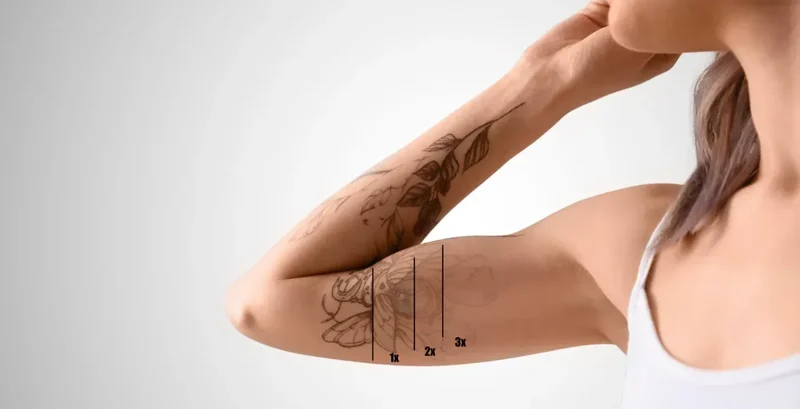
However, preparing for a cover-up involves more than planning the new design. To achieve the best result, it is important to lighten the old tattoo. So how do you prepare for a cover-up in the best way?
Drag the slider – real results from Dermacare patients.


Laser Tattoo Removal


Laser Tattoo Removal


Laser Tattoo Removal


Laser Tattoo Removal


Laser Tattoo Removal


Laser Tattoo Removal


Laser Tattoo Removal


Laser Tattoo Removal


Laser Tattoo Removal
Answer a few short questions, with a photo if you like, and receive a personal no-obligation initial assessment. Or book a consultation directly.
Why cover-up preparation matters, what the laser treatment involves and how to care for the skin afterwards.
A cover-up is a unique technique in which an existing tattoo is covered with a new design. The new design hides the old lines and colours, and is often larger and in darker shades to ensure full coverage. However, when it comes to especially dark tattoos or ones full of detail, the challenge is to create a new design that is clear, aesthetic and clean. This is where tattoo preparation for a cover-up comes in – a crucial step that allows the new design to look its best.
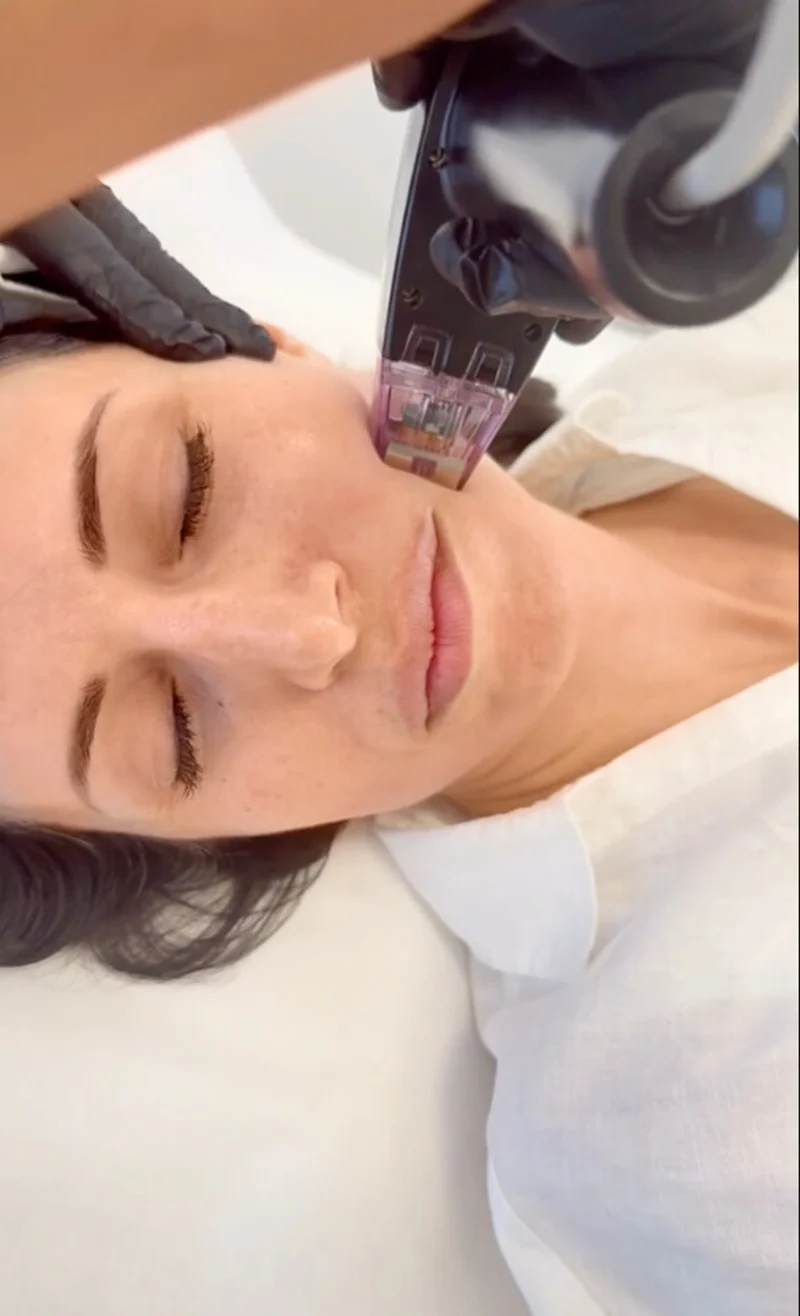
With its pico technology, the PicoPulse laser can treat almost all tattoo colours effectively and precisely. The treatment itself is less painful and contributes to faster recovery, so that the old tattoo becomes significantly faded after only a few treatments and is ideally ready for the new cover-up design.
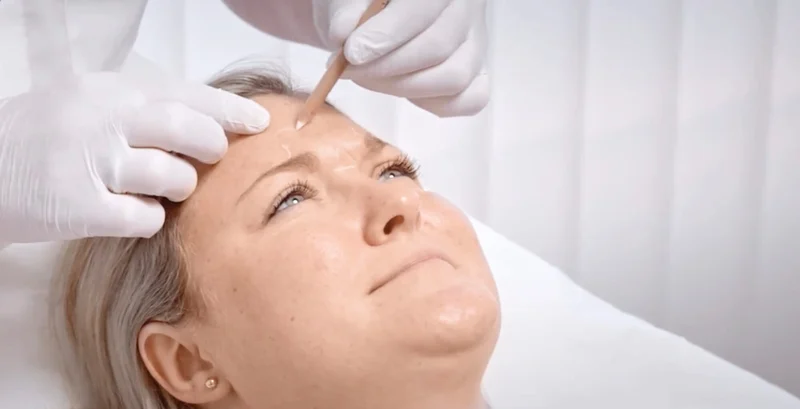
Laser treatment may be slightly painful, especially in deeper areas or with dark colours. However, most patients report that the treatment is tolerable, especially when numbing ointment is used.
For a successful cover-up, it is important to wait for full healing. Generally, it is recommended to wait at least 4 to 6 months after the last laser treatment before getting the new tattoo. The longer the healing process, the better and more impressive the final result of the cover-up will be.
Want to know more about preparing a tattoo for a cover-up? Not sure whether your tattoo needs lightening? Book your first consultation at Dermacare today and start the journey to a perfect cover-up!
We use the advanced pico laser, which was developed especially for tattoo removal and is designed to ensure safe and effective removal of tattoos. With our devices, almost any tattoo colour can be removed.
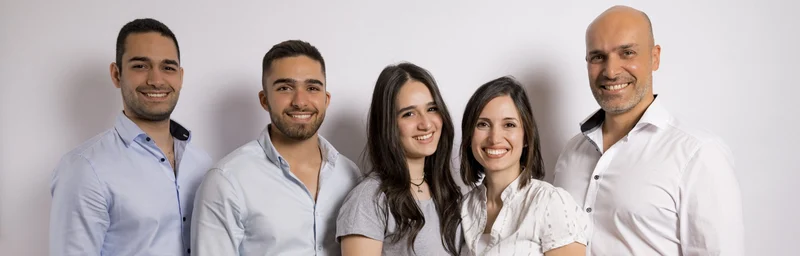
Experience and precise control of the technology are key. Our entire professional team has undergone additional training and has many years of experience – reflected in satisfied clients and excellent tattoo removal results.
In a comprehensive preliminary conversation, our professional team and doctors will discuss your wishes with you. You will receive a personal assessment of the expected success of the treatment, the costs, and everything you need to know about the process and the aftercare.
Our clinic is in Petah Tikva. Choose a convenient time online, or leave your details in the form below and we will get back to you.
The number of treatments required to remove a tattoo varies from person to person. Extremely small tattoos can in rare cases be removed within a small number of treatments, but usually it is a lengthy process. The number of treatments depends on various factors, such as whether the tattoo was done by an amateur or a professional, the colours and composition of the inks, the size of the tattoo and the texture of the skin, the depth and density of the ink, the response of the lymphatic system, and the quality of aftercare following removal. Usually, an improvement can be seen after each treatment, as the tattoo gradually fades. Complete removal always requires a series of treatments.
Yes. Pain may occur during tattoo removal, depending on individual sensitivity and the treated area. The sensation of pain is similar to that felt when the tattoo itself was applied.
Yes. The laser is capable of breaking down all colour pigments. However, black or dark blue tattoos are easier to remove. Light colours are more challenging to remove, as damage to the skin must be avoided. During the treatment, the colour of the tattoo may change, in which case several additional treatments may be needed.
The treated area will initially be red and swollen. If a scab forms, do not remove it, to prevent scarring. In people with very dark skin, pigmentation spots may appear. It is important to follow our treatment instructions in order to minimise the risk of bacterial infections.
No. Tattoo removal with Dermacare's Nd:YAG laser is gentle on the skin and does not leave scars, as long as the patient follows our practitioner's instructions. However, in people with particularly tanned skin, lighter areas of pigmentation may appear.
Before the treatment, avoid medications that increase sensitivity to light, unless they are taken regularly.
After the treatment, keep the area completely dry and clean for two days to prevent infection.
Throughout the whole course of treatments, it is recommended to avoid sun exposure on the tattoo area.
The duration of the treatment depends on the size of the tattoo and the cooling time afterwards. We allow at least 30 minutes for each treatment.
Yes. The area can be completely re-tattooed at a later stage.
The Instagram posts are loaded via an external service, which transfers data including your IP address. The images appear once you consent to the “Marketing” category.
Leave your details and we will get back to you by phone or email. No obligation – the decision is yours.
5.0 · 104 Google reviews


