In brief
- Stretch marks are internal scars in the dermis that form when collagen and elastin fibres tear as the skin is stretched rapidly.
- Creams contribute to hydration but do not penetrate deep enough into the dermis to repair the tear.
- The main treatments are fractional laser and radiofrequency microneedling, which stimulate the formation of new collagen.
- Most patients need 3 to 5 sessions, and the improvement in texture is usually seen about 4 weeks after the first treatment.
- New red marks respond faster than old white marks, and treatment can begin after breastfeeding.
Written about us on Ononet:
As an objective reviewer covering the aesthetics and beauty industry in Israel for the website ononet.co.il , I set out to examine one of the most complex and sensitive topics for women and men alike: stretch marks. Many of us carry on our bodies the physical reminders of significant changes in our lives – whether rapid growth during adolescence, drastic weight loss or gain, or of course pregnancy and childbirth. I set out to examine the professional solutions offered by the “Dermacare” clinic, which is strategically located, very accessible and very close to the city of Kiryat Ono, to understand whether the modern technology of 2026 can really provide a genuine answer and make these marks disappear.
What are stretch marks and why do they appear on our bodies?
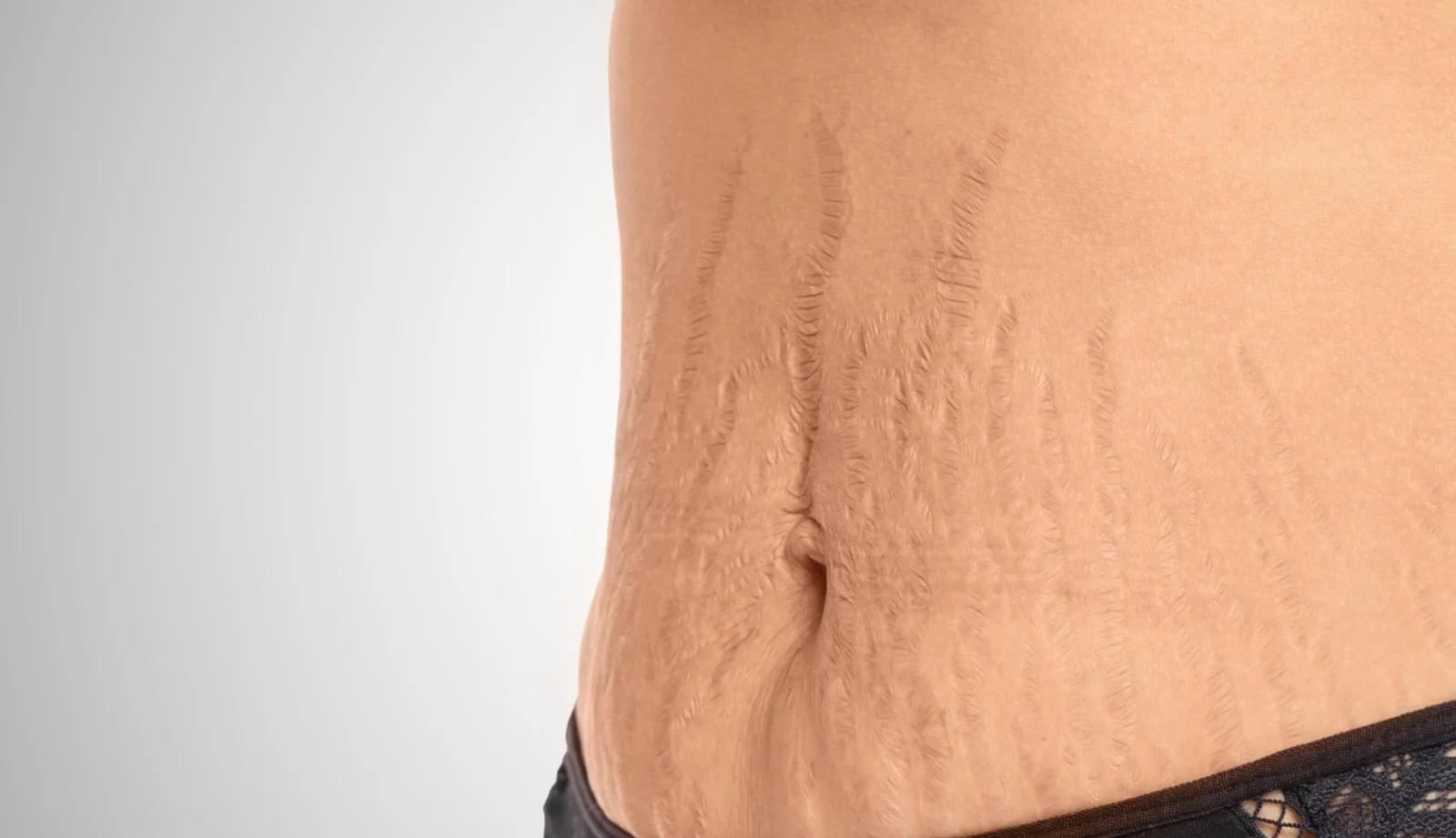
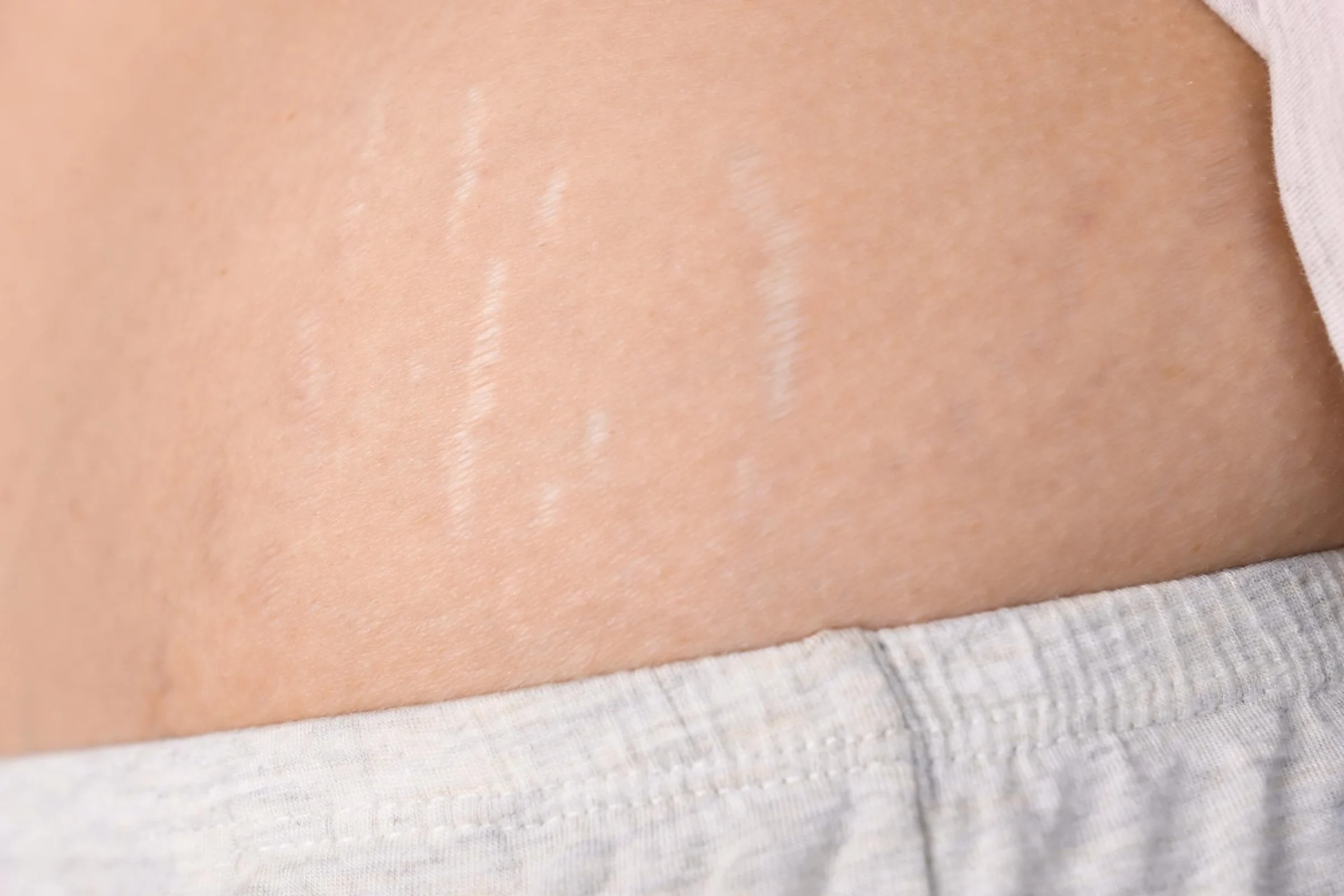
To understand the treatment, we first need to understand what stretch marks are biologically. They are in fact a type of internal scar that forms in the dermis (the middle layer of the skin). When the skin is stretched too quickly in a short time, the collagen and elastin fibres – responsible for the skin's strength and elasticity – simply tear. At first, these tears appear red, pink or purple because of the blood vessels exposed under the thin skin. Over time, as the scar matures, the colour turns white, pearly or silvery, and the texture becomes slightly grooved.
During my review at Dermacare, I saw that patients come in needing treatment in a variety of areas. The most common is stretch marks on the abdomen, which often appear as a result of stretch marks during pregnancy or remain as stretch marks after childbirth. Other areas that receive significant attention are stretch marks on the breasts, the thighs and the buttocks.
The revolution in treatment: how do you really get rid of stretch marks?
One of the key questions I put to the team of specialists at Dermacare was how to get rid of stretch marks. In the past, the prevailing view was that they were simply fate and that their appearance could only be “softened” with creams or oils. As an objective reviewer, I must point out that while creams are important for maintaining hydration, they cannot penetrate deep into the dermis and repair the torn fibres.
The real good news at the clinic near Kiryat Ono is the use of advanced technologies that stimulate the body's natural healing mechanism. The main treatments include:
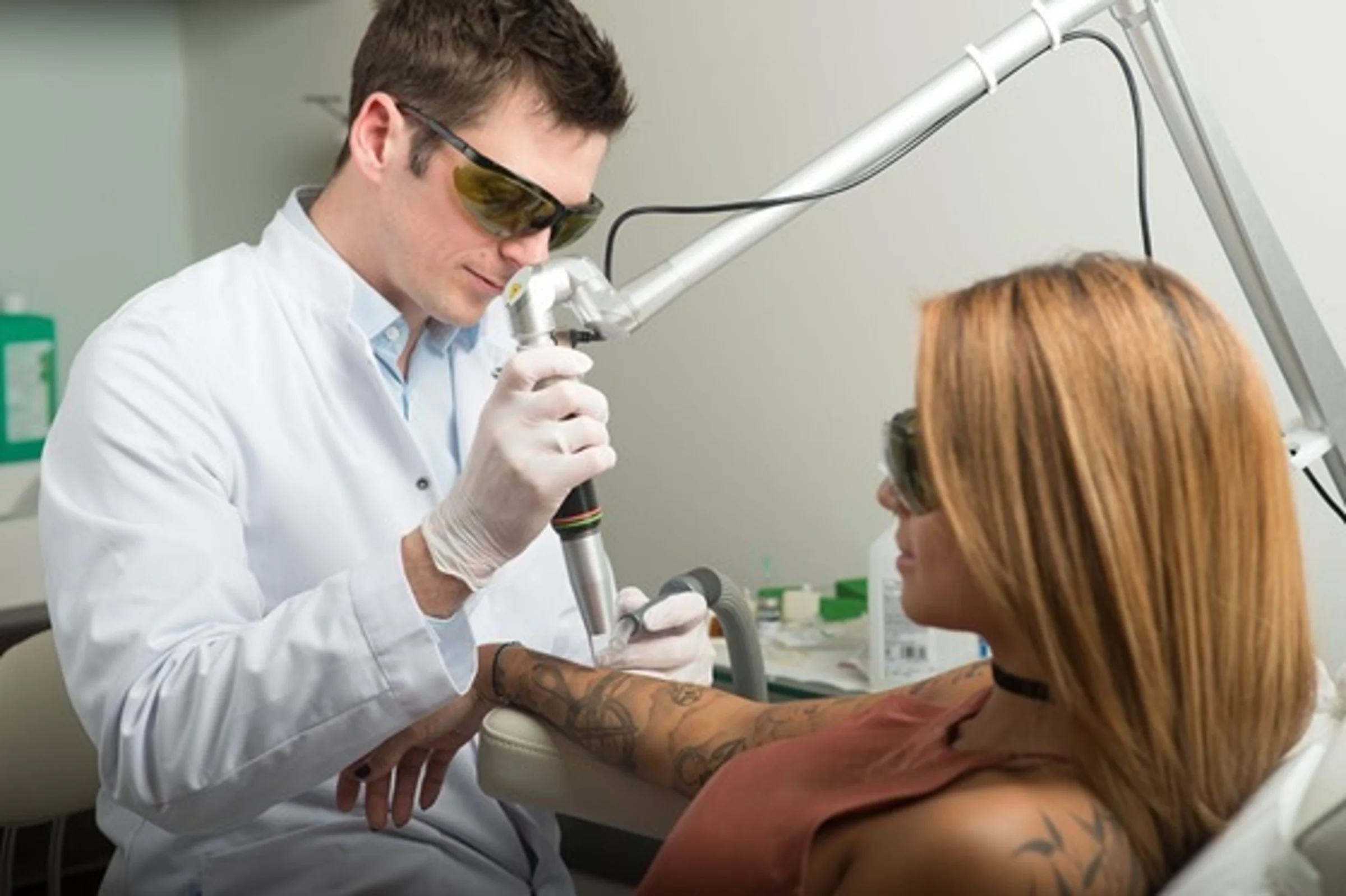
- Fractional laser (Fractional Laser): the laser creates controlled microscopic injuries in the skin, forcing the body to produce new, healthy collagen that fills the “grooves”.
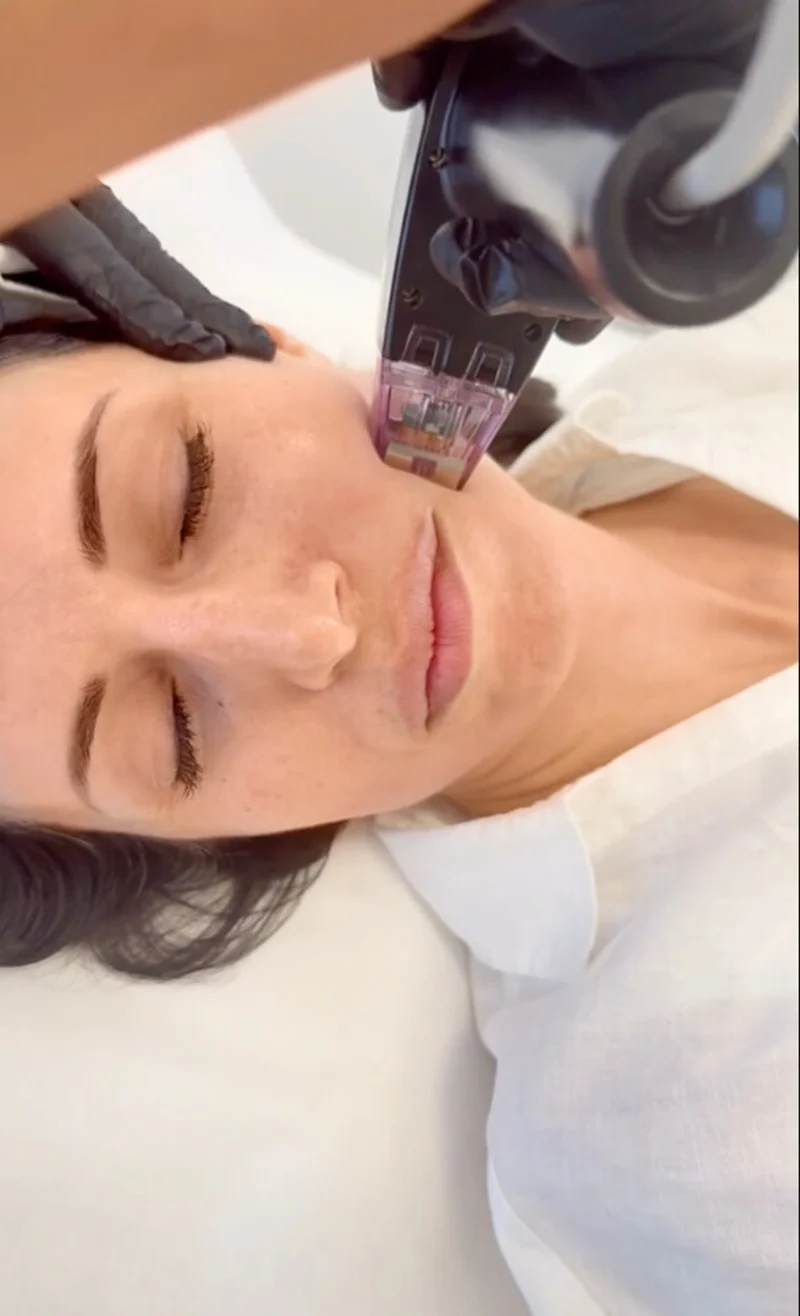
- Microneedling with radiofrequency (RF): a technology that penetrates deep into the tissue and heats it, tightening the skin and dramatically improving the texture of the marks.
This process leads to a gradual fading of stretch marks, with the aim of matching the colour and texture of the mark to the healthy skin around it. For detailed information on how it works, you can visit the page: stretch marks.
Questions and answers: everything you need to know about the treatment
As part of my fieldwork, I have gathered for you the most pressing questions asked by patients interested in stretch mark removal:
What is the most effective way to get rid of stretch marks?
The question of how to get rid of stretch marks depends very much on the “age” of the marks. New red marks respond to treatment much faster than old white marks. At Dermacare, a precise diagnosis is made and the laser protocol is adjusted according to the depth and type of the mark.
Is stretch mark treatment painful?
During stretch mark treatment, patients report a feeling of warmth or slight prickling. The clinic uses high-quality local anaesthetic and advanced cooling systems, which make the experience tolerable and fairly comfortable.
When can you see the results of stretch mark removal?
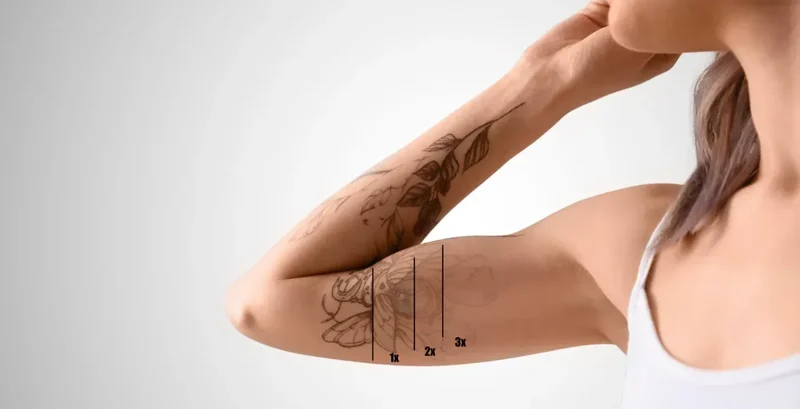
It is important to understand that this is a process of rebuilding. Most patients need a course of 3 to 5 sessions. The improvement in skin texture is usually seen about 4 weeks after the first treatment, and continues to improve for months afterwards as the new collagen builds up.
Special points for women: pregnancy, childbirth and everything in between
For many women, the appearance of stretch marks during pregnancy is a source of great stress. It is important to make clear that during the months of pregnancy itself, aesthetic medicine is limited to conservative treatments only. However, immediately after breastfeeding ends, it is recommended to come to the clinic and start treating stretch marks after childbirth. The earlier the stretch marks on the abdomen are treated, the more impressive the final results will be.
Treatment at Dermacare also addresses stretch marks on the breasts, an area where the skin is particularly delicate and thin. The team's expertise lies in its ability to adjust the intensity of the equipment to achieve the maximum effect in fading stretch marks without damaging the sensitive tissue.
Why choose a clinic near Kiryat Ono?
Accessibility is a significant factor, especially for young mothers or working people. The Dermacare clinic is strategically located very close to Kiryat Ono, making it possible to come for short treatments without long, tiring journeys to distant cities. This convenience helps patients stick to the treatment plan, which is the key to success.
In addition, the medical standard I saw at Dermacare is uncompromising. Every patient undergoes a holistic diagnosis that examines not only the marks themselves but also overall skin quality and the degree of laxity. Sometimes tightening treatments are combined with the treatment of the marks to achieve a perfect aesthetic appearance. Please change the highlighted sentence to: For more information on the treatment approach and treatment options, we recommend reading the guide: What really helps against stretch marks.
Summary and the objective reviewer's recommendations
After reviewing the portfolios, talking to patients and surveying the technologies at Dermacare, these are my conclusions:
- A winning technology: the combination of laser and microneedling is currently the only way to achieve a substantial improvement in stretch marks.
- Personal expertise: the ability to tailor the treatment to skin tone (dark or light) and the type of mark is critical to preventing burns and achieving results.
- Patience pays off: those who persevere with the course of treatments will see an improvement of tens of percent in the appearance of their skin.
If you are looking for how to get rid of stretch marks or dream of smoother skin on your abdomen or thighs, do not settle for the promises of expensive creams. The real solution lies in advanced medical technology. The clinic near Kiryat Ono offers the perfect combination of convenience, professionalism and proven results.
At the end of the day, our skin tells the story of our lives, but there is no reason not to feel comfortable with how that story looks. Modern treatments for stretch marks give us the option to choose how we want to look and feel at any age.
Frequently asked questions
Radiofrequency microneedling is a versatile treatment that can be used to treat a wide range of skin problems, including:
- Wrinkles
- Loose skin
- Scars (including acne scars and surgical scars)
- Stretch marks
- Reducing the appearance of pores
- Pigmentation problems
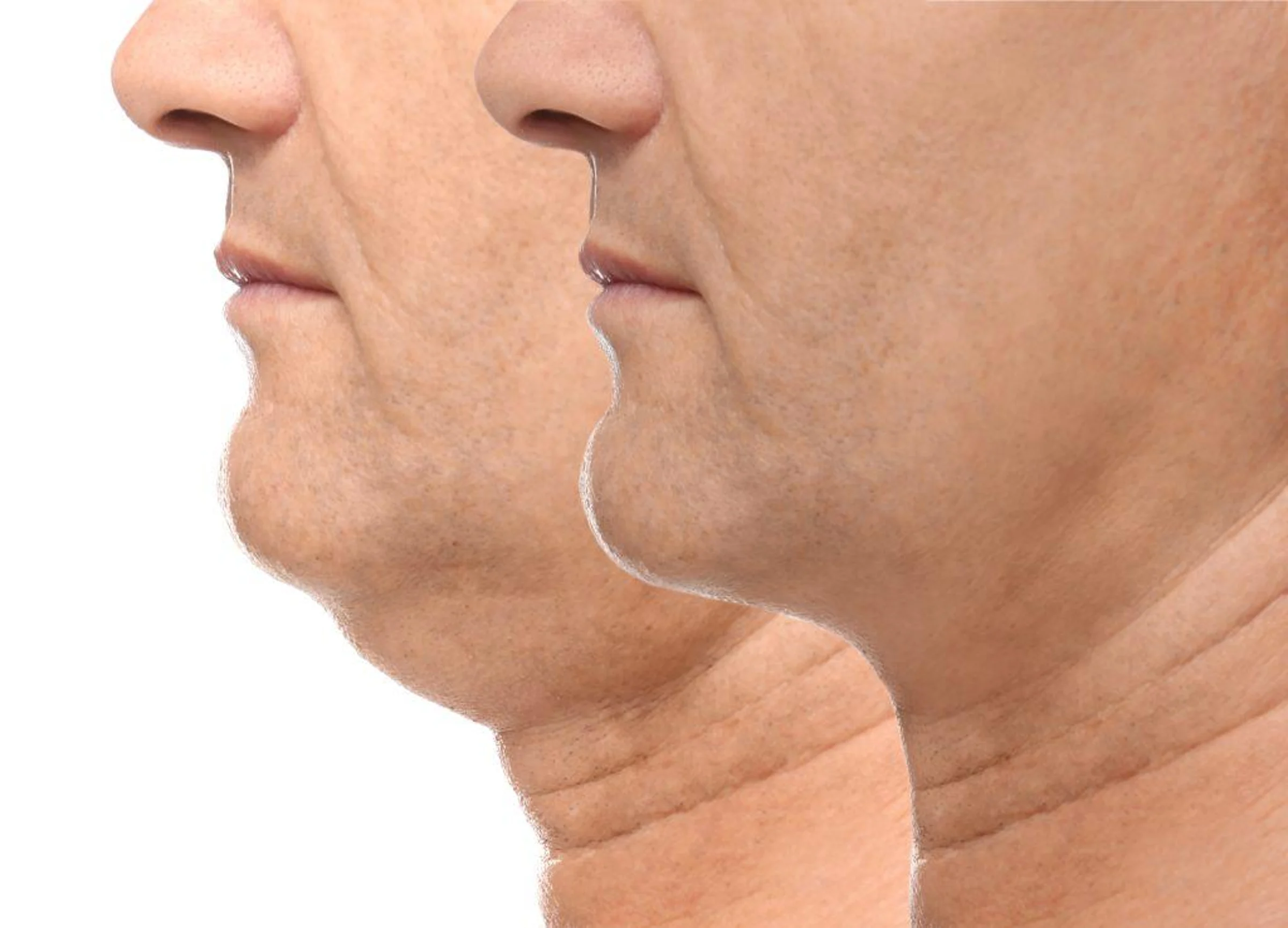
- Even fat accumulation (such as a bothersome double chin)
In radiofrequency microneedling treatment, the micro-needles penetrate the skin and deliver pulses of heat. This heat encourages skin renewal and effectively treats wrinkles, scars and skin laxity. At Dermacare, the Morpheus 8 device is used, known for the impressive results it delivers.
Radiofrequency microneedling at Dermacare is an innovative skin treatment that combines micro-needles with radiofrequency energy. This method stimulates the skin to produce collagen and elastin, leading to firmer, smoother skin.
After the treatment, mild redness, swelling or a feeling of warmth may appear, usually disappearing within 12 to 48 hours. In rare cases, skin irritation or small bruises may appear. It is important to care for the skin after the treatment and protect it from direct sun exposure.