In brief
- The laser penetrates the dermis and breaks the ink particles into smaller particles, which the immune system gradually clears through the lymphatic system.
- Pico lasers work in picoseconds while nano lasers work in nanoseconds, so Pico reduces heating of the surrounding tissue and the risk of burns and scars, and breaks down stubborn colours more effectively.
- Several treatments are needed six to eight weeks apart, and dark black and blue respond better than light colours.
- Intensities that are too low make the treatment ineffective, while high intensities that are not properly adjusted may cause burns and scars.
- Sun exposure before and after treatment increases the risk of pigmentation, so a high-factor sunscreen and avoiding direct sun are recommended.
Written about us on Mcity:
In recent years there has been a sharp rise in the number of people looking for information on how laser tattoo removal works. While a tattoo used to be considered a permanent symbol that could not be changed, today technological advances in lasers make it possible to remove it gradually and relatively safely. As part of an objective review, we took an in-depth look at working methods, types of technology, safety levels and the gaps between advanced equipment and outdated devices.
The review includes an examination of advanced laser treatments, a comparison between Pico and nano technology, a look at market trends in Israel, and answers to the questions patients most often ask before starting the tattoo removal process.
For the first time in Petah Tikva: a clinic for laser tattoo removal
During the review we found that, for the first time in Petah Tikva, a clinic for advanced laser tattoo removal offers a combination of advanced Pico technology together with a structured medical protocol. The clinic in Petah Tikva works in the field of laser treatments and takes an approach based on advanced equipment rather than basic off-the-shelf devices.
This is a particularly important parameter, because technological differences directly affect how effectively the tattoo is removed and the risk of scars or burns.
How laser tattoo removal works from a technological point of view
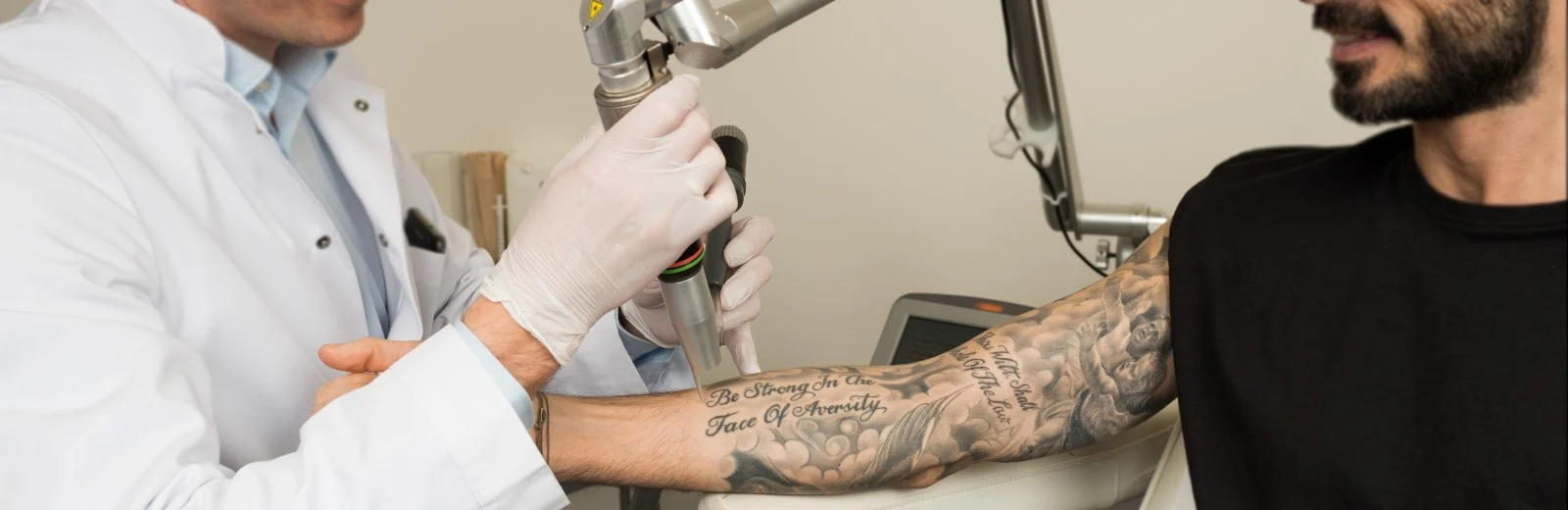
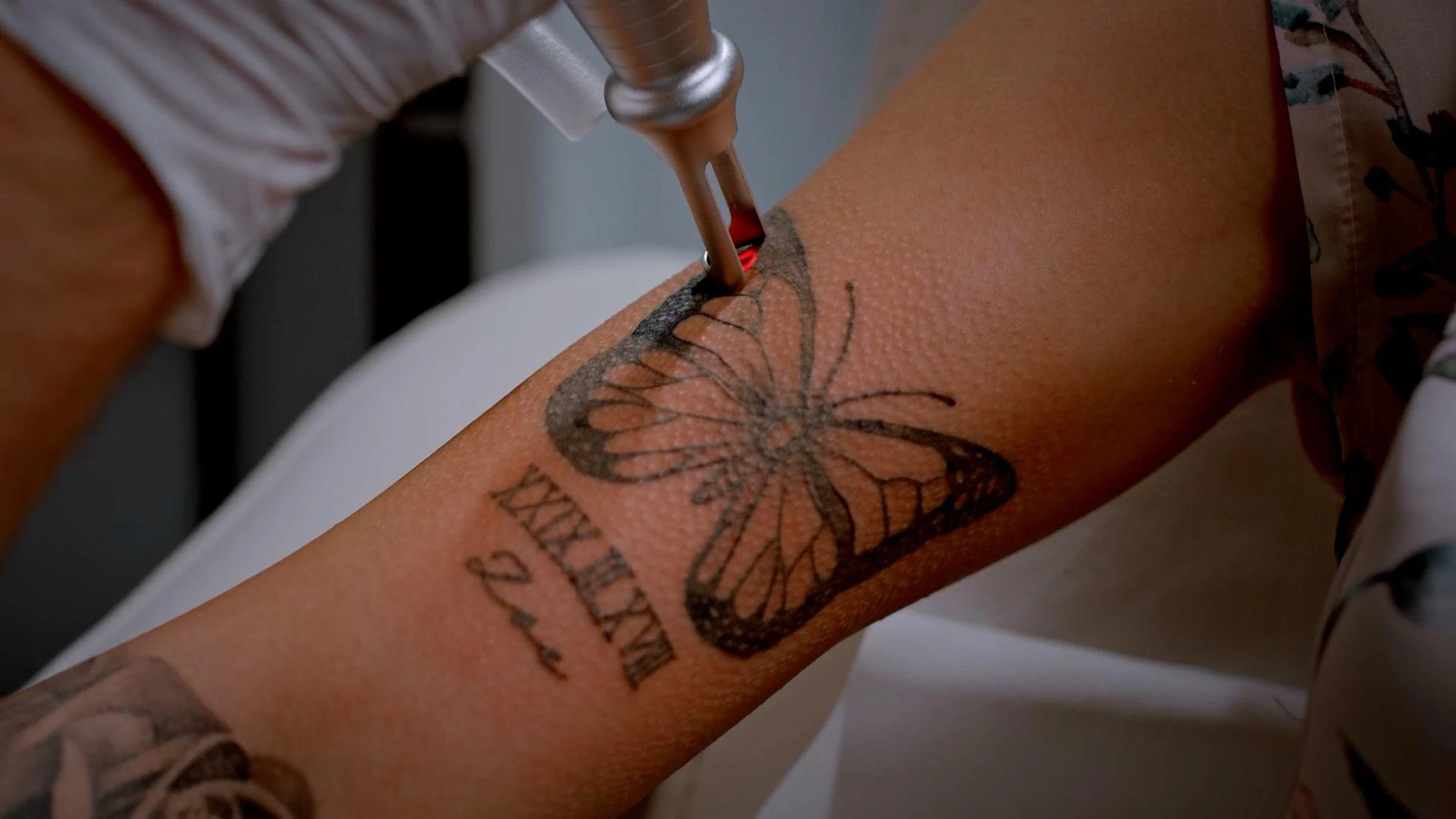
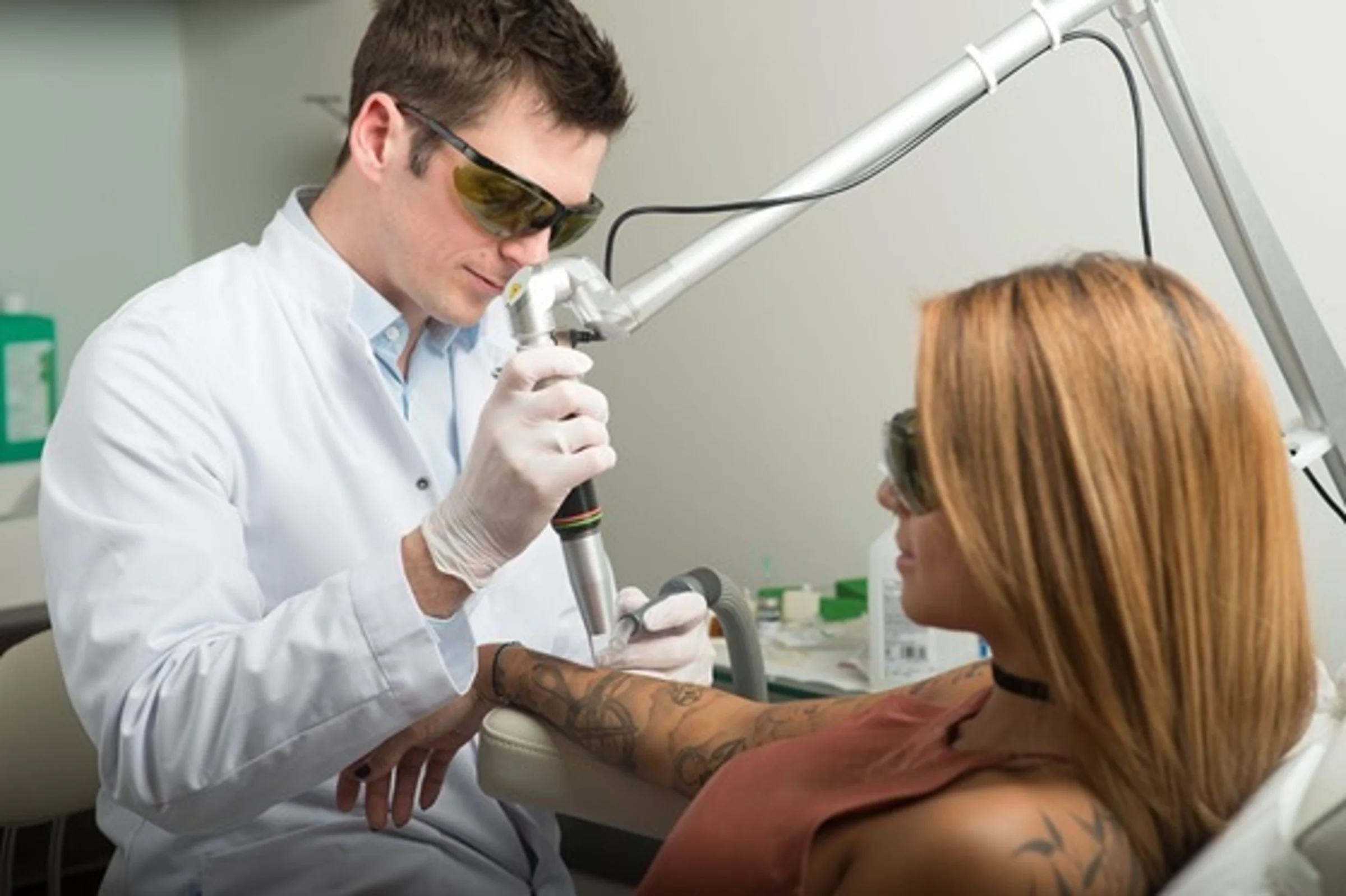
When asking how laser tattoo removal works, the answer has to do with breaking down the colour pigment in the skin. The laser beam penetrates the deep layers of the dermis and breaks the ink particles into tinier particles. The body's immune system gradually clears these particles through the lymphatic system.
The key principle is matching the wavelength to the colour of the tattoo. Dark colours such as black and blue respond better to the laser, while light colours sometimes require more advanced technology and precise intensities.
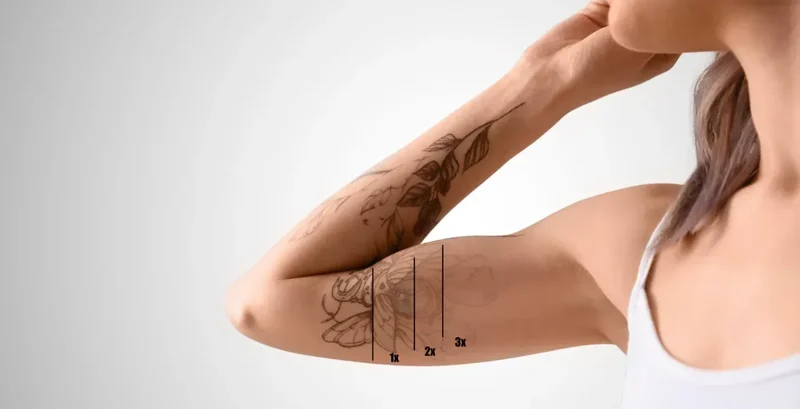
Laser tattoo removal is not a one-off process. Several treatments are usually needed, spaced six to eight weeks apart, to allow the skin to heal and the immune system to do its work.
The difference between Pico and nano laser technology
One of the key findings of the review is the gap between Pico laser technology and nano lasers. Many advertise that they have a Pico laser, but in practice it is old equipment working with nano technology.
What is the numerical difference? A nano laser works in the range of nanoseconds, i.e. billionths of a second. A Pico laser, by contrast, works in picoseconds, trillionths of a second. This means a shorter, faster pulse that breaks down the pigment more precisely and with less heating of the surrounding tissue.
The advantage of Pico technology is a reduced risk of burns and scars and more effective breakdown of stubborn colours. The comparison carried out found that nano laser devices tend to heat the tissue more, which increases the risk of secondary damage.
Tattoo removal has become a trend in Israel
In recent years, removing tattoos has become a trend in Israel. Career changes, personal changes and changing fashions lead many people to look for a professional solution. At the same time, the phenomenon has also created a problem: every beautician brands herself online as if she has been performing laser tattoo removal for years, but in practice some of them are amateurs in the field.
The review found that there are small devices that do not reach sufficient intensities to remove a tattoo completely with a laser. Intensities that are too low make the treatment ineffective, while high intensities that are not properly adjusted may cause burns and scars.
It is therefore important to make sure that advanced medical equipment is used and that the practitioner is skilled and has an in-depth understanding of the working parameters.
How much does tattoo removal cost and what affects the price
A key question is how much tattoo removal costs. The price of tattoo removal varies according to the size of the tattoo, its colours, the depth of the ink and the number of treatments required.
The question of how much laser tattoo removal costs, or how much a treatment session costs, is also determined by these parameters. There is a significant difference between a small black tattoo and a complex coloured one.
Detailed information on costs can be found on the service page laser tattoo removal price, which sets out the considerations that determine the cost.
What the skin looks like after tattoo removal
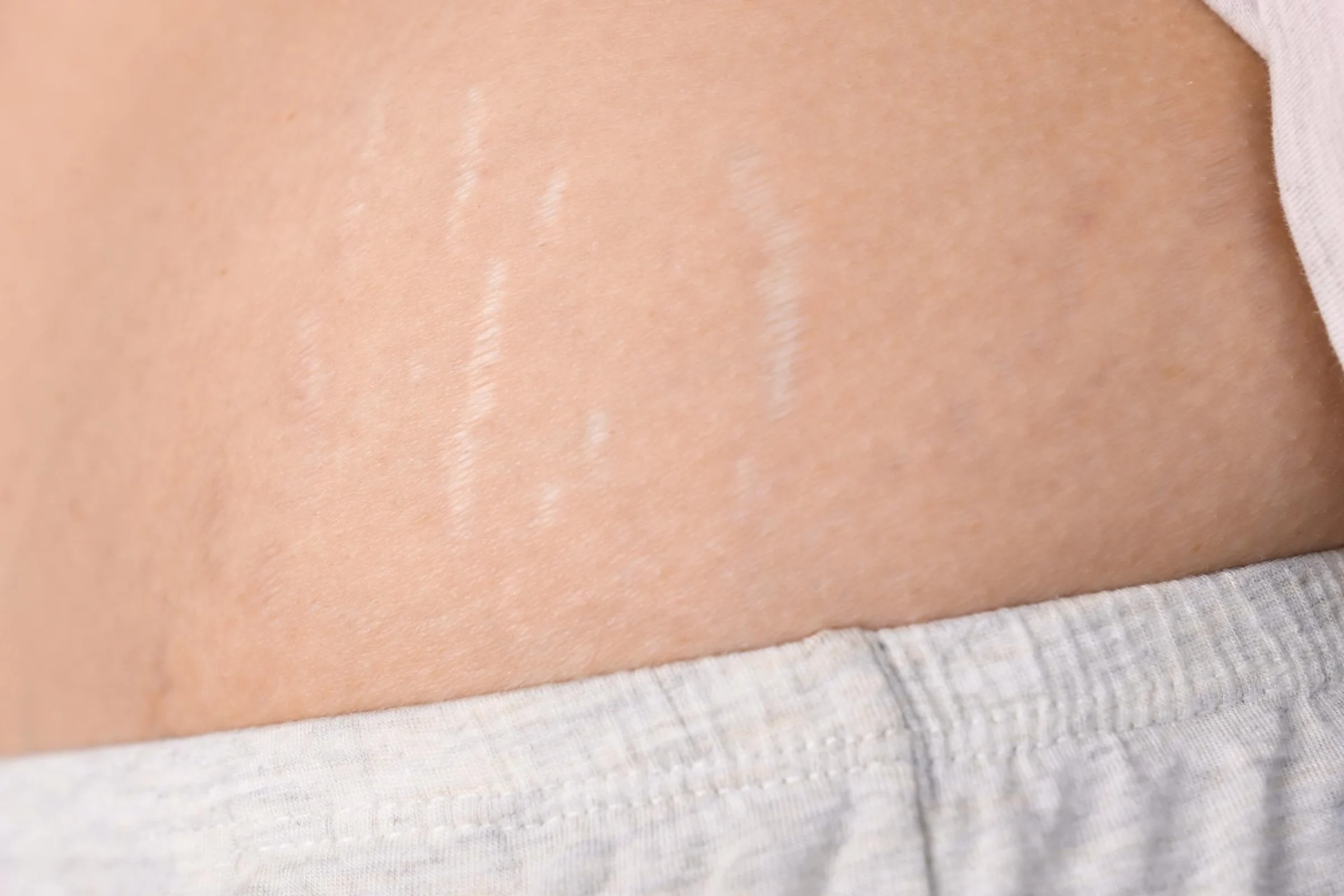
One of the important questions is what the skin looks like after tattoo removal. Immediately after the treatment there may be local redness, a burning sensation and sometimes small blisters. This is a natural reaction of the skin to the laser pulse.
Gradual healing takes place within a few days. Over a course of treatments, you can see the ink gradually fade until it disappears completely or almost completely.
Which ointment to apply after tattoo removal
After the treatment, it is recommended to apply a soothing ointment as instructed by the practitioner. This is usually an antiseptic or restorative ointment intended to prevent infection and speed up healing. It is important to avoid sun exposure during the healing period.
How the sun affects tattoo removal
Sun exposure before or after treatment may affect the results of the removal. Tanned skin contains more melanin, which can make it harder to target the tattoo pigment precisely and increases the risk of pigmentation. It is therefore recommended to avoid direct sun exposure and to use a high-factor sunscreen.
Eyebrow tattoo removal and removing tattoos from the eyebrows
Another area examined is eyebrow tattoo removal. This is a particularly delicate area, and the ink sometimes differs in composition from regular body tattoos. Removing tattoos from the eyebrows requires precise wavelength matching to prevent an unwanted change of colour.
In some cases gentler treatments are needed to avoid damaging the hair follicles.
Documenting tattoo removal before and after
One of the important parameters in assessing professionalism is showing tattoo removal before and after. Genuine, complete documentation allows patients to understand the pace of progress and the expected level of fading.
Review summary
After a comprehensive review of the field, it can be concluded that understanding how laser tattoo removal works is essential before starting the process. There is a significant difference between old nano equipment and an advanced Pico laser. It is important to make sure of experience, a structured working protocol and full transparency regarding the number of treatments and the possible risks.
More information about the process can be found on the page How does laser tattoo removal work?
Laser tattoo removal is a gradual but effective process when performed with advanced technology and by skilled hands. Choosing the right place and the right equipment is what makes the difference between a smooth result and an unnecessary scar.
Frequently asked questions
Yes. The area can be completely re-tattooed at a later stage.
The duration of the treatment depends on the size of the tattoo and the cooling time afterwards. We allow at least 30 minutes for each treatment.
Usually, the health fund does not cover the cost of tattoo removal.
Between treatments, it is recommended to wait about 6 weeks, to allow the skin and the immune system to recover. It is important that the area heals completely before the next treatment is carried out.