In brief
- A tattoo is ink injected into the dermis, and the laser breaks it down into tiny particles that the lymphatic system gradually clears over several weeks.
- Removal does not happen in a single treatment, and in many cases the tattoo can be 90% to 100% cleared, depending on the type of ink and its depth.
- Black and dark blue ink is easier to remove than light colours, and older tattoos or those in areas with strong blood flow respond faster.
- Sun exposure before and after the treatment increases the risk of pigmentation and burns, and tanned skin cannot be treated safely.
- It is advisable to choose a clinic with approved laser equipment (FDA/CE) and to be wary of suspiciously low prices.
Written about us on the beaesthetic website:
In the past, the decision to get a tattoo was considered a decision for life. "It's forever", we were told, and the options for getting rid of body art that was no longer relevant were painful, invasive and often left scars uglier than the tattoo itself. Today, the technology has changed beyond recognition. As an objective reviewer covering the aesthetics field in Israel for beaesthetic.co.il, I set out to examine the tattoo removal services of the Dermacare clinic. In this article I will break down the process, the costs and the technology, to find out whether the promise of "clear skin" really stands up to reality.
What exactly is tattoo removal and how does it work?
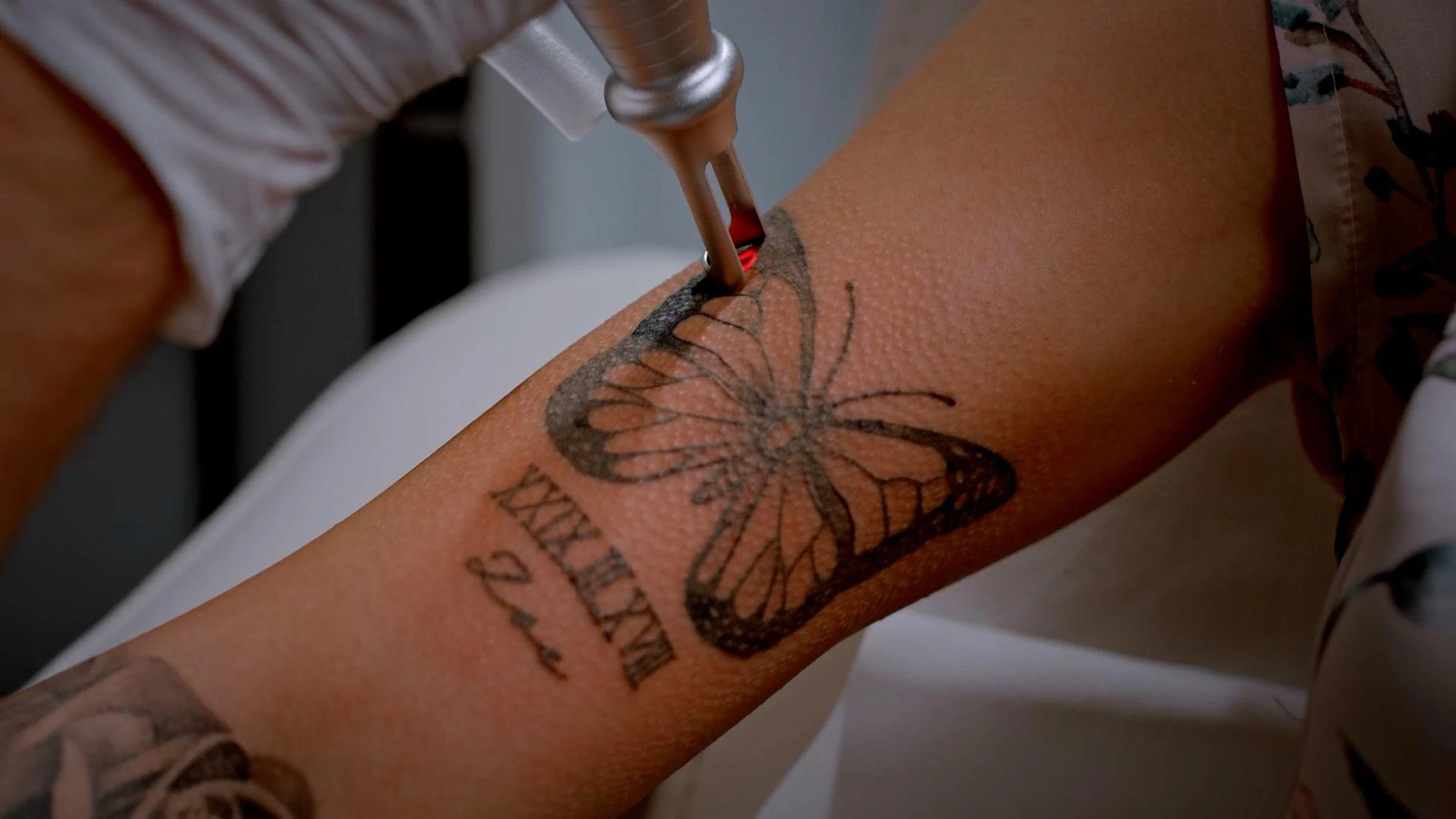
To understand the process, you first need to understand what a tattoo is. It is pigment (ink) injected into the dermis layer of the skin. Because the ink particles are too large for the body's immune cells to clear, they remain there permanently. This is where laser tattoo removal comes in.
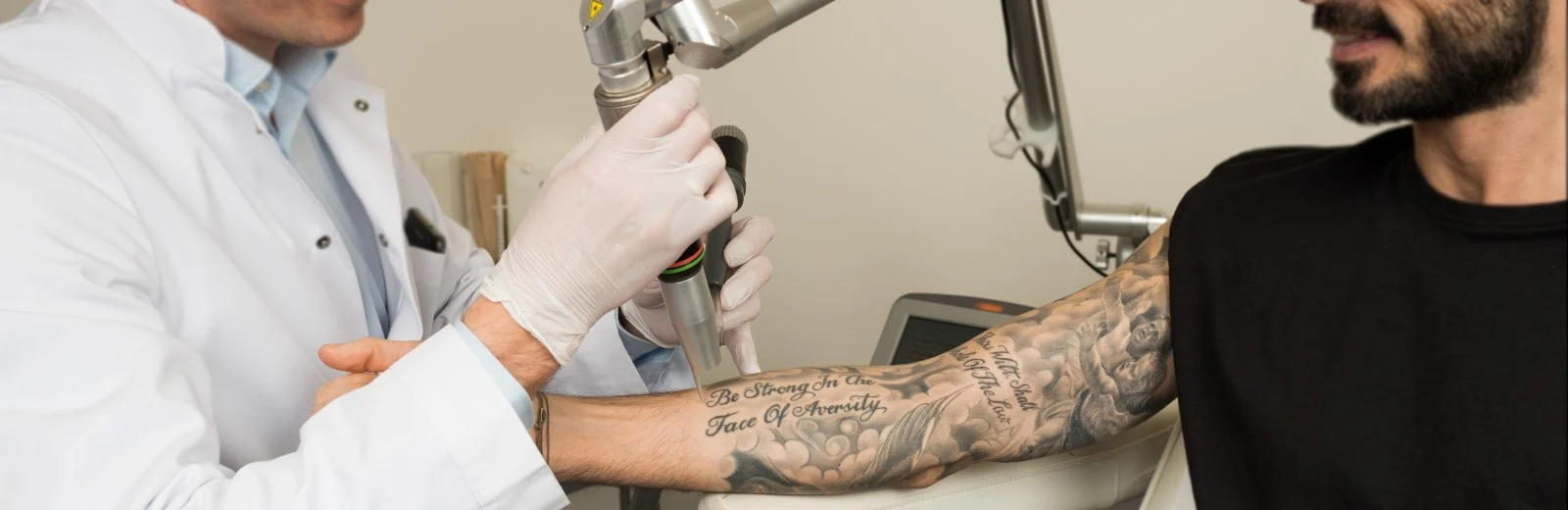
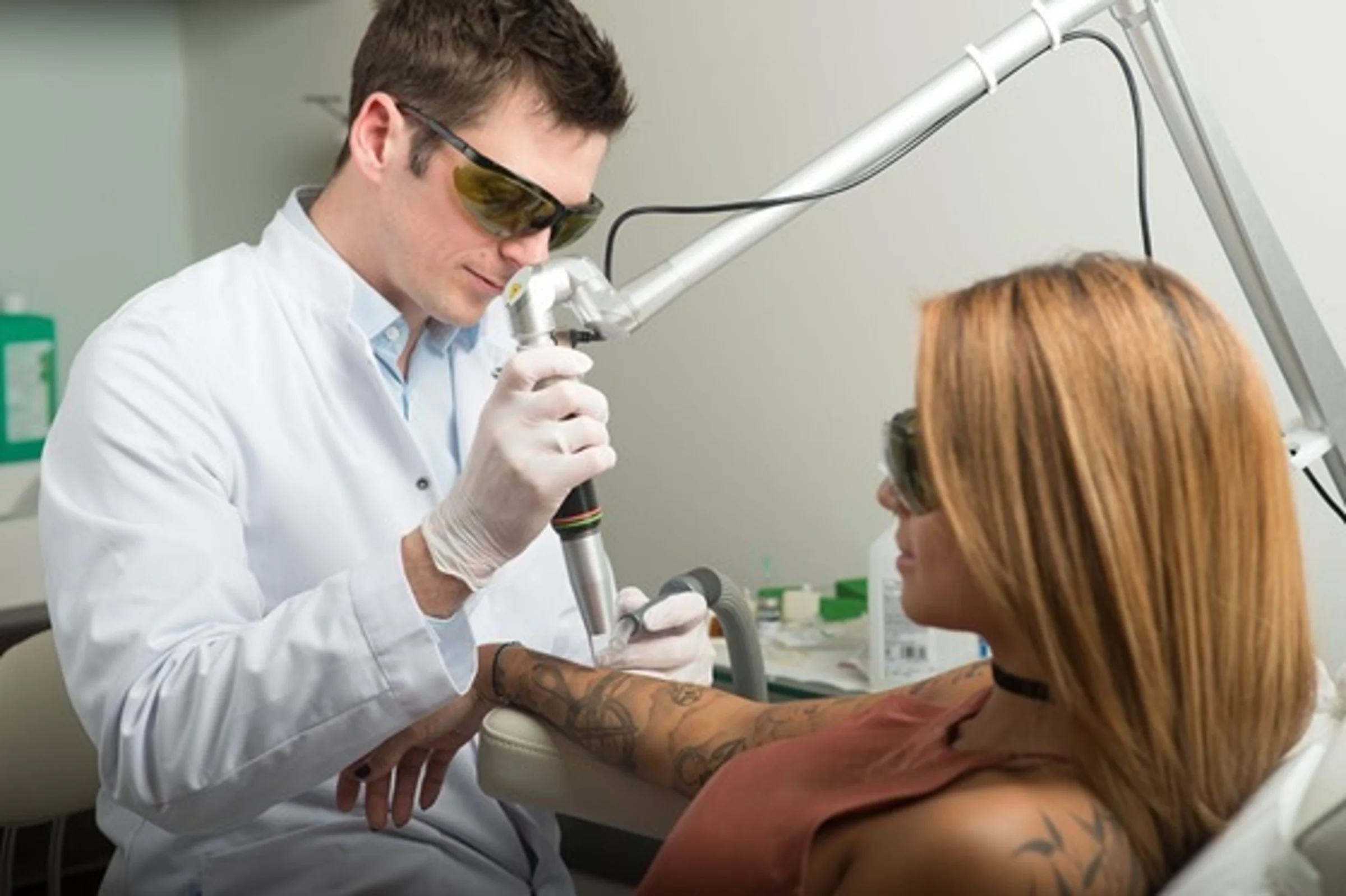
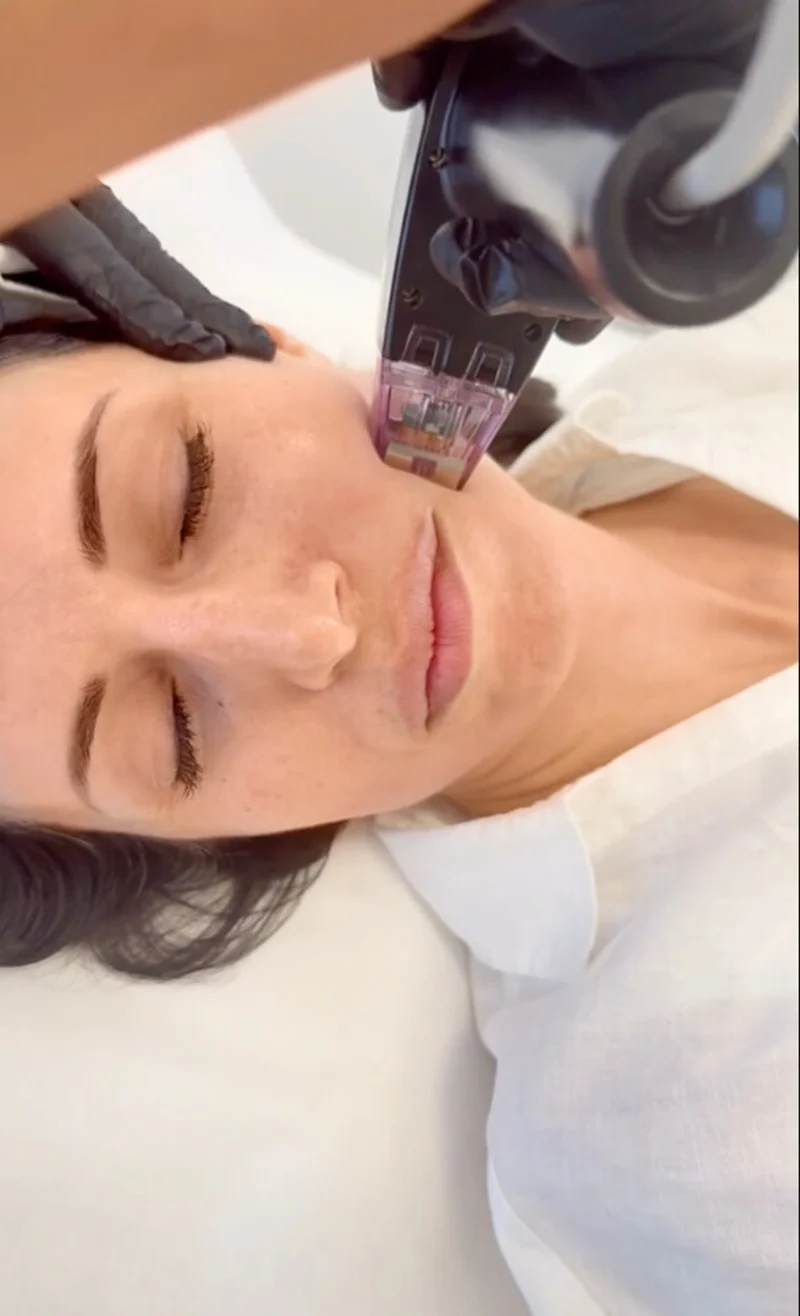
During a laser tattoo removal treatment, the laser device fires short, rapid pulses of high-intensity light energy. This energy is absorbed by the ink pigment, causing it to break down into extremely tiny particles. Once the ink has broken down into pigment "dust", the body's lymphatic system is able to identify it as a foreign body and clear it from the system naturally over several weeks. Dermacare uses advanced technologies that allow effective breakdown of a range of colours, including ones that were previously considered difficult to remove.
For more information about the professional services in this field, visit the page: tattoo removal .
Eyebrow tattoo removal: the revolution in permanent make-up
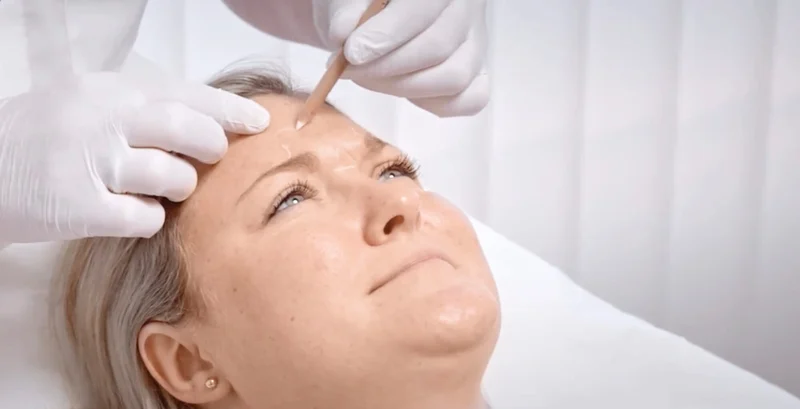
One of the fastest-growing areas is eyebrow tattoo removal. Many women who have had permanent make-up that has changed colour (to red, blue or grey) or whose shape is no longer fashionable are looking for a solution. Eyebrow tattoo removal requires maximum precision and a particularly gentle laser so as not to damage the natural hair follicles. In my review, the results in this area are among the most impressive, since these are usually shallower pigments than regular body tattoos, which allows a return to a natural look within a relatively small number of treatments.
The visual test: tattoo removal before and after
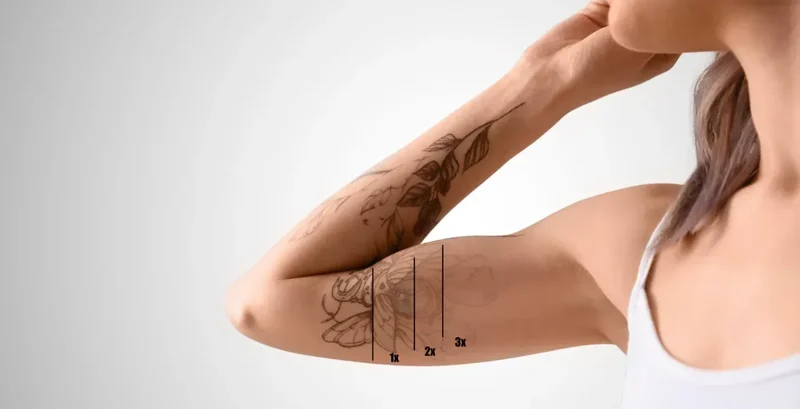
To truly assess the quality of the treatment, you have to look at tattoo removal before and after results. During my visit to the clinic, I saw portfolios showing the gradual fading of tattoos from session to session. It is important to state honestly: removal does not happen in a single treatment. It is a process that requires a lot of patience. In most cases of laser tattoo removal, it is possible to reach a point where the tattoo is 90% to 100% gone, depending on the type of ink and its depth.
Variables that affect the success of laser treatment
As an objective reviewer, I must point out several critical factors that affect the final result of laser tattoo removal:
- Ink colour and type: black and dark blue ink are the easiest to remove because they absorb all the laser's wavelengths. By contrast, light colours such as yellow or green require more specific technology and a greater number of treatments.
- Age of the tattoo: older tattoos tend to fade faster, since the body has already begun a slow process of breaking down the pigment over the years.
- Location on the body: tattoos located in areas with strong blood flow (close to the heart) tend to respond better to treatment than tattoos on the distant extremities (such as ankles or fingers).
- Sun exposure: this is a critical issue – how does the sun affect tattoo removal? Sun exposure before and after the treatment significantly increases the risk of pigmentation and burns. Tanned skin cannot be safely treated with a laser, so it is advisable to start the process in winter or to make sure the area is fully covered.
Laser tattoo removal price – is the investment worth it?
When comparing the price of laser tattoo removal with outdated alternative methods (such as deep dermabrasion or surgical excision), the laser is undoubtedly the safest and most aesthetic solution. Although the total cost of a series of treatments may seem high, the result of clear skin without scars is worth the investment for anyone who regrets a tattoo. Dermacare offers treatment packages that lower the price per session, making the service more accessible to the general public.
A professional opinion on the removal process at Dermacare
During my review, I noticed the professionalism with which the team manages expectations. They do not promise complete removal in one treatment, but build a personalised treatment plan for each client. The technology in use is among the most advanced in the world, making it possible to reach the depth of the dermis without damaging the upper layer of the skin.
In addition, the clinic makes a point of supporting the patient throughout the process – from the initial consultation, through the treatments themselves, to monitoring the skin's healing process. Knowing that there is a professional address for any question that arises after the treatment gives patients great peace of mind.
Summary and the reviewer's recommendations
To sum up this objective review of tattoo removal, it can be said with confidence that the technology available today at Dermacare is the last word in the field. Whereas tattoo removal used to be a distant or dangerous dream, today it is a standard and relatively safe procedure.
A few points to consider before you start:
- Choose only a clinic that uses medically approved laser equipment (FDA/CE).
- Do not be tempted by suspiciously low prices – the health of your skin is more important.
- Make sure to protect yourself fully from the sun and apply the recommended creams.
- Remember that this is a long process – patience is the key to a perfect result.
If you have a tattoo that no longer represents who you are, or permanent eyebrow make-up that needs correcting, this technology is designed for you. Your skin can be smooth and clear again, and all it takes is the first step towards a professional consultation.
Frequently asked questions
The financial question always comes first in the order of priorities. The price of tattoo removal is a highly variable figure. The price is determined by the size of the tattoo, the number of colours, the depth of the ink and its location on the body. In my check, prices start from a few hundred shekels for a single treatment of a small tattoo and can reach thousands of shekels for a full series for a large and complex tattoo. For detailed information on costs and an up-to-date price page, we recommend visiting the following link: How much does tattoo removal cost? .
For those with miniature tattoos (such as a letter on the wrist or a small symbol), the price will be significantly lower. How much does small tattoo removal cost? It is usually in the lower price range of the price list, but a series of several sessions is still required to reach a perfect result, since the ink is usually highly concentrated in a single spot.
Many people worry about the immediate appearance after the treatment. What does the skin look like after tattoo removal? Right after the laser pulse, the skin may look whitish (a phenomenon called "frosting"), and there may be redness, mild swelling and sometimes small blisters. These are natural reactions that indicate the laser has worked.
Home care is critical to the success of the process and to preventing infection. So which ointment should I apply after tattoo removal? The experts at Dermacare generally recommend soothing and antibacterial ointments (such as Bepanthen Plus or dedicated skin-repair ointments) to keep the area clean and moist and to prevent unwanted scarring.