In brief
- A facial aesthetic treatment does not depend on age but on tailoring to each patient's skin condition, goals and anatomy.
- Treatments fall into three categories: injections for shaping and muscle relaxation, technologies for renewing and firming the skin, and treatments to improve skin quality.
- Botox suits dynamic wrinkles and lasts 3 to 4 months, while hyaluronic acid-based fillers last 9 to 18 months.
- RF microneedling is suitable for firming, improving texture and acne scars, usually in a series of 3 to 4 treatments.
- The most natural result often comes from combining categories, after a comprehensive assessment of skin type, tone, texture and pigmentation.
When we talk about a "facial aesthetic treatment", we do not just mean getting rid of a stray wrinkle here and there, but a whole world of solutions designed to improve, refresh and restore the appearance of the skin. The goal is not to change you, but to address the signs of ageing and environmental and sun damage, and to restore the skin's vitality, texture and radiance. At the Dermacare clinic, we believe the right treatment starts with an accurate diagnosis and a personal plan, so that you look and feel like the best, freshest version of yourself.
Who is a facial aesthetic treatment really suitable for?
While aesthetic treatments were once reserved for older people, today the story is completely different. Men and women of all ages turn to aesthetic medicine to address a wide range of needs, far beyond "wrinkle filling". The key to success is not age, but tailoring a treatment plan to the skin condition, goals and unique anatomy of each patient. At Dermacare, this is our starting point for every treatment.
Facial treatments by decade and need
-
Your 20s and 30s (prevention and improving skin quality): at this stage, the focus is mainly on prevention and preserving what you have. The goal is to improve skin texture, treat enlarged pores, even out skin tone and give a radiant, healthy look. Treatments such as gentle peels, skin boosters for added hydration or microneedling treatments can make a big difference and delay the appearance of signs of ageing.
-
Your 30s and 40s (treating the first signs): this is the decade in which most of us begin to notice the first changes: fine expression lines on the forehead or at the sides of the eyes, slight volume loss in the cheeks, or a generally slightly more tired look. This is where more targeted treatments come into the picture, such as Botox injections to smooth dynamic wrinkles, soft fillers to restore volume and advanced technologies to improve skin texture and firmness.
-
Your 50s and beyond (restoration and combined rejuvenation): at these ages, treatment usually requires a broad, combined approach. The focus shifts to restoring existing damage: deeper wrinkles, skin laxity, significant volume loss and pigmentation spots. A smart treatment plan will usually combine several methods, such as biostimulators that stimulate natural collagen production, alongside fillers for contour sculpting and laser or radiofrequency treatments to renew and firm the skin. You can read more about how to choose the anti-aging treatment that is exactly right for you.
The modern approach sees aesthetic treatments as a legitimate and important tool for improving quality of life and self-confidence. The goal is not to turn you into someone else, but to help you feel like the best and freshest version of yourself, at every stage of life.
A map of the main treatments for improving facial appearance
The world of aesthetics offers many solutions, and it is easy to get lost among the names and technologies. To put things in order, treatments are usually divided into three main categories, each with a clear goal. At the Dermacare clinic, we believe that understanding these goals is the first step towards building a smart treatment plan. Every successful facial aesthetic treatment starts with an accurate diagnosis to understand what problem we are trying to solve and what realistic result we are aiming for.
1. Injectable treatments for shaping, filling and muscle relaxation
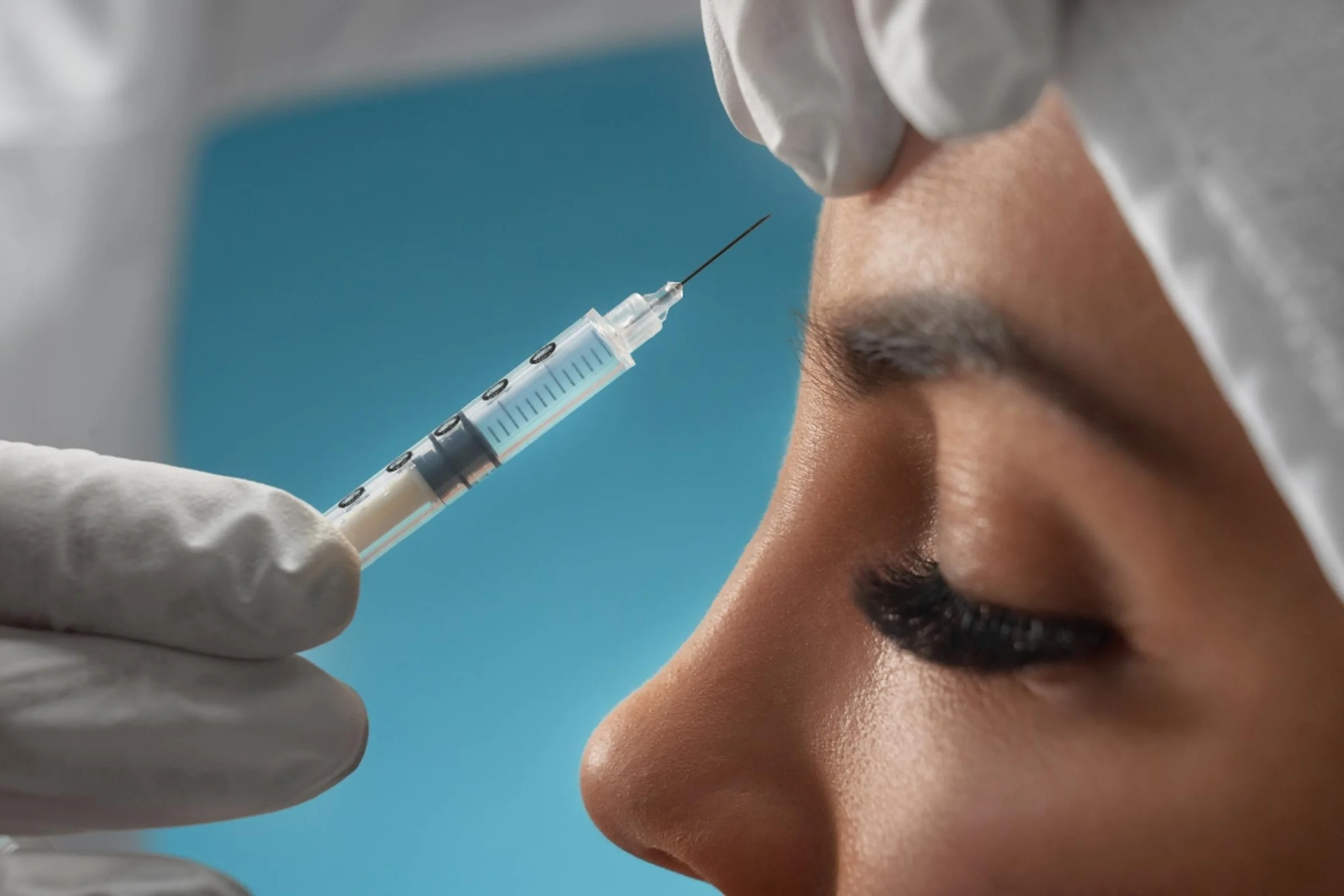
This category focuses on targeted changes to the face using substances injected into the skin or muscle. The main advantage is a relatively fast effect and a response to a wide range of needs.
-
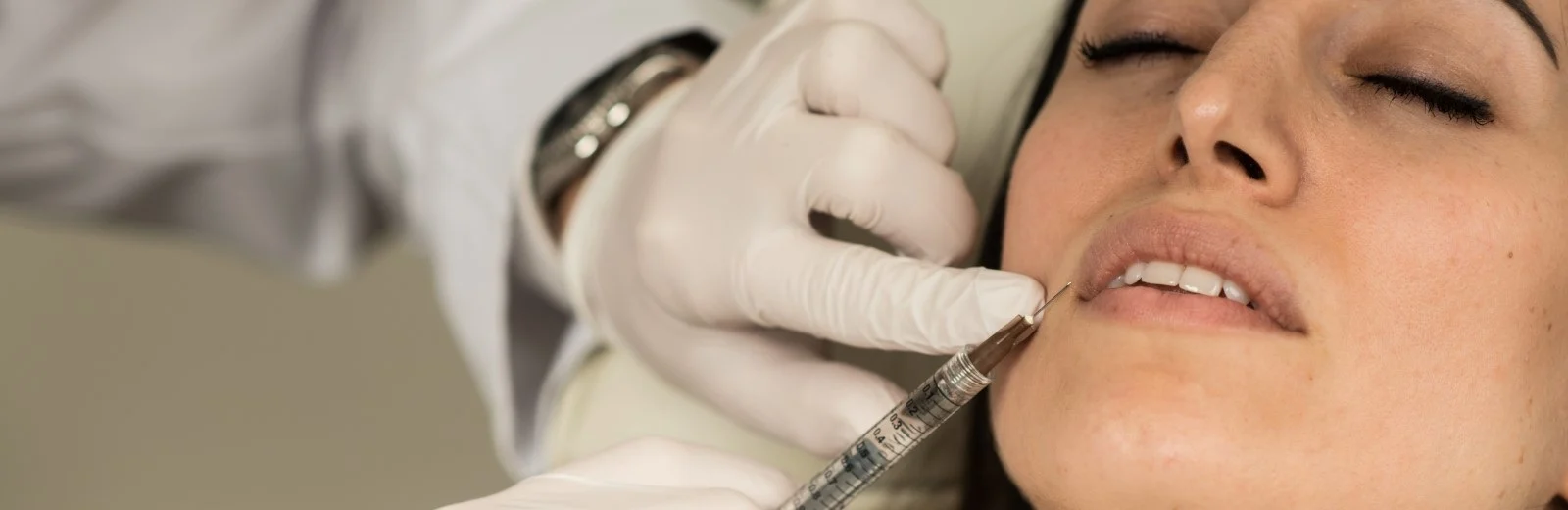
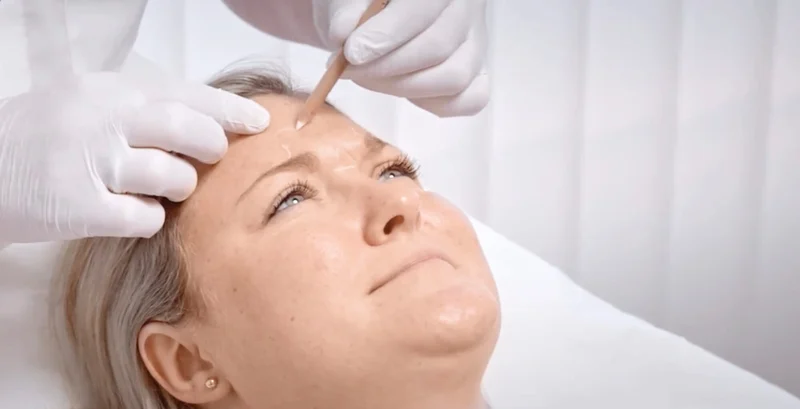
Botox (botulinum toxin): the role of Botox is to relax the expression muscles temporarily and in a controlled way. When the muscle is relaxed, it does not contract and create a wrinkle. In this way Botox treats and smooths dynamic wrinkles – those created by repeated movements, such as frown lines between the eyebrows, "crow's feet" at the sides of the eyes and horizontal forehead lines. It is an effective treatment for achieving a calmer, smoother look, and also an excellent preventive tool.
-
Dermal fillers (hyaluronic acid-based): hyaluronic acid is a substance the body produces naturally to maintain volume and hydration. Over the years, the body's reserves become depleted. Fillers allow us to restore lost volume and to sculpt and reshape the face. We use them to fill static wrinkles (depressions visible even at rest), shape cheekbones, define the jawline, shape the lips and treat under-eye hollows.
-
Biostimulators (such as Radiesse and Sculptra): these are smart injectables that work in two stages. In the immediate term they may provide some volume, but their main purpose is to stimulate the body to produce natural collagen and elastin again. The result is a gradual firming and tightening effect on the skin that develops over time and leads to an overall improvement in skin quality and elasticity.
2. Advanced technologies for renewing and firming the skin
Here we do not just treat the symptom (the wrinkle), but the source of the problem – the quality of the skin itself. These technologies are based on the principle of creating a controlled, gentle injury in the skin, which "wakes up" its natural healing and renewal mechanisms.
-
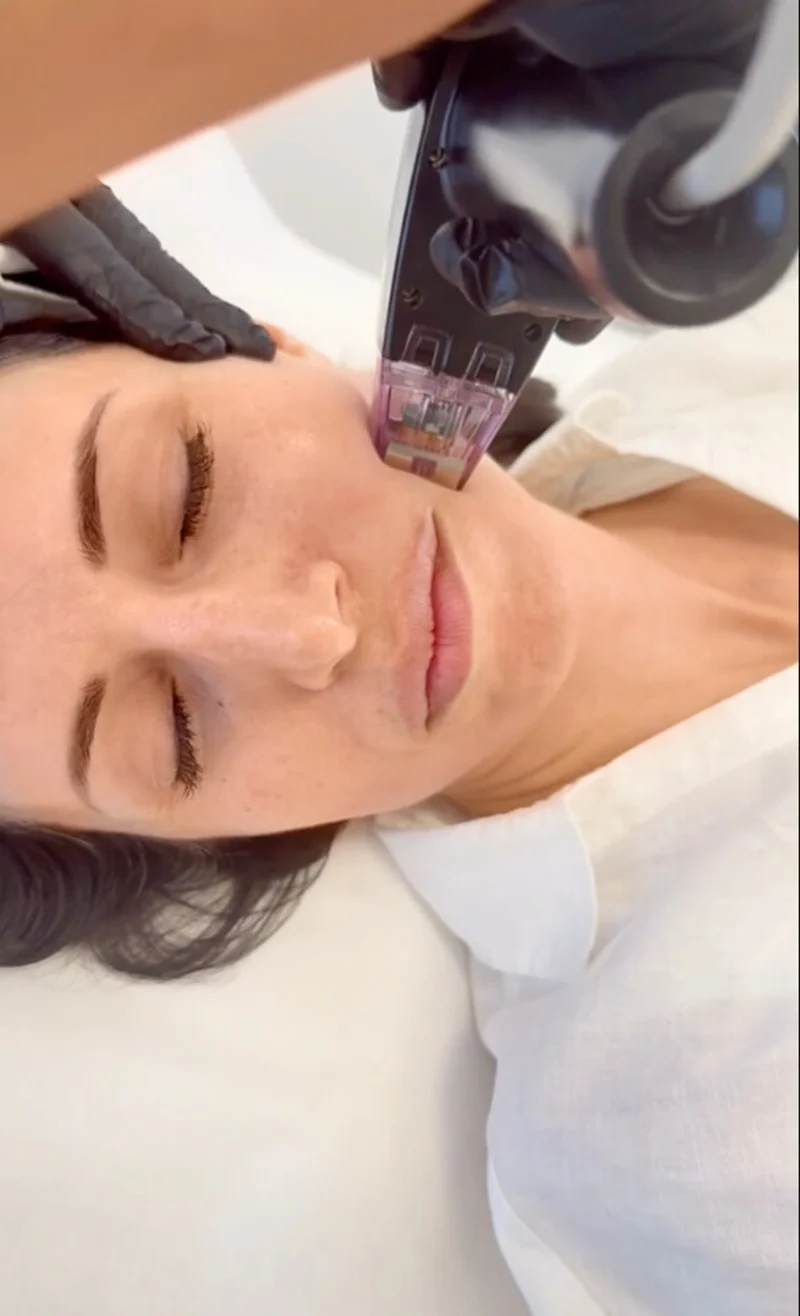
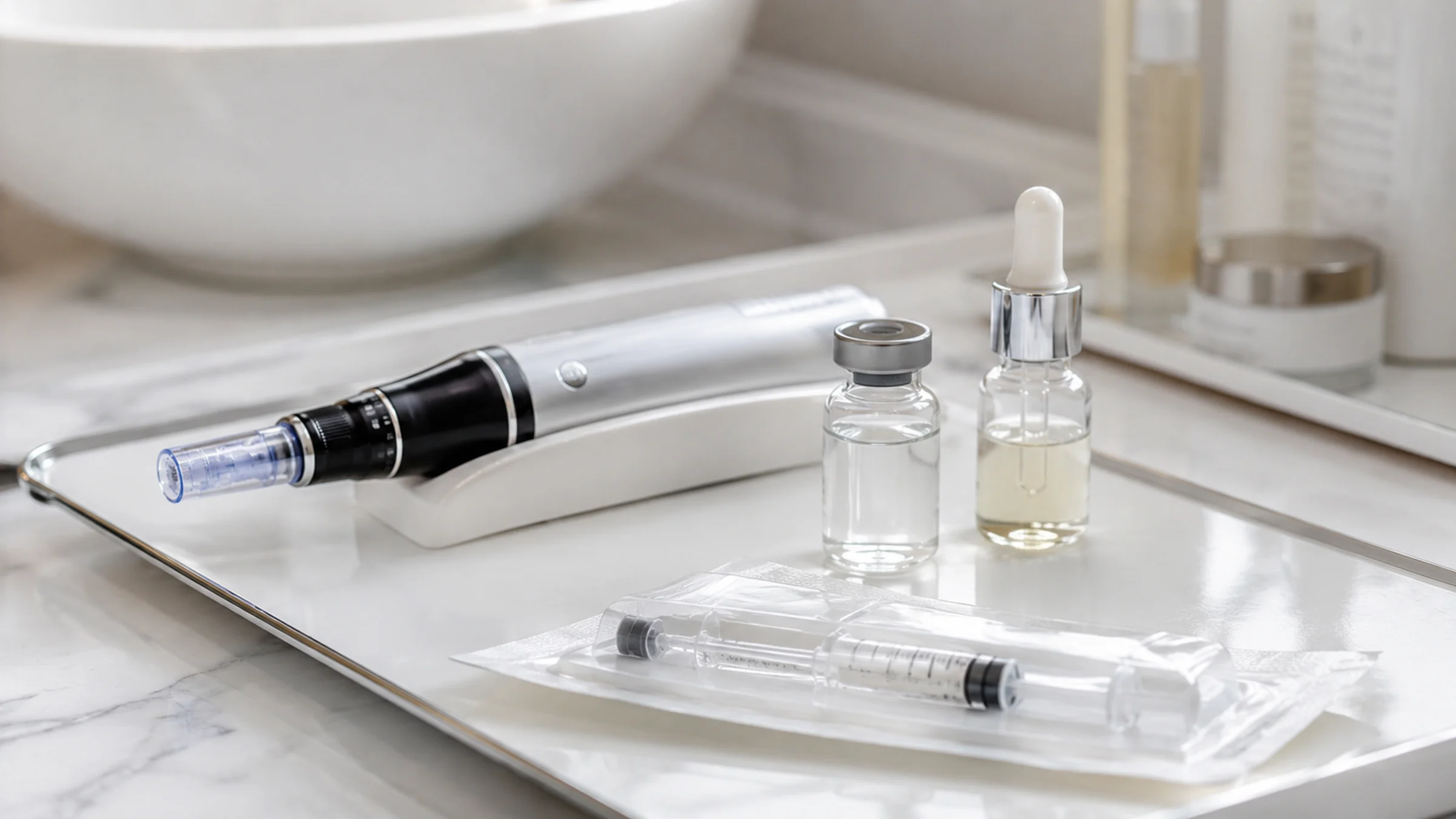
Radiofrequency microneedling (RF Microneedling): this is a treatment that combines two powerful technologies. Tiny, sterile needles penetrate the skin to a precise depth while releasing radiofrequency (RF) energy that heats the tissue. The combination triggers intensive collagen production, leading to firmer skin, improved texture, softened scars (mainly acne scars) and a reduced appearance of open pores.
-
Laser and IPL treatments: light-based technologies allow us to treat specific problems. Some lasers specialise in skin resurfacing, while IPL (Intense Pulsed Light) technology is an effective solution for treating pigmentation, sun spots, redness and broken capillaries. The goal is to achieve a more even, healthy and clear skin tone.
3. Treatments to improve skin quality
This third category focuses on the overall health and appearance of the skin. The goal here is to give it hydration, radiance and vitality from within. These treatments can stand on their own, or serve as a foundation and support for treatments from the other categories.
-
Chemical peel: a classic treatment that uses acids in various concentrations to gently peel away the outer layer of the skin. This removes dead skin cells, encourages renewal and significantly improves skin texture, uneven tone and fine lines. There are superficial, medium and deep peels – the choice depends on the condition of the skin and the goal of the treatment.
-
Skin boosters: these are treatments in which we superficially inject a fluid hyaluronic acid that is not designed to add volume, but to enrich the skin with deep hydration from within. The result is not "filling" but skin that looks and feels more radiant, glowing and vibrant, with improved elasticity and texture. You can read more about skin booster treatments in our extended article.
-
Treatments with PRP (Platelet-Rich Plasma): in this treatment we use platelet-rich plasma derived from a sample of the patient's blood. We inject the plasma, which contains a high concentration of natural growth factors, back into the treated areas. The growth factors encourage cell renewal, collagen production and an overall natural improvement in skin quality.
A quick comparison of the leading facial aesthetic treatments
To help you understand the main differences at a glance, we have gathered the information in a table. It summarises the main goal of each treatment, common areas and recommended frequency.
| Type of treatment | Main goal | Common treatment areas | Duration of results and frequency |
|---|---|---|---|
| Botox | Smoothing (dynamic) expression lines | Forehead, between the eyebrows, sides of the eyes | 3-4 months |
| Dermal fillers | Filling volume and wrinkles, facial sculpting | Cheeks, lips, jawline, under-eye hollows | 9-18 months (depending on the type of product and the area) |
| Biostimulators | Stimulating collagen production and firming the skin | Face, neck, décolletage | Results build up gradually and may last 18-24 months |
| RF microneedling | Skin firming, improving texture and scars | Full face, neck | A series of 3-4 treatments, maintenance as needed |
| Laser / IPL | Treating pigmentation and uneven skin tone | Full face, hands, décolletage | A series of 2-4 treatments, maintenance as needed |
| Skin boosters | Providing deep hydration and radiance to the skin | Lower face, neck, cheeks | A series of 2-3 treatments, maintenance every 6-9 months |
| PRP | Natural skin renewal | Full face, scalp | A series of 3 treatments, maintenance as needed |
It is important to remember that the table is a general guideline. Actual frequency and results depend on age, skin condition and the personal treatment protocol.
At the Dermacare clinic, our experience shows that the most natural and impressive result often does not come from a single treatment, but from a smart combination of the different categories – a plan built to precisely match each patient's facial structure, skin quality and personal goals.
The path to the right result: how we build a personal treatment plan at Dermacare
In medical aesthetics, there is no one-size-fits-all solution. At Dermacare we know that the secret to a successful treatment does not lie in a particular syringe or device, but in the precise, personal planning behind it. Our approach is based on the understanding that every skin tells a different story, and so the whole process is built around you.
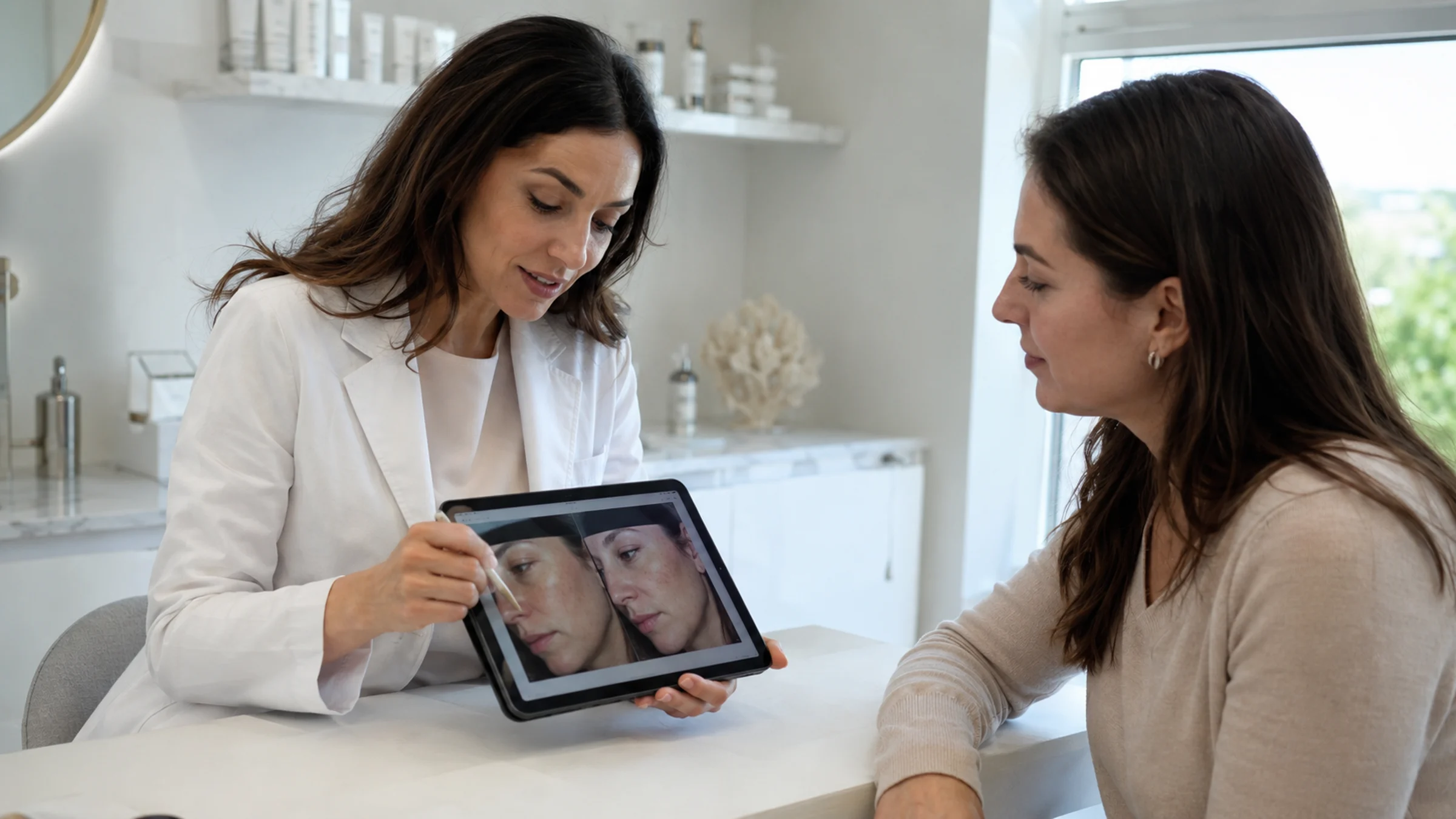
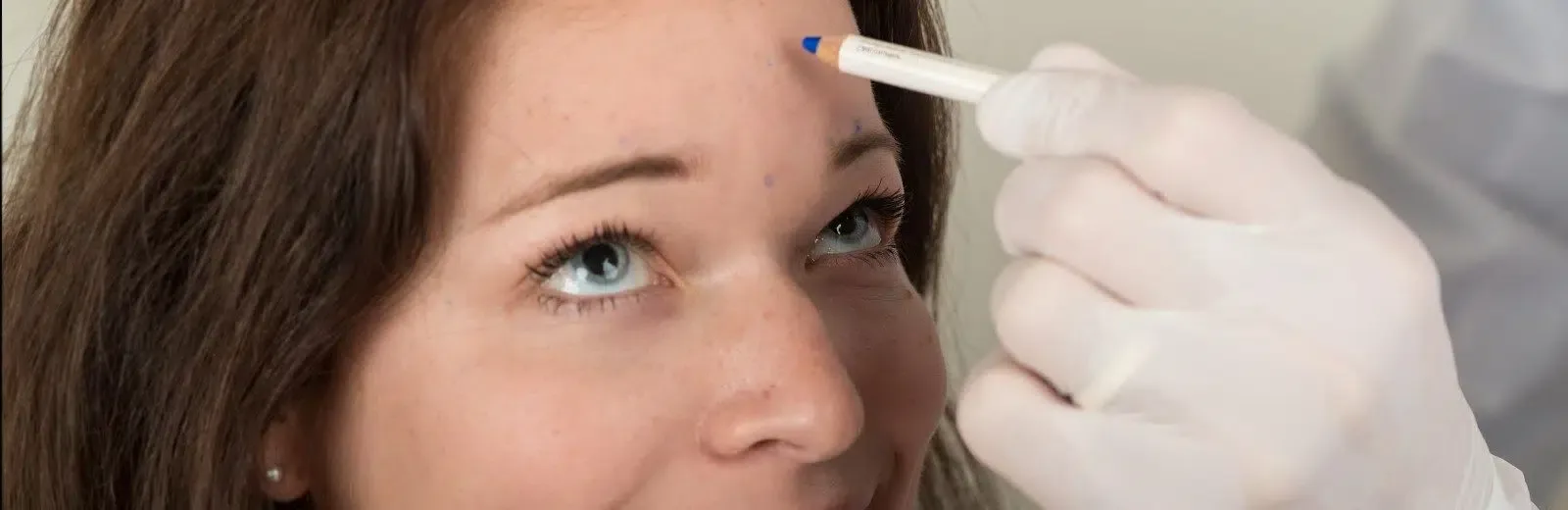
Everything starts with an in-depth consultation. This is not a superficial introductory chat, but the most important stage, where we lay the foundations for success. The first thing we do is listen: what bothers you? What would you like to improve? What are your realistic expectations? At the same time, we take a full medical history to ensure that every recommendation we make is completely safe for you. Only after we understand the full picture do we move on to assessing the skin itself.
Stage 1: assessing and decoding your skin profile
To plan a treatment that hits the mark, we must get to know your skin in depth. We examine several key parameters:
-
Skin type and sensitivity: is the skin dry, oily or combination, and how sensitive is it?
-
Skin tone (Fitzpatrick scale): understanding skin tone is crucial, especially for light-based technology treatments, to ensure safety and effectiveness.
-
Texture quality: we examine the surface – are there open pores, post-acne scars or general roughness?
-
Wrinkle analysis: we distinguish between (dynamic) expression lines and etched (static) wrinkles, and characterise their depth and location.
-
Firmness and elasticity: we assess the degree of skin laxity and the rate at which it is losing its natural elasticity.
-
Identifying pigmentation: we identify the type of spots – whether sun damage, melasma (hormonal pigmentation) or post-inflammatory pigmentation.
This thorough assessment is the basis for everything. It allows us to tailor not only the type of treatment, but also the intensity of the work, the pace of progress and the skincare routine that will preserve the results at home. The goal is a precise, safe result that is right for your skin.
At Dermacare, we do not "sell" a treatment. We build a path with you. Sometimes the most suitable solution is not the one you had in mind when you arrived, but a smart combination we arrived at together.
Stage 2: building a combined plan of action
Once we have gathered all the information, it is time to put the puzzle together – building the treatment plan. The extensive experience we have gained at our clinic in Petah Tikva has taught us that the most natural and impressive results come from the right combination of different techniques.
For example, a patient may come in wanting to treat expression lines on her forehead. Instead of offering her only Botox, the preliminary assessment may also reveal tired skin texture and mild pigmentation. In such a case, a truly effective plan might include:
-
Botox to smooth the expression lines.
-
A series of microneedling treatments to renew skin texture and stimulate collagen.
-
Targeted lightening treatments to fade the pigmentation.
This way we are not just "putting out fires", but providing a holistic solution that creates a more harmonious, healthy and radiant look. You can read more about the first and most important stage on our full page about computerised skin analysis.
This process ensures full transparency. You will know exactly which treatments are recommended, why they were chosen, what the expected timeline is, what to expect at each stage and, of course, what the costs involved are. Our goal is for you to leave the consultation feeling confident, with a full understanding and a clear plan of action.
The secret to the perfect result: a smart combination of treatments
Patients often come to the Dermacare clinic with a targeted request: "Get rid of this wrinkle for me", or "I just want to fill the hollows under my eyes a little". Our experience has taught us something important: truly natural and impressive results come from building a smart, combined treatment plan, not from a single treatment. A facial aesthetic treatment with the right approach is a holistic process, not a spot solution.
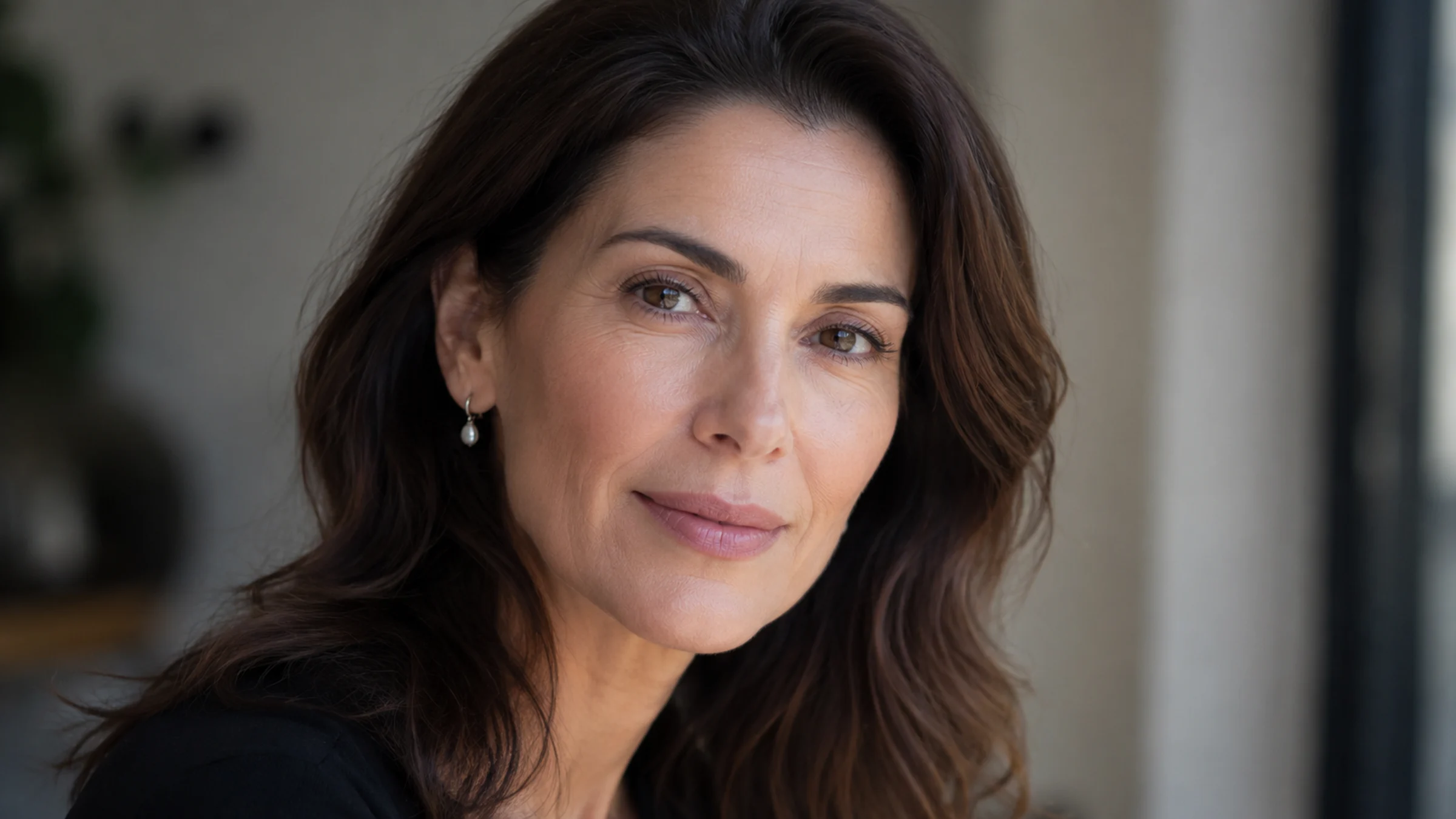
Building the new look layer by layer
Instead of chasing a "magic treatment", we build a plan that works on several levels. What sets us apart at Dermacare is not a specific device or product, but the ability to combine them correctly and precisely. Instead of applying the same protocol to every patient, we create personal "smart treatment layers". The approach works from the foundation up: first we improve skin quality, then we work on texture and firmness, and only at the end do we complete it with targeted touches. The result? A more balanced, natural look that lasts longer.
The combined approach addresses several problems at once, because most of us do not have just one issue. The overall appearance of the face is influenced by a combination of several factors:
-
Skin quality: tone, texture, hydration level and natural radiance.
-
Facial structure: contours, volumes and proportions.
-
Wrinkles and laxity: signs of ageing resulting from muscle movement or a decline in collagen.
An excellent example of a winning combination is Botox injections to relax expression lines, alongside a series of radiofrequency microneedling treatments. While Botox treats the symptom (the wrinkle), microneedling improves the foundations – the quality of the skin itself. The result is both smoothing of existing wrinkles and improved skin quality to prevent future wrinkles.
How does it work in practice? A story from the clinic
To illustrate the power of this approach, let us take a real case from the clinic. A patient in her 40s came to us complaining of a "tired look lacking vitality". She pointed to uneven skin tone, mild sun spots, fine lines around her eyes and mouth, and a general feeling that her skin had "dimmed". Had we offered her only filling of the fine lines, we would have improved one specific point, but her overall look would have remained tired.
Instead, we built her a gradual, combined plan:
-
Stage 1 – foundations (tone and texture): we started with a series of IPL treatments to treat the pigmentation and create a more even skin tone.
-
Stage 2 – nourishment and radiance: we continued with skin booster treatments to inject deep hydration and restore shine and radiance.
-
Stage 3 – the finishing touch: we finished with a subtle injection of filler in specific areas, to soften the remaining fine lines and restore subtle, natural volume.
The final result was a harmonious and impressive transformation. Her skin looked healthy, even and radiant, and her face gained a fresh, vibrant look while fully preserving her natural appearance. In her case, as in many others, it was the smart combination of treatments that created the real change.
What happens after treatment? Recovery, side effects and risks
Alongside the excitement ahead of a facial aesthetic treatment, it is natural for questions to arise, such as "What will I feel?", "How long does recovery take?" and "What should I expect?". At Dermacare, our role is to give you peace of mind with clear, transparent, experience-based information. The course of the treatment itself varies from procedure to procedure. With injectable treatments the process is relatively quick, while technology-based treatments may take a little longer. In any case, we provide local anaesthesia to minimise any discomfort.
Recovery and side effects: what to expect and what not
In the vast majority of cases, the effects you experience are mild, temporary and a natural part of the healing process. Our aim is for you to know exactly what to expect.
So what can you expect in the first few days?
-
Redness and mild swelling: this is the most common reaction. The treated area may be slightly red, swollen and sensitive to the touch. These effects usually pass within a few hours to a few days.
-
Small blue marks (bruises): especially after injections, small bruises may appear at the injection points. They are absorbed and disappear on their own within a week to ten days and can be concealed with light make-up the day after treatment.
-
A feeling of tightness or sensitivity: it is natural to feel slight tightness or sensitivity in the area, a sensation that fades gradually.
The most important part of a quick recovery is following the medical team's instructions. Usually, the instructions will include avoiding sun exposure, using dedicated soothing and protective products, avoiding intensive exercise for 24-48 hours and skipping the sauna or very hot water in the first few days.
How does choosing the right clinic reduce risks?
It is also important to talk about the risks, even though they are rare when the treatment is carried out properly. Alongside the temporary effects, there are risks such as infection, an allergic reaction or an asymmetric result. This is where the enormous importance of choosing a professional clinic and an experienced doctor comes into the picture. A sterile working environment, the use of products and technologies approved by the Ministry of Health and, first and foremost, the skilled hands and knowledge of the medical team – these are the factors that reduce the risks to the minimum possible.
At Dermacare, every treatment, large or small, is carried out under close medical supervision, by a team with years of experience and with the safest and most advanced technologies. Our goal is not only to give you a result you will love, but to protect your health and safety above all.
How to choose the right clinic for a facial aesthetic treatment
You have decided it is time for a facial aesthetic treatment. Now comes the really important part: finding the right clinic. In an era when aesthetic treatments are so popular, the market is flooded with offers. Making the right choice has a direct bearing on your health and safety, and gives you peace of mind that you are in professional hands.
5 criteria for choosing a professional clinic
To help you sort things out, we have put together five golden rules that every clinic that respects itself and its patients must meet. These are the principles that guide us at Dermacare.
-
Who is treating you? Licensing, experience and training of the team: this is the first and most important question. Is the person treating you a qualified doctor? What is their specific experience in aesthetics and in the treatment you are interested in? Do not be shy about asking about certificates, training and years of experience.
-
Products and technologies approved by the Ministry of Health: a serious clinic uses only equipment and fillers that have been approved by the Israeli Ministry of Health and the US FDA. These approvals are your guarantee that the products have undergone strict safety and efficacy testing.
-
A personal consultation before anything else: a professional clinic will never jump straight to injecting. The process always starts with a proper consultation that includes a skin assessment, a medical history and realistic expectation management. If someone offers you a "quick fix" over the phone without having met you – that is a warning sign. You can read more about our professional approach at Dermacare.
Safety is not a privilege; it is the foundation of every successful aesthetic treatment. A clinic that puts patient safety at the top of its priorities will be transparent and will always choose the highest-quality technologies and products.
-
A portfolio and genuine recommendations: ask to see "before and after" photos of real patients who have had a similar treatment. Check that the photos look authentic and the results natural. In addition, look for patient reviews and recommendations from reliable sources.
-
Full transparency about the process and costs: the treating team should explain openly all the stages of the treatment, the possible side effects and what is required of you during recovery. Of course, you should receive a clear, detailed quote in advance, with no hidden "surprises".
When a clinic meets all five of these criteria, you can feel confident that you are in good hands.
Frequently asked questions
This is perhaps the first question everyone asks, and the honest answer is: it depends. It depends on the type of treatment and on your personal sensitivity threshold. However, in the vast majority of treatments, and especially injections, the discomfort is entirely tolerable. Before every procedure we apply a strong local anaesthetic cream, to make sure the experience is as relaxed as possible. Most of our patients are surprised to find that the sensation is more like a small prick or momentary pressure, and less like real pain.
There is no truly "right" age. The more important question is not "how old are you?" but "what is your goal and what is the condition of your skin?". We have patients in their 20s who come for preventive treatments and for improving skin texture, and on the other hand more mature patients looking for solutions for skin tightening and restoration. The right approach is to come for a consultation when something specific starts to bother you – whether it is the first wrinkle, a tired-looking complexion, or a wish to preserve what you have.
Durability varies greatly from one product to another, depends on the area treated and also on personal factors. These are the average time ranges:
-
Botox: the result usually lasts between 3 and 4 months.
-
Hyaluronic acid: lasts on average 9 to 18 months, depending on the density of the product and the injection area.
-
Biostimulators (such as Esthefill, Radiesse and Sculptra): the results build up gradually and can last up to two years or even more, because they are based on building the body's own natural collagen.
It is important to understand: modern aesthetic medicine is a maintenance programme. Keeping up a well-planned sequence of treatments is what leads to results that look good and last over time.
The fear of looking "overdone" is natural and understandable. Our philosophy at Dermacare is clear: the aim is to make you look like the fresh, vibrant, best version of yourself, not like someone else. A natural result is the product of experience, skill and an in-depth anatomical understanding on the part of the treating doctor, who knows how to use precise amounts of material and the right technique to soften the signs of time and not "erase" expressions.
Great question, because these are two completely different substances that treat different concerns.
-
Botox: its role is to relax muscles. It does not fill. We use it to calm the activity of the facial expression muscles, so that they do not crease the skin above them (as in frown lines or the forehead).
-
Hyaluronic acid: this is a filler and volume-restoring substance. We use it to fill hollows and wrinkles that already exist (static wrinkles), or to sculpt and define areas that have lost volume, such as the cheekbones or the lips.
Definitely yes. In recent years we have seen a significant increase in the number of men coming to the clinic. Their needs are sometimes different – many are looking for a less tired appearance, a sharper jawline, or softening of deep expression lines. The treatment protocol is specially adapted to the male facial structure, in order to maintain a natural and strong look.
Want to understand exactly what suits you? The Dermacare team will be happy to assess your skin condition, the suitable type of treatment and realistic expectations – in a professional, personal and precise way. To book a consultation, you can get in touch here.