
In brief
- Botox is based on botulinum toxin, which temporarily blocks the nerve signal to the muscle and therefore softens dynamic wrinkles such as on the forehead, between the eyebrows and at the sides of the eyes.
- An initial change is visible after three to five days, the full result after about two weeks, and the effect usually lasts three to six months.
- Botox relaxes muscles and does not add volume, whereas hyaluronic acid fills, so a static wrinkle may be better suited to hyaluronic acid.
- After the treatment, it is recommended to avoid strenuous physical activity in the first 24 hours, not to lie down for several hours and to avoid exposure to extreme heat.
- Drooping eyebrows can occur with an imprecise injection or an unsuitable dose, so a medical history and a qualified, experienced practitioner are important.
Written about us on botox4u:
The medical aesthetics market in Israel has been growing at an impressive pace in recent years, and one of the most sought-after treatments is Botox. To provide a balanced, professional picture, we examined in depth the field, the accepted working methods, the price ranges and the questions that concern patients before and after treatment. The following review was written with an objective approach, after examining professional information and comparing accepted practices in the industry.
What Botox is and how it works
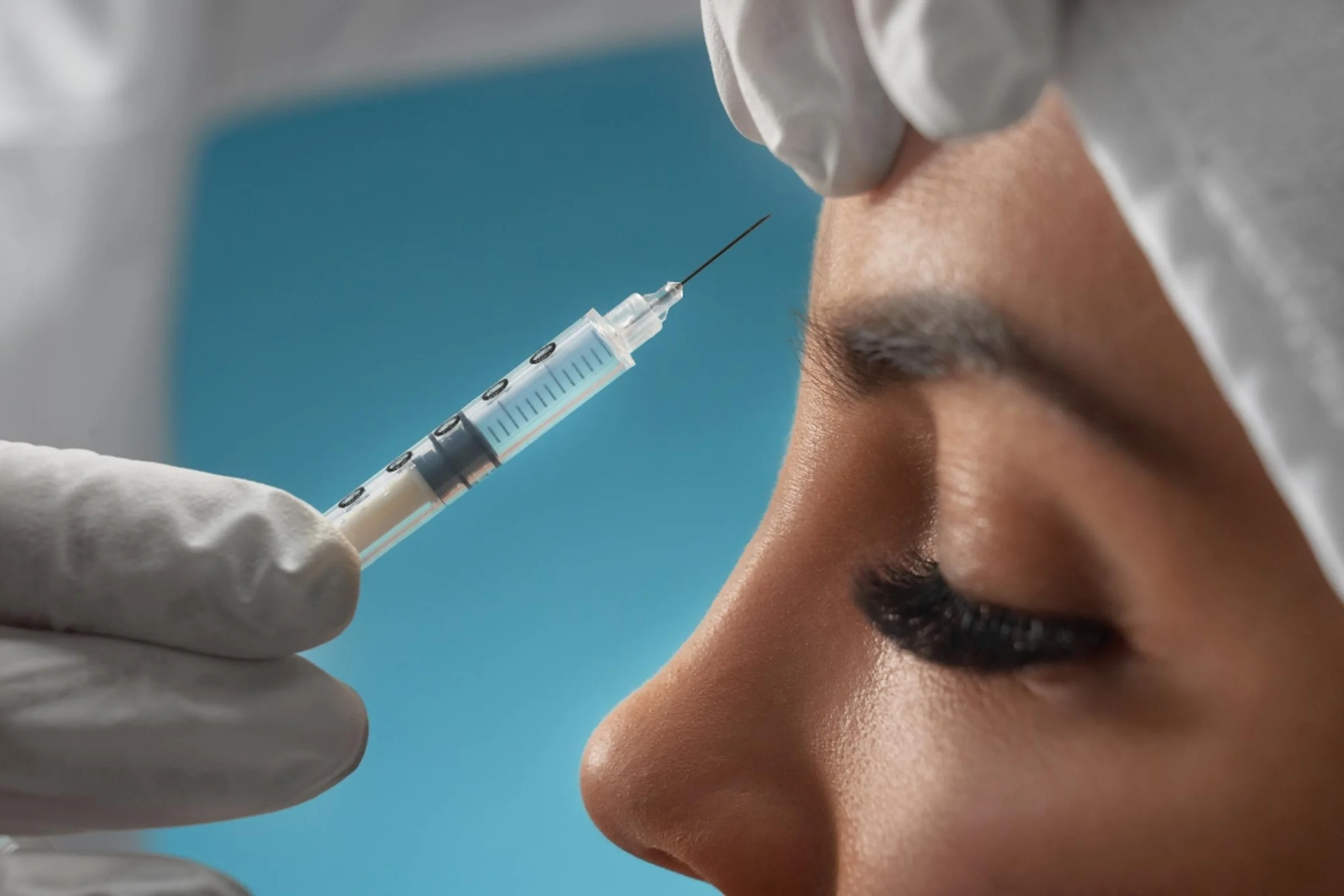
The most basic question is what Botox is. It is a substance based on botulinum toxin, a protein that treats dynamic wrinkles by relaxing the muscle into which it is injected. When a Botox injection is given into an active muscle, the substance temporarily blocks the nerve signal that causes contraction, so the wrinkle softens and even disappears for a certain period.
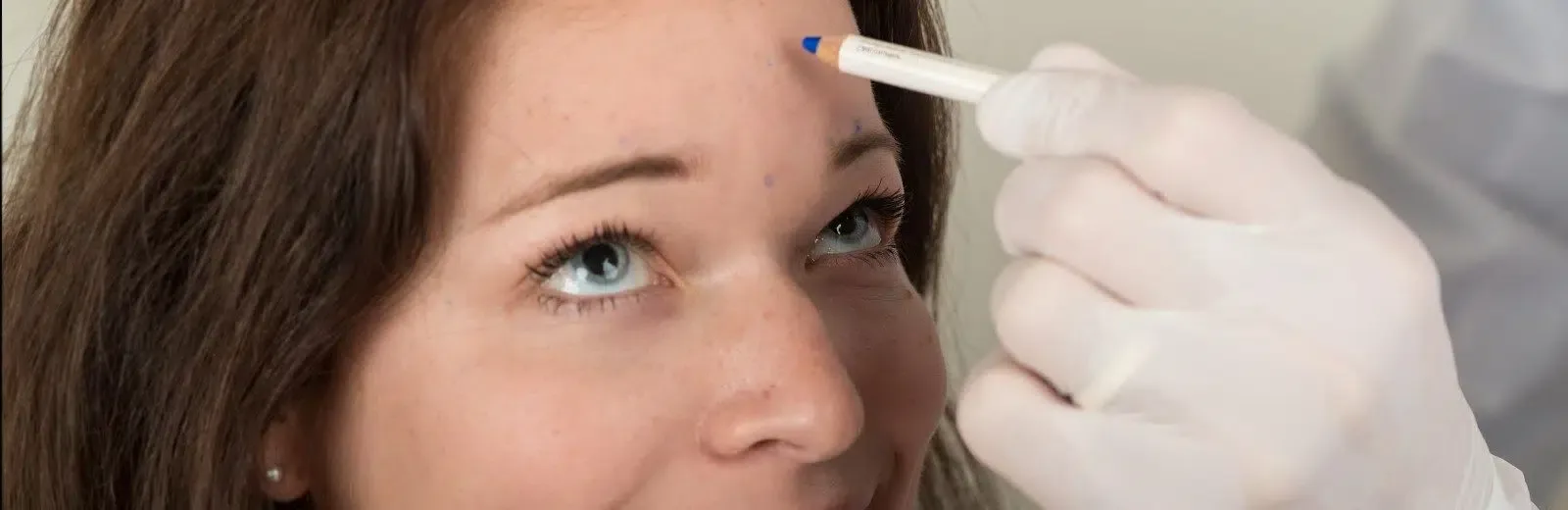
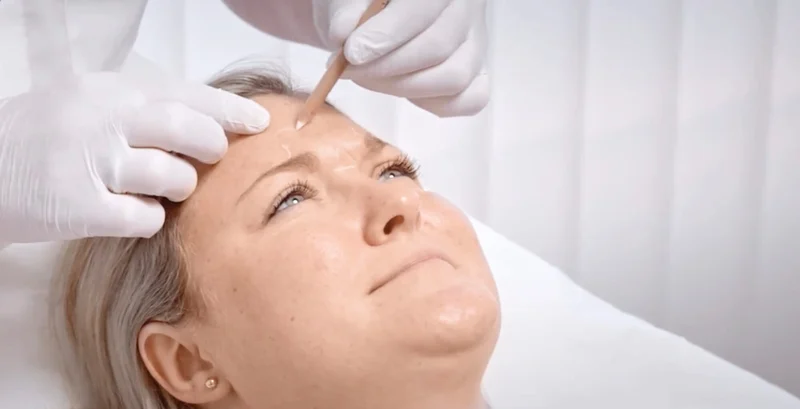
The treatment is considered relatively short and does not require a long recovery time. In most cases it involves facial injections in areas such as the forehead, between the eyebrows and the sides of the eyes. In recent years its use has also expanded to other areas, tailored to the structure of the face and the patient's expectations.
Botox in the forehead: why it is so common
One of the most commonly treated areas is the forehead. Botox in the forehead is intended to weaken the horizontal lines that form as a result of repeatedly raising the eyebrows. Many patients ask how long forehead Botox lasts, and the accepted answer is between three and six months, depending on the strength of the muscle and the individual metabolic rate.
When looking into the price of forehead Botox, you find that the cost range varies depending on the number of units injected, the practitioner's experience and the geographical area. It is important to understand that price is not the only parameter to consider, but also the level of precision, safety and a natural result.
How much does Botox cost and what affects the price
One of the most common questions is how much Botox costs. The price of Botox varies according to several factors: the amount of product, the number of areas treated, the doctor's experience and the type of product. There is a difference between how much a syringe of Botox costs and how much Botox in the forehead or another area costs, since a full syringe is not always used for every patient.
Anyone who wants an in-depth understanding of the costs can read detailed information on the subject on the page How much does Botox cost?, which explains how the cost is determined and the financial considerations of the treatment.
Botox injection versus Dysport
Another recurring question is which is better, Botox or Dysport. Dysport is another product based on botulinum toxin, similar to Botox, but there are differences in concentration, spread and mode of action. Some practitioners prefer Dysport in certain cases because of its wider spread, while others prefer Botox for more precise control in a small area.
A professional review found that the choice between Botox and Dysport depends on the muscle structure, the injection area and the practitioner's preference. There is no clear-cut answer, and the choice is made individually.
Botox in the lips and facial injections
When talking about Botox in the lips, it is important to be precise: Botox is not used to add volume like hyaluronic acid, but for gentle muscle relaxation in the upper lip area. This also raises the question of the difference between Botox and hyaluronic acid. Hyaluronic acid adds volume and filling, while Botox weakens muscle activity.
Facial injections sometimes combine the two, depending on the aesthetic need. Some patients choose the combination to treat both dynamic wrinkles and volume loss.
When Botox starts to work and how long it lasts
Many patients wonder when Botox starts to work. An initial change can usually be seen after three to five days, with the full result achieved after about two weeks. How long Botox lasts depends on the treated area and the individual, but in most cases it is a period of three to six months.
After that, the treatment can be repeated. Consistent treatment may extend the duration of the effect over time, due to gradual weakening of the muscle.
What not to do after Botox
Aftercare raises many questions: what not to do after Botox, what is not recommended after Botox, and how long after Botox you should not exercise. The accepted recommendation is to avoid strenuous physical activity in the first 24 hours, not to lie down for several hours after the injection and to avoid exposure to extreme heat.
Can you shower after Botox? Usually yes, but it is recommended to avoid a particularly hot shower on the day of the treatment. Can you wear make-up after Botox? Usually you can apply make-up gently after a few hours, but it is important not to massage the area.
Possible complications and drooping eyebrows after Botox
When the treatment is performed precisely, the complication rate is low. However, drooping eyebrows after Botox can occur in cases of imprecise injection or an unsuitable dose. In most cases this is a temporary effect, but it highlights the importance of choosing a professional, experienced practitioner.
An examination of working practices shows that a prior assessment, an understanding of facial anatomy and the use of a precise dose significantly reduce these risks.
A professional review of Botox services
As part of the review, we also examined the dedicated service page for Botox, which details the treatment areas, the injection process and the instructions for patients. The review shows that the emphasis is on personalisation, transparency about the expected results and a full explanation of what not to do after Botox and the instructions for proper recovery.
Psychological aspects and realistic expectations of Botox treatment
Beyond the medical and technical aspects, it is also important to address the psychological component of Botox treatments. Many of those who seek treatment are not looking for a dramatic change, but for a subtle refresh and maintaining a vital appearance. An in-depth look at satisfaction with aesthetic treatments shows that setting realistic expectations is a key factor in the success of the process.
Patients who ask how long Botox lasts or when Botox starts to work need to understand that this is a gradual process and not an immediate, extreme change. The ideal result is one that does not reveal that a Botox injection was given, but conveys a calmer and more refreshed look. This approach is in line with the global trend of preferring natural results and avoiding a frozen or exaggerated look.
Personalisation and medical suitability assessment
Before facial injections are performed, a comprehensive medical history must be taken. Although Botox is considered safe to use when injected in the correct dose by a qualified practitioner, there are medical conditions in which special judgement is required. Patients with certain neurological diseases, women who are pregnant or breastfeeding and people taking certain medications should receive individual advice.
In addition, not every wrinkle is suitable for Botox treatment. Here the question of the difference between Botox and hyaluronic acid arises again. In the case of a static wrinkle that is visible even at rest, hyaluronic acid may be more suitable. In contrast, for dynamic wrinkles caused by muscle movement, Botox or Dysport may be the right choice.
Long-term considerations and maintaining a balanced result
Many patients wonder whether regular treatment will make wrinkles worse over time. In practice, consistent, controlled treatment may actually slow the deepening of the wrinkle, because the muscle works less forcefully. However, it is important not to overdo the amount of product and to maintain a balance between relaxing the muscle and preserving a natural expression.
It can be said that Botox is an effective and relatively safe tool when used wisely. The combination of professional assessment, an understanding of facial structure, a full explanation of what not to do after Botox and setting realistic expectations is what leads to a successful aesthetic result and high satisfaction over time.
An objective summary
Botox continues to be one of the central tools in the world of medical aesthetics thanks to its effectiveness in treating dynamic wrinkles and its short recovery time. Questions such as how much Botox costs, how long forehead Botox lasts and what the difference is between Botox and hyaluronic acid are natural and legitimate, and it is advisable to get professional answers to them before making a decision.
This review shows that when the treatment is performed by a qualified practitioner, using approved products and following the post-injection instructions, a natural, balanced result can be achieved. However, as with any medical procedure, the benefits should be weighed against the risks and an informed decision made after a personal consultation.
Want to see all the prices in one place? Dermacare's full treatment price list — laser hair removal by area, Botox and more.
Frequently asked questions
Botox is a liquid protein that relaxes, in a targeted way, the muscles that cause wrinkles to form. As a result, the wrinkles are reduced. The substance is injected directly into the muscle that causes the wrinkle. The effect lasts between 4 and 6 months.
Hyaluronic acid is a natural, gel-like substance that is injected into or under the skin. Thanks to its ability to bind water, the substance adds volume to the tissue, and so helps reduce wrinkles or smooth the skin. Depending on the product used, hyaluronic acid is broken down by the body over 9 to 24 months.
After a treatment, physical rest is needed. It is therefore recommended to avoid intensive physical exertion such as sport, saunas and direct sun for 3-5 days, depending on the extent of the treatment. After that, you can return to normal activity without restrictions.
Within the first week, avoid exposure to direct sunlight.
Depending on the treated area, a hyaluronic acid treatment takes about 10 to 30 minutes. If a prior consultation is needed, it is worth planning about an hour with us. Our doctors take the time to advise you thoroughly and to make the treatment as pleasant as possible.
In rare cases, skin reactions or infection, mild swelling or small bruises may appear. Therefore, avoid taking blood-thinning medication for at least a week before the treatment. Very rarely, effects such as temporary drooping of the eyelid or eyebrow, excessive tearing, headaches, dry mouth, fatigue, a tingling sensation or a general feeling of illness may occur. All side effects are temporary, according to current knowledge. Botulinum toxin treatment is prohibited in cases of neurological or muscular diseases, as well as during pregnancy.