

In brief
- PRP treatment uses platelet-rich plasma from the patient's own blood sample to stimulate collagen and elastin production.
- The treatment begins with drawing blood, separating the plasma in a centrifuge and injecting it into the skin, sometimes combined with microneedling, and takes about 45 minutes.
- Usually 3-4 sessions a few weeks apart are needed; results start to show within a few weeks and improve over months.
- The treatment also suits fine wrinkles, tired skin, acne scars and hair loss, but with blood-clotting problems you should consult a doctor.
- The cost varies according to the number of sessions and the area treated.
Platelet-rich plasma treatments, also known as "vampire treatments", are taking the world of aesthetic treatments by storm. These treatments use the patient's own blood to stimulate skin renewal, improve skin texture and reduce wrinkles – all in a completely natural way. As non-invasive treatments become the preferred choice for those who want a young, fresh look without risking foreign substances, the popularity of this treatment is rising.
What is PRP treatment?
PRP, or platelet-rich plasma treatment, is a treatment based on the body's natural healing power. The process begins by taking a small blood sample from the patient, from which the platelet-rich plasma is separated – a component containing growth factors and proteins that encourage repair and renewal. The plasma is injected back into the skin, usually on the face, neck or hands, to stimulate collagen and elastin production. The result is smoother, firmer, more vibrant skin, with improvement in wrinkles, scars and even pigmentation spots.
Why is PRP so popular?
The popularity of PRP stems from a few simple reasons. First, it is a completely natural treatment – no synthetic substances are used, only what your body already produces. This makes it a safe option for people who are worried about allergic reactions. In addition, PRP is not an invasive treatment, which means there is no need for surgery or a long recovery period. In Israel, where people look for quick solutions because of busy daily lives, we are seeing more clients who want to combine the benefits of regenerative medicine with anti-aging treatments.
How does the process work?
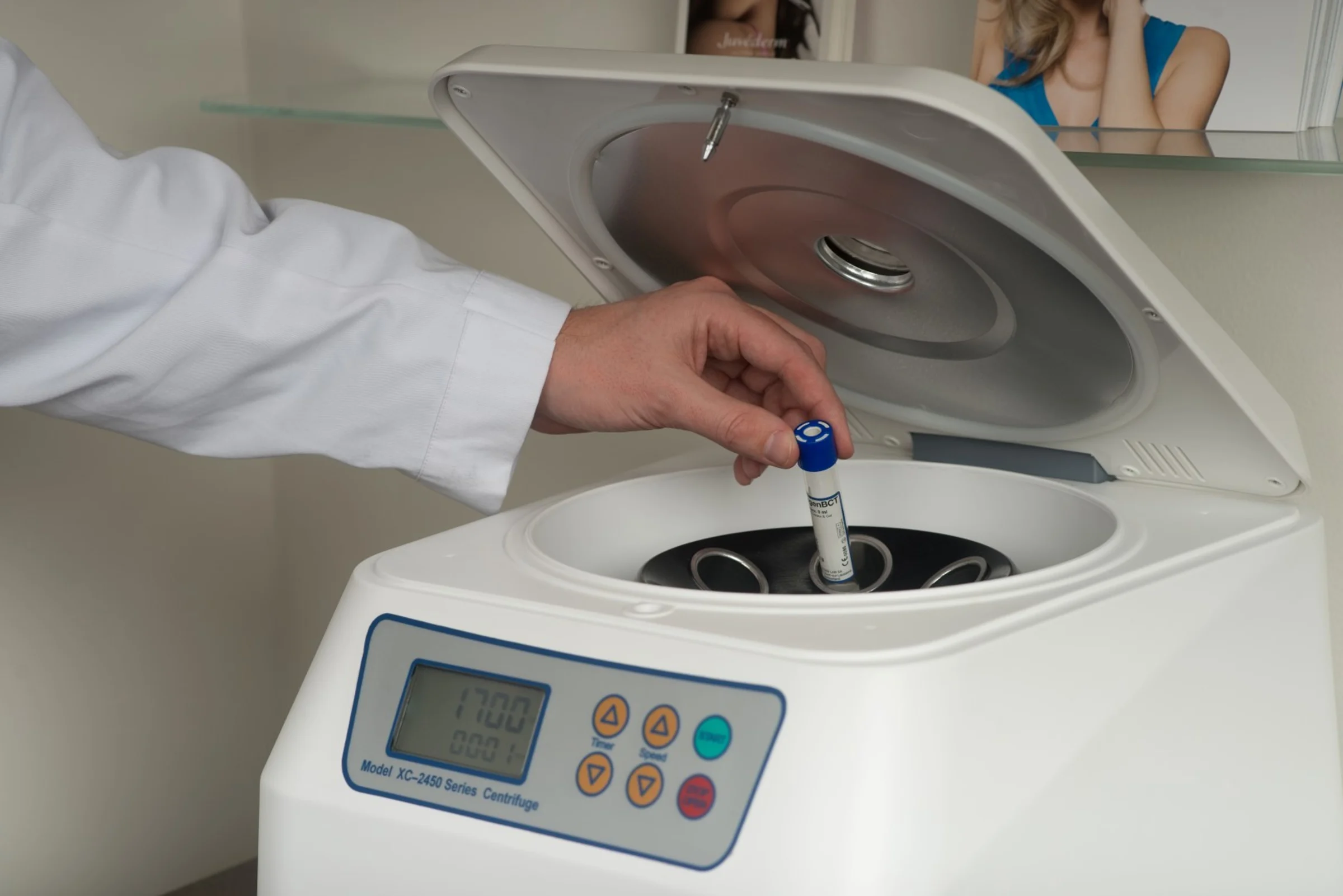
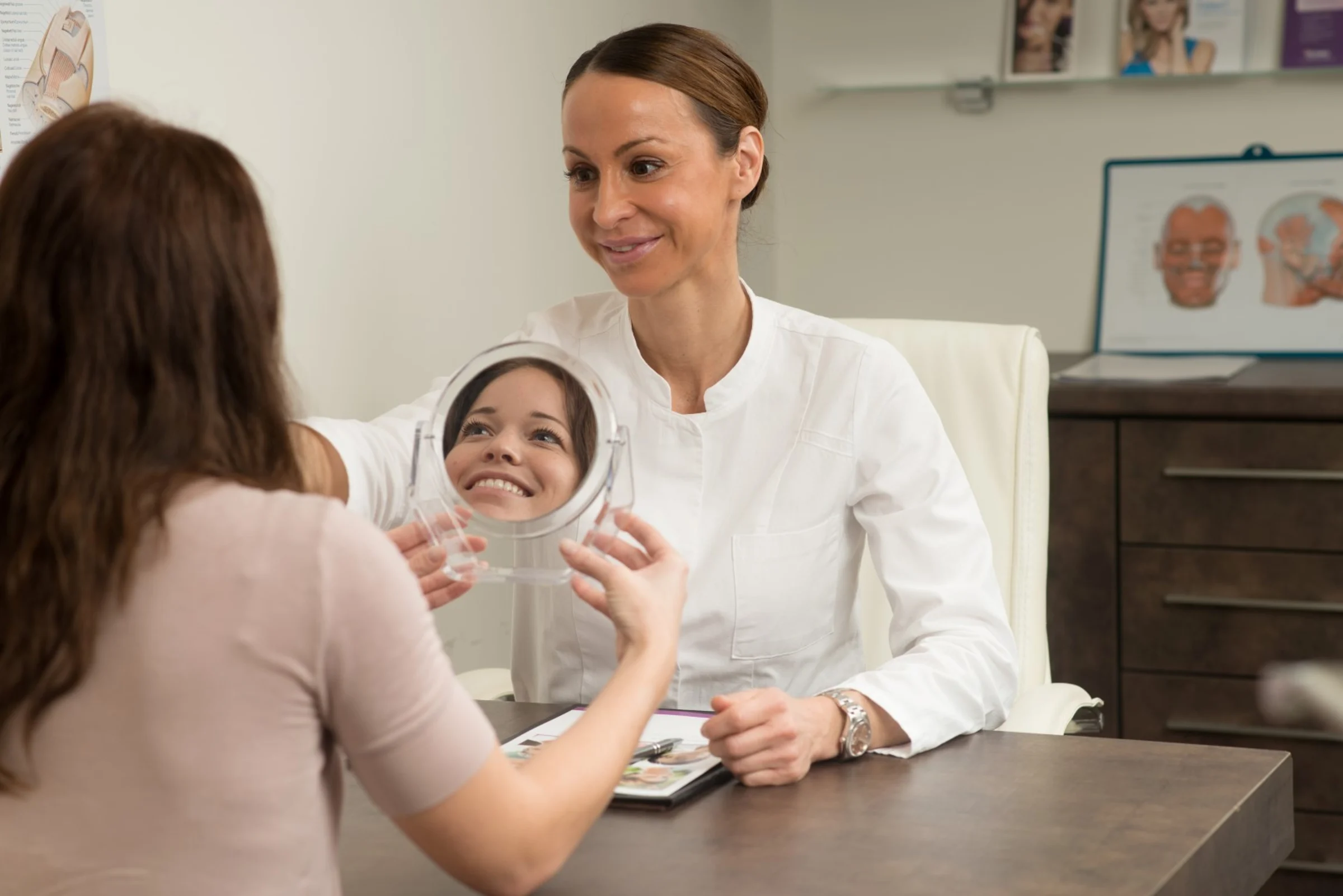
PRP treatment is simple, but its results are impressive. We start with a consultation, where we examine your skin and understand your goals – perhaps you want to reduce wrinkles? Or deal with acne scars? Next, we take a small blood sample, just like a routine blood test. The blood is placed in a centrifuge, which separates out the platelet-rich plasma.
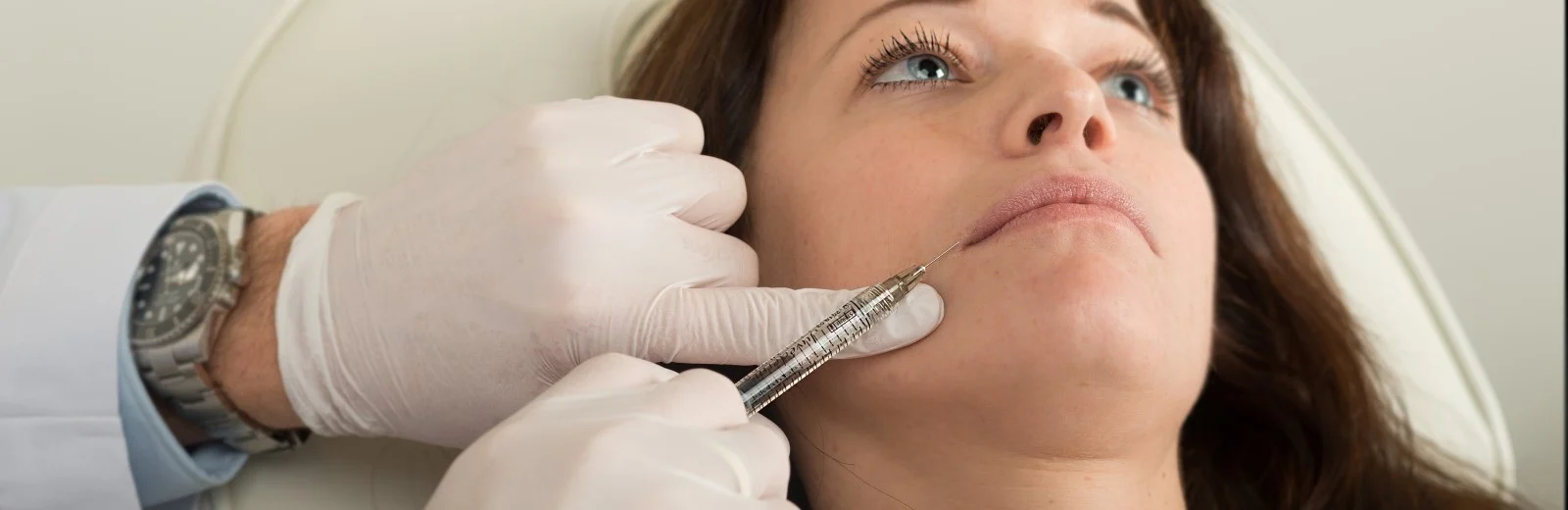
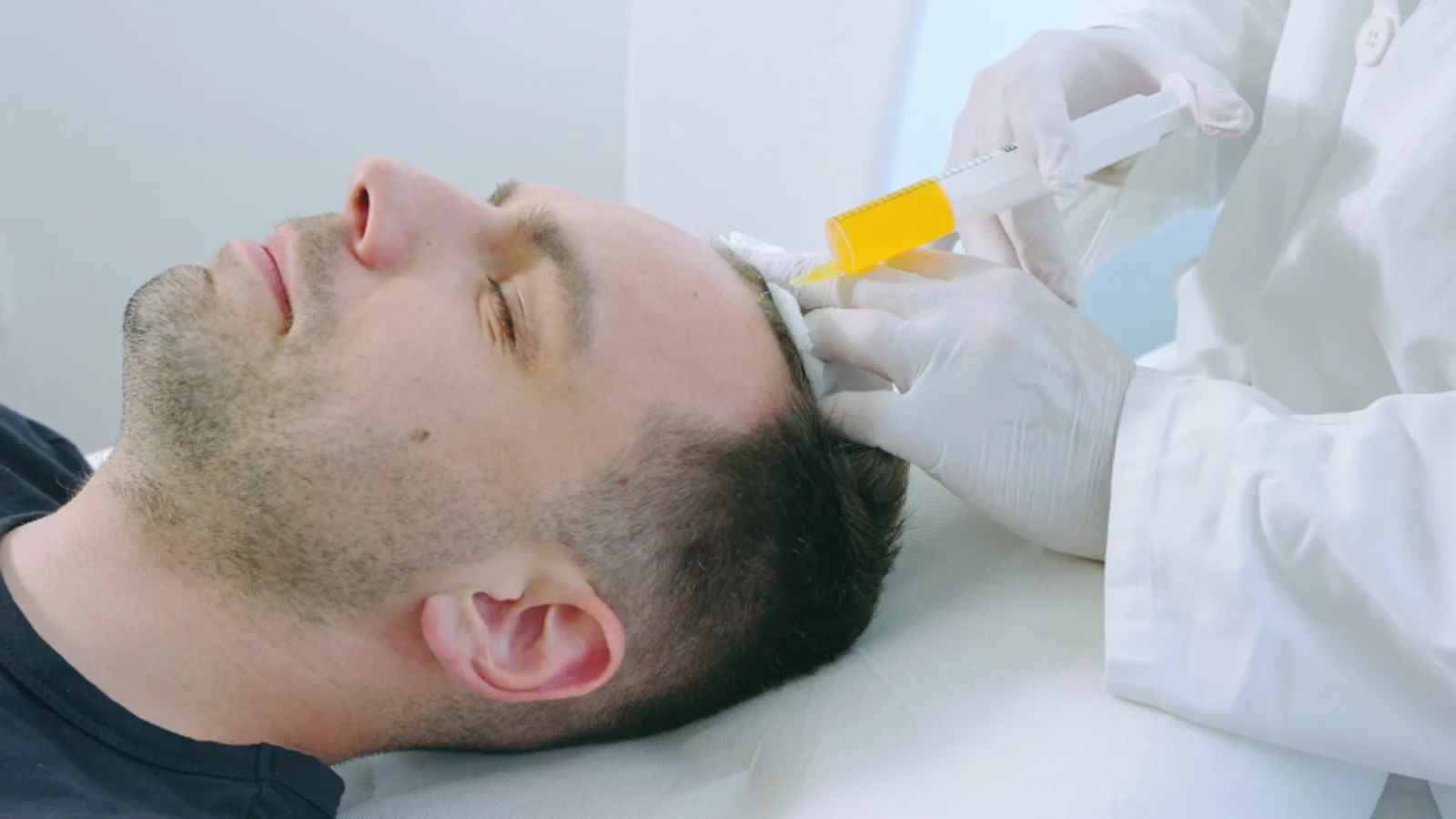
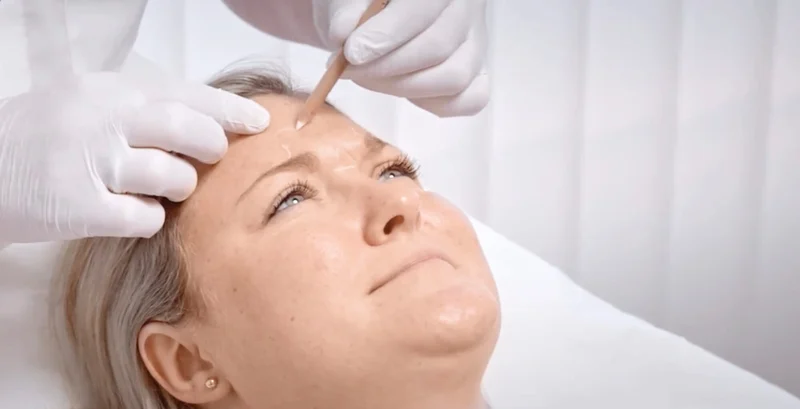
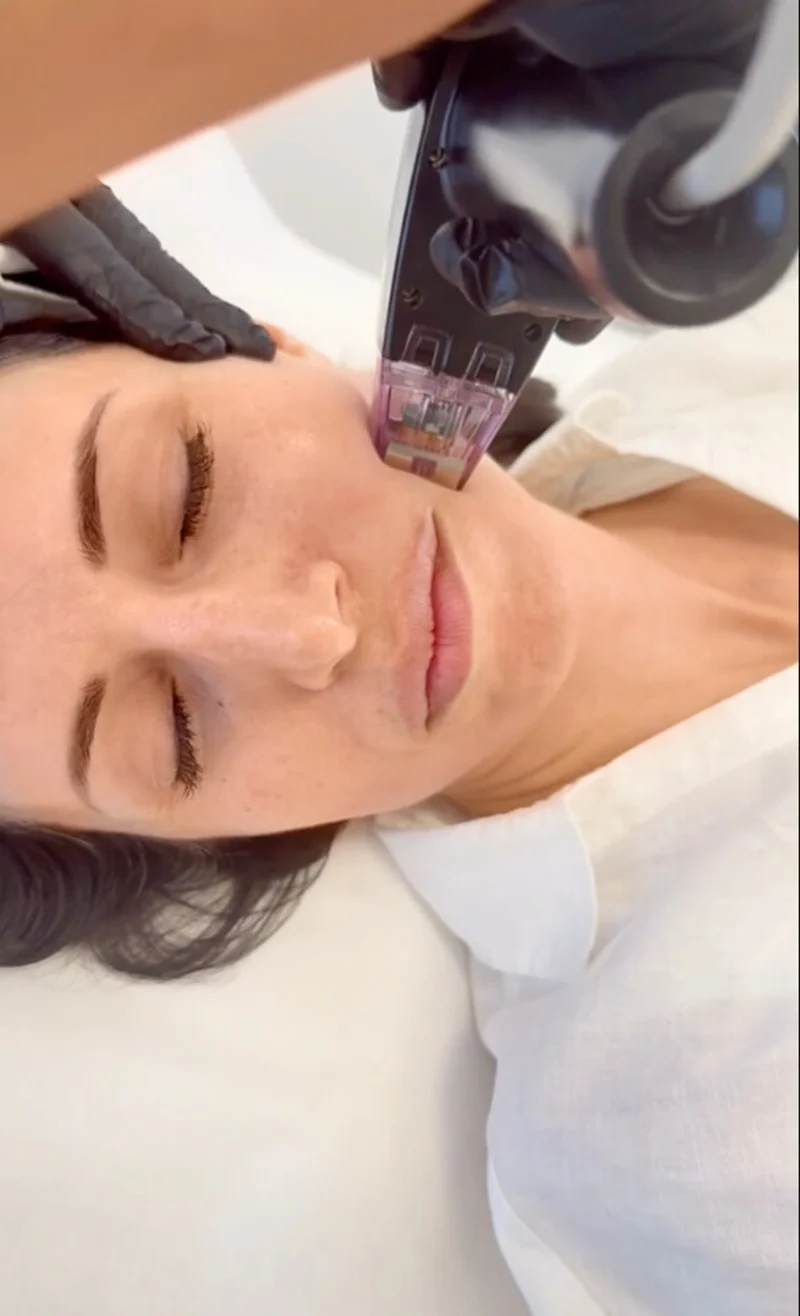
We inject the plasma into the desired areas using very fine needles, sometimes combined with microneedling to improve absorption. The process takes about 45 minutes. At the end, you will receive simple instructions, such as avoiding the sun or using a soothing cream, to support healing.
Who is PRP treatment suitable for?
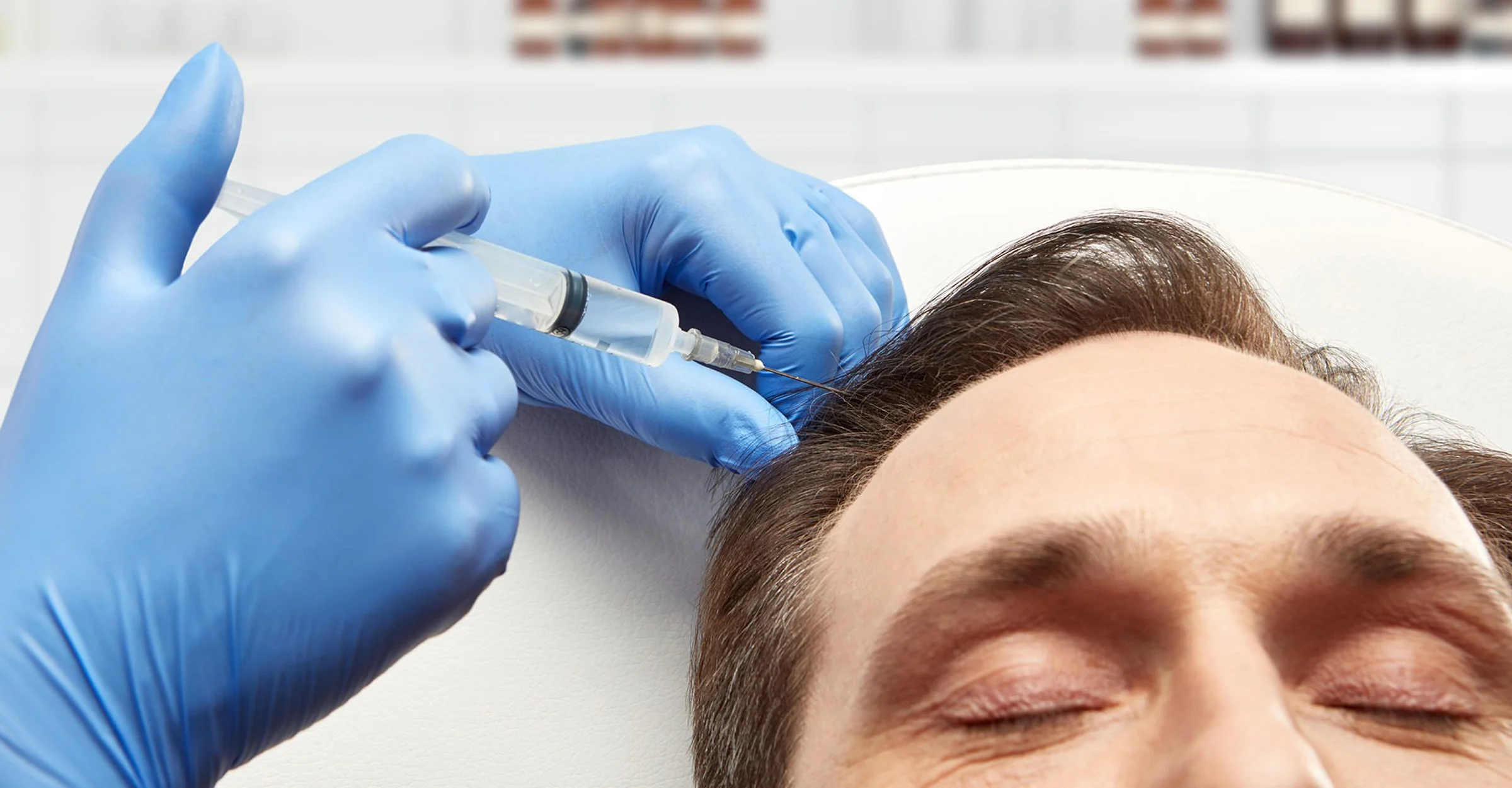
PRP treatments are suitable for almost everyone, but they are especially popular among people who want to improve the appearance of their skin without using artificial substances. If you are dealing with fine wrinkles, tired skin, acne scars or even hair loss (yes, PRP works on the scalp too!), this treatment can be an excellent option. It suits both men and women, and anyone looking for natural results that develop gradually. However, if you have blood-clotting problems or certain illnesses, it is important to consult a doctor before the treatment. At the Dermacare clinic, we make a point of reviewing your medical history to ensure the treatment is safe.
How much does it cost and what results can you expect?
The cost of PRP treatments varies according to the number of sessions and the area treated. Usually 3-4 sessions a few weeks apart are needed to see full results, and the plan can be adapted to your budget.
Results start to show within a few weeks, as the skin looks smoother and more vibrant. The improvement continues to develop over months, because the body keeps producing collagen. Most patients report more radiant skin and improved skin texture, with a more natural, youthful appearance.
PRP treatments are a perfect example of the power of regenerative aesthetic medicine. By using plasma from your own blood, we can help your skin renew itself, reduce wrinkles and improve skin texture – all in a natural and safe way. Whether you want to refresh your face, treat scars or bring the glow back to your skin, PRP is a solution worth considering. We are here at the Dermacare clinic in Petah Tikva to help you look and feel your best, with advanced treatments and a team that accompanies you every step of the way.
Ready to discover your skin's potential? Call 03-6127888 or email info@dermacare.co.il, and book a consultation at Dermacare in Petah Tikva. Come and experience the PRP revolution!
Frequently asked questions
Hyaluronic acid-based fillers are particularly suitable for treating expression lines around the nose and mouth (nasolabial folds), marionette lines, hollow cheeks, hollows under the eyes (tear trough contouring) and the jawline. In addition, hyaluronic acid is also used to contour the chin, add volume to the lips and rejuvenate the skin of the neck and décolletage. At Dermacare clinic, hyaluronic acid is combined in particular in the vampire facial (PRP), in which platelet-rich plasma is injected together with hyaluronic acid. This treatment helps to smooth, tighten and renew the skin for a young, fresh look.
Hyaluronic acid injections work by creating a filling effect and adding volume to the treated area. In addition, hyaluronic acid binds fluids, which improves moisture levels in the skin and lips, giving them a fresh, full and vibrant look.
It is recommended to avoid blood-thinning medication, such as aspirin or ibuprofen, for several days before hyaluronic acid injections, as these medications may increase the risk of bruising (blue marks). If bruises do appear, they are expected to disappear within 5-7 days. If you are prone to herpes outbreaks, it may be advisable to take preventive anti-herpes tablets, as recommended by the doctor.
After the treatment, the skin may look slightly swollen, but this disappears naturally within a day or two. Mild redness and swelling may appear at the injection site, usually subsiding within one day. In the case of lip injections, the swelling may last longer.
Although it is recommended to avoid strenuous activity, you can return to your routine and daily activities straight after the treatment.