
In brief
- Scars form when damaged skin regenerates as replacement tissue containing fewer elastic fibres and no sweat glands or hair follicles; causes include surgery, acne, burns and accidents.
- A scar cream with vitamin C, vitamin E, panthenol, urea or aloe vera, together with gentle daily massage, supports healing and skin elasticity.
- Professional treatments include CO2 laser, PRP with microneedling, TCA peel, derma roller and Morpheus8, which usually requires 3-6 sessions.
- You can start treatment as soon as the wound has fully healed or the stitches have been removed.
- New scars are sensitive to the sun, so apply sunscreen with SPF 50 every day to prevent pigmentation and darkening.
Scars are a natural part of the wound-healing process, but scars that remain after a cosmetic procedure are really frustrating. With the right scar treatment, they will heal better and be less noticeable. A scar treatment cream can help the healing process, while modern cosmetic treatments improve the appearance of the skin even further and treat scars more effectively. The professional team at the Dermacare clinic in Petah Tikva offers solutions for effective scar treatment. Discover which methods really work and what to check when choosing a scar treatment cream to achieve the best results.
How do scars form?
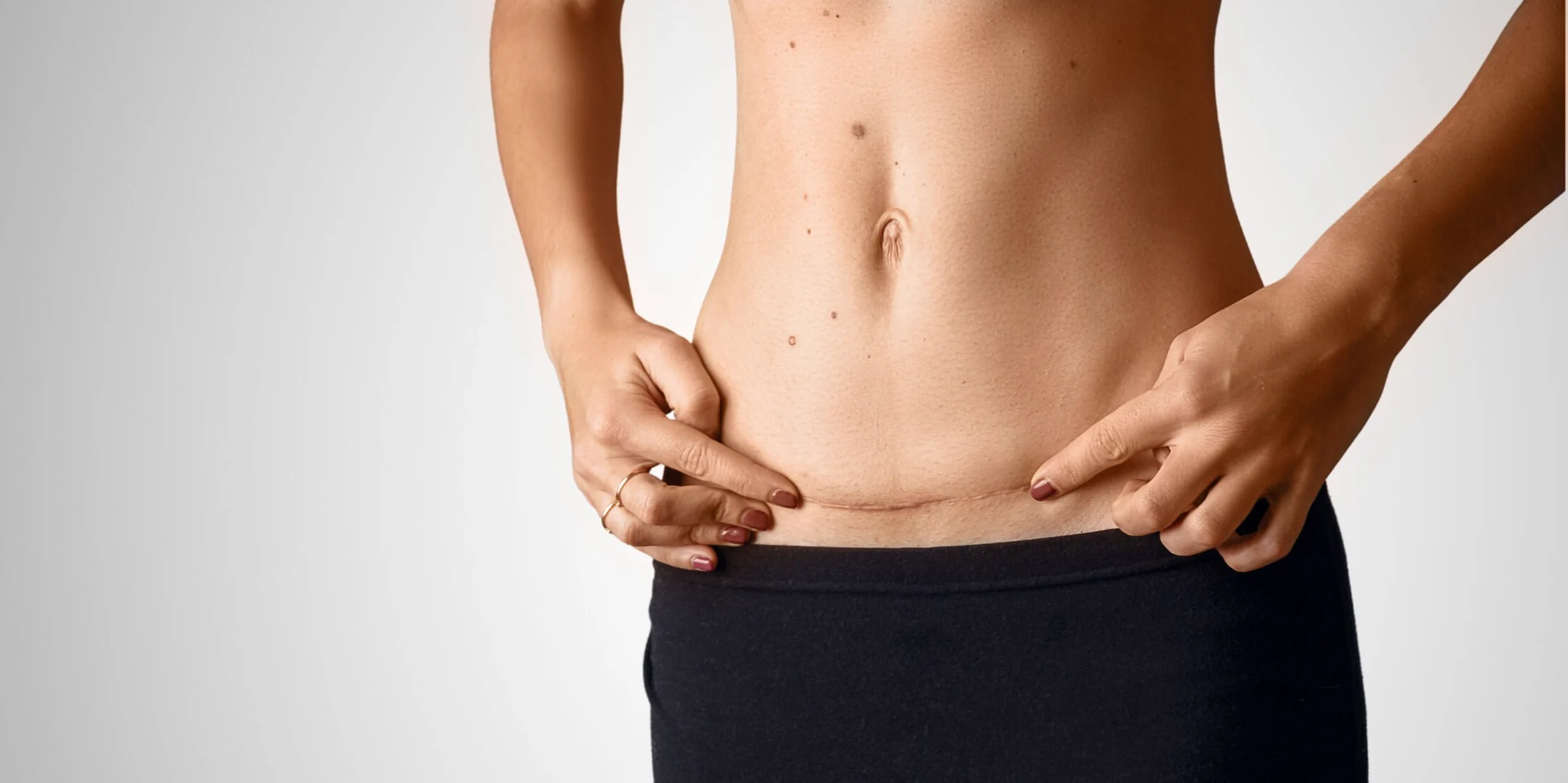
Scars form when deeper layers of the skin are damaged. During healing, the body produces replacement tissue that differs in texture and colour from the surrounding skin. This scar tissue contains fewer elastic fibres and has no sweat glands or hair follicles, which sets it apart from healthy skin. Here are some of the most common causes of scars:
- Surgery – form after operations such as a caesarean section or plastic surgery.
- Acne – remain after severe cases of acne or incorrect treatment of spots.
- Burns – caused by deep damage to the skin, such as after severe sunburn.
- Accidents – cuts or grazes that leave visible marks.
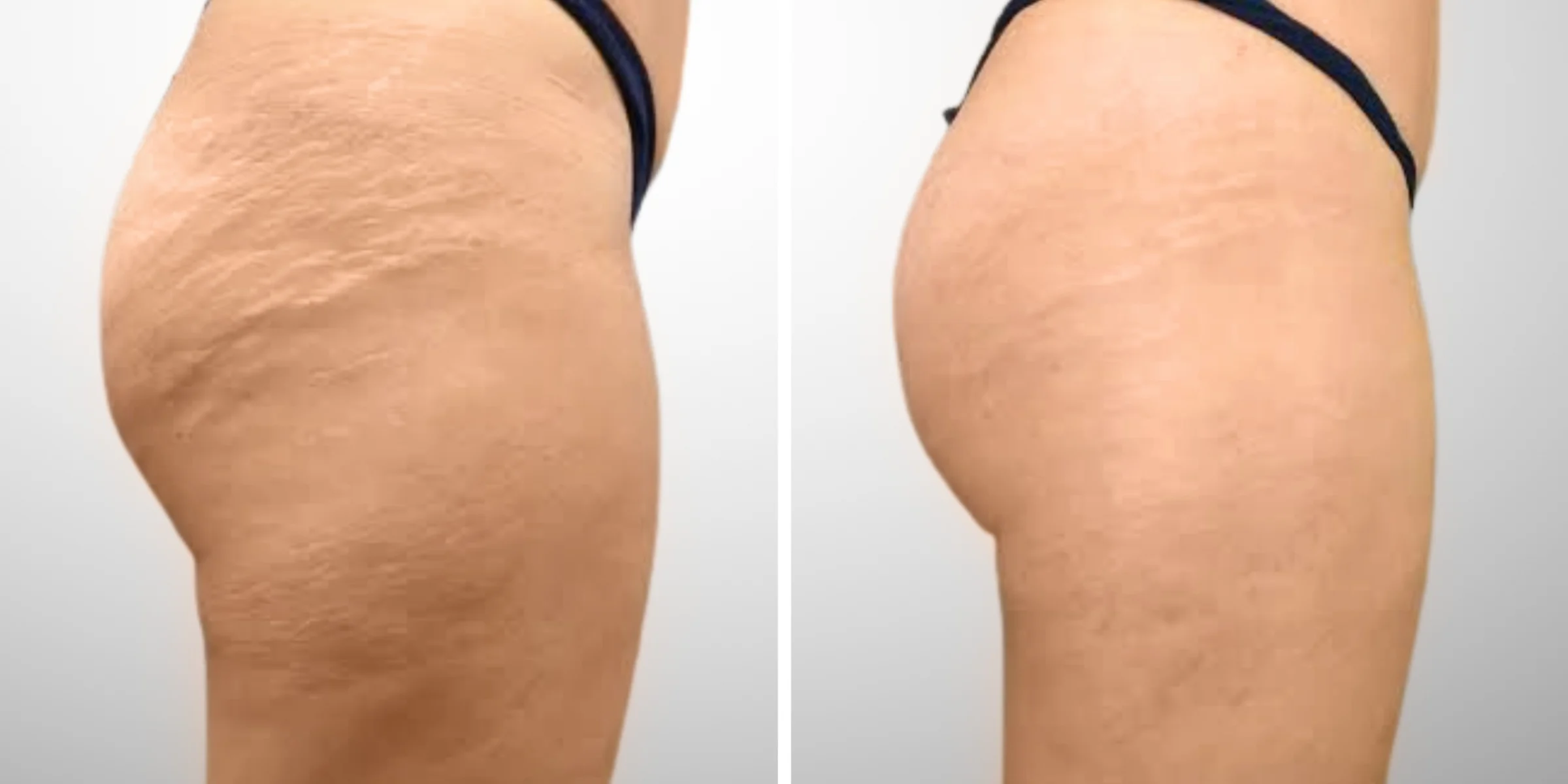
- Stretch marks – result from strong stretching of the skin, such as during pregnancy or weight changes.
How can scars be treated?
Not every scar stays prominent forever. With early, targeted treatment, the appearance of the skin can be improved significantly. Here are some proven methods for treating scars:
- Scar treatment cream: moisture and renewal
A suitable scar treatment cream is a key component of scar treatment. It provides the scar tissue with essential active ingredients that soften the skin, encourage collagen production and improve skin elasticity. A high-quality scar treatment cream can reduce the visibility of the scar and improve the texture of the skin around it. When choosing a cream to help scars heal, look out for the following ingredients:
- Vitamin C – supports skin renewal, reduces pigmentation spots and gives a more even look.
- Vitamin E – retains moisture and helps soften the scar.
- Panthenol – soothes the skin, reduces redness and aids healing.
- Urea – provides deep moisture and increases skin elasticity.
- Aloe vera – cools and restores the tissue, with a soothing effect.
Regular use of a cream designed for scar treatment supports the skin's renewal process and may make scars imperceptible. For best results, apply the cream several times a day and massage it gently into the scar. At the Dermacare clinic in Petah Tikva you will receive professional advice on choosing the perfect scar cream for your skin.
- Scar massage: improving elasticity
Gentle massage with a scar treatment cream or nourishing oil helps soften the tissue and improve blood flow in the area. Especially with fresh scars, targeted massage can encourage collagen production and loosen the scar tissue. For effective treatment, massage daily with gentle circular movements. Special scar oils with silicone or vitamin E can enhance the process and support skin healing.
- Laser treatment: deep, targeted treatment
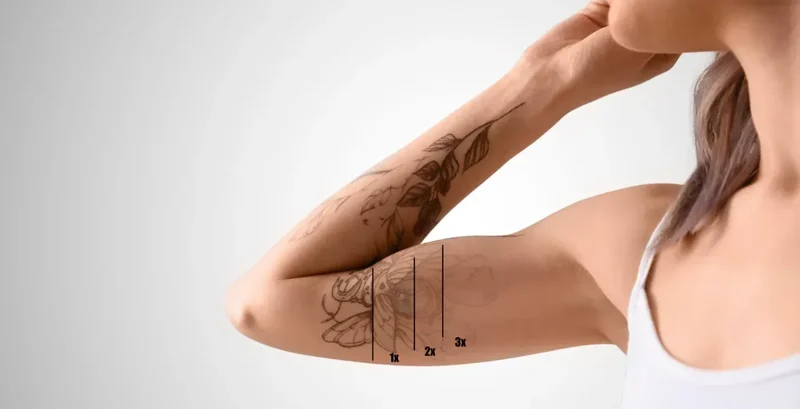
For particularly prominent scars, CO₂ laser treatment can be an ideal solution. This modern method removes the upper layers of the skin with great precision without harming the surrounding tissue. The thermal energy generated during treatment encourages skin renewal and increases collagen production, leading to a smoother, firmer look. Improvement can be seen after the first treatment, but depending on the depth and type of scar, several sessions may be needed. The treatment is almost painless and is carried out on an outpatient basis. Afterwards, redness or slight swelling may appear, which pass within a few days. For maximum success, it is recommended to avoid sun exposure for at least four weeks and to use sunscreen with a high protection factor.
4. PRP treatment (vampire facial) for scar treatment
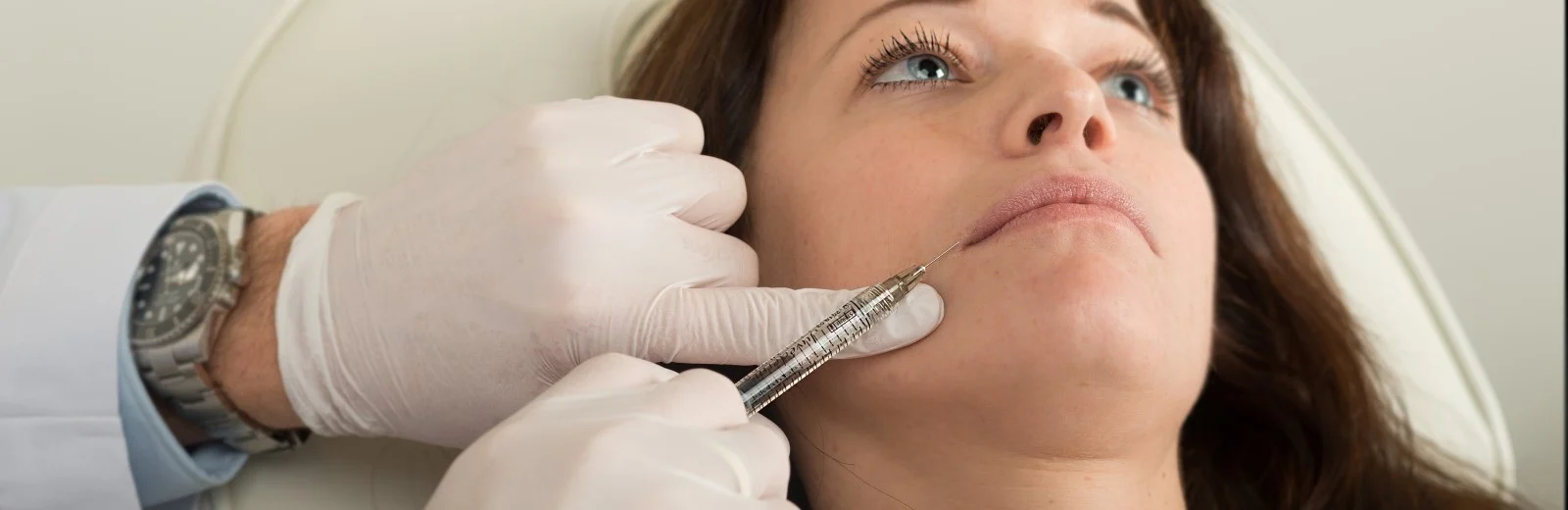
The vampire facial uses platelet-rich plasma from your own blood to treat scars and encourage skin renewal. The growth factors in the plasma increase collagen production and improve acne scars and surgical scars. Combined with microneedling, the plasma penetrates deep into the skin and accelerates healing, a process that makes scars more faded and the skin more even and smooth. For best results, it is recommended to combine it with a high-quality cream. At Dermacare in Petah Tikva you will receive personalised PRP treatments to improve the appearance of scars and skin.
- Chemical peel for scar treatment
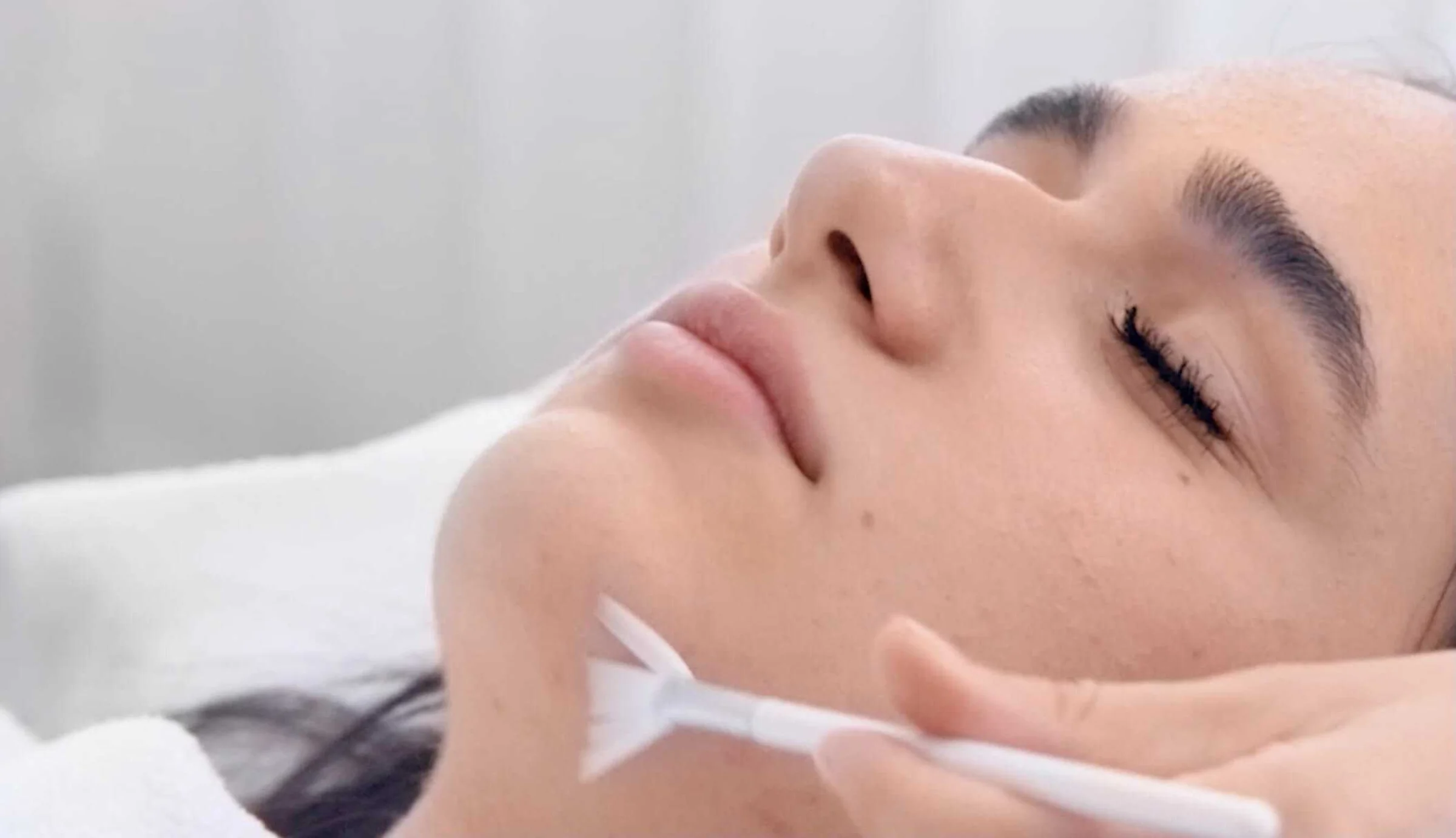
TCA peel (trichloroacetic acid) is an effective method for reducing scars. It removes dead skin cells, encourages cell renewal and increases collagen production, giving you even, smooth-looking skin. The method is especially recommended for people with acne scars, as it penetrates deeply and treats scars from within. After treatment the skin peels gently, revealing a new, fresh layer. Several sessions may be needed for optimal results.
- Derma roller microneedling for scar treatment
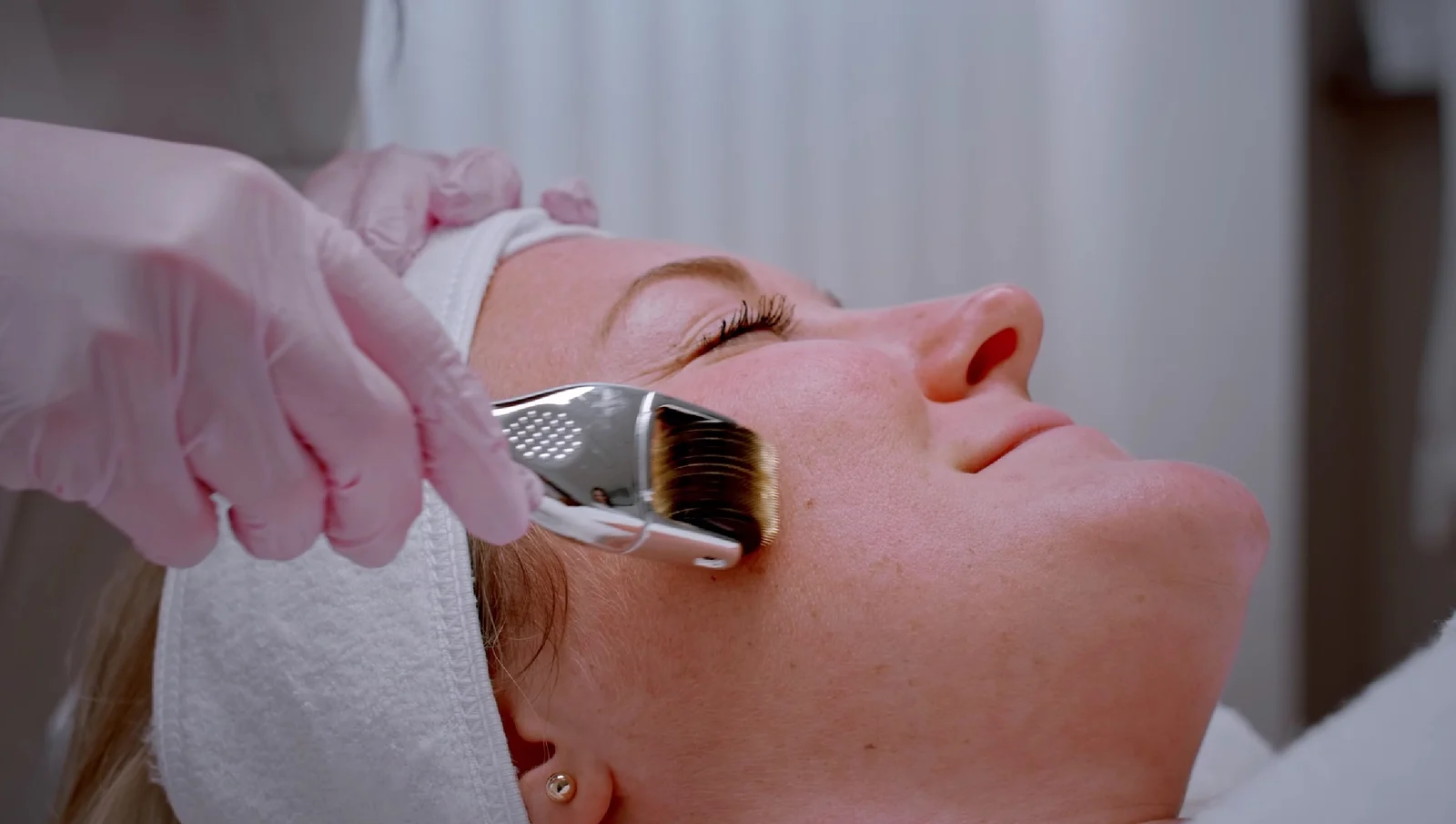
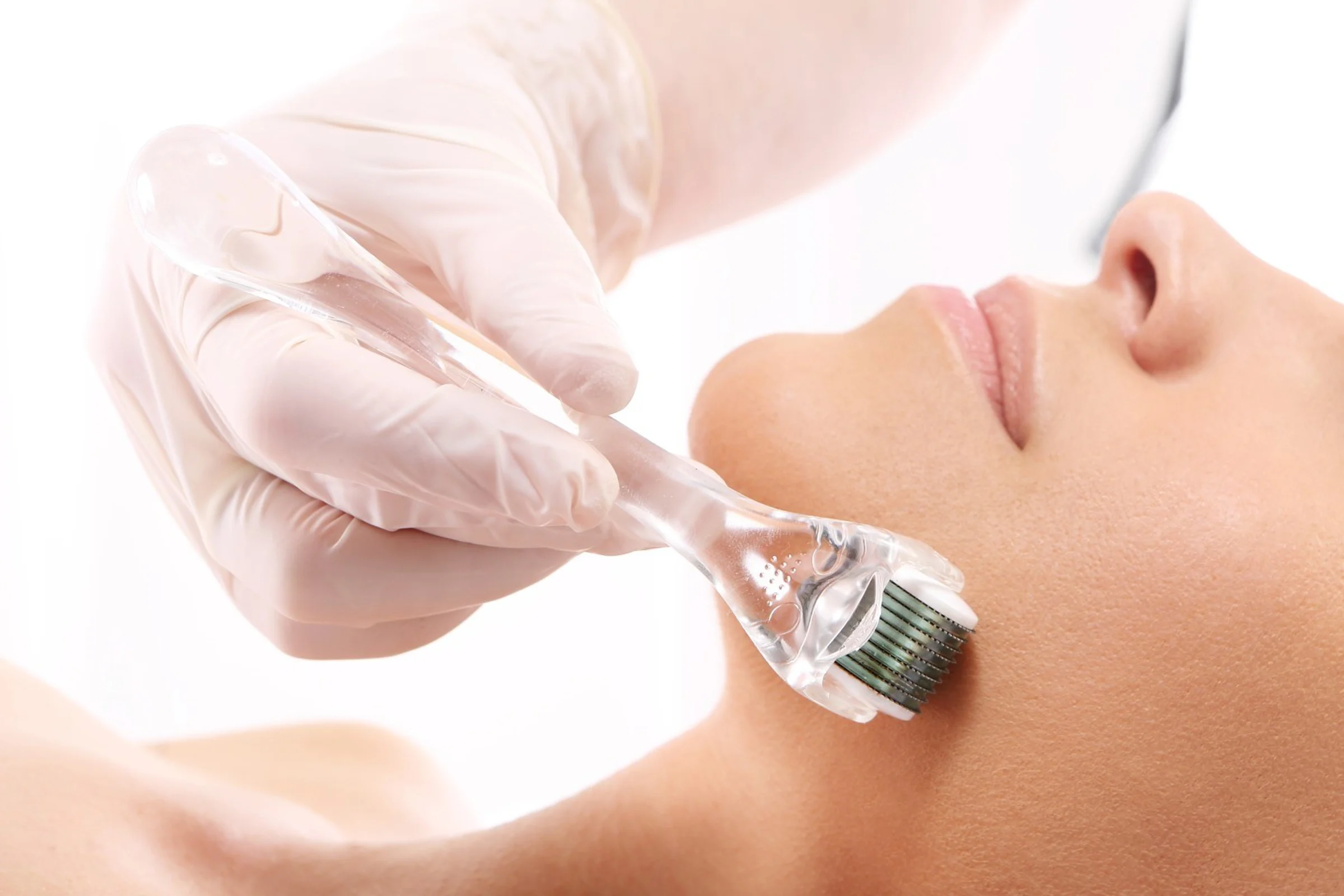
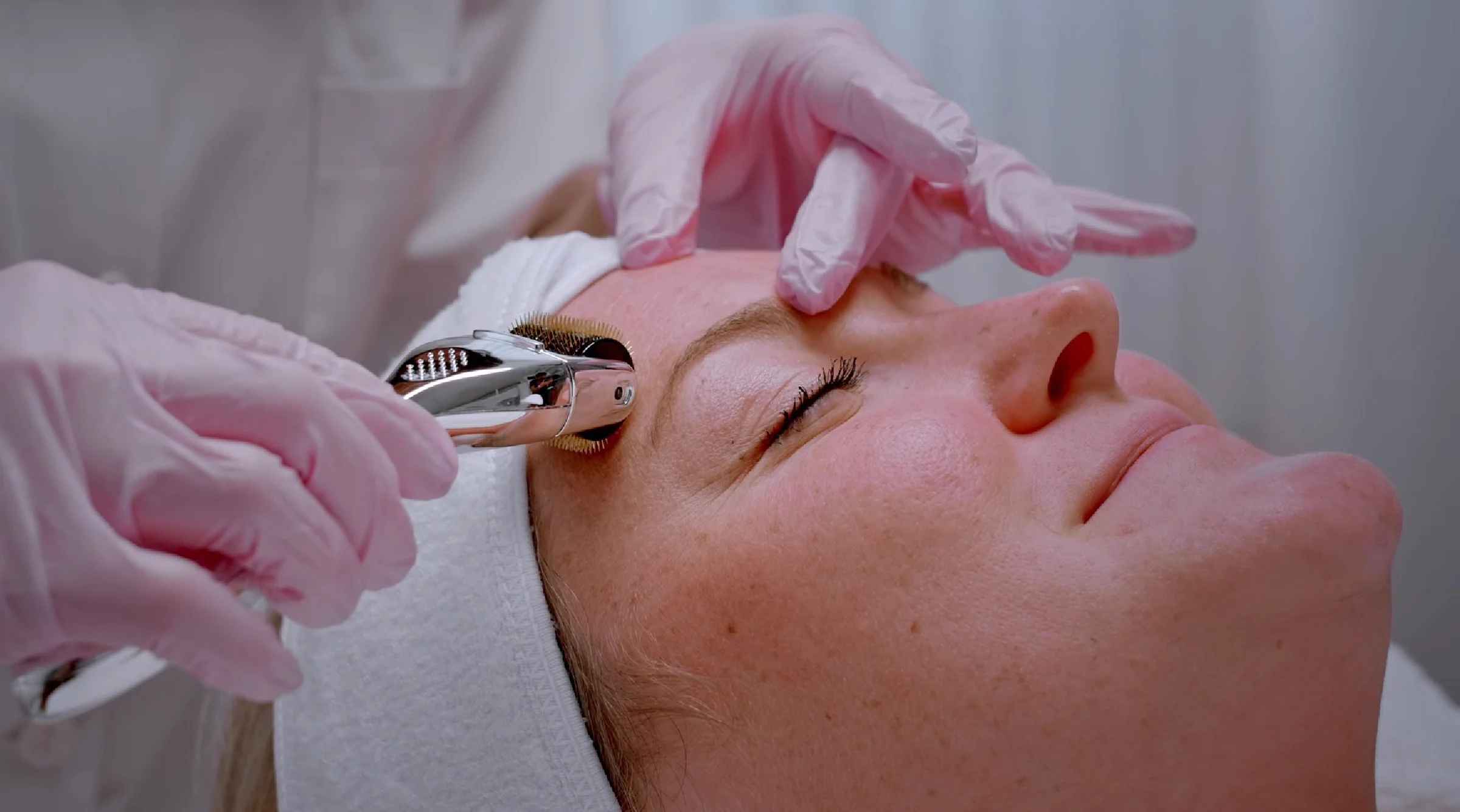
Derma roller microneedling uses tiny needles to encourage the production of collagen and elastin, which helps blur scars and make them smoother. The treatment can be done at home or professionally. For those looking for safe, precise results, the Dermacare clinic offers advanced derma roller microneedling treatments under medical supervision, including a personal consultation to tailor a treatment plan to your needs.
- Morpheus8 treatment for scars
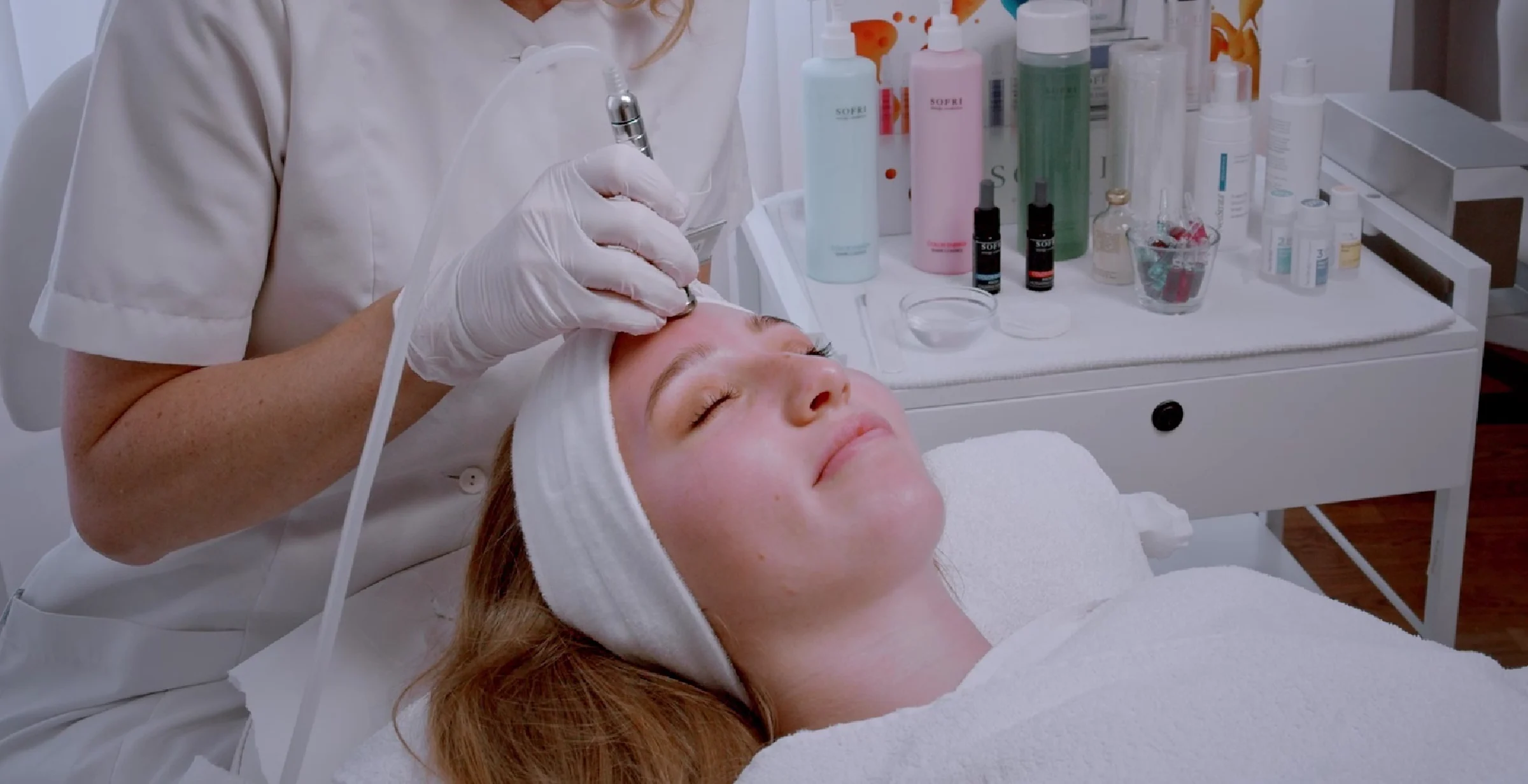
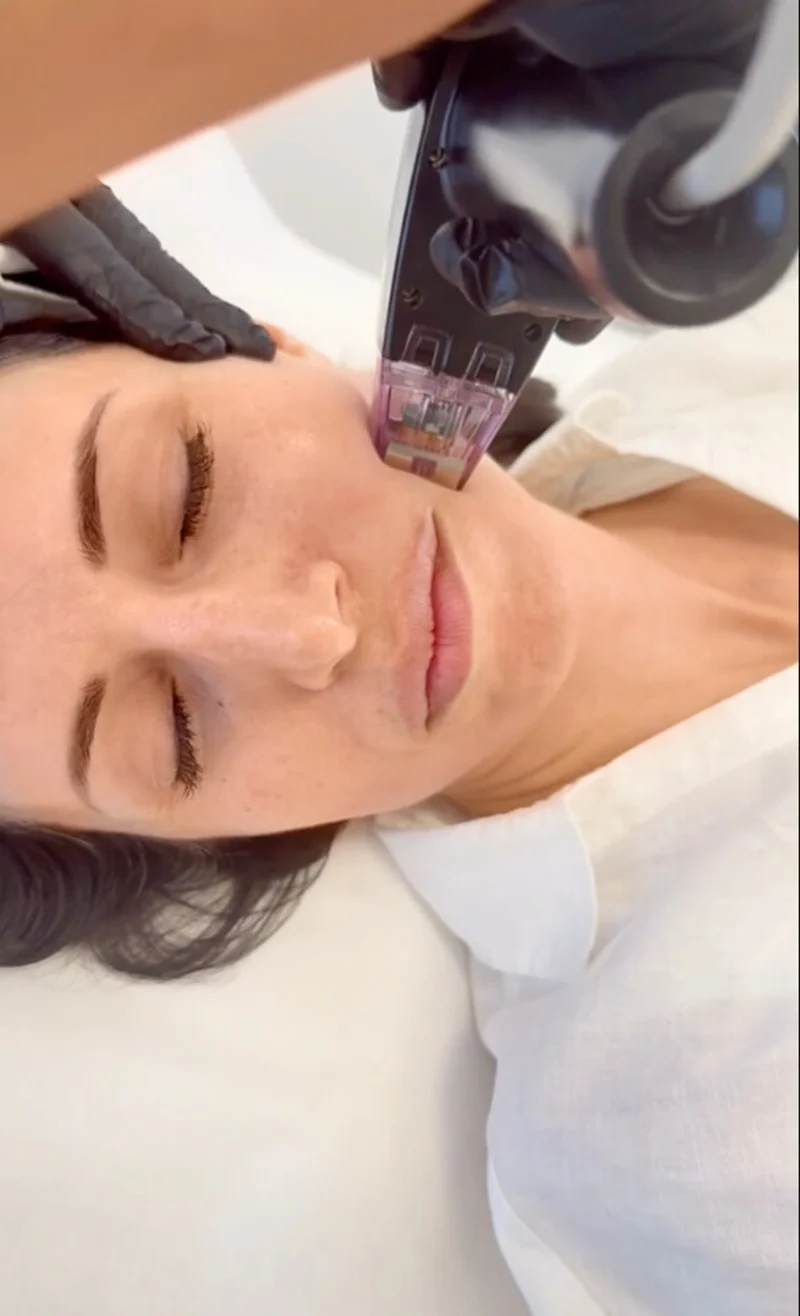
Morpheus8 treatment combines radiofrequency (RF) technology and microneedling with tiny needles that penetrate deep into the skin. The treatment encourages the production of collagen and elastin in the deep layers, which helps blur scars, including acne scars and surgical scars. It is suitable for all skin types, offers significant results after a series of treatments (usually 3-6 sessions), and its recovery time is relatively short compared with other treatments. At the Dermacare clinic in Petah Tikva you can receive personalised Morpheus8 treatment to improve the appearance of your scars.
- Sun protection
New scars are very sensitive to the sun's rays (UV) because they contain less melanin, the natural substance that protects the skin. Without good protection, they may develop pigmentation and darkening that remain permanently. It is therefore important to apply sunscreen with SPF 50 every day to prevent pigmentation and darkening and to allow the skin to heal in the best possible way. Special products for sensitive skin or scars provide an additional layer of protection and contain moisturising ingredients that keep the skin healthy and soft.
When should you start treating scars?
As soon as a wound has fully healed or the stitches have been removed, you can start treatment. Regular application of a professional cream and gentle massage in the first few weeks can contribute to the healing process. Whether scars come from injuries, surgery or skin problems, they can become a permanent part of our appearance. But with the right treatment – whether creams, massage or cosmetic treatments – their appearance can be significantly improved. Correct, consistent scar treatment will keep the skin supple and help it heal quickly while maintaining an even skin tone without pigmentation or a different skin texture. Book a consultation today so you can find out how to treat your scars correctly. Contact us by phone on 036127888 or email us at info@dermacare.co.il, and together we will find the ideal solution for smooth, healthy skin!
Frequently asked questions
Hyaluronic acid-based fillers are particularly suitable for treating expression lines around the nose and mouth (nasolabial folds), marionette lines, hollow cheeks, hollows under the eyes (tear trough contouring) and the jawline. In addition, hyaluronic acid is also used to contour the chin, add volume to the lips and rejuvenate the skin of the neck and décolletage. At Dermacare clinic, hyaluronic acid is combined in particular in the vampire facial (PRP), in which platelet-rich plasma is injected together with hyaluronic acid. This treatment helps to smooth, tighten and renew the skin for a young, fresh look.
During the first three hours after the peel, the treated area must not be exposed to water or cosmetic products. After that, a moisturiser or sunscreen can be applied.
During a series of peel treatments, products containing vitamin A must not be used. Avoid sun exposure during the treatments and for up to two weeks after they end. In the event of sun exposure, use a sunscreen with a high protection factor (at least SPF 20, and preferably higher).
To prolong the results of the treatment, it is recommended to continue caring for the skin with dedicated products, such as creams containing a low concentration of glycolic acid.
The skin looks fresher and firmer shortly after the treatment, but it may remain red for about 24 hours after microneedling. The process of cell renewal continues for several weeks to months and is completed after about 6 to 8 weeks. The results of the treatment also depend on the initial condition of the skin.
Hyaluronic acid injections work by creating a filling effect and adding volume to the treated area. In addition, hyaluronic acid binds fluids, which improves moisture levels in the skin and lips, giving them a fresh, full and vibrant look.