
In brief
- Acne scars form when deep inflammation damages the skin tissue; the most common are sunken atrophic scars.
- Fractional CO2 laser creates microscopic channels in the skin and encourages collagen production, and is particularly suitable for deep scars.
- Radiofrequency microneedling such as Morpheus8 is suitable for deep yet gentle treatment with short recovery times.
- Classic microneedling and chemical peels are more suitable for superficial or flat scars.
- The method is chosen according to the depth of the scars and the condition of the skin, after a computerised skin analysis and consultation.
For many people, acne scar treatment is more than just an aesthetic matter. The scars are a reminder of a challenging period of inflammatory acne and uneven-looking skin. Even when the acne healed long ago, scars sometimes remain that are visible and noticeable in the long term. But today there is a wide range of options for targeted treatment of acne scars and lasting improvement of the skin’s appearance.
How do acne scars form?
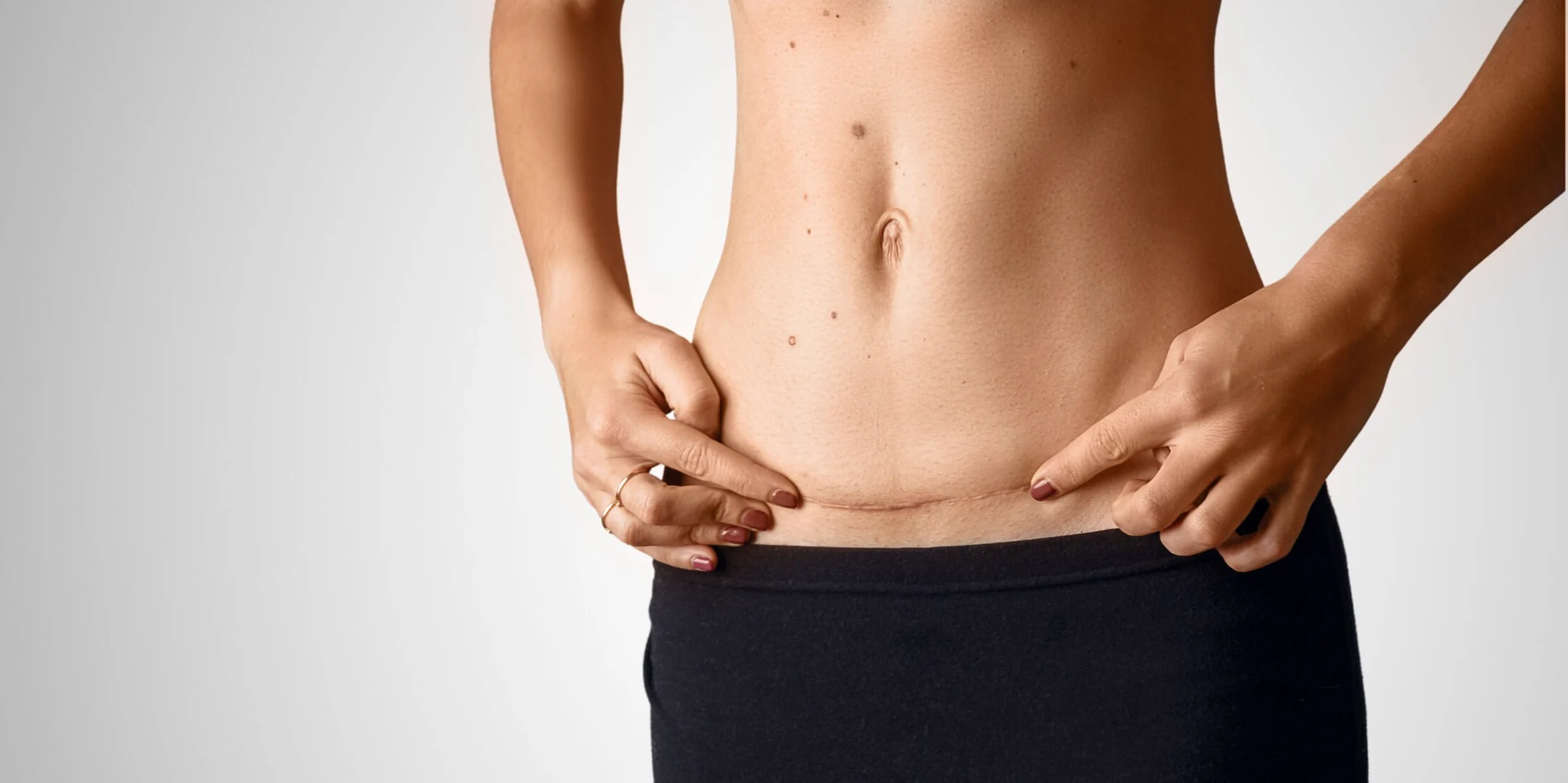
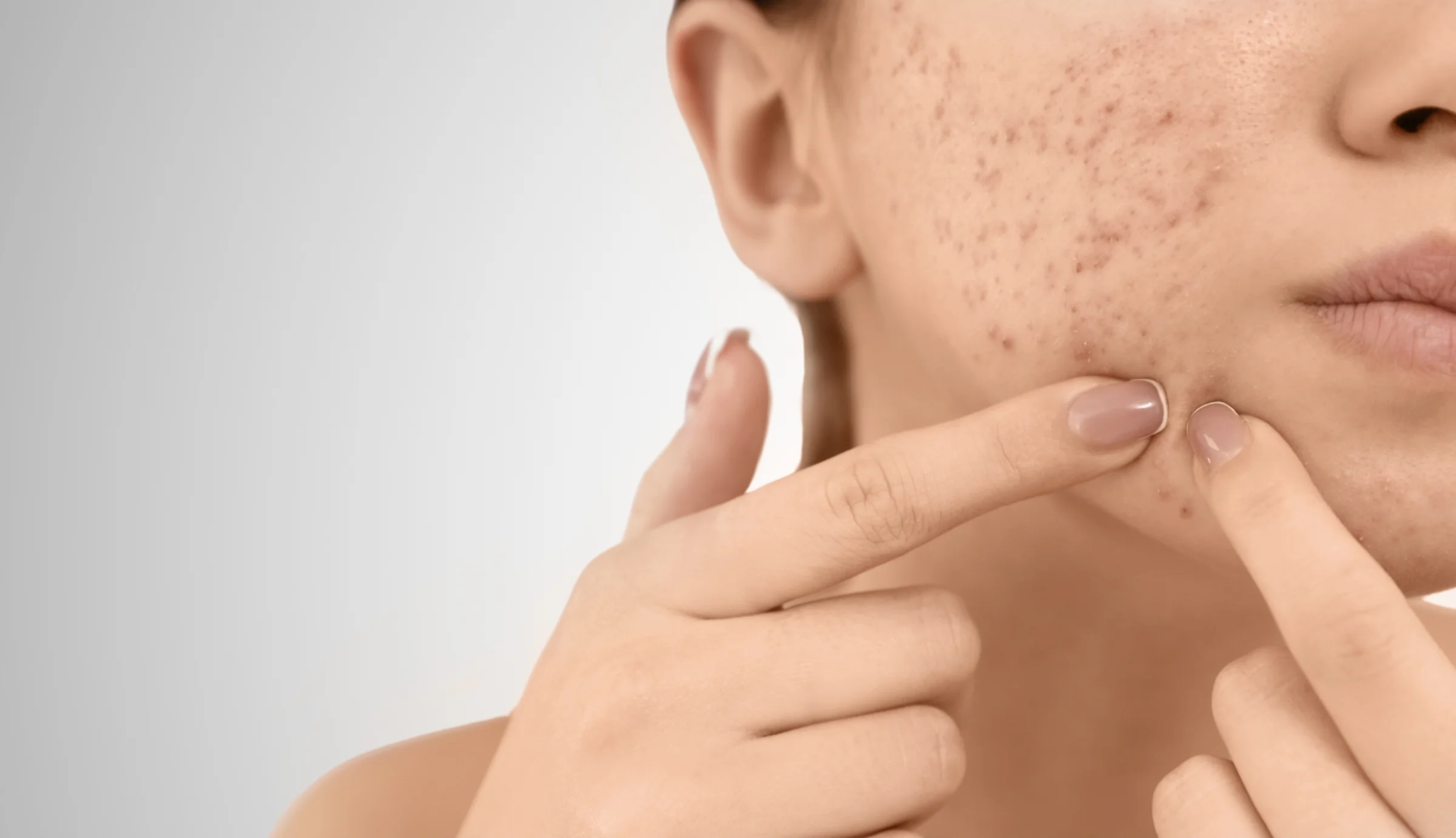
When acne inflammation penetrates deep into the skin, it can damage the surrounding tissue. During healing, new connective tissue forms – sometimes irregularly. This is how scars form, which can be flat, sunken or raised. Atrophic scars, in which the skin looks sunken, are the most common.
Acne scar treatment: the methods that really help
Fractional CO2 laser
One of the most modern and effective methods for treating acne scars is fractional CO2 laser treatment. In this treatment, microscopic channels are created in the skin in a targeted way, encouraging the body’s natural renewal process. The laser emits heat pulses that are sent deep into the skin and contribute to collagen production, giving the skin a firm, even appearance.
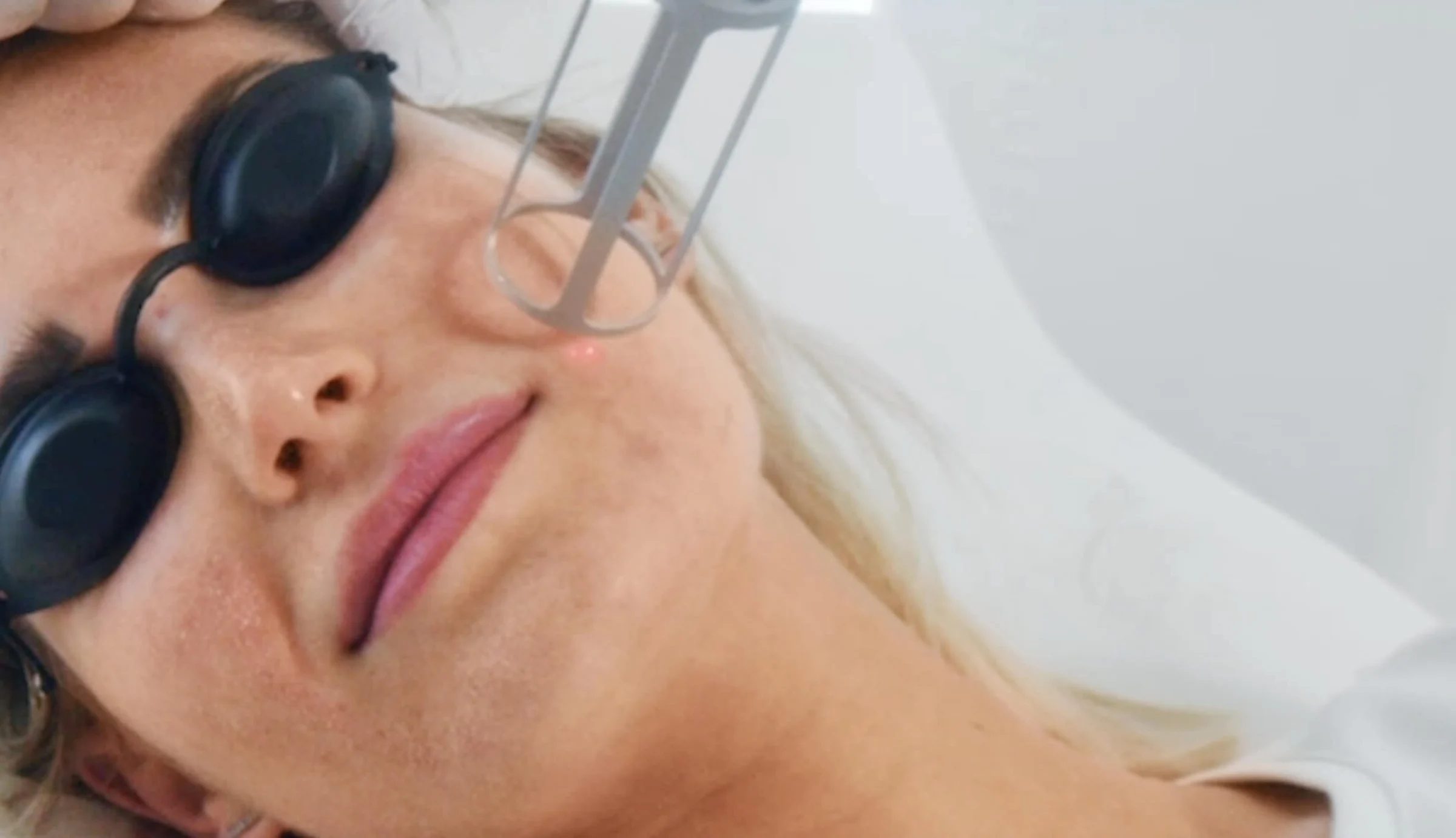
This method is particularly suitable for deep scars and sometimes shows visible results after just a few treatments.
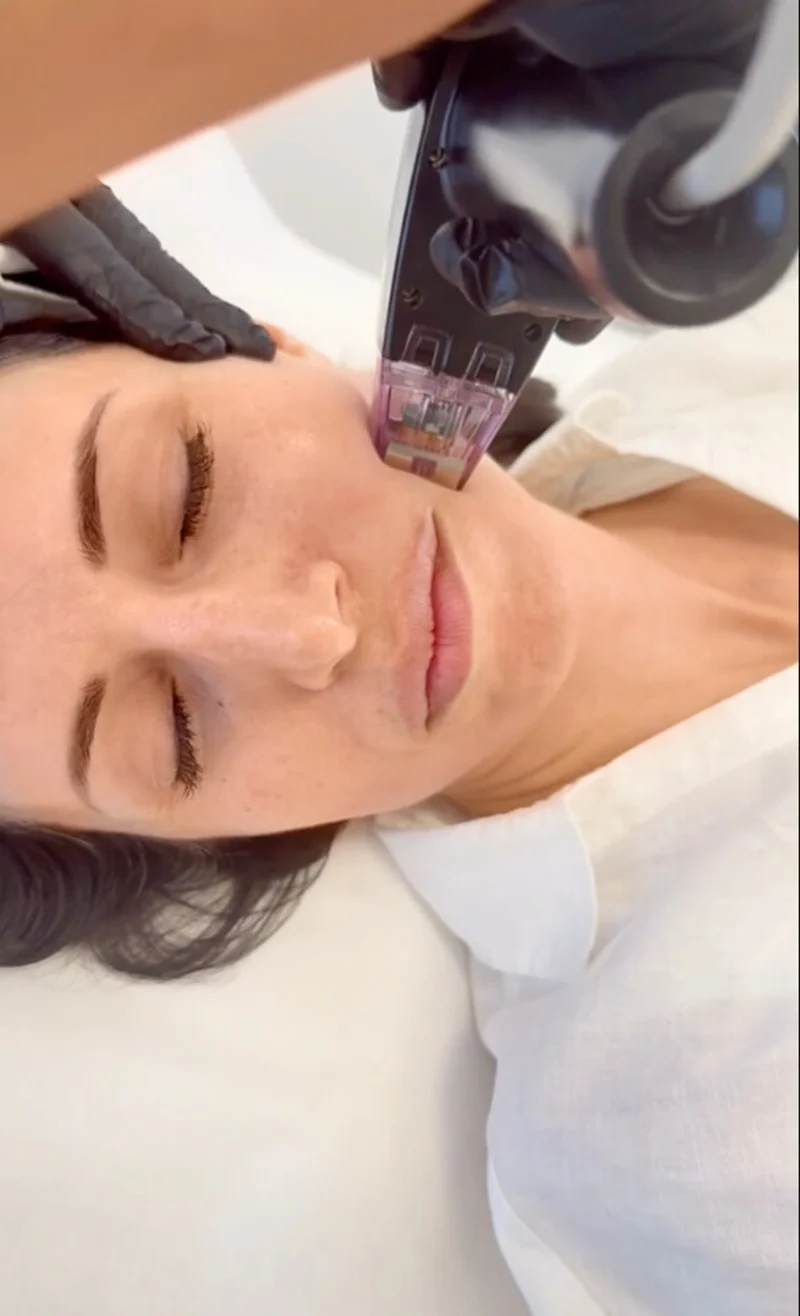
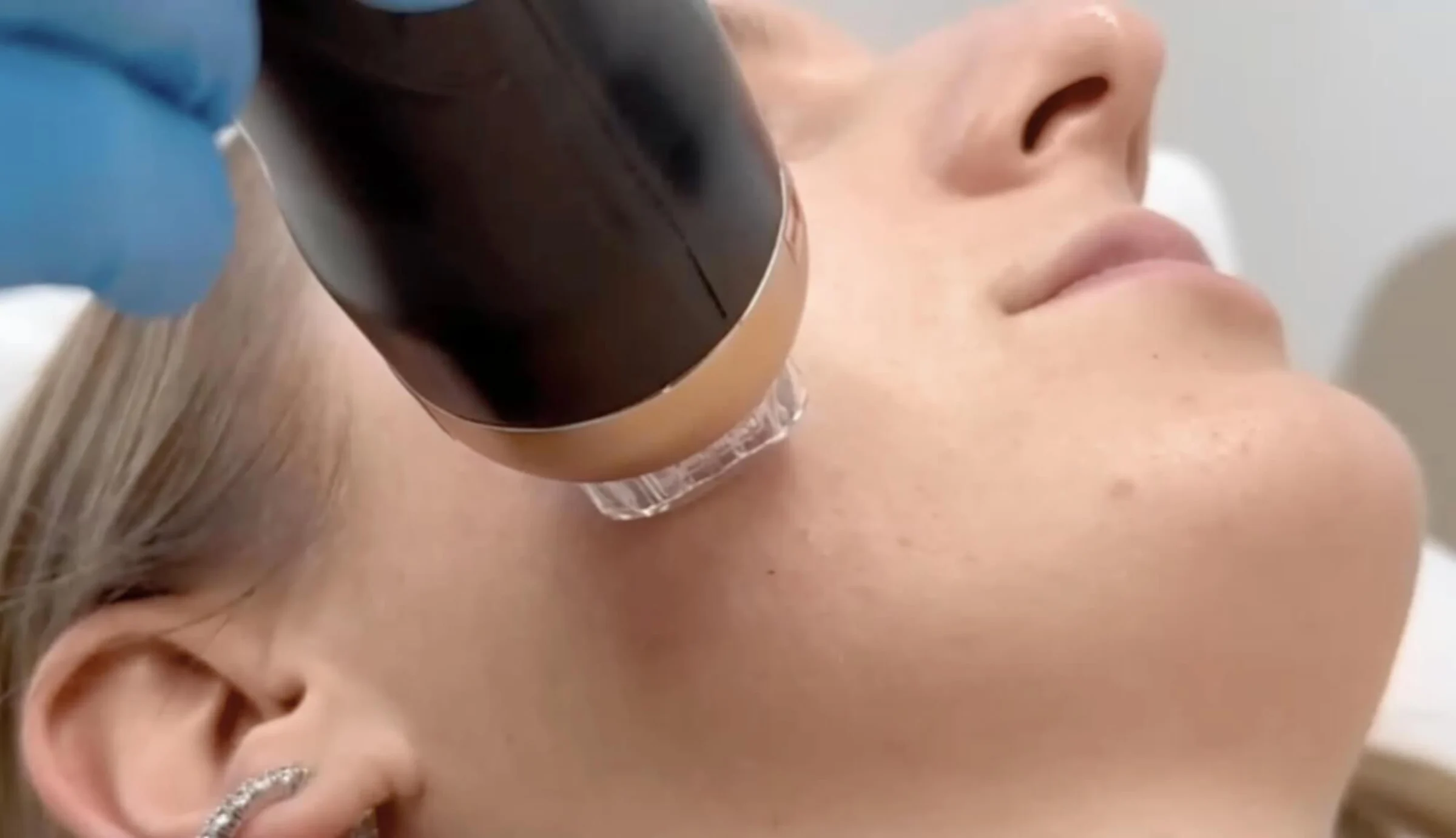
Radiofrequency microneedling such as Morpheus8
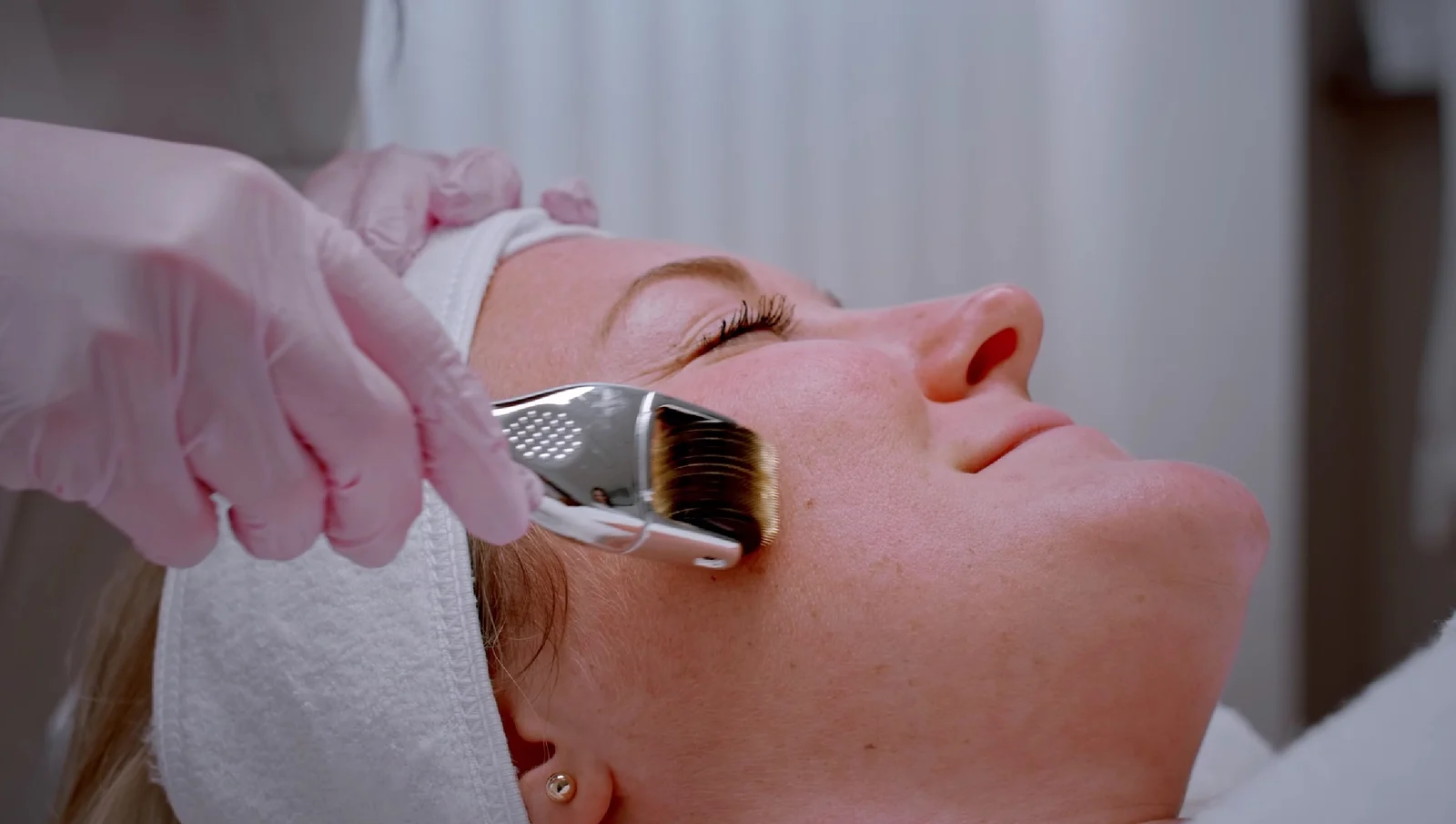
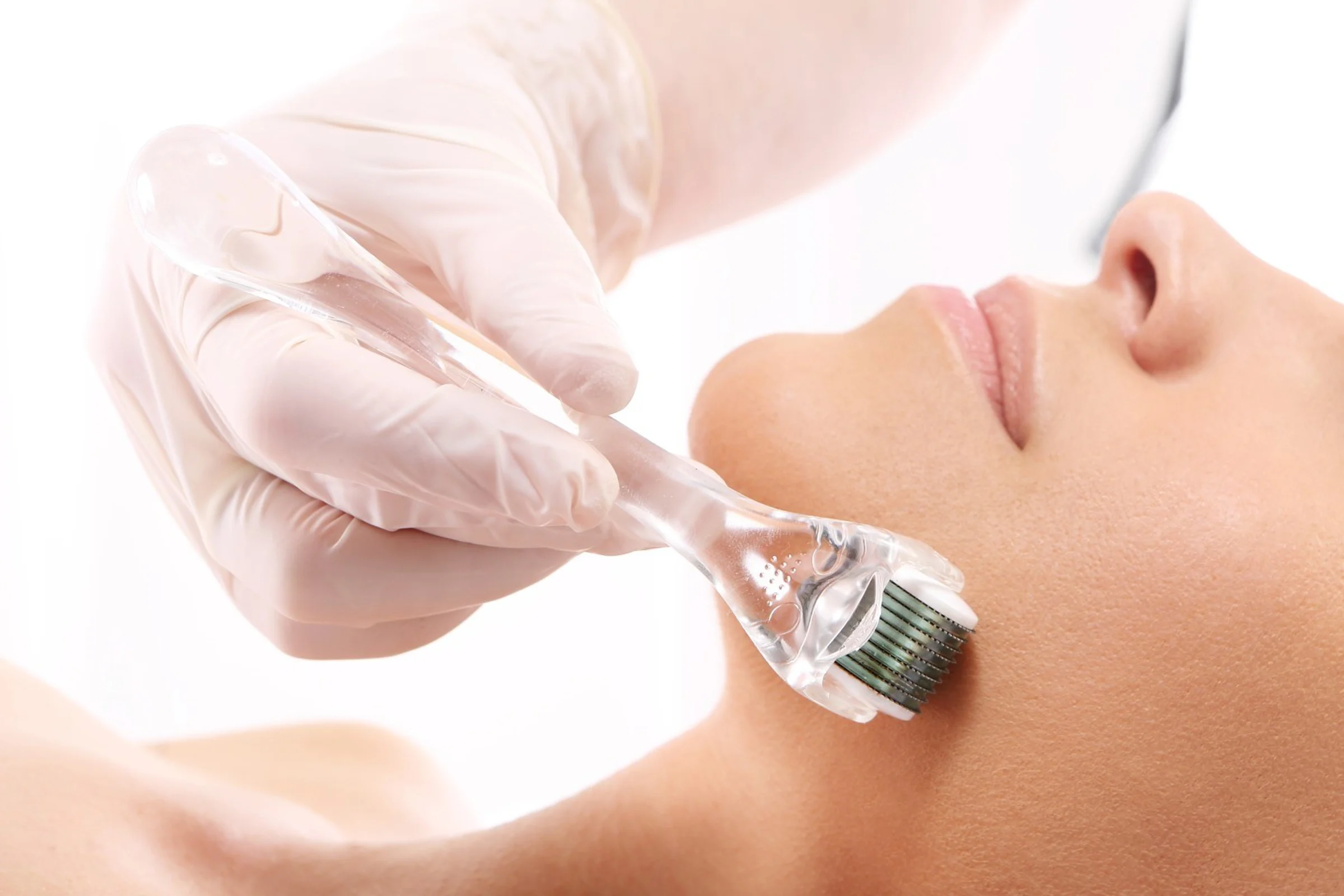
This innovative combined treatment brings together two proven technologies: fine needles that penetrate the skin, and at the same time radiofrequency energy delivered into the deep layers of the skin. The result is a powerful stimulation of skin renewal and targeted repair of scar tissue.
Radiofrequency microneedling such as Morpheus, is particularly suitable for those looking for a deep yet gentle treatment, thanks to short recovery times and high effectiveness.
Classic microneedling
In microneedling without radiofrequency, fine needles gently injure the upper layer of the skin. The controlled stimulation encourages the production of collagen and elastin. The skin texture gradually improves, and the scars look softer and more even. Microneedling is particularly effective for flatter scars and can be repeated depending on the condition of the skin. Combined with dedicated active ingredients, its effectiveness can be increased.
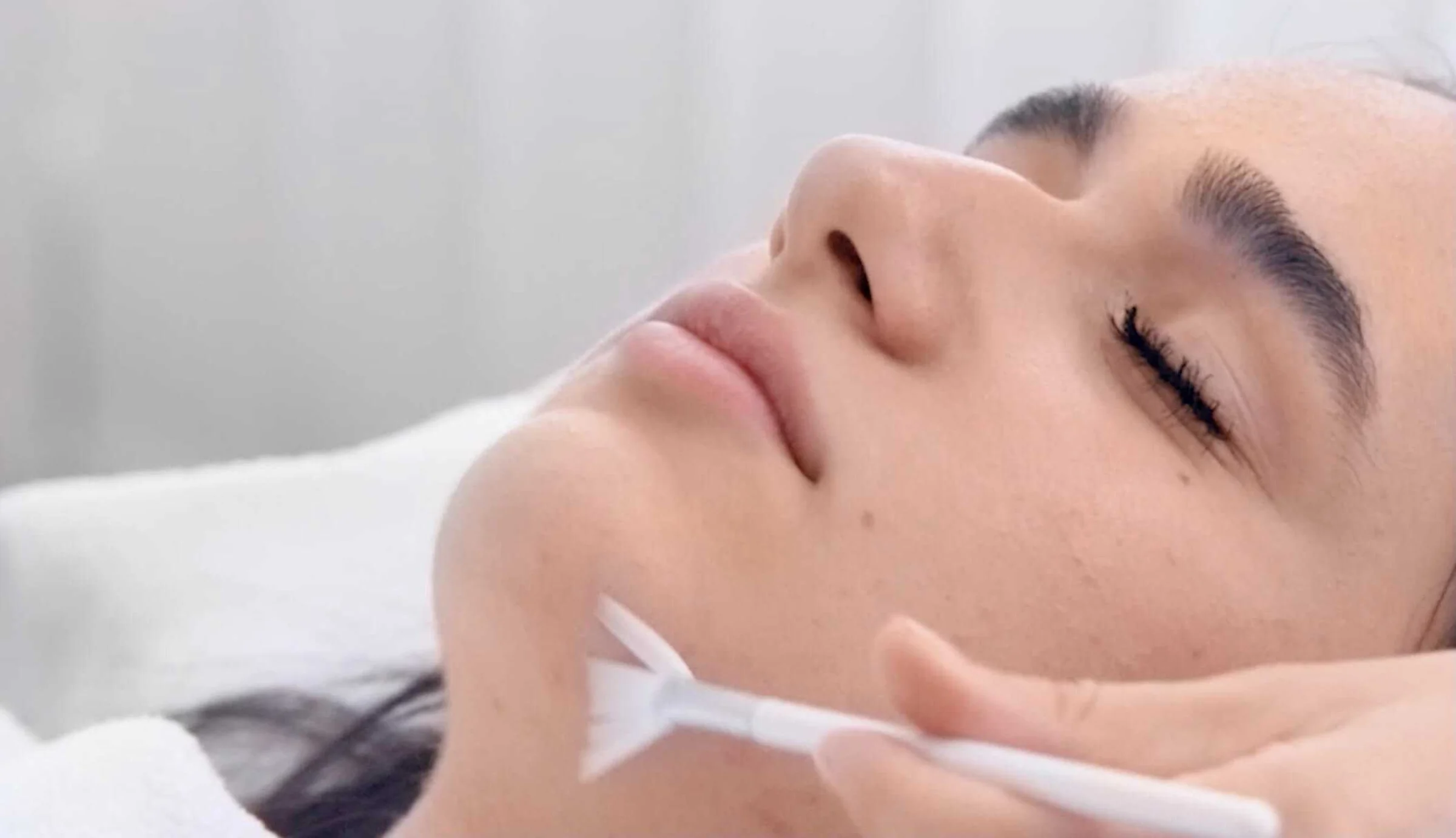
Chemical peel
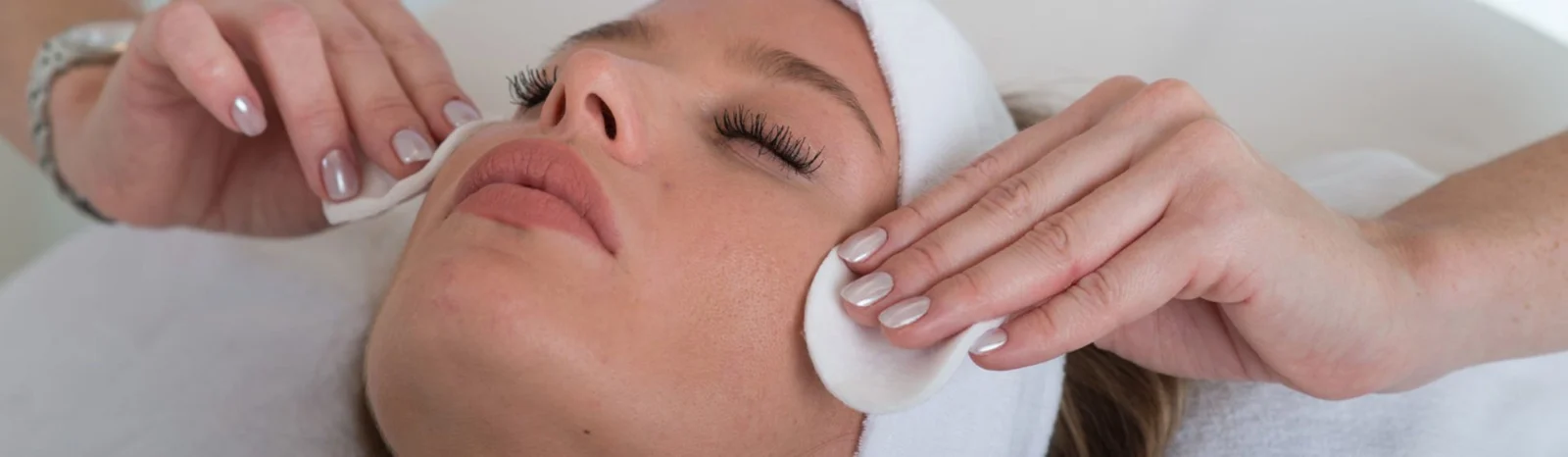
A chemical peel with fruit acids or trichloroacetic acid (TCA) helps remove the upper layers of the skin in a controlled way and encourages natural cell renewal. The peel removes pigmentation spots, and the skin looks smoother, fresher and more even.
If you want to treat acne scars and have superficial scars, you will benefit significantly from this method. The treatment combines very well with other treatments – such as laser or microneedling – and enhances their effect in a targeted way.
Microdermabrasion
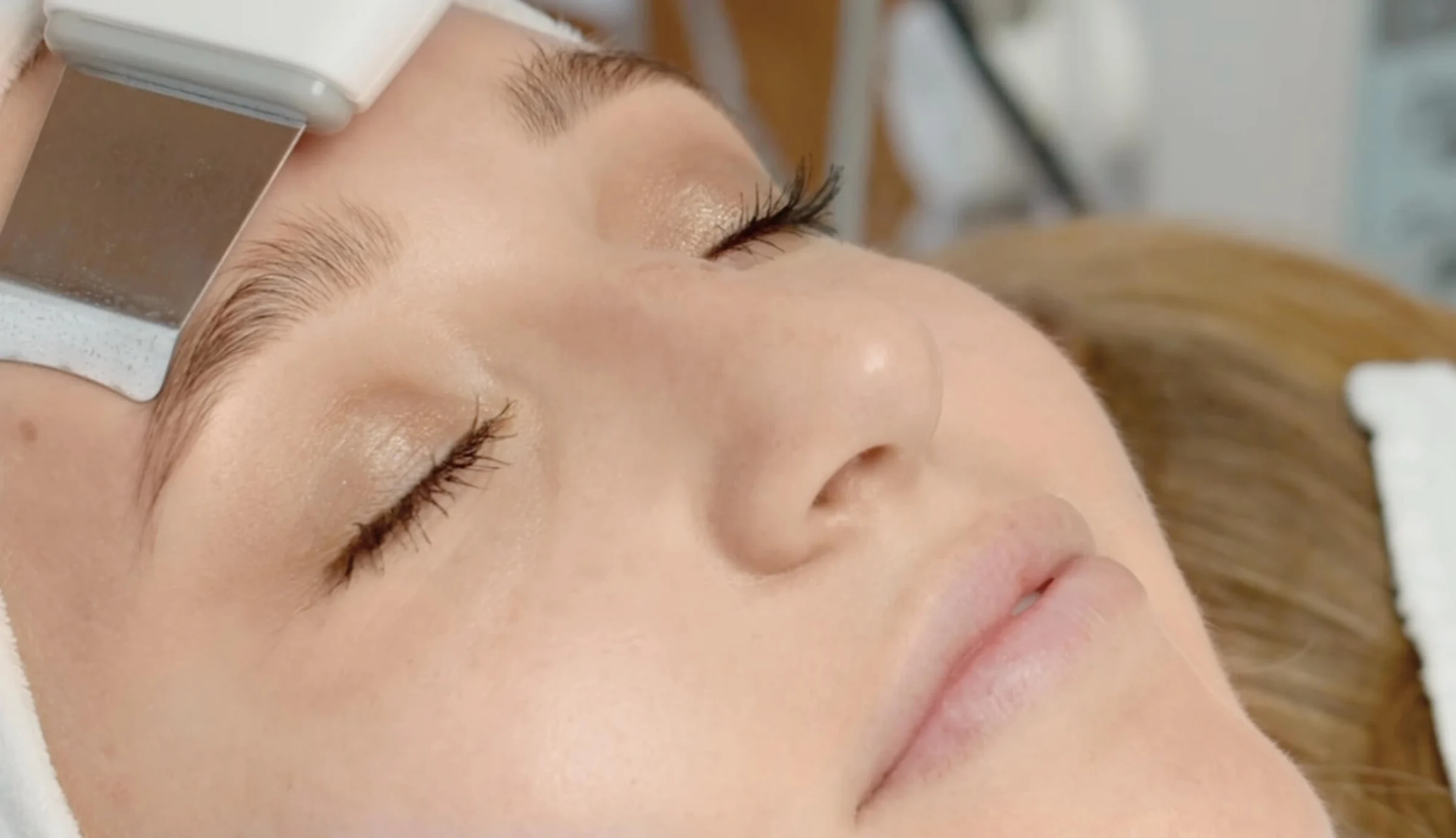
This mechanical exfoliation method gently removes the upper layer of the skin using fine crystals or diamond tips. The skin becomes smoother, blood circulation improves, and it becomes more receptive to skincare products.
The right method for your skin
The optimal method depends on the individual appearance of your skin, the depth of the scars and your personal goals. That is why a professional computerised skin analysis is critical.
In a detailed consultation, we determine whether CO2 laser, microneedling or a combination of different methods is the best solution. Personalised treatment plans deliver particularly effective results – gently, over the long term and without damaging the skin.
For a new feeling in your skin
Acne scars are not something you have to live with. If you dream of smooth, even skin, you can now take advantage of our medical methods to treat them. Acne scar treatment helps improve the appearance of the face, along with a renewed sense of ease and confidence.
Professional treatments, such as those offered at our Dermacare clinic in Petah Tikva, combine medical knowledge with advanced technology. Whether laser, microneedling or peeling, each method aims to improve skin texture, visibly fade scars and give you new skin.
The first step is a personal consultation – the start of a journey to smooth skin. Book an appointment now at Dermacare in Petah Tikva by phone on 03-6127888 or by email at info@dermacare.co.il.
Read more about anti-acne facial treatment at the Dermacare clinic in Petah Tikva.
Frequently asked questions
The skin looks fresher and firmer shortly after the treatment, but it may remain red for about 24 hours after microneedling. The process of cell renewal continues for several weeks to months and is completed after about 6 to 8 weeks. The results of the treatment also depend on the initial condition of the skin.
During the first three hours after the peel, the treated area must not be exposed to water or cosmetic products. After that, a moisturiser or sunscreen can be applied.
During a series of peel treatments, products containing vitamin A must not be used. Avoid sun exposure during the treatments and for up to two weeks after they end. In the event of sun exposure, use a sunscreen with a high protection factor (at least SPF 20, and preferably higher).
To prolong the results of the treatment, it is recommended to continue caring for the skin with dedicated products, such as creams containing a low concentration of glycolic acid.
It is recommended to wait about 8 weeks between treatments.
Proper preparation of the skin before the peel, as well as the aftercare, is essential to the success of the treatment. Anyone who is not prepared to follow the preparation and subsequent maintenance instructions is advised to avoid any aesthetic facial procedure, since without proper preparation good results cannot be achieved.
Please let us know if you smoke, if you have previously taken Roaccutane tablets, or if you suffer from internal diseases. A peel must not be performed during an active herpes outbreak or other acute inflammation, because of the risk of the infection spreading.
Before the treatment, you will receive a personal prescription from us that includes:
– A paraffin-based ointment
– An anti-inflammatory cream
– A moisturiser
– A sunscreen
As part of the skin preparation, retinol (Retin-A) cream and/or hydroquinone cream must be applied daily for 4-6 weeks before the peel. The cream must be applied evenly over the entire treated area, and not only on problem spots. In addition, a moisturiser and sunscreen must be used as part of the preparation process.
On the day of the peel, do not apply any make-up. Wash your face thoroughly with soap and water before arriving for the treatment.