
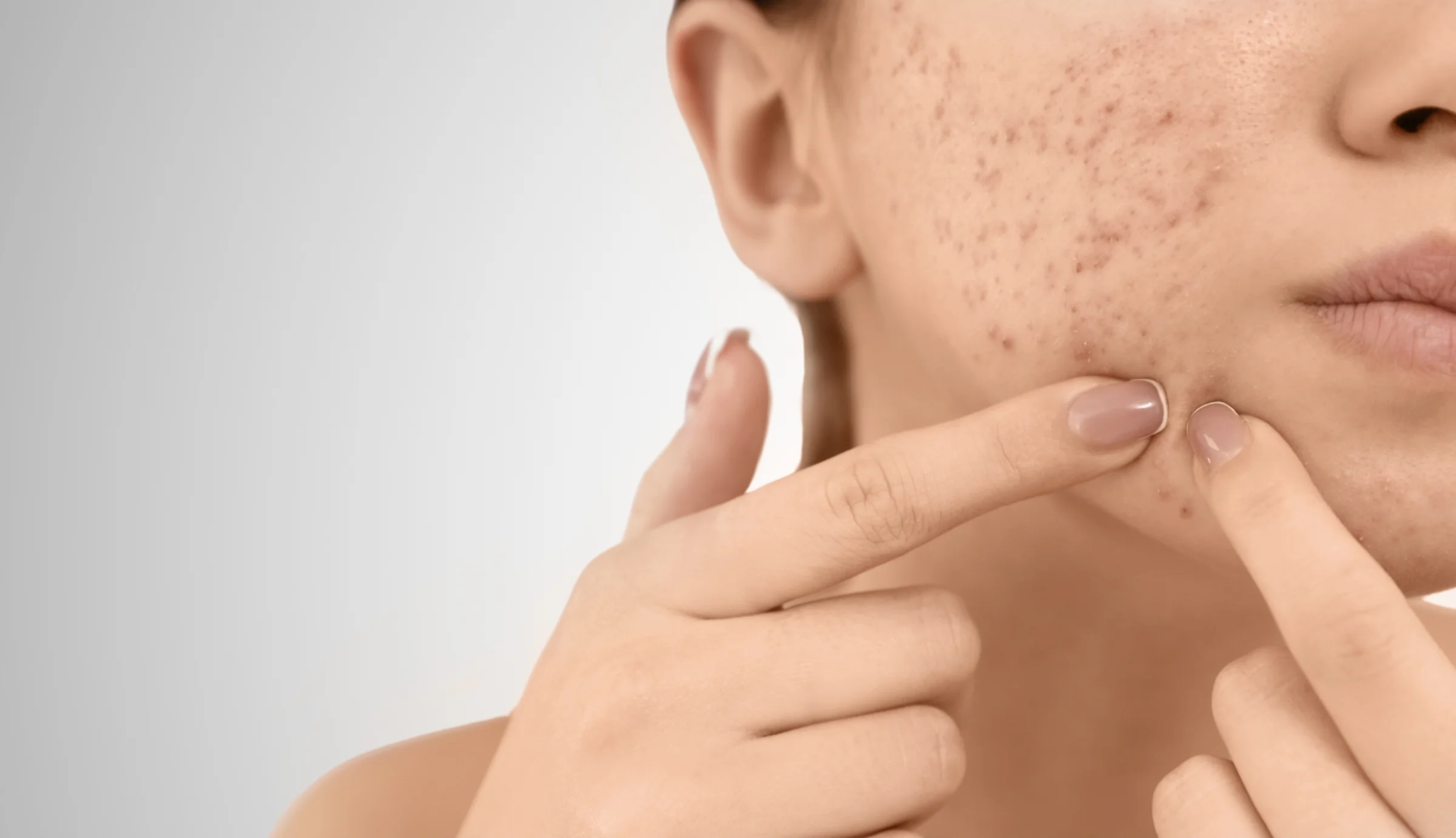
In brief
- Acne scars form when deep inflammation damages collagen and elastin, and squeezing spots increases the inflammation and the risk of scarring.
- Scars may be atrophic depressions, hypertrophic bumps or uneven marks, and they change the texture of the skin, not just its tone.
- Mild, superficial scars respond to products with retinol, fruit acids and niacinamide and a consistent routine.
- Deeper scars are suited to radiofrequency microneedling or CO2 laser.
- Prevention includes not squeezing spots, using anti-inflammatory non-pore-clogging products and applying sunscreen every day.
Acne is not a matter of age
Although acne usually appears during adolescence, with the hormonal changes that characterise this period, it can certainly also appear later in life. Other hormonal changes, inadequate hygiene, genetic predisposition, a diet rich in sugars and fats, or the use of certain medications – all of these can trigger an acne breakout. It can appear in varying degrees of severity: from subcutaneous oil (the pre-spot stage), through blackheads or whiteheads, to acne scars, pus-filled spots, cysts, swelling and inflammation.
Even after the skin has calmed down and the spots have disappeared, acne scars are often left behind on the face, back or décolletage. Acne scars can be no less troubling than the acne itself, as they create an uneven appearance and undermine self-confidence. In this article, we look at how they form and present the most advanced and effective ways to treat them – on the way to smoother, healthier skin.
What are acne scars?
Scars appear when the skin's healing process is disrupted – sometimes because of a genetic predisposition and sometimes as a result of incorrect external intervention. Popping spots or improper treatment in the early stages can leave clear marks behind – pits or scars. So if a new spot appears, it is best to avoid touching it and resist popping it. Precise, correct treatment from the very first stages is the key to keeping skin smooth and healthy.
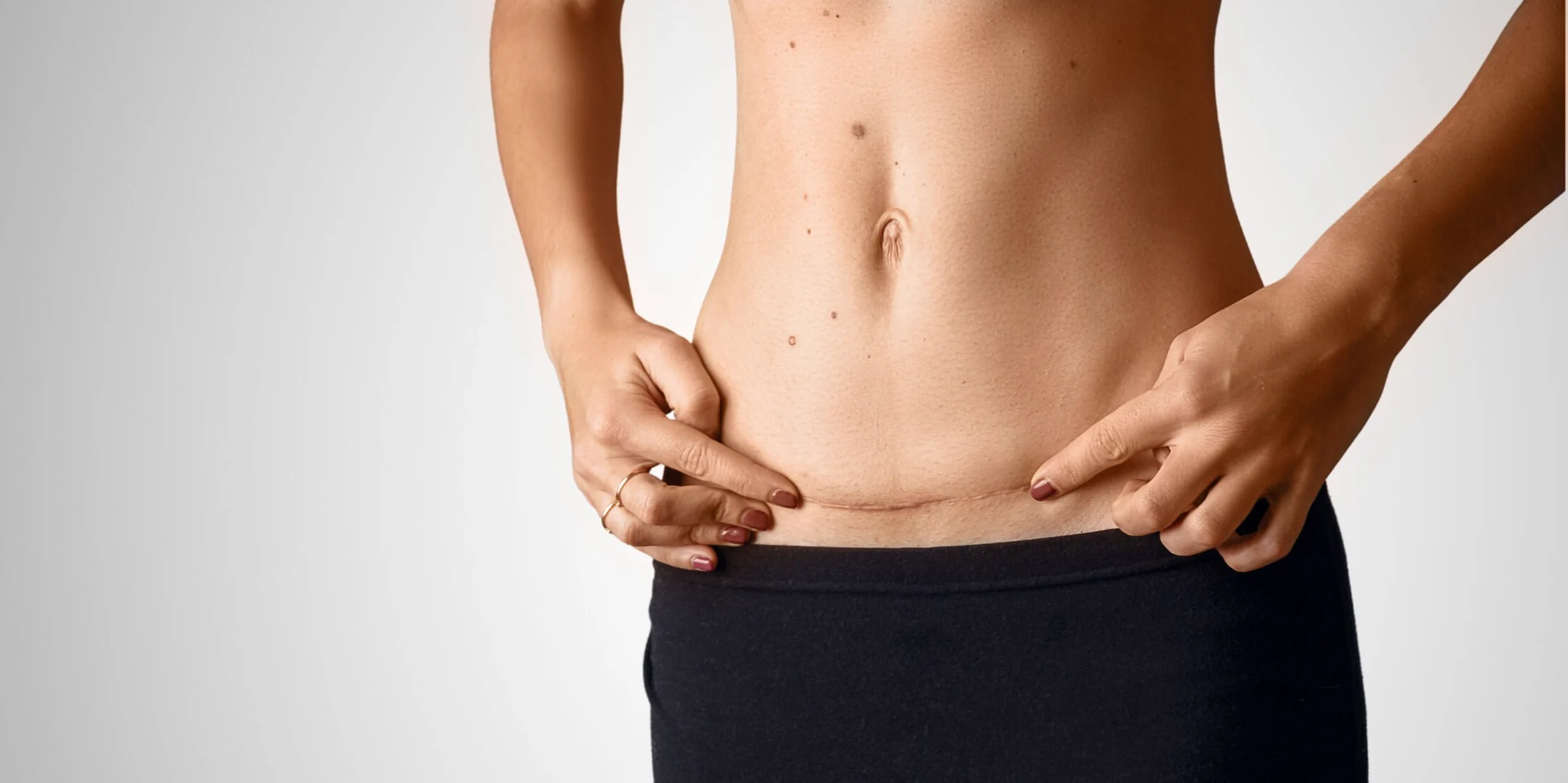
Unlike pigmentation spots, which mainly affect skin tone, acne scars cause a real change in skin texture. They may appear as depressions (atrophic scars), bumps (hypertrophic scars) or uneven marks. Although this is an aesthetic challenge, with professional, tailored treatment the appearance of scars can be significantly improved – and sometimes they can even be removed almost completely.
How do acne scars form?
Acne scars form when severe inflammation, such as that of deep acne spots (cysts or nodules), damages the skin tissue. The main causes include:
- Squeezing or picking spots – trying to squeeze spots increases the inflammation and damages the deep layers of the skin.
- Severe inflammation – deep spots can destroy the collagen and elastin in the skin and leave scars.
- Lack of appropriate treatment – ignoring acne or using unsuitable products can worsen the damage to the skin.
UV radiation from the sun can also worsen the appearance of scars by increasing the pigmentation around them, which makes them look more prominent. Sun protection is therefore especially critical in the hot Israeli climate.
Three effective methods for removing acne scars
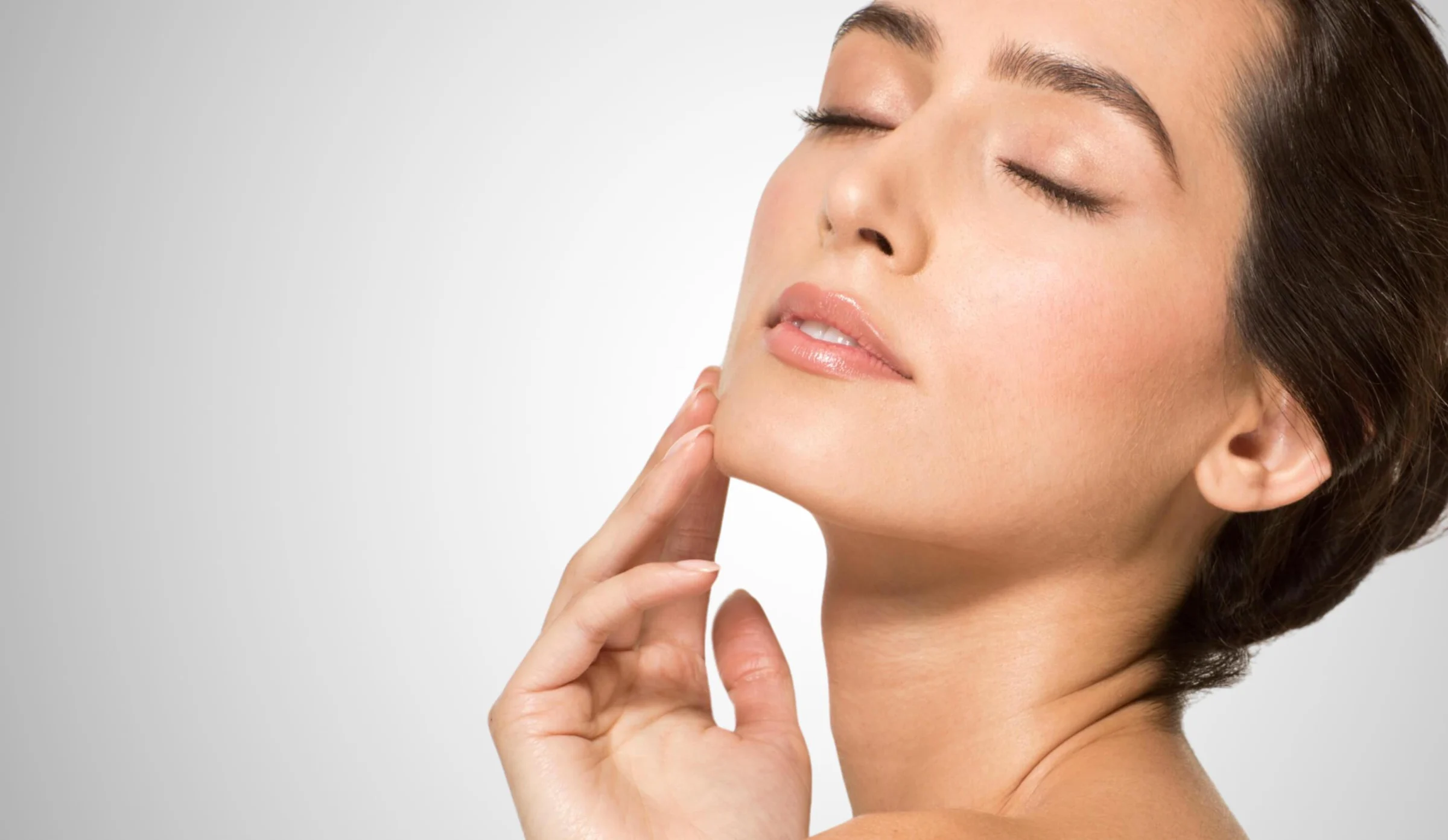
Today there are 3 advanced methods for removing acne scars that can significantly improve the appearance of the skin and restore its smoothness and evenness:
- Using active ingredients to encourage skin renewal – skincare products containing retinol or fruit acids (such as glycolic or salicylic acid) can help improve the appearance of mild acne scars by gently exfoliating the upper layers of the skin and encouraging cell renewal. Products with niacinamide (vitamin B3) may also reduce inflammation and brighten marks around the scars. A consistent skincare routine with these products will gradually improve skin texture, but it is mainly suitable for superficial scars and requires patience.
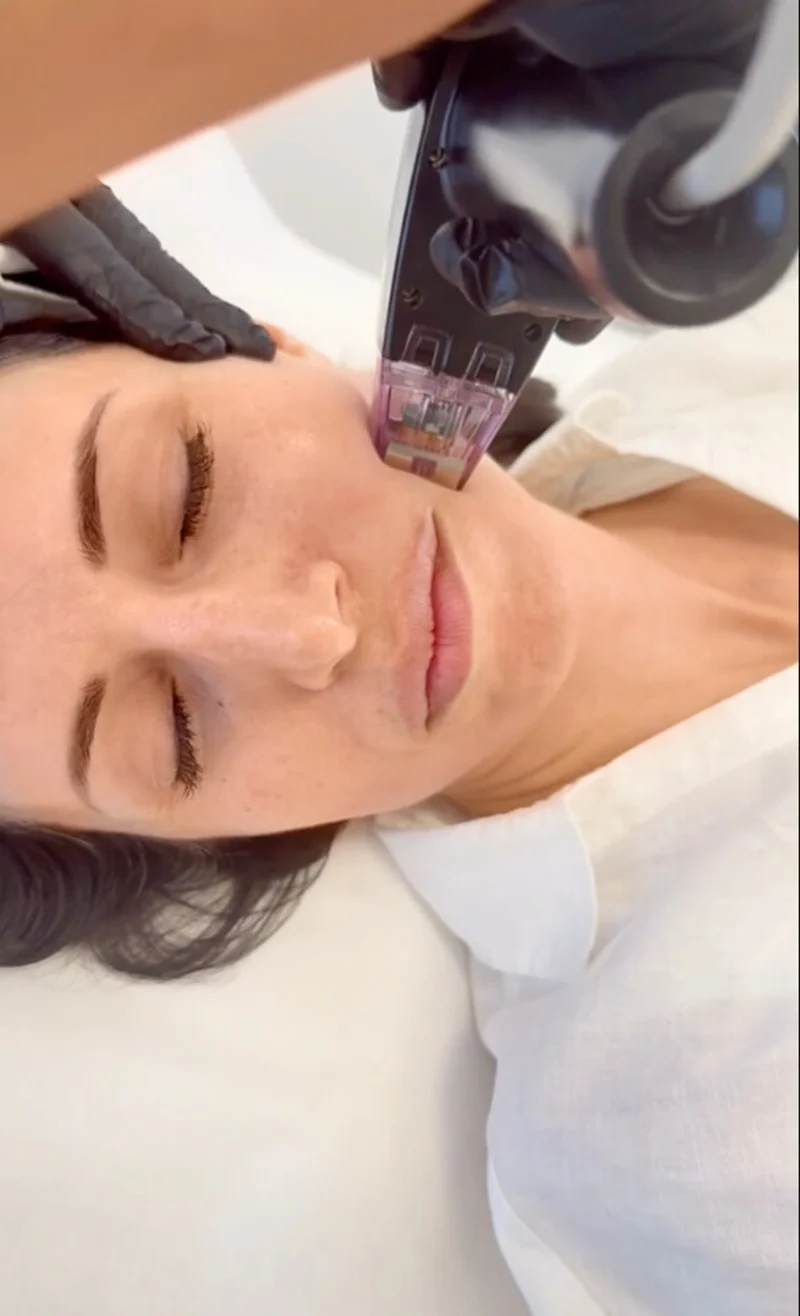
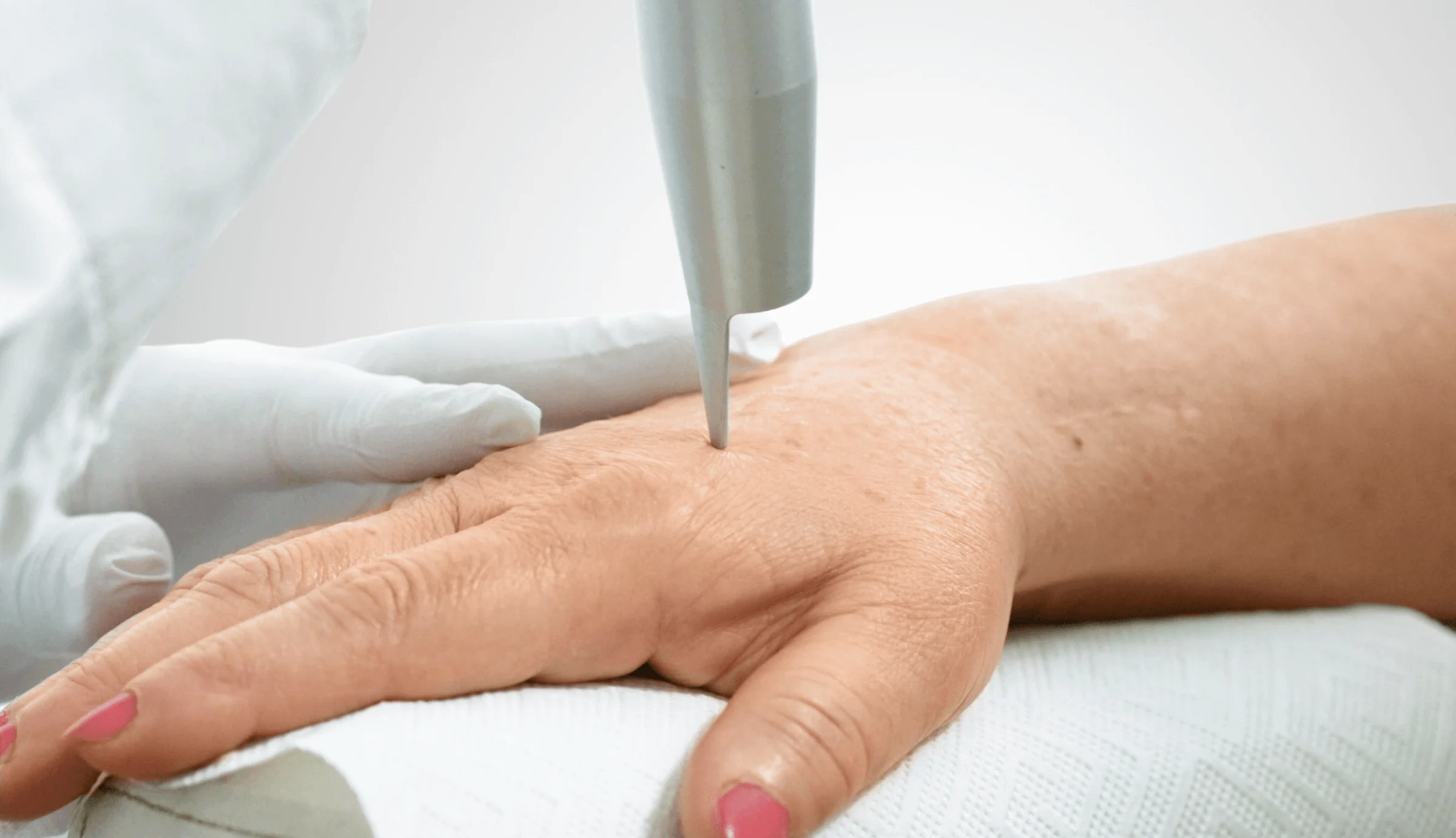
- Microneedling for acne scars – microneedling is a particularly effective treatment for acne scars, especially for treating deeper scars. This treatment uses tiny needles to create controlled micro-injuries in the skin, which stimulate the production of collagen and elastin. The result is smoother, more even skin with an improved appearance. At Dermacare, we use microneedling combined with radiofrequency to boost collagen production and improve skin texture. Many clients report a significant improvement in their scars and a renewed sense of confidence after several treatments.
- CO₂ laser treatment for deep, stubborn scars –
For prominent or extensive acne scars, CO2 laser treatment is a powerful solution. The laser precisely removes the damaged layers of the skin while encouraging the renewal of healthy cells, and it also treats deeper scars. It improves skin texture, reduces the depth of scars and gives the skin a smoother, younger appearance. The treatment combines precision and power, and it is ideal for those looking for dramatic results.
How can acne scars be prevented?
The best way to avoid needing to remove acne scars is to prevent them from forming in the first place. Here are some simple, effective steps:
- Avoid squeezing spots – it worsens the inflammation and damages the skin tissue.
- Use anti-inflammatory products – such as a gel with salicylic acid or benzoyl peroxide, to reduce inflammation.
- Apply sunscreen every day – use a high protection factor (SPF 50) to prevent scars from being worsened by UV radiation.
- Choose gentle, non-comedogenic skincare products – to prevent clogged pores and further inflammation.
Consistent sun protection is especially important, particularly if you use products with active ingredients such as retinol, which can increase the skin's sensitivity to the sun.
Professional treatment at the Dermacare clinic in Petah Tikva
Want to remove acne scars and enjoy smooth, even skin? At Dermacare in Petah Tikva, you will find a professional team that will accompany you through the process. We will examine the condition of your skin in depth and recommend the most suitable treatment – from advanced skincare products to treatments such as microneedling.
Our goal is to help you feel wonderful in your own skin! Contact us today and book a consultation at Dermacare in Petah Tikva. Call us on 03-6127888 or email info@dermacare.co.il, and together we will map out the path to smooth, flawless skin full of confidence. Take the first step towards the perfect skin you deserve!
Read more about anti-acne facial treatment at the Dermacare clinic in Petah Tikva.
Frequently asked questions
IPL treatment is painless and well tolerated. During the treatment, you will feel only a pleasant warmth on the surface of the skin in the treated area.
During the first three hours after the peel, the treated area must not be exposed to water or cosmetic products. After that, a moisturiser or sunscreen can be applied.
During a series of peel treatments, products containing vitamin A must not be used. Avoid sun exposure during the treatments and for up to two weeks after they end. In the event of sun exposure, use a sunscreen with a high protection factor (at least SPF 20, and preferably higher).
To prolong the results of the treatment, it is recommended to continue caring for the skin with dedicated products, such as creams containing a low concentration of glycolic acid.
IPL treatments are particularly gentle and do not cause visible changes. During the treatment and for about 30 minutes afterwards, slight redness may appear, but it passes quickly. IPL treatment does not cause scarring or damage to the skin.
Proper preparation of the skin before the peel, as well as the aftercare, is essential to the success of the treatment. Anyone who is not prepared to follow the preparation and subsequent maintenance instructions is advised to avoid any aesthetic facial procedure, since without proper preparation good results cannot be achieved.
Please let us know if you smoke, if you have previously taken Roaccutane tablets, or if you suffer from internal diseases. A peel must not be performed during an active herpes outbreak or other acute inflammation, because of the risk of the infection spreading.
Before the treatment, you will receive a personal prescription from us that includes:
– A paraffin-based ointment
– An anti-inflammatory cream
– A moisturiser
– A sunscreen
As part of the skin preparation, retinol (Retin-A) cream and/or hydroquinone cream must be applied daily for 4-6 weeks before the peel. The cream must be applied evenly over the entire treated area, and not only on problem spots. In addition, a moisturiser and sunscreen must be used as part of the preparation process.
On the day of the peel, do not apply any make-up. Wash your face thoroughly with soap and water before arriving for the treatment.