

In brief
- Modern anti-ageing starts early: preserving skin quality and treating the first changes, not just repairing damage that has already set in.
- From the ages of 25-30 the body loses about 1% of its skin collagen every year, and sun exposure is responsible for up to 80% of visible signs of ageing.
- The choice of treatment should be based on a diagnosis of the source of the problem, not on a trend, a recommendation or a picture online.
- Computerised skin analysis shows hydration, the depth of fine lines, pigmentation, pores and sun damage that are not always obvious to the eye.
- With device-based treatments such as Morpheus8 and PRP, improvement builds up gradually, and sometimes a series of treatments or a combination of several methods is needed.
If you have recently been looking in the mirror and feeling that your skin looks a little less fresh, a little less firm, or that fine lines have simply appeared that weren't there before, you are not alone. In most cases, this is exactly the point at which an interest in anti-aging solutions begins.
The short answer is this: modern anti-aging doesn't start when "everything needs fixing", but much earlier. The aim is to preserve skin quality, treat the first changes in time, and build a smart plan tailored to your facial structure, skin type, lifestyle and realistic expectations.
What is anti-aging and why is it relevant to you right now
Anti-aging is not a term that refers only to deep wrinkles or older age. In aesthetic medicine, it is a broad approach that combines prevention, preservation and correction.
Put simply, you don't necessarily wait until the skin "drops" or the change becomes dramatic. Treatment takes place at a stage when it is possible to have a more precise, gentler and usually more natural effect.
There used to be a perception that you only start thinking about treatments at a later age, once the signs are already very clear. Today the approach is different. It is understood that it is worth looking at the skin earlier, identifying trends, and not just reacting to damage that has already set in.
What are we actually trying to achieve
Not to "change your face", and not to create a tight or artificial look. The right goals are usually:
-
Preserving skin quality
More evenness, more vitality, a less tired look. -
Slowing down existing processes
Laxity, volume loss, fine lines and a less smooth texture. -
Choosing a treatment based on the real problem
Not every wrinkle needs filling, and not every case of laxity needs Botox. -
Building a process rather than chasing a quick fix
Sometimes the right treatment is a series, a combination of several tools, or even waiting.
Those looking to understand the world of skin firming and tightening anti-aging treatments quickly discover that there is no single treatment that suits everyone.
An important point: many patients come in with an idea for a particular treatment, but after a professional assessment it turns out that the main problem is something else entirely. This happens far more often than you might think.
When you understand the map correctly, it is easier to choose. And then the results usually look better, more natural and, above all, suited to the person themselves.
What causes our skin to age

Once you understand why the skin changes, it is much easier to understand why one treatment helps one person and won't necessarily suit another. Skin ageing is not a single event. It is a combination of a natural biological process and cumulative damage from the environment and our habits.
Intrinsic ageing
This is the body's natural process. The ageing process starts earlier than people think, and from the ages of 25-30 the body loses about 1% of its skin collagen every year, a process that leads to the appearance of the first fine lines and a loss of elasticity.
There is also a broader figure according to which the body loses about 14% of its growth factors every ten years, including hyaluronic acid, elastin and collagen. Clinically, this explains why over time we see less volume, less elasticity and a slower response of the skin to natural repair processes.
Extrinsic ageing
Here we are talking about factors that are not purely genetic. They don't always create the problem from scratch, but they can certainly accelerate it.
The main factor in Israel is sun exposure. According to the same estimates, sun exposure is responsible for up to 80% of visible signs of ageing. This is especially significant in a country like Israel, where the sun is strong for much of the year.
Alongside the sun, there are other factors too:
-
Chronic stress
May affect skin quality and its ability to recover. -
Smoking
Damages tissue quality and the overall appearance of the skin. -
Insufficient sleep
Doesn't create wrinkles out of nowhere, but can certainly worsen a tired, lacklustre look. -
An unsuitable skincare routine
Creams don't correct significant laxity, but the wrong routine can worsen dryness, irritation and unevenness.
What we actually see in the clinic
Some patients have fine lines but good skin quality. Others come in with almost no wrinkles but with laxity, pigmentation or a rough texture. That is why we don't just look at "how many wrinkles there are".
Not every sign of ageing stems from the same mechanism. This is exactly why the right treatment starts with diagnosing the source of the problem, not with automatically choosing a popular treatment.
When ageing is mainly the result of sun damage and texture, the treatment direction will be different from a situation in which the main problem is volume loss or overactivity of the facial expression muscles.
Personalised anti-aging assessment: your first step at Dermacare
The most common mistake in the world of anti-aging is choosing a treatment based on a trend, a friend's recommendation or a picture online. In a real clinic, that is almost never enough.
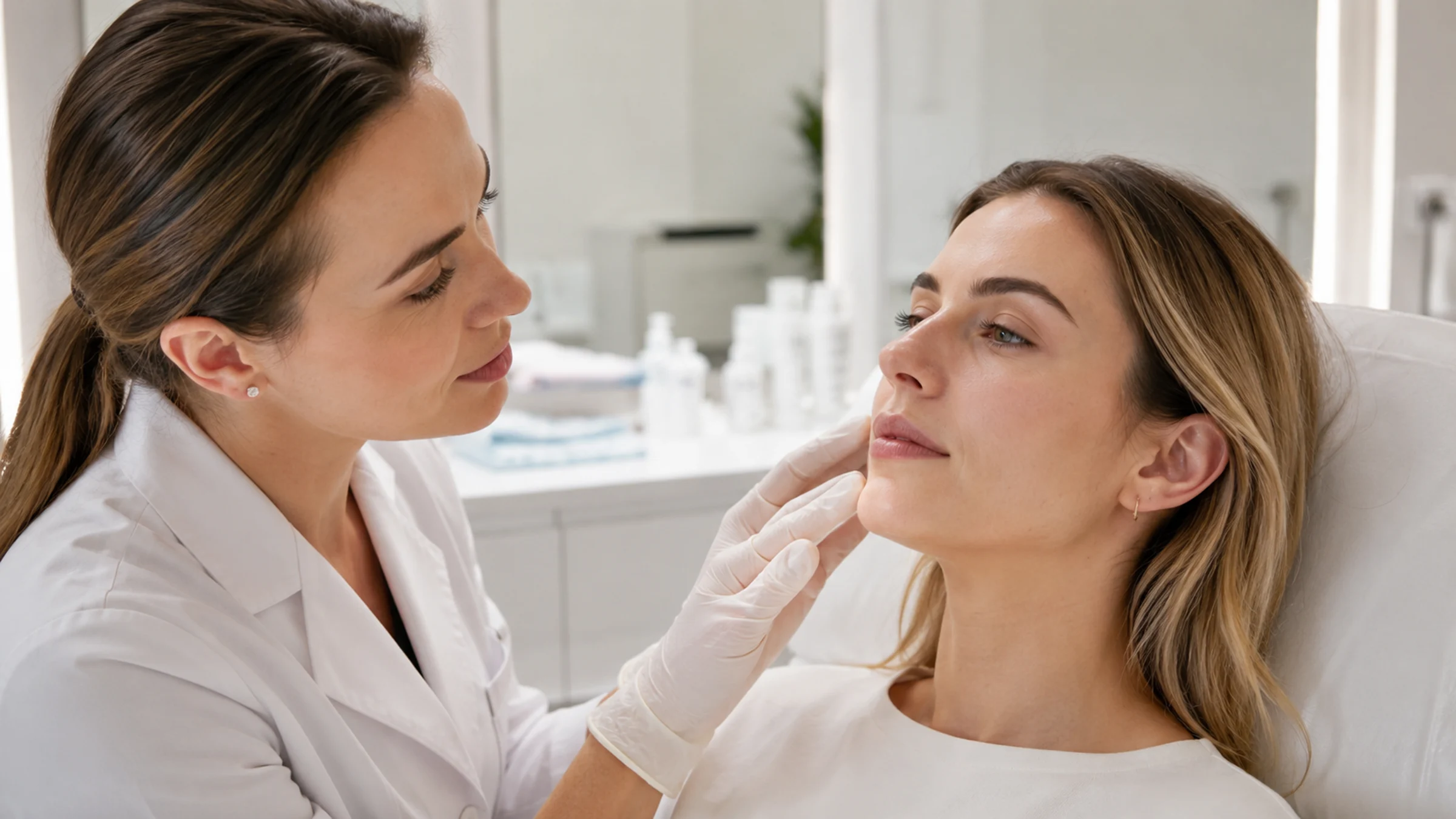
Two patients can come in with the same complaint, for example "my skin looks tired", but in reality one has reduced hydration and a loss of radiance, the second has slight laxity along the jawline, and another has pigmentation and sun damage. If the same solution is chosen for everyone, the chance of disappointment increases.
Why assessment comes before treatment
Good anti-aging relies on personalisation. Before deciding whether it is better to choose Botox, hyaluronic acid, PRP, a device-based treatment or a combination of these, you need to understand a few basic things:
-
What really bothers you
An expression line, a slight drop, volume loss, texture, pores, spots or a generally tired look. -
What condition the skin itself is in
Sensitivity, skin thickness, hydration level, a tendency towards pigmentation and a history of previous treatments. -
What your expectations are
Some people want a very subtle change, and others are looking for a more noticeable effect, as long as it still looks natural. -
What is medically suitable and safe
Not every treatment is right at every stage, and not every patient is suitable for every technology.
What a proper assessment process looks like
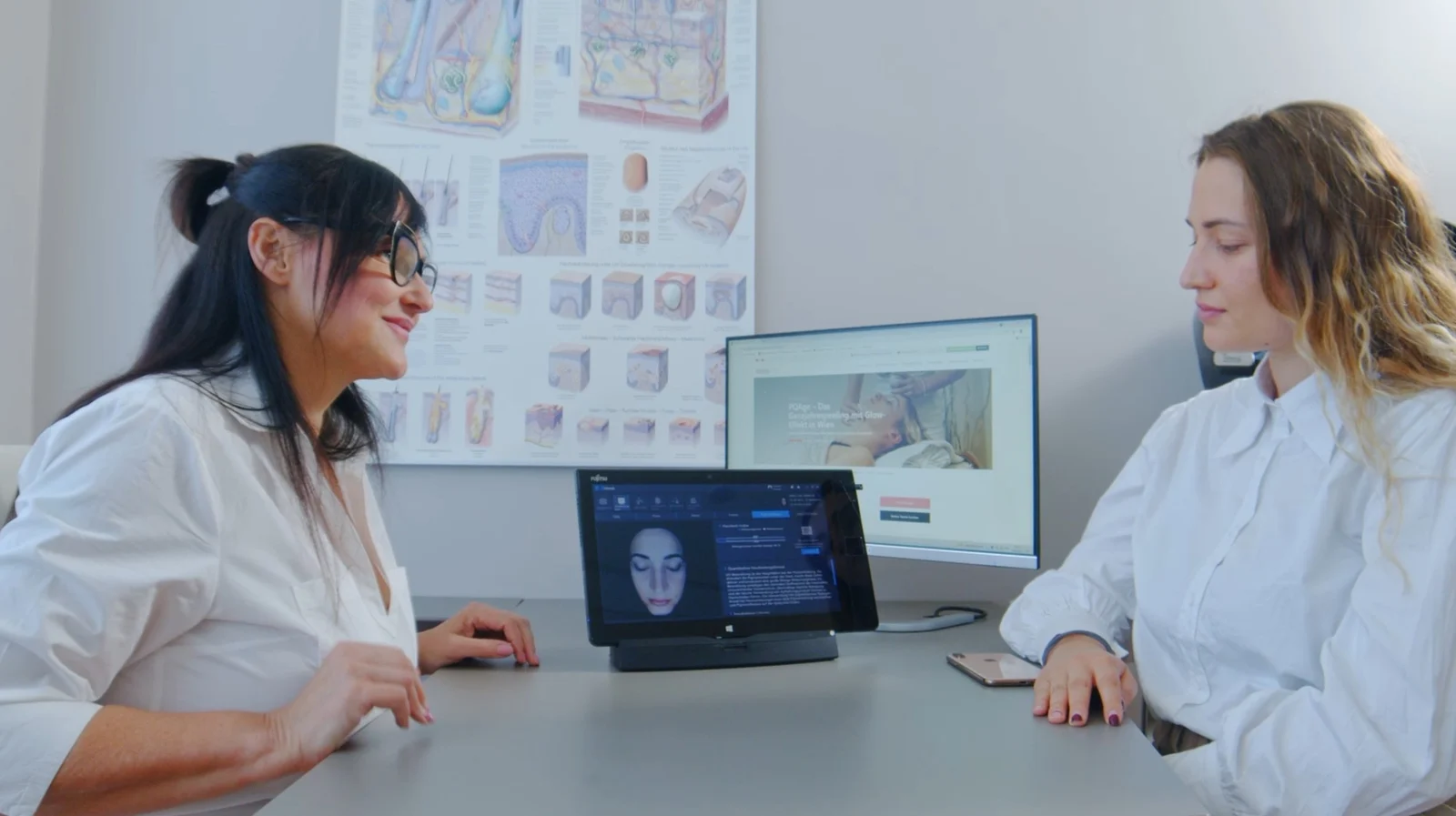
In practice, a professional consultation begins with a structured conversation. We review medical history, regular medication, sensitivities, previous treatments, the main areas of concern and expectations.
After that, an objective skin examination is of great value. With computerised skin analysis it is possible to get a more accurate picture of the skin's condition, including hydration level, the depth of fine lines, pigmentation, the condition of the pores and sun damage that is not always obvious to the naked eye.
This is especially important when trying to build a plan rather than just a single treatment. Sometimes what looks in the mirror like a "need for Botox" turns out to be a skin quality problem. In other cases, a patient is convinced she needs tightening, but in reality the main deficiency is volume.
A practical working rule: if you don't define the goal of each treatment, it is very easy to end up with a partial result. One treatment is designed to relax a muscle, another to restore volume, and another to stimulate collagen production. Mixing them without a diagnosis creates confusion, not precision.
This is exactly why, in a properly structured clinical setting, a plan is built according to priorities. What is more urgent, what is better postponed, and what isn't needed at all.
Technology- and device-based anti-aging treatments
Not every anti-aging treatment is based on injections. There is a large group of treatments whose aim is to stimulate the skin to work, recover and rebuild collagen and elastin through controlled stimulation of the tissue.
This is especially suitable for those looking for an improvement in skin quality, firmness, texture, pores, fine lines and sometimes also a gradual restoration of skin damaged by the sun or by age.
Classic microneedling
Microneedling is a treatment in which tiny, controlled injuries are created in the skin using fine needles. The aim is not to "injure" the skin, but to cause it to activate natural repair mechanisms.
In the clinic, this treatment can suit those with uneven texture, fine lines, enlarged pores or relatively superficial scars. It won't always be enough when there is more significant laxity, but it can be a good starting point.
The advantages of microneedling
-
Encourages natural regeneration
Suitable for those who prefer a gradual approach. -
Can improve texture
Especially when skin quality is the main problem. -
Can be combined
It is sometimes combined with active ingredients or other treatments, as appropriate.
The limitations you need to understand
Classic microneedling is not a "non-surgical facelift". When there is deep laxity or a need for significant tightening, a stronger and more precise tool is usually needed.
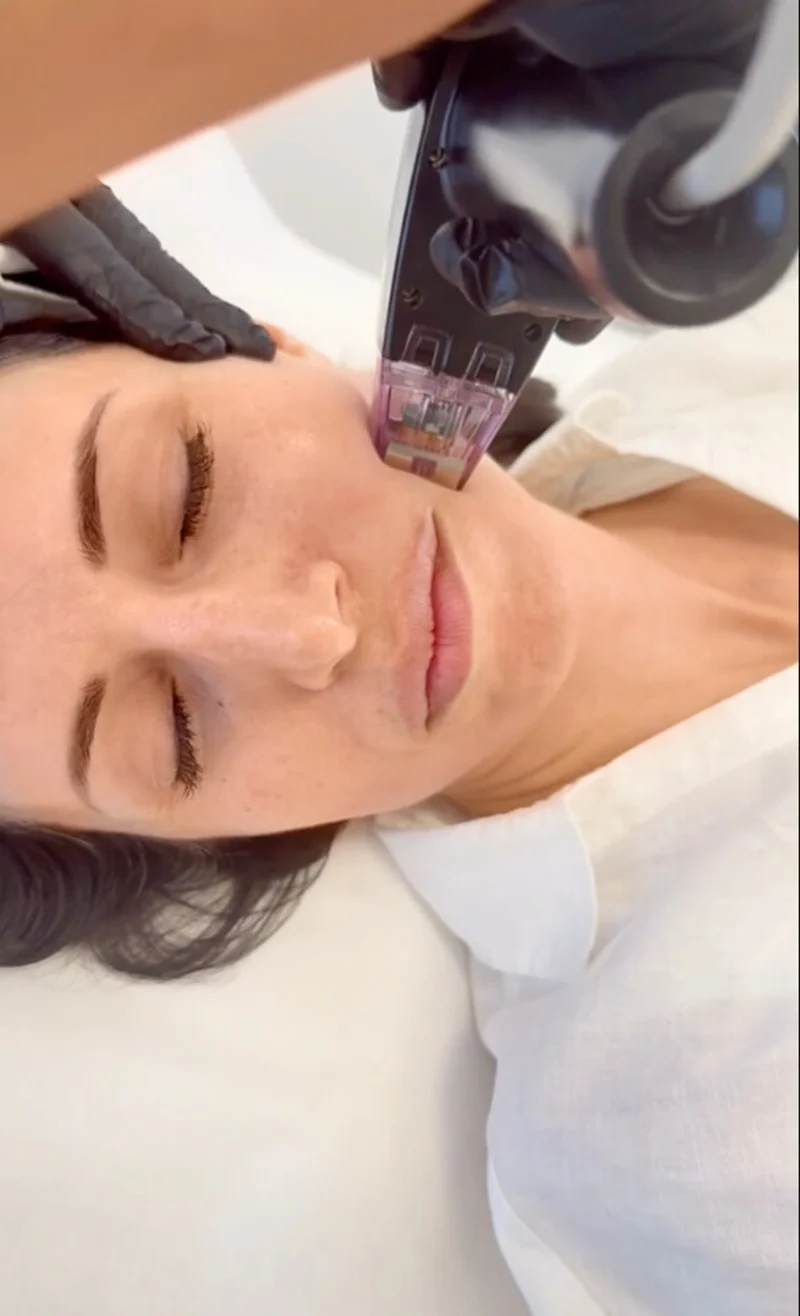
RF Microneedling and Morpheus8
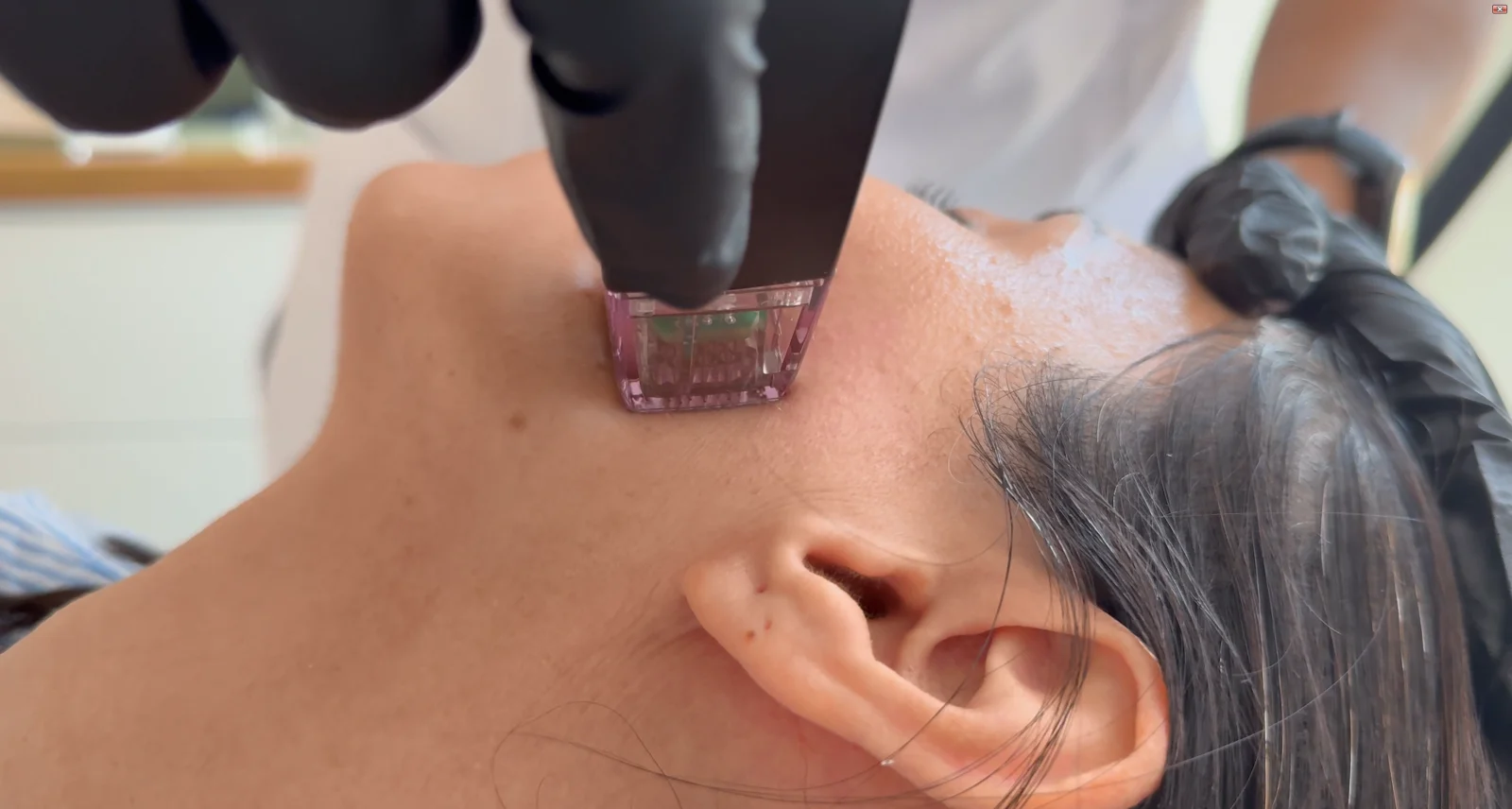
Here we are talking about a more advanced generation. Instead of relying on micro-injuries alone, radio waves are also used to heat the tissue at a controlled depth.
According to the data, the RF Microneedling technology of devices such as Morpheus8 creates controlled micro-injuries at a depth of up to 4 mm and heats the tissue to 55-65 degrees Celsius, which leads to an increase of up to 300% in the amount of collagen. In addition, clinical studies show an improvement of 40-60% in fine lines and skin firmness after a series of 3-4 treatments.
Who it is mainly suitable for
-
Mild to moderate laxity
-
Fine lines
-
Uneven skin texture
-
Face and neck areas, and sometimes other areas as appropriate
In radiofrequency treatment for the face this approach is used to work on firmness and improve tissue quality, with the choice of depth and intensity determined by the skin type and the area being treated.
What you feel and what you see after the treatment
There is usually redness, sensitivity and sometimes mild swelling. Recovery is usually relatively short, but this depends on the depth of the treatment and the skin's individual response.
Some patients see an early change towards a firmer look, but the main idea of a treatment like this is a biological process. That is why the more significant improvement builds up gradually.
A good technology-based treatment is not always the one that gives the fastest effect, but the one that matches the mechanism of the problem. In lax skin with reduced tissue quality, this is sometimes a more precise choice than immediate filling.
Advantages versus disadvantages
| Aspect | What you need to know |
|---|---|
| Goal | Tightening, improved texture, collagen stimulation |
| Advantage | Works on the quality of the tissue itself |
| Disadvantage | Requires patience and sometimes a series |
| Recovery | Usually relatively short, but not zero |
| Result | Builds up gradually and is not always immediate |
PRP, or platelet-rich plasma treatment
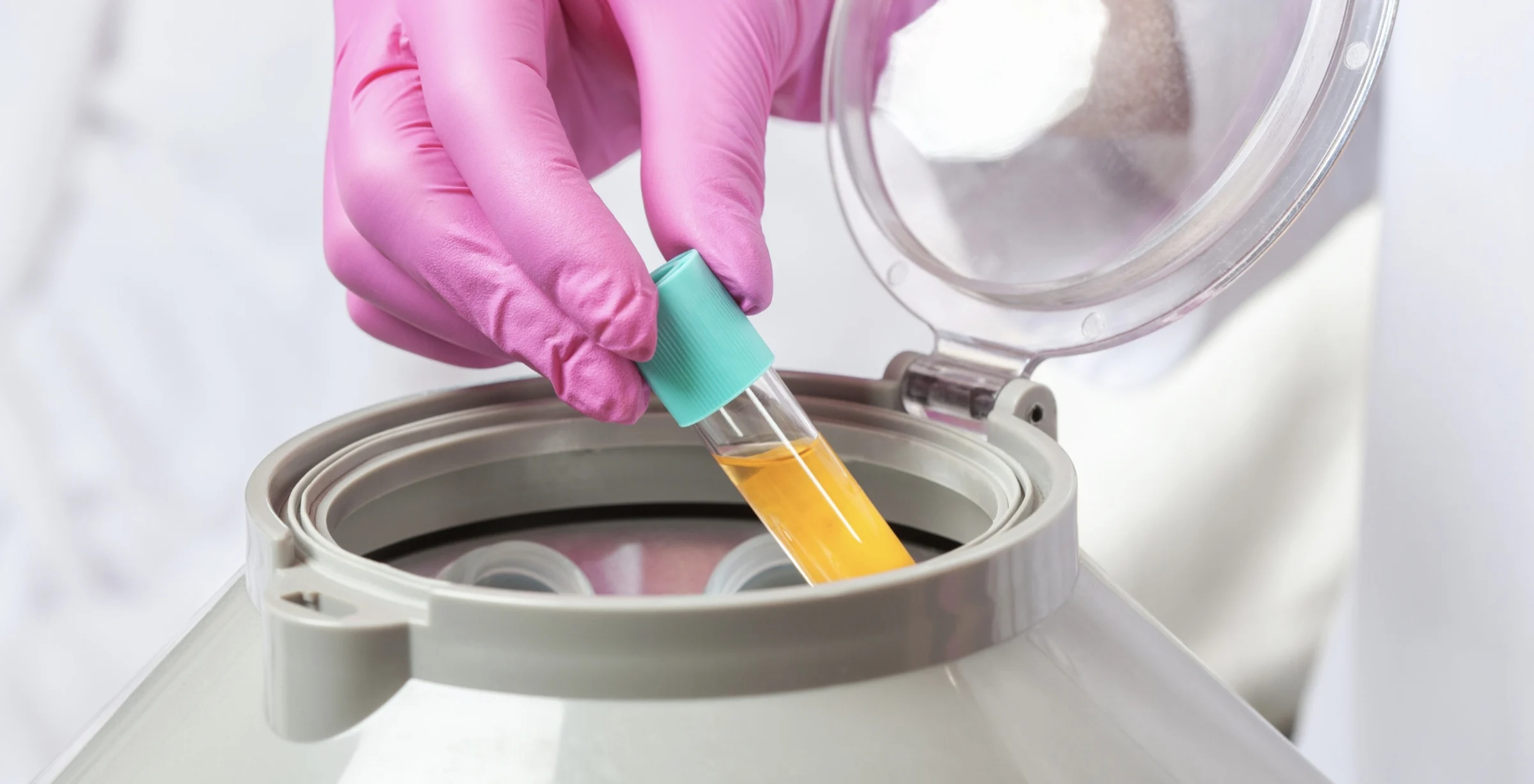
PRP is based on the patient's own blood. After processing, platelet-rich plasma is obtained, which contains growth factors and is used to stimulate repair and renewal processes.
The advantage of PRP is that it relies on the body's own biological material. On the other hand, you need to understand that it is not a filler treatment, not a muscle-relaxing treatment, and not a magic solution for advanced laxity.
When PRP can be a good choice
-
When looking for a gradual improvement in skin quality
-
When you want to combine it with other treatments
-
In cases of a tired look, thin skin, and sometimes also as part of hair treatment
According to the data, combining RF Microneedling with PRP may increase the effectiveness of tissue renewal by about 25%, which is why combining the two is sometimes more suitable than either treatment on its own.
What works and what works less well
What usually works well with device-based treatments is an improvement in skin quality, a more vibrant look, moderate to significant tightening depending on the treatment, and a change that looks natural.
What works less well is expecting one technology-based treatment to replace every need for injections or to solve laxity, volume loss, expression lines and sunspots all at once. In most cases, that is not realistic.
So the decision is not "which treatment is the best", but which treatment suits the right goal.
Injectable anti-aging treatments: the complete guide
When people talk about anti-aging, most of them think first and foremost about injections. That is natural. Injections offer a targeted, clear and sometimes relatively quick solution, but it is important to understand that there is a big difference between the types of substances and their goals.
According to the data, the field of anti-aging in Israel has developed significantly over the last decade, and injectable treatments are at the forefront. Botox is used not only to smooth expression lines but also to reduce excessive sweating, hyaluronic acid is used for wrinkle filling, lip and jawline shaping, and biostimulators such as Radiesse and Sculptra encourage the body to produce collagen itself, as detailed in the article on anti-aging treatments and injections in Israel.
Botox
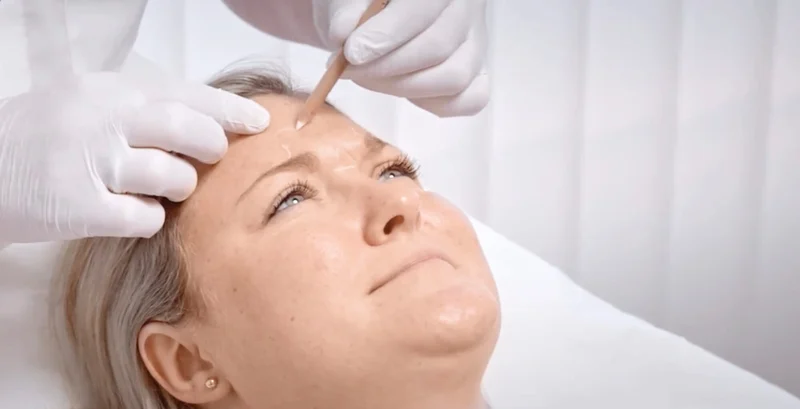
Botox is mainly intended for one very specific problem: wrinkles caused by muscle activity. In other words, expression lines.
This is a treatment that doesn't "fill" wrinkles, but rather relaxes muscle activity in the treated area in a controlled way. That is why it is particularly suitable for the forehead, between the eyebrows and, in some cases, the area at the sides of the eyes.
When Botox is the right choice
If the wrinkle becomes more noticeable when you raise your eyebrows, frown or make a certain expression, this is usually a good indication that it is an expression line.
There are also other uses, for example reducing excessive sweating. This is a good example of the fact that not every facial injection is intended only for the aesthetics of wrinkles.
What you need to understand in advance
-
Botox doesn't restore skin quality.
-
It doesn't replace treatment for texture, pigmentation or laxity.
-
It is not suitable for every complaint of "looking tired".
Those who want a structured understanding of the basics can also read the complete guide to Botox treatments.
Hyaluronic acid
Here the goal is completely different. Hyaluronic acid doesn't relax muscles; it is mainly used for filling, support, shaping and volume enhancement.
It can be suitable for certain static wrinkles, for areas that have lost volume over the years, and for subtle shaping of areas such as the lips, jawline or chin. Sometimes it is also used to improve proportions, not just to "erase a wrinkle".
Where you need to be careful
The common mistake with fillers is trying to solve a laxity problem with more and more volume. This doesn't always work, and in some cases it even harms the harmony of the face.
In other words, if the problem is tissue sagging, filling alone won't always provide a precise solution. Sometimes it will just add heaviness.
The right choice of hyaluronic acid depends less on the question "where is something missing" and more on the question "why is it missing". Is it genuine volume loss, sagging, facial structure, or a combination of these?
Who it is suitable for
-
Those with volume loss
-
Those seeking subtle, controlled shaping
-
Those looking for a result that is visible relatively immediately
Biostimulators
This is the category that many patients hear about but don't always understand how it differs. Biostimulators are not classic fillers in the usual sense.
Their aim is to encourage the body to produce collagen. In other words, instead of just filling volume, they work on a deeper restorative process. This approach is particularly suitable for those who want a natural, gradual and less "filled" result.
When biostimulators are considered
Usually when there is a decline in tissue quality, some laxity, general depletion or a need for rebuilding rather than just adding volume at specific points.
They can also be suitable as part of a combined plan. For example, one treatment for expression lines, another treatment for skin quality, and a biostimulator for gradually building up tissue support.
What you need to know about expectations
Biostimulators are not a choice for those who want "to see everything now". They are better suited to patients who understand that a good result can be built up over time.
Side effects and risks that need to be discussed
With injections, as with any medical procedure, the less glamorous side also needs to be discussed. Redness, swelling, sensitivity and sometimes local bruising may occur. Beyond that, technique, correct diagnosis, choosing a suitable product and understanding facial anatomy are of great importance.
The greatest risk in aesthetic medicine is not necessarily the substance itself, but an unsuitable match or an unnecessary treatment. That is why professional judgement is no less important than technique.
What works and what doesn't
What works with injections is precision. When the diagnosis is good, a targeted problem can be treated elegantly.
What doesn't work is looking at the whole face as "something that needs filling". Proper anti-aging isn't built on automatic additions, but on balance.
Comparing anti-aging treatments: what suits me
Once you understand the types of treatment, the obvious question is what to choose. The short answer is that there is no single treatment that suits everyone, but it is certainly possible to bring some order.
If the main problem is expression lines on the forehead or between the eyebrows, Botox will usually be a logical first direction. If volume loss is noticeable in the cheeks, lips or jawline, fillers may be more suitable. When the main complaint is laxity, texture or a decline in skin quality, technology-based treatments or biostimulators can be more precise.
Comparison table of leading anti-aging treatments
| Treatment | Main goal | Mainly suitable for | Recovery time | Estimated cost per session (ILS) | When results are visible |
|---|---|---|---|---|---|
| Morpheus8 / RF Microneedling | Tightening, improved texture, collagen stimulation | Mild to moderate laxity, fine lines, uneven texture | Usually relatively short | 300-800 | Gradually, usually after a series |
| PRP | Improving skin quality and renewal | Tired skin, poor skin quality, combination with other treatments | Usually relatively short | Depends on the treatment plan | Gradually |
| Botox | Muscle relaxation and smoothing of expression lines | Forehead, between the eyebrows, sides of the eyes, excessive sweating | Usually very short | Depends on the area and dosage | Usually within a relatively short time |
| Hyaluronic acid | Filling, shaping, restoring volume | Volume loss, certain wrinkles, lips, jawline | Usually relatively short | Depends on the product and area | Usually relatively immediate |
| Biostimulators | Stimulating collagen production | Tissue depletion, laxity, need for gradual restoration | Usually relatively short | Depends on the product and plan | Gradually |
The table helps you find your way, but it is no substitute for an assessment. The same treatment can be an excellent choice for one patient and the wrong one for another.
How to use the table correctly
-
Start with the main problem
What really bothers you most: an expression line, laxity, volume or skin quality. -
Work out whether you are looking for an immediate result or a process
Some treatments show results faster, and others build a natural result over time. -
Don't choose based on price or popularity alone
An unsuitable treatment is expensive even if it cost less.
Summary and conclusions for planning your anti-aging programme
Proper anti-aging isn't measured only by which treatment you had, but by how well the whole plan suited you. It is a field that combines the science of skin ageing with precise clinical decision-making. Today there is a wide range of tools: advanced devices, injections, biostimulatory treatments and complementary solutions for improving skin quality. But the key to a good result is not chasing a "stronger" treatment, but choosing a more suitable one.
In most cases, the goal is not to look different. The goal is to look fresher, more vibrant and, above all, natural. That is why a personal assessment, a look at the structure of the face and skin, and professional management of expectations are the foundation of any successful process. The information in this article is general and is no substitute for personal advice. If you are unsure, the right step is a structured assessment, not an independent decision based on a trend.
Want to understand exactly what suits you? The Dermacare team will be happy to assess your skin condition, the suitable type of treatment and realistic expectations – in a professional, personal and precise way. To book a consultation, you can contact us here.
Frequently asked questions
A treatment is not chosen by age alone. It is chosen according to skin condition, lifestyle, genetics and the first signs that begin to appear.
In practice, many people begin to think about prevention in their late 20s or early 30s. This does not mean everyone needs treatment at this stage, but that it is worth starting an assessment and mindful monitoring.
Yes. The field has long since stopped being for women only. According to estimates, about 10% of men in Israel aged 40-60 seek aesthetic treatments, and demand is on the rise
The treatments common among men include Botox for forehead lines, jawline filling for a more defined look, Morpheus8 to improve skin texture and PRP to address hair loss.
In many cases yes, and sometimes it is even the better approach. For example, one treatment can work on expression lines, and another on skin quality or laxity.
The combination should be determined according to the right order, the right timing, and an understanding of what each treatment is meant to achieve. Those looking for more on complementary treatments around restoring skin quality can also read the page Skin booster treatment frequently asked questions.
A good combination does not mean doing more. It means that each treatment plays a different role, without unnecessary overlap and without overloading the face.
Usually, not always. Creams and a proper home routine are very important for maintenance, sun protection, hydration and upkeep. But when there is laxity, expression lines, volume loss or structural change, clinical treatment is usually needed as well.
The right way to think about it is this: home care preserves, and aesthetic treatments correct or encourage deeper change.
It depends greatly on the type of treatment, the treated area and your personal sensitivity threshold. Some treatments come with only slight discomfort, and in others local anaesthetic is used to improve the treatment experience.
In a proper consultation this is discussed too. Not only the result.
There is no single answer. Some treatments give a relatively early change, and others work through a gradual process. It is more important to understand whether your goal is a quick effect, long-term building, or a combination of the two.
There are situations in which treatment is postponed, the type of treatment is changed, or it is preferable to stabilise the skin first. For example, with significant sensitivity, active inflammation, unrealistic expectations or when there is a medical mismatch that requires clarification.
This is part of the role of responsible consultation. To say when not to, too.