
In brief
- A chemical peel uses acids such as AHA, BHA or TCA to peel away the upper layers of the skin and encourage the production of new cells.
- There are three depths: superficial for radiance and mild spots, medium for fine lines, sun spots and mild scars, and deep for deep scars and heavy pigmentation.
- The treatment takes 15-30 minutes; with a superficial peel the redness fades within a day or two, while with a medium or deep peel the peeling requires 5-10 days of recovery.
- Peels are not recommended for people with open wounds, very dark skin because of the risk of pigmentation, or certain skin diseases.
- To maintain the results, apply SPF 50+ sunscreen every day and a rich moisturiser, and avoid strong acids in the weeks after treatment.
A chemical peel is one of the leading aesthetic treatments for renewing and brightening the skin of the face. This peel can greatly help you achieve smoother, more radiant and younger-looking skin: it eliminates fine lines, pigmentation spots and acne scars and significantly improves skin texture, with visible results in a short time. Women in Israel, where the sun is strong and the climate is dry, have really embraced the chemical peel. At Dermacare in Petah Tikva, we see more and more clients who understand the benefits of these treatments and leave with skin that feels renewed and full of vitality. Whether they are dealing with sun spots, fine wrinkles or old scars, a chemical peel allows them to restore their skin's natural glow.
Peels are not a new treatment, but advances in technology and in the types of substances used have made the treatment safer and more adaptable than ever to a range of skin types and problems, making peels a versatile choice for men and women alike. What makes the chemical peel special is its ability to work on different layers of the skin, removing dead cells and encouraging renewal while maintaining a natural look. With the right treatment, you can achieve skin that feels not only more beautiful but also healthier.
What is a chemical peel?
A chemical peel is a treatment with chemical solutions, such as alpha hydroxy acids (AHA), beta hydroxy acids (BHA) or trichloroacetic acid (TCA), that allows the upper layers of the skin to be peeled away. The process removes dead cells, reduces spots and fine lines and encourages the skin to produce new cells, resulting in a smoother, more radiant texture. Treatments are personalised according to skin type and condition, to ensure optimal results with minimal discomfort.
At Dermacare, we always start with a consultation to understand your needs and choose the most suitable type of peel. Whether you are looking for a gentle treatment to boost radiance or a deeper peel to treat scars, we make sure the process is safe and tailored to you
Types of peels and the differences between them
Chemical peels come in a variety of types, each suited to different problems and needs. The choice of peel depends on the desired depth of treatment and the condition of your skin:
- Superficial peel: uses gentle acids such as glycolic or lactic acid; suitable for boosting radiance and treating mild spots and uneven texture. Suitable for all skin types.
- Medium peel: uses acids such as TCA; treats fine lines, sun spots and mild scars. Requires minimal recovery time.
- Deep peel: uses stronger acids; suitable for treating deep scars, significant wrinkles and heavy pigmentation. Requires a longer recovery.
At the Dermacare clinic, we explain the differences between the types and tailor the treatment to your needs, taking into account your skin's sensitivity and your lifestyle.
The treatment process and recovery
The process begins with a consultation, in which we at Dermacare examine your skin and talk about your goals – do you want to reduce acne scars? Fade sun spots or improve the overall texture? We then choose the right type of peel and prepare your skin for treatment.
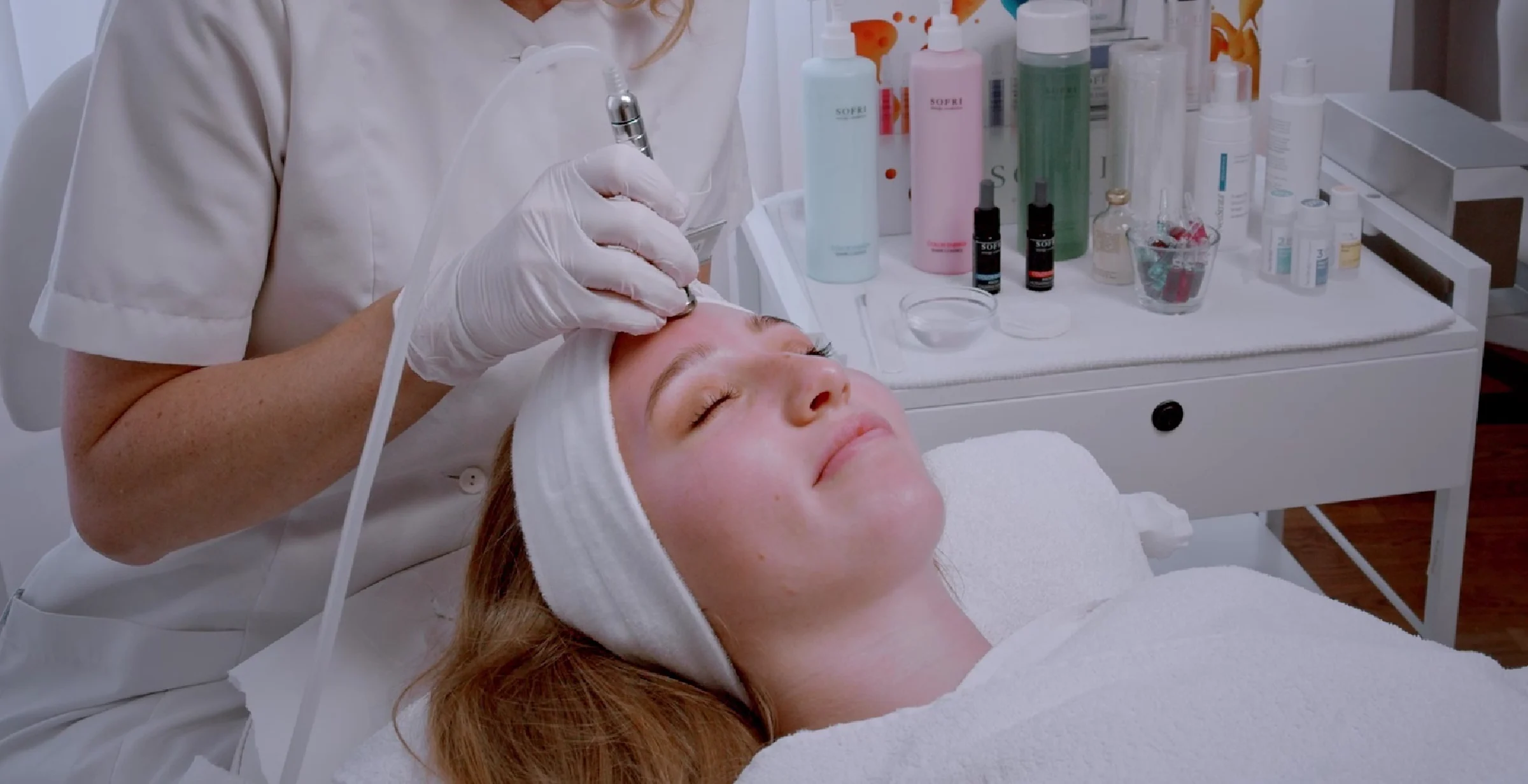
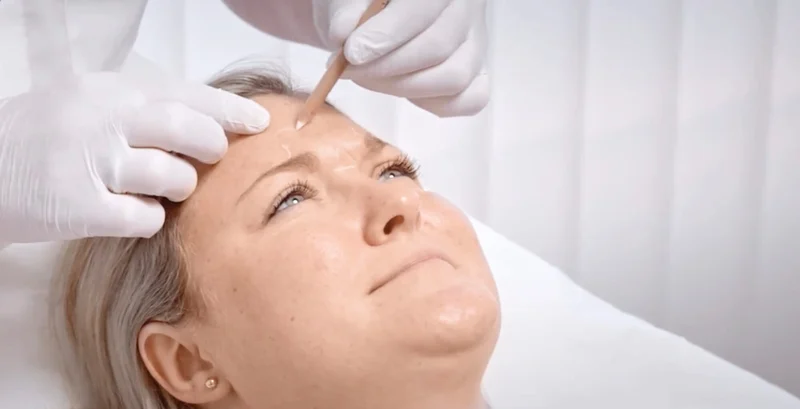
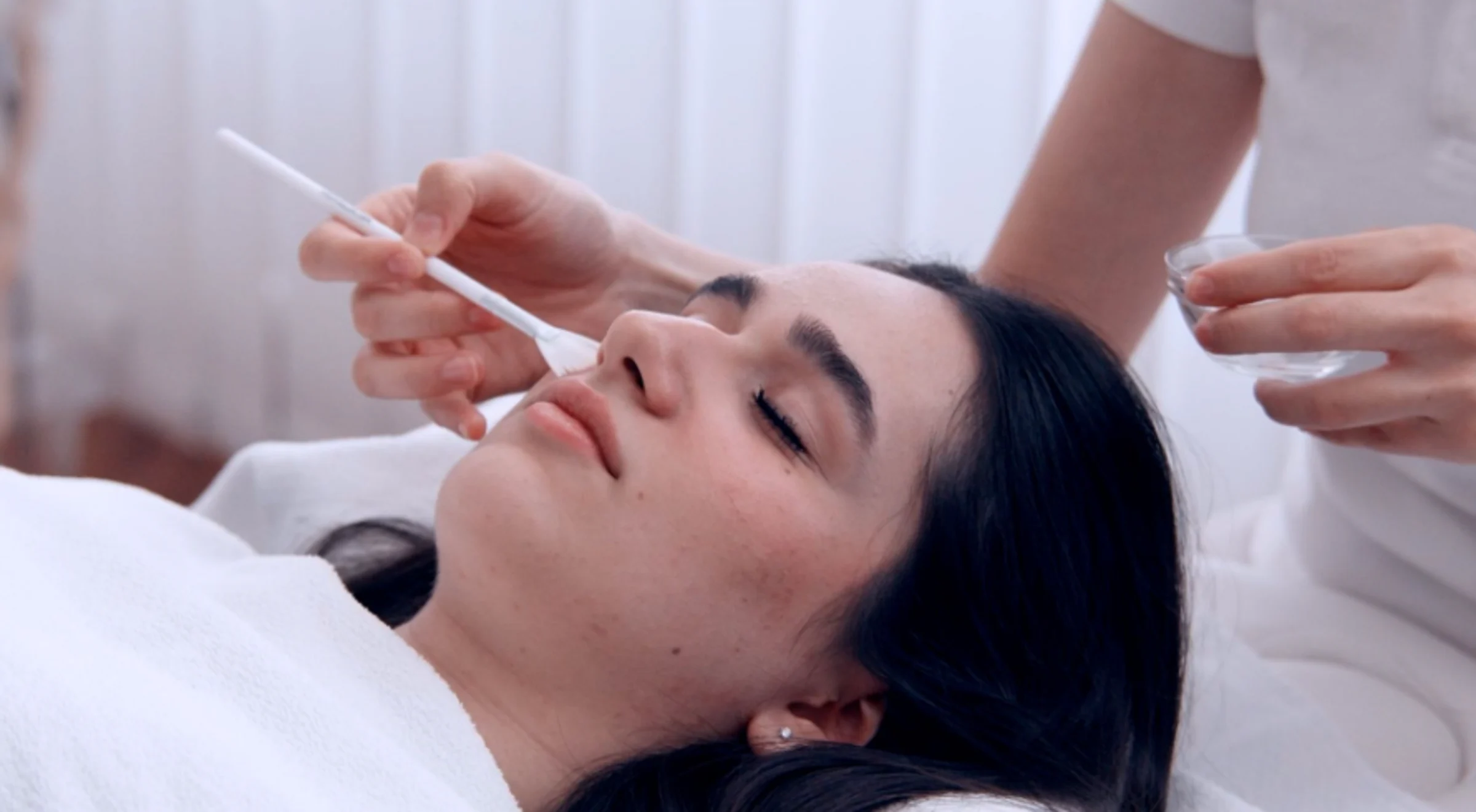
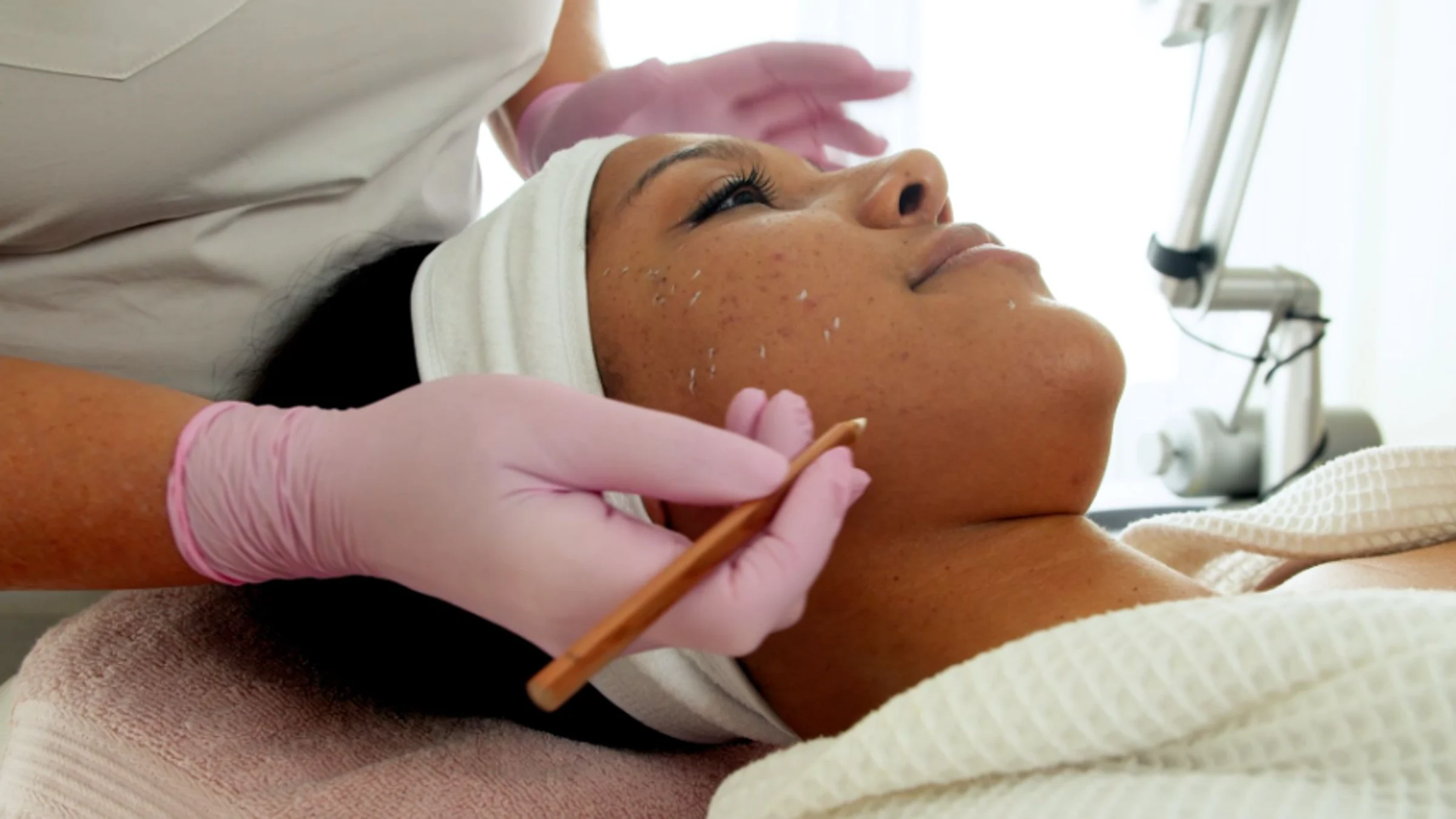
Before the treatment begins, we cleanse the face thoroughly and then apply the peel to the treated area (face, hands, neck..) for a few minutes. You may feel a slight stinging or warmth, but the process is short – usually 15-30 minutes. The solution is then neutralised and a soothing cream is applied. With superficial peels, recovery is almost immediate, and there is usually mild redness that fades within a day or two. Medium or deep peels may cause the skin to peel and require 5-10 days of recovery, with instructions such as avoiding the sun and using a moisturiser.
The benefits of the treatments
Chemical peels offer a range of benefits that make them a popular choice. Compared with treatments such as mesotherapy or radiofrequency, they allow a faster change in the appearance of the skin, especially for spots and scars. Compared with laser treatments, they are more accessible and require less preparation. Most importantly, they are suitable for a variety of skin problems.
The main benefits include:
- Fast results: a noticeable improvement in radiance and texture within a few days, especially with superficial peels.
- Versatility: they treat fine lines, sun spots, acne scars and uneven texture.
- Personalisation: the depth of the peel can be chosen according to the condition of your skin and your goals.
At Dermacare, we make sure to combine the treatments with professional advice to ensure results that leave you satisfied.
Who are peels recommended for?
Chemical peels are suitable for almost anyone who wants to improve the appearance of their skin, whether it is tired skin, pigmentation or scars. They are especially popular among people dealing with sun damage or with skin that needs refreshing. The treatments suit men and women of all ages, as long as the skin is healthy and there are no active infections.
The treatments are especially recommended for those who:
- Suffer from fine lines, sun spots or mild to moderate acne scars.
- Are looking for a quick improvement in the appearance of their skin with a short recovery time.
- Want a treatment suitable for sensitive skin or for the cooler seasons of the year.
However, the treatments are not recommended for people with open wounds, very dark skin (because of the risk of pigmentation) or certain skin diseases. At Dermacare, we carry out a thorough examination before treatment to make sure it is safe for you.
Tips for maintaining the results
To preserve the results of chemical peels, it is important to adopt habits that support skin health. The Israeli sun is the main enemy of renewed skin, so daily protection is critical. In addition, the right skincare routine can prolong the effect of the treatments.
Tips for maintaining the results:
- Sun protection: use a sunscreen with SPF 50 or higher every day, even in winter.
- Daily moisture: apply a rich moisturiser to keep the skin supple and plump.
- A gentle skincare routine: avoid products with strong acids in the weeks after treatment.
Glow with chemical peels
Chemical peels are fast and effective ways to restore your skin's radiance and vitality. By removing dead cells, treating fine lines, spots and scars, and improving texture, these treatments transform your appearance in a short time. Whether you want to deal with sun damage, refresh your skin or treat old scars, chemical peels offer solutions tailored to you. At the Dermacare clinic in Petah Tikva, we help you achieve smooth, radiant skin, with professional treatments and a team that accompanies you every step of the way.
Ready for renewed skin? Call 03-6127888 or email info@dermacare.co.il, and book a consultation at Dermacare in Petah Tikva. Come and discover how chemical peels can change your look!
Frequently asked questions
During the first three hours after the peel, the treated area must not be exposed to water or cosmetic products. After that, a moisturiser or sunscreen can be applied.
During a series of peel treatments, products containing vitamin A must not be used. Avoid sun exposure during the treatments and for up to two weeks after they end. In the event of sun exposure, use a sunscreen with a high protection factor (at least SPF 20, and preferably higher).
To prolong the results of the treatment, it is recommended to continue caring for the skin with dedicated products, such as creams containing a low concentration of glycolic acid.
Proper preparation of the skin before the peel, as well as the aftercare, is essential to the success of the treatment. Anyone who is not prepared to follow the preparation and subsequent maintenance instructions is advised to avoid any aesthetic facial procedure, since without proper preparation good results cannot be achieved.
Please let us know if you smoke, if you have previously taken Roaccutane tablets, or if you suffer from internal diseases. A peel must not be performed during an active herpes outbreak or other acute inflammation, because of the risk of the infection spreading.
Before the treatment, you will receive a personal prescription from us that includes:
– A paraffin-based ointment
– An anti-inflammatory cream
– A moisturiser
– A sunscreen
As part of the skin preparation, retinol (Retin-A) cream and/or hydroquinone cream must be applied daily for 4-6 weeks before the peel. The cream must be applied evenly over the entire treated area, and not only on problem spots. In addition, a moisturiser and sunscreen must be used as part of the preparation process.
On the day of the peel, do not apply any make-up. Wash your face thoroughly with soap and water before arriving for the treatment.
A peel is an effective treatment for covering large areas of skin. Depending on the type of peel chosen, it can significantly improve the radiance of the skin tone, reduce wrinkles and improve the appearance of scars.
This question can only be answered after a personal consultation. There are different types of peel, chosen according to the aim of the treatment.
A fruit acid peel acts on the upper layers of the skin, the PQAge peel penetrates the middle layers, while the TCA peel also reaches the deeper layers.
As with any aesthetic treatment, a peel requires preparation beforehand and complementary care afterwards. Depending on the desired aim, the specialist will choose the most suitable type of peel for you.