In brief
- Choosing an unsuitable laser is a common mistake; traditional lasers such as Q-Switched are less effective on light colours and require more treatments.
- Dermacare's PicoPulse device uses picosecond pulses and four wavelengths: 1064, 532, 585 and 650 nm.
- Shortening the intervals between treatments can cause irritation and inflammation without speeding up results; the body needs 6-12 weeks to clear the ink.
- Avoid the sun for 30 days before and after treatment and use SPF 50, and stop creams containing retinol or acids 5 days beforehand.
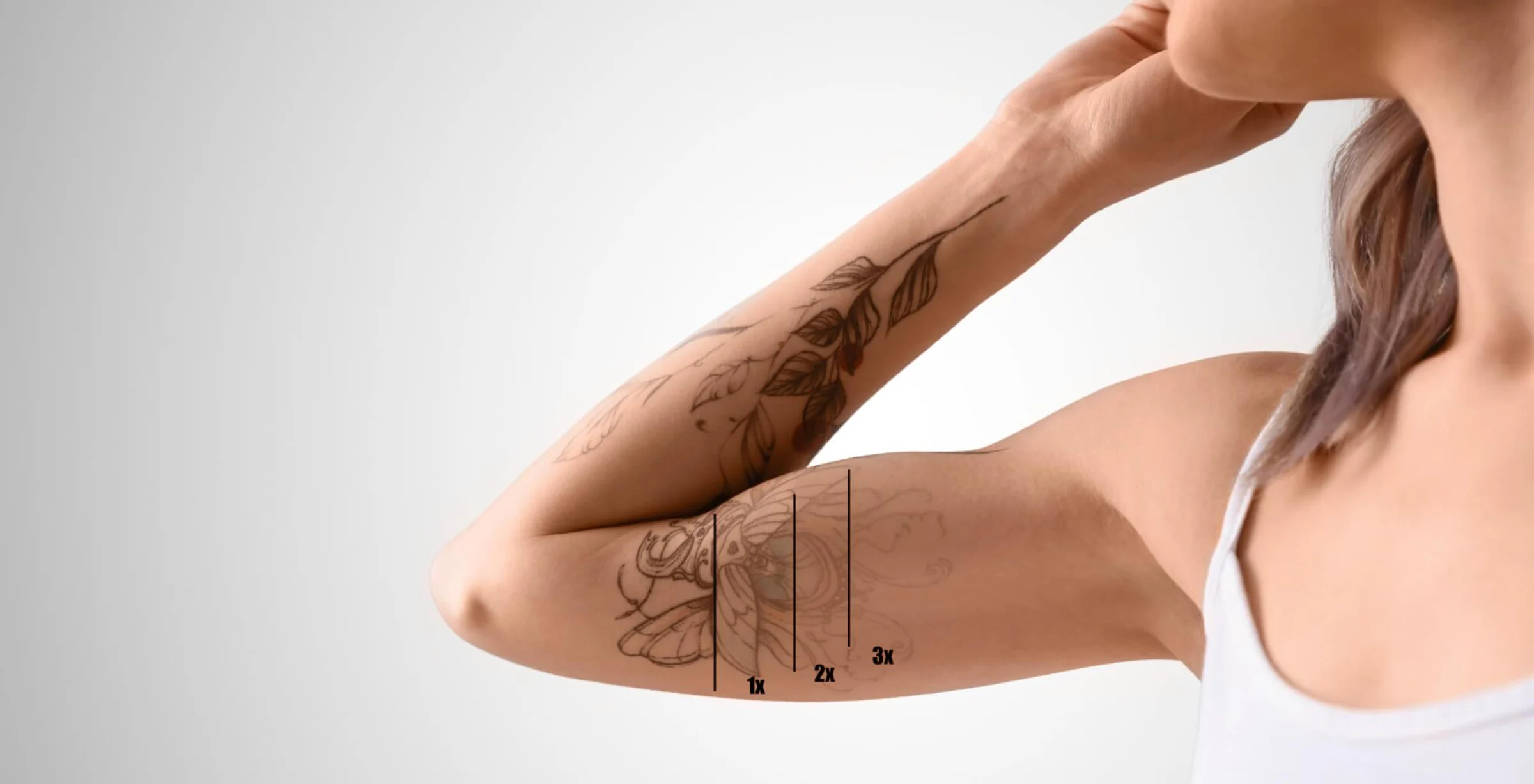
- Coloured or deep tattoos may require 6-12 treatments and black ones 5-10; expecting immediate removal leads to disappointment.
Old tattoos can turn from a cherished keepsake into a burden you want to leave behind. Whether it is a spontaneous tattoo from your youth or a design that no longer reflects who you are, deciding to remove it is already a significant step. Laser tattoo removal treatments, especially with Dermacare's PicoPulse technology – the most advanced in Israel at the time – offer impressive results. But before you dive into the process, it is important to know the common mistakes people make in tattoo removal. At the Dermacare clinic, we see clients who come in regretting their tattoos, and we accompany them with experience from more than 80,000 treatments abroad and in Israel to make the process successful and safe. So what mistakes should you avoid in laser tattoo removal?
Laser tattoo removal requires patience, preparation and the right choices. Small mistakes, such as choosing an unsuitable laser or caring for the skin incorrectly, can prolong the process or compromise the results.
Why is it important to avoid mistakes in laser tattoo removal?
Mistakes in laser tattoo removal can lead to disappointing results, such as partial fading, scarring or unnecessary treatments. Choosing outdated technology or an unprofessional clinic increases the risk of side effects. Many people rush to remove tattoos without preparing properly, which can harm the skin. At Dermacare, we use PicoPulse technology, which reduces risks and shortens the removal process, but proper preparation is the key to success.
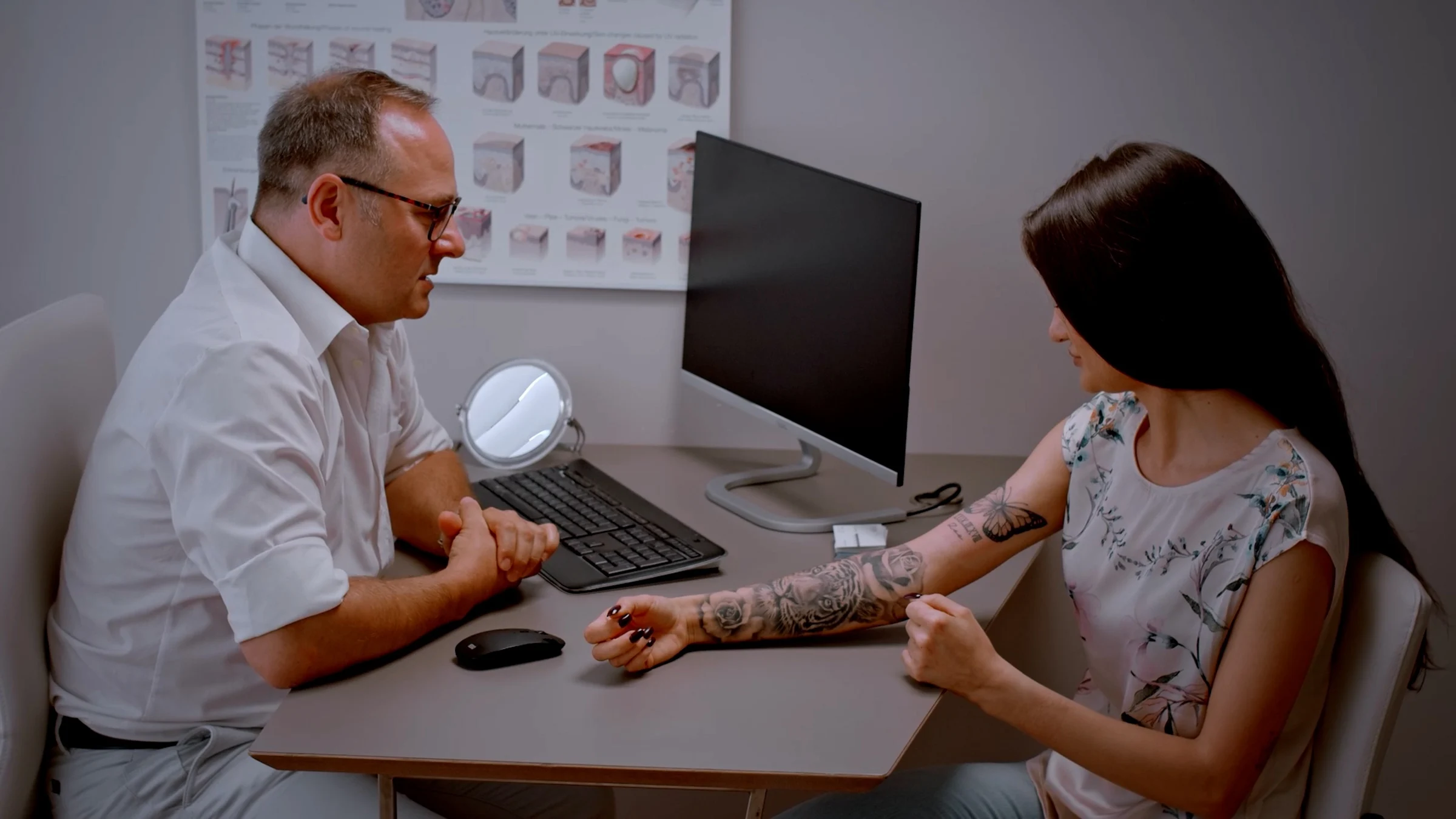
Choosing the right laser to remove old tattoos
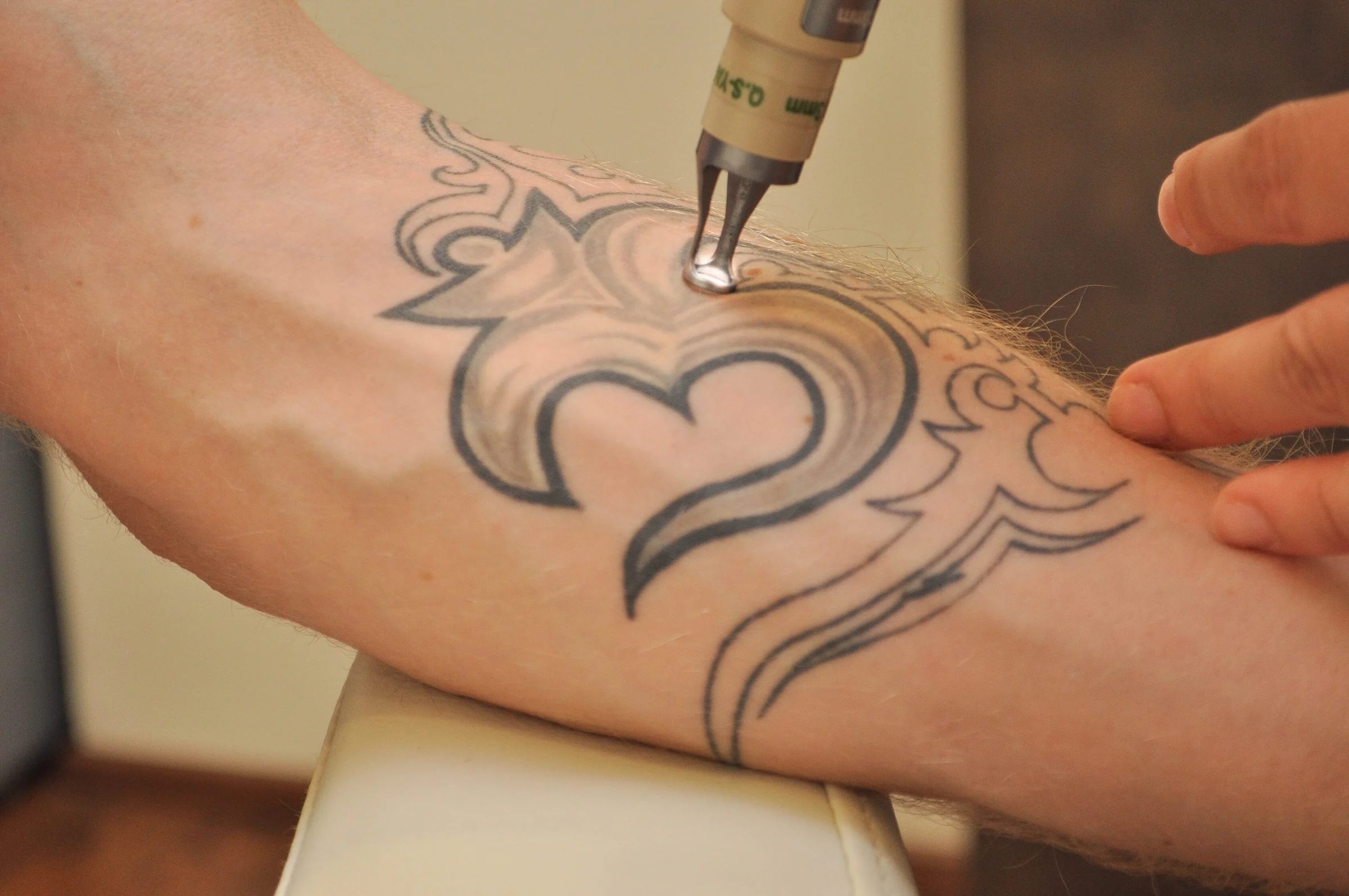
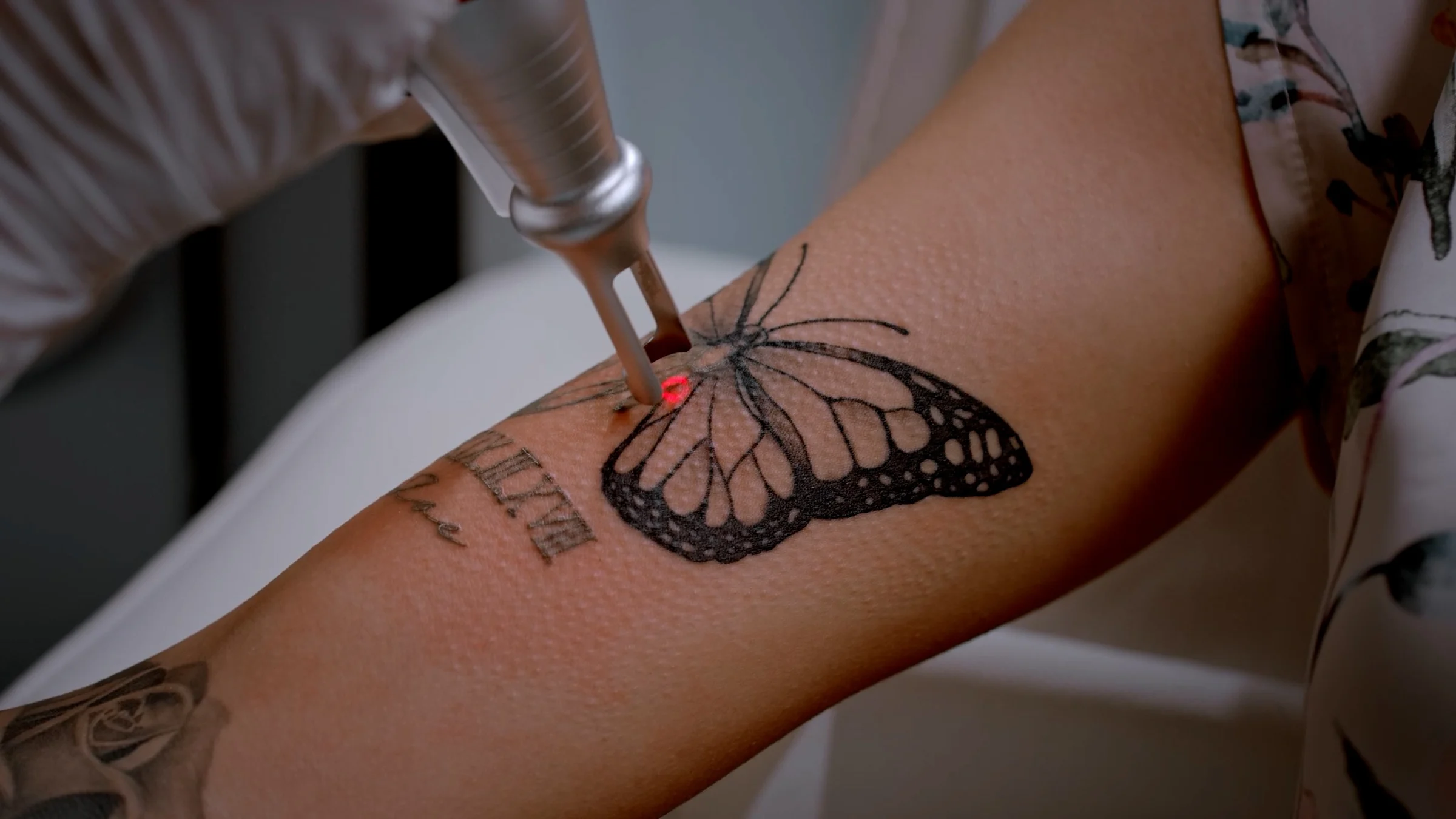
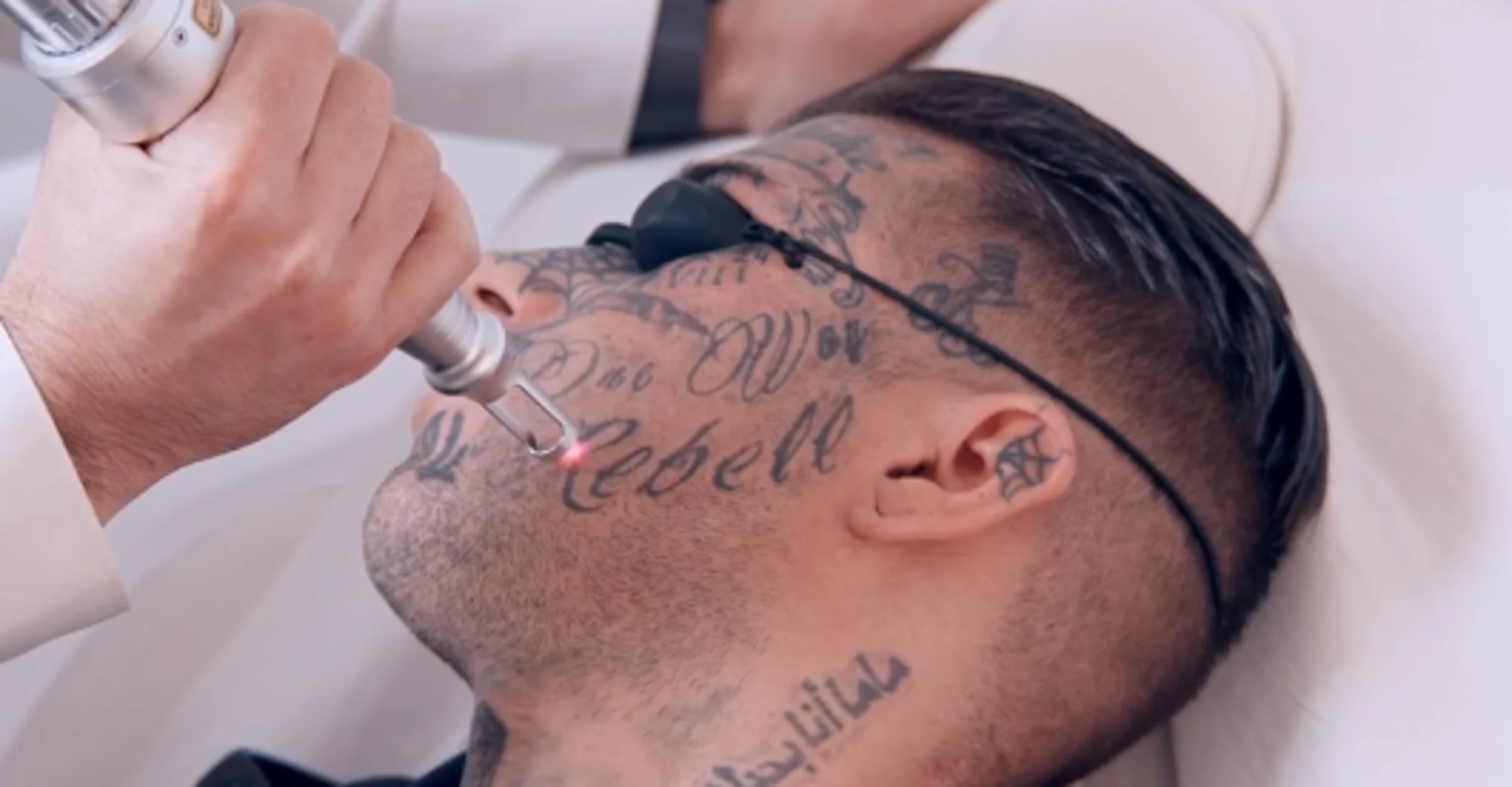
One of the most common mistakes is compromising on the type of laser. Traditional lasers, such as Q-Switched, are less effective on light colours (yellow, green, red) and require more treatments. Dermacare's PicoPulse device, the leader in Israel, uses picosecond pulses and four wavelengths (1064, 532, 585, 650 nm), which break ink down into tiny particles, even in stubborn shades. Choosing an outdated laser can cause scarring, a long recovery and the need for a longer series of treatments = a higher cost compared with the PicoPulse. With our laser, you ensure faster and safer results.
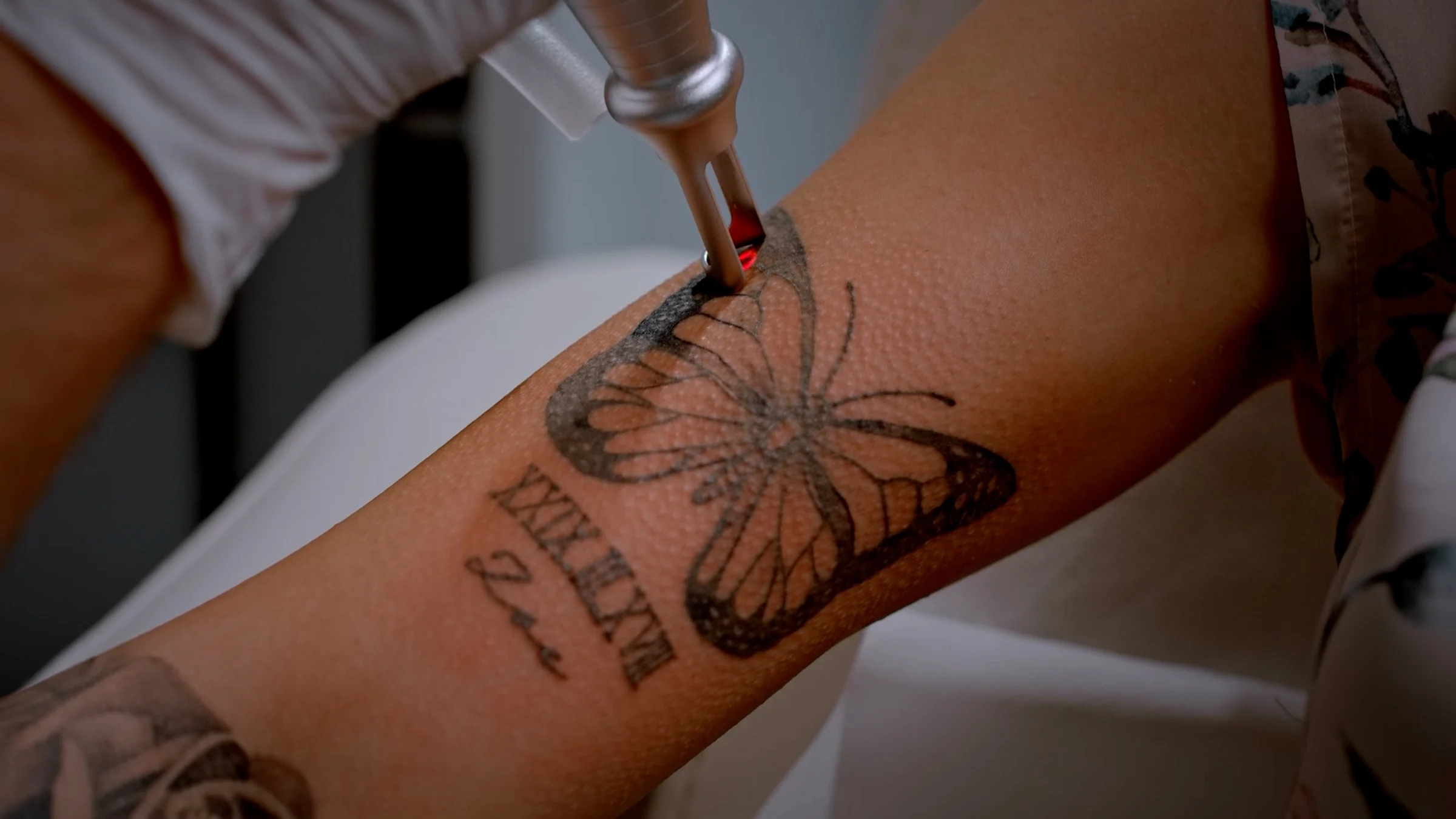
Correct timing between treatments
Rushing through the series of treatments is a mistake many people make. The body needs 6-12 weeks to clear the ink particles after each treatment. Shortening the intervals can cause irritation, inflammation or skin damage without speeding up the results. At Dermacare, we schedule treatments according to your healing pace, to ensure the skin stays healthy and the tattoo fades gradually. Patience is the key to smooth, healthy skin.
Skin care before and after treatment
Caring for the skin incorrectly before and after treatment can compromise the results. Sun exposure, using aggressive creams or neglecting moisture can cause pigmentation or scarring. Here are some important steps:
- Avoid the sun for 30 days before and after treatment, and use SPF 50.
- Stop using creams containing retinol or acids 5 days before treatment.
- Apply a soothing moisturiser after treatment, as recommended by your practitioner.
Managing expectations when removing old tattoos
Unrealistic expectations are a common mistake. Coloured or deep tattoos may require 6-12 treatments, while black tattoos may need only 5-10. The PicoPulse reduces the number of treatments, but complete removal depends on factors such as how long ago the tattoo was done, the type of ink, the depth of the tattoo and so on. Clients who expect immediate removal may be disappointed.
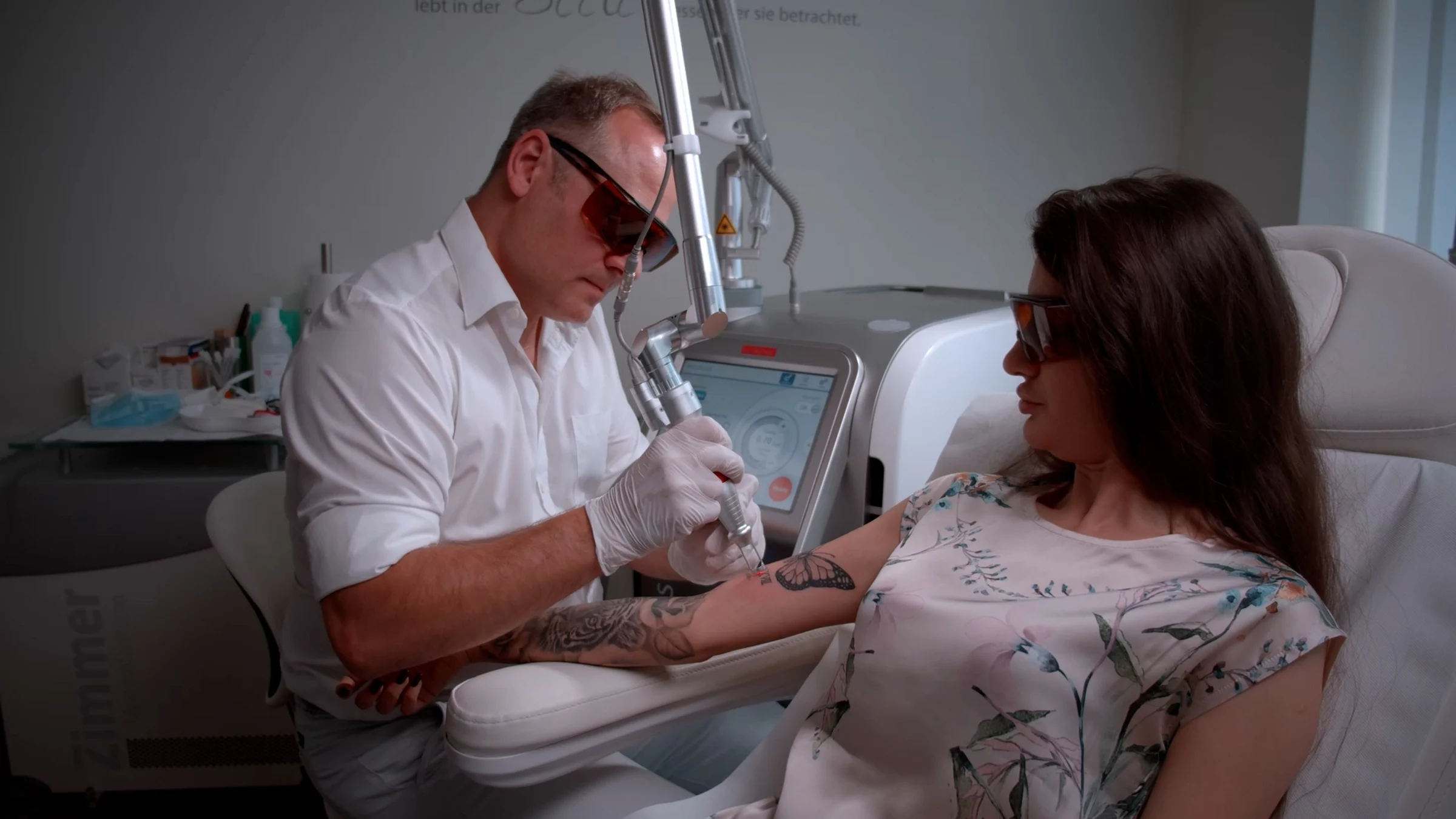
Choosing the right clinic
Choosing an unprofessional clinic is a critical mistake. Clinics without experience or advanced equipment can damage the skin. At Dermacare, we offer the PicoPulse, the most advanced device in Israel, with a skilled team and experience from thousands of treatments in Israel and Europe. It is important to choose a clinic with certifications, positive reviews and proven technology.
Clear skin and renewed confidence
Laser tattoo removal with Dermacare's PicoPulse technology is the way to start afresh with clear, smooth skin. By avoiding common mistakes – such as choosing an unsuitable laser, rushing between treatments or neglecting skin care – you can achieve impressive results with minimal risk. Whether you want to erase a coloured tattoo or prepare for a cover-up, the Dermacare clinic in Petah Tikva accompanies you with the most advanced technology in Israel and a professional team. Don't let mistakes hold you back – take the first step towards skin you love.
Ready to say goodbye to old tattoos? Call 03-6127888 or email info@dermacare.co.il, and book a consultation at Dermacare in Petah Tikva. Discover how Pico laser technology can change everything!
Frequently asked questions
Yes. The area can be completely re-tattooed at a later stage.
The duration of the treatment depends on the size of the tattoo and the cooling time afterwards. We allow at least 30 minutes for each treatment.
Usually, the health fund does not cover the cost of tattoo removal.
Between treatments, it is recommended to wait about 6 weeks, to allow the skin and the immune system to recover. It is important that the area heals completely before the next treatment is carried out.