
In brief
- The key to choosing an aesthetic treatment is not finding the best treatment, but the one that suits you best, so you start by defining your goal.
- Treatments are divided into face, body, and hair and scalp, and include, among others, injections, Morpheus8, peels, IPL, laser and hair removal.
- A laser works at a single, precise wavelength, whereas IPL emits a range of wavelengths and is suitable for an overall improvement in skin tone and texture.
- Botox relaxes muscles and is good for dynamic wrinkles, fillers restore volume, and biostimulators stimulate collagen production.
- A consultation includes questions, a skin assessment and a personal treatment plan, as well as aligning expectations regarding side effects and recovery.
Cosmetic treatments are no longer a luxury, but part of the way we invest in ourselves and in our self-confidence. The aim is not to become someone else, but to feel like the best, freshest and healthiest version of ourselves, while fully preserving a natural look. This guide is designed to give you a clear roadmap to help you understand the options, who they suit and how to make an informed and safe decision.
How did aesthetic treatments become part of everyday life?
Whereas the world of aesthetics was once reserved for the few and considered a subject best kept secret, today the story is completely different. Cosmetic treatments have become an integral part of the skincare and wellbeing routine of women and men alike, much like working out at the gym or sticking to a healthy diet.
What led to this change? Several factors working in parallel:
-
Advanced technologies: Treatments that were once complex and painful have become more accessible, faster and safer, with shorter recovery times than ever before.
-
Awareness and open discussion: Information is now readily available and accessible. Open discussion on social media has removed the veil of mystery and shame that surrounded the field.
-
A change in perception: The understanding that investing in your outward appearance directly affects how you feel inside, your self-confidence and your overall quality of life.
The modern approach, and the one we lead at the Dermacare clinic, places the emphasis on natural results. The aim is not to "erase" wrinkles, but to soften them; not to change facial features, but to enhance and flatter them.
The trend in Israel and the importance of choosing the right place
The aesthetic treatment market in Israel is growing steadily. Alongside this growth, choosing a professional and reliable clinic is becoming increasingly important.
This is where we at Dermacare come in. We believe the key to success is a precise process that begins with a professional skin assessment, continues with building a personal treatment plan and ends with meticulous treatment by an experienced medical team. This guide is designed to give you a clear roadmap.
How do you choose the right treatment? A roadmap to the world of aesthetics
The world of aesthetic treatments can seem confusing. With so many names, technologies and promises, it is easy to get lost. But the truth is that it is simpler than it seems. The key is not to look for "the best treatment", but for the treatment that is most right for you.
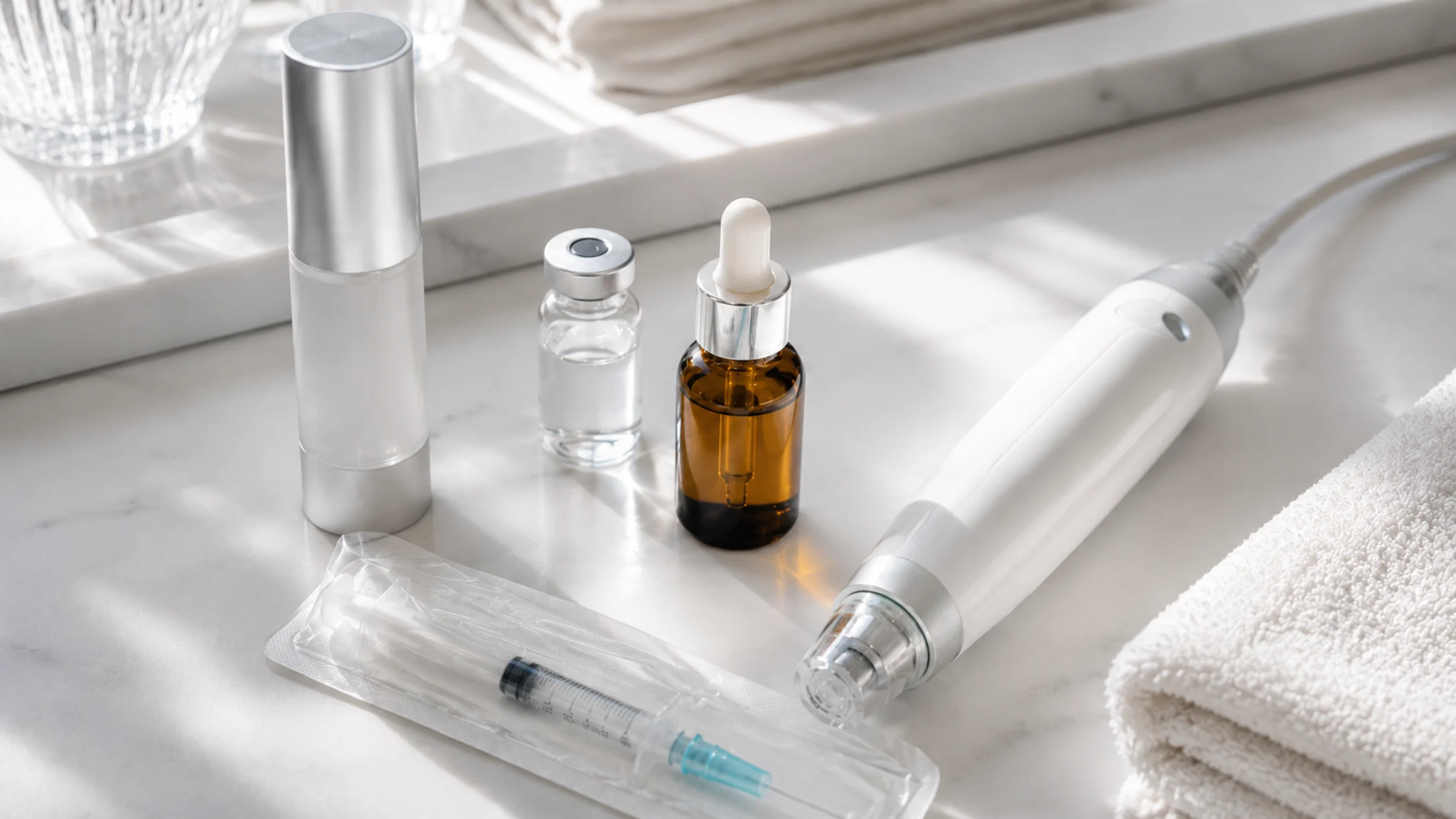
To bring some order, the first step is to define the goal. What exactly would you like to improve? The answer to this question will guide us here at Dermacare in choosing, together with you, the most precise, safe and effective solution.
Mapping treatments by area and goal
To keep things simple, modern treatments can be divided into three main groups, according to the area and the goal they target.
-
Facial treatments (Face): This includes all the treatments designed to improve the appearance of the facial skin. The goal may be skin rejuvenation and treating wrinkles, firming and improving texture, or targeted treatment of pigmentation and scars.
-
Body treatments (Body): This category includes solutions for different areas of the body. The most common treatments are laser hair removal and treatments for removing tattoos or old permanent make-up.
-
Hair and scalp treatments (Hair): This field focuses on one of the most common challenges for women and men – hair loss and thinning. Technologies such as PRP treatments (platelet-rich plasma) offer an effective solution for strengthening the hair roots and encouraging regrowth.
At a Dermacare consultation, we listen first. Our goal is to understand your needs in depth, assess the condition of your skin or hair, and only then build a personal treatment plan. Sometimes the solution is a single treatment, and sometimes a combination of several technologies achieves the optimal result.
To give a clearer picture, we have prepared a table summarising the main treatments we offer at the clinic, divided by area, goal and technology.
Types of cosmetic treatments by target area and technology
| Treatment area | Treatment goal | Examples of treatments and technologies |
|---|---|---|
| Face | Skin rejuvenation, firming and treating wrinkles | Botox and hyaluronic acid injections, radiofrequency microneedling (Morpheus8), Sculptra, skin boosters |
| Face | Improving skin texture and tone | Chemical peel, light treatments (IPL), laser treatments (such as carbon peel), HydraFacial |
| Face | Treating acne scars and enlarged pores | Microneedling, peels, dedicated laser treatments |
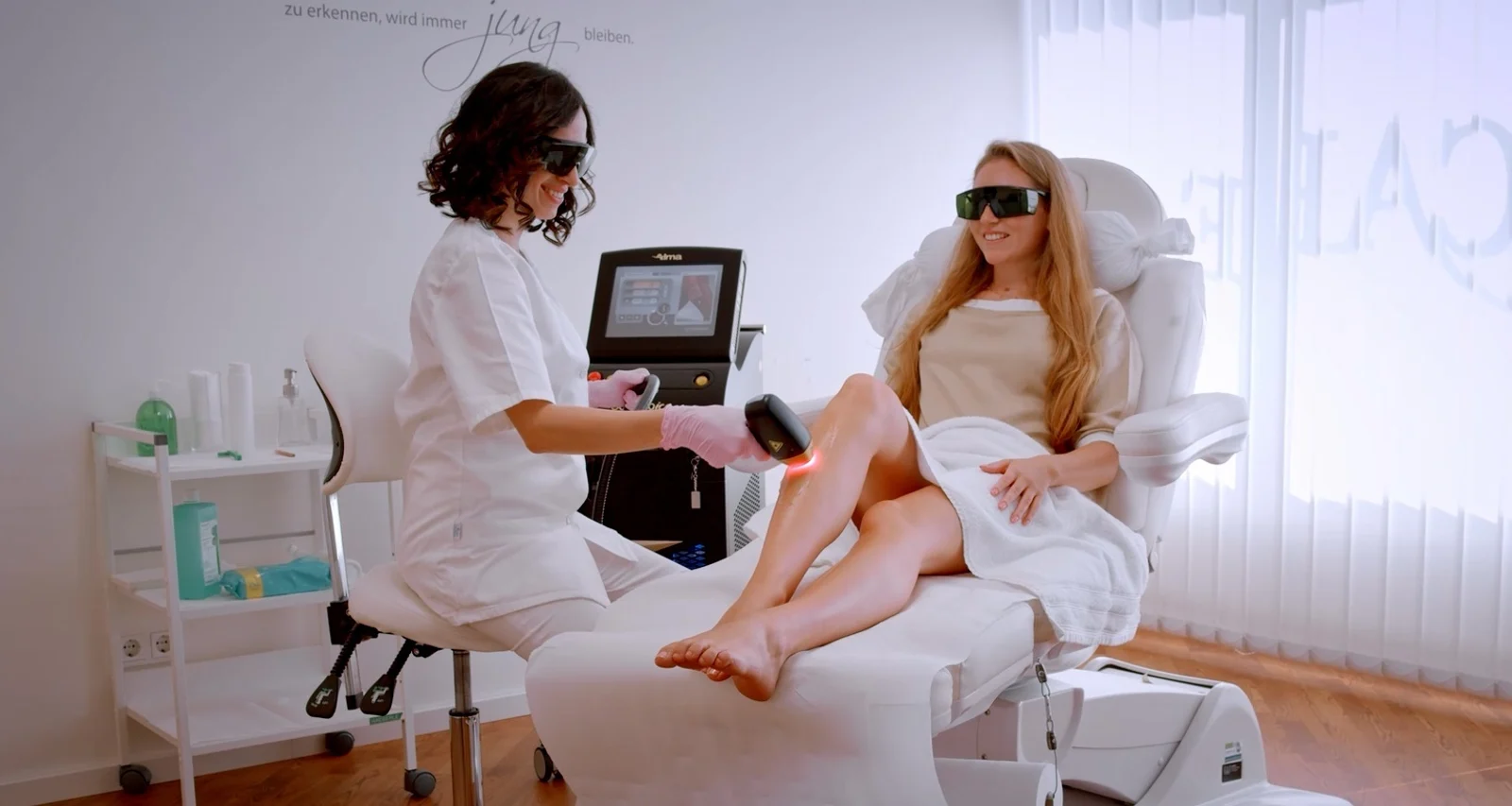
| Body | Removing unwanted hair | Laser hair removal with advanced technologies (such as SHR or diode) |
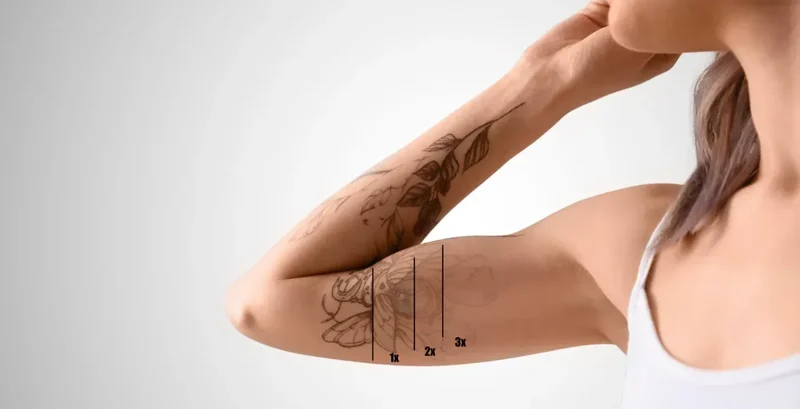
| Body | Removing tattoos and permanent make-up | Laser removal with Pico technology (Pico Laser) |
| Hair and scalp | Treating hair loss and strengthening the roots | Platelet-rich plasma (PRP) treatments |
This table is an excellent starting point, but it is important to remember that no two patients are the same. The final choice of treatment will always be made only after a professional and accurate assessment at the clinic. If you would like to read more about each of the options, you can browse the full overview of the treatments offered at Dermacare.
The technologies behind the results: how do the treatments really work?
Behind every successful aesthetic treatment we perform at the clinic lies sophisticated, proven technology. To choose the right treatment for you, it is worth knowing the basic principles of the main methods. This understanding is the key to realistic expectations and helps you understand what lies ahead, what recovery will look like and what results can be achieved.
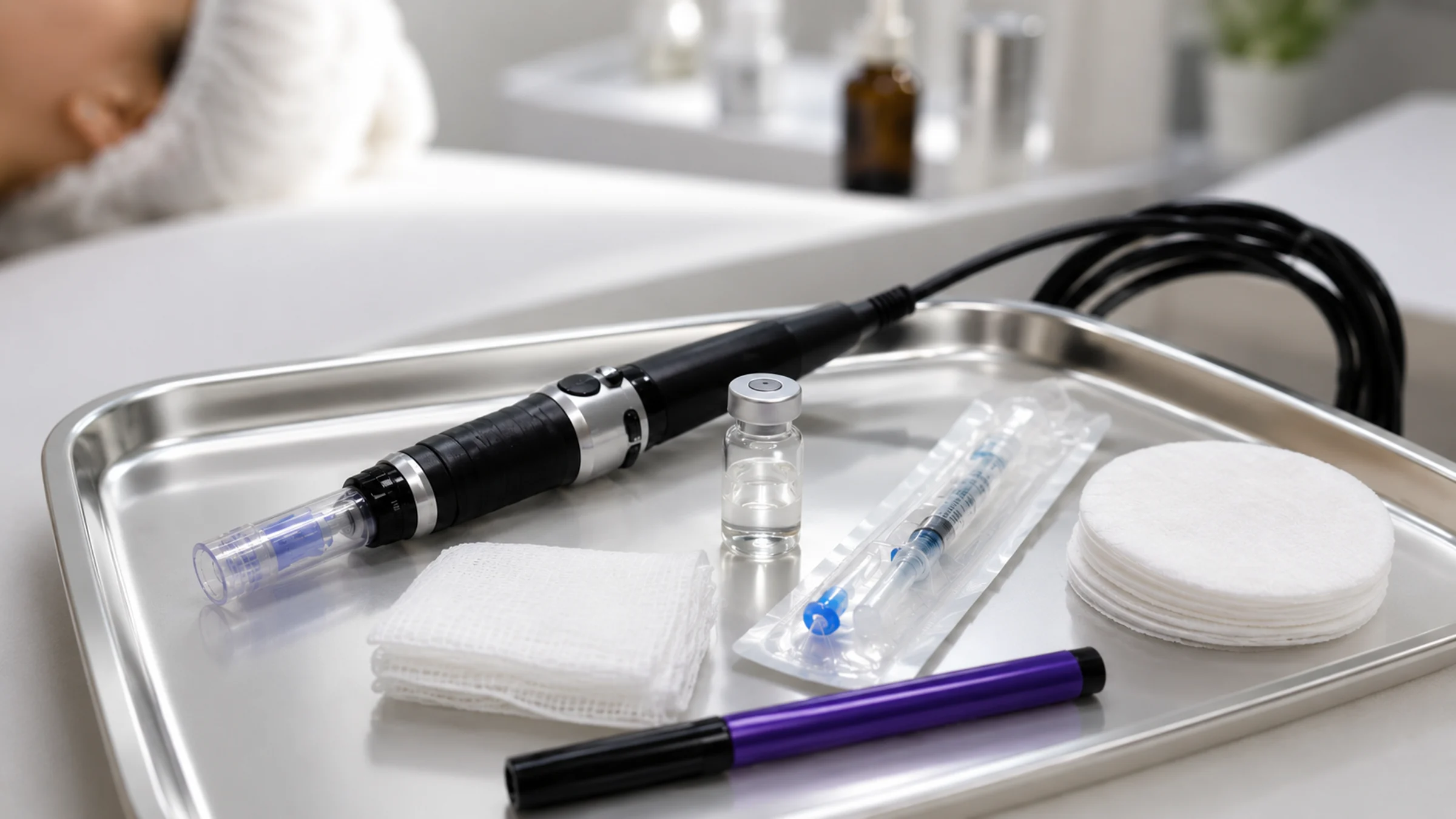
Light-energy treatments: laser vs IPL
These two technologies, laser and IPL (Intense Pulsed Light), use light energy to improve the appearance of the skin, but they work in different ways. Understanding the difference between them is essential for choosing the right treatment.
-
Laser: A laser device works like a sniper. It emits a precise, focused beam of light at one single wavelength. The energy is selectively absorbed by a specific target in the skin (a chromophore). For example, in hair removal the target is the melanin pigment in the hair follicle. This precision makes the laser very powerful and effective for defined goals. For more information, you can read our complete guide to laser hair removal.
-
IPL: Unlike a laser, IPL emits flashes of light across a wide range of wavelengths simultaneously. This allows it to treat several problems at once, such as sun spots, redness and small blood vessels. IPL is considered less targeted than a laser, but it is an excellent solution for an overall improvement in skin tone and texture.
The key to success with these treatments is an accurate assessment of the skin type and colour (according to the Fitzpatrick scale) and precise adjustment of the energy level. An incorrect setting may lead to unsatisfactory results or side effects.
Aesthetic injections: Botox, fillers and biostimulators
Injectables are one of the most popular and sought-after fields at our clinic, and for good reason. They fall into three main families, each with a different role.
-
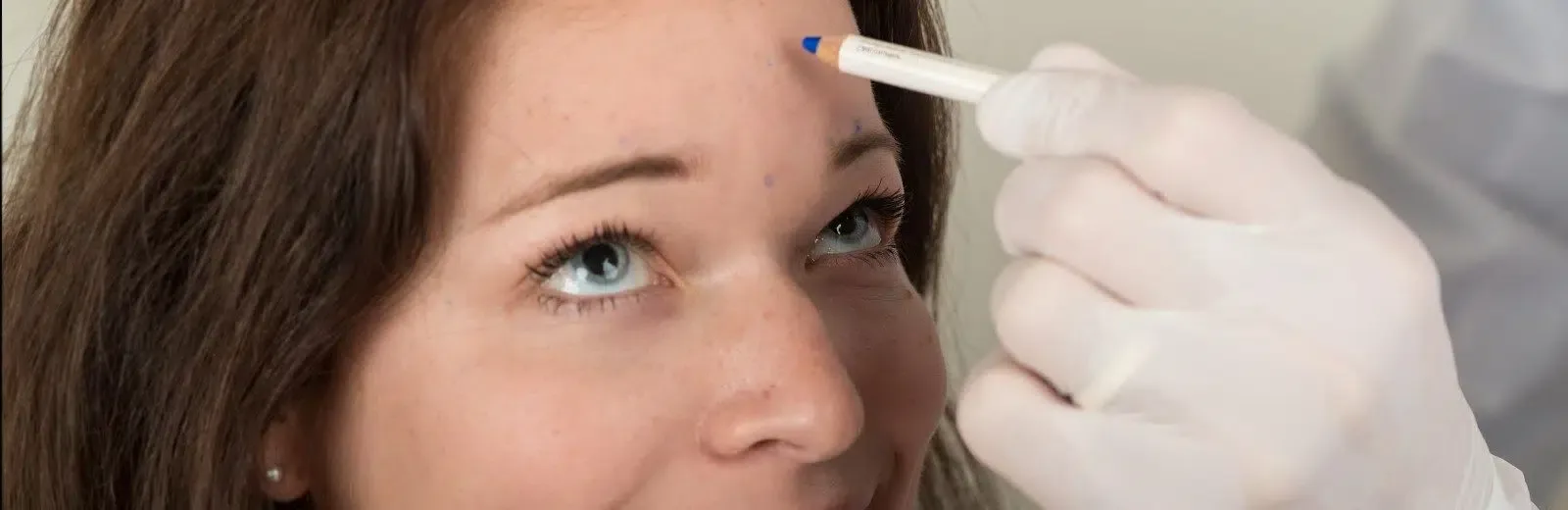
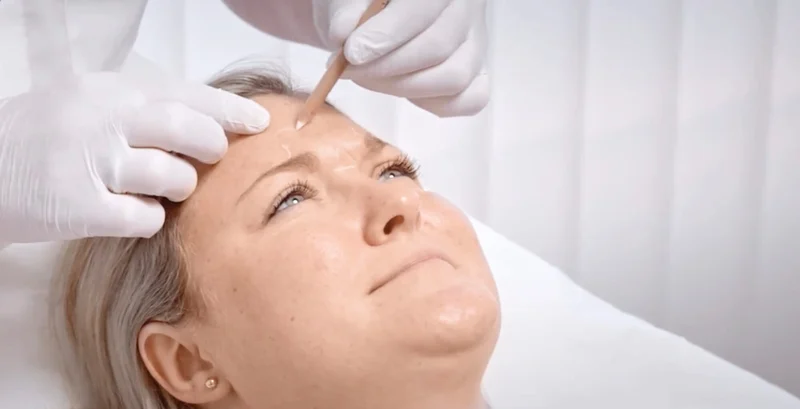
Botulinum toxin (Botox): It is important to understand – Botox does not "fill" wrinkles. It temporarily relaxes the expression muscles that create them. It is an ideal treatment for dynamic wrinkles, such as frown lines between the eyebrows, forehead lines and crow's feet at the sides of the eyes.
-
Fillers: These are products, usually based on hyaluronic acid, whose role is to restore lost volume. They fill static wrinkles and make it possible to sculpt facial features. Common uses include filling hollows under the eyes, enhancing the cheekbones, contouring the jawline and lip augmentation for a natural look.
-
Biostimulators: This is an advanced category of injectable products such as Sculptra and Radiesse. They do not just fill, but stimulate the body to produce new collagen and elastin itself. The result is a gradual, natural improvement in skin firmness and texture, with an effect that lasts over time.
Microneedling and radiofrequency (RF) – the combination that renews the skin
Microneedling technology creates thousands of tiny, controlled injuries in the skin using fine needles. These injuries activate the body's natural healing mechanisms and stimulate the production of new collagen and elastin.
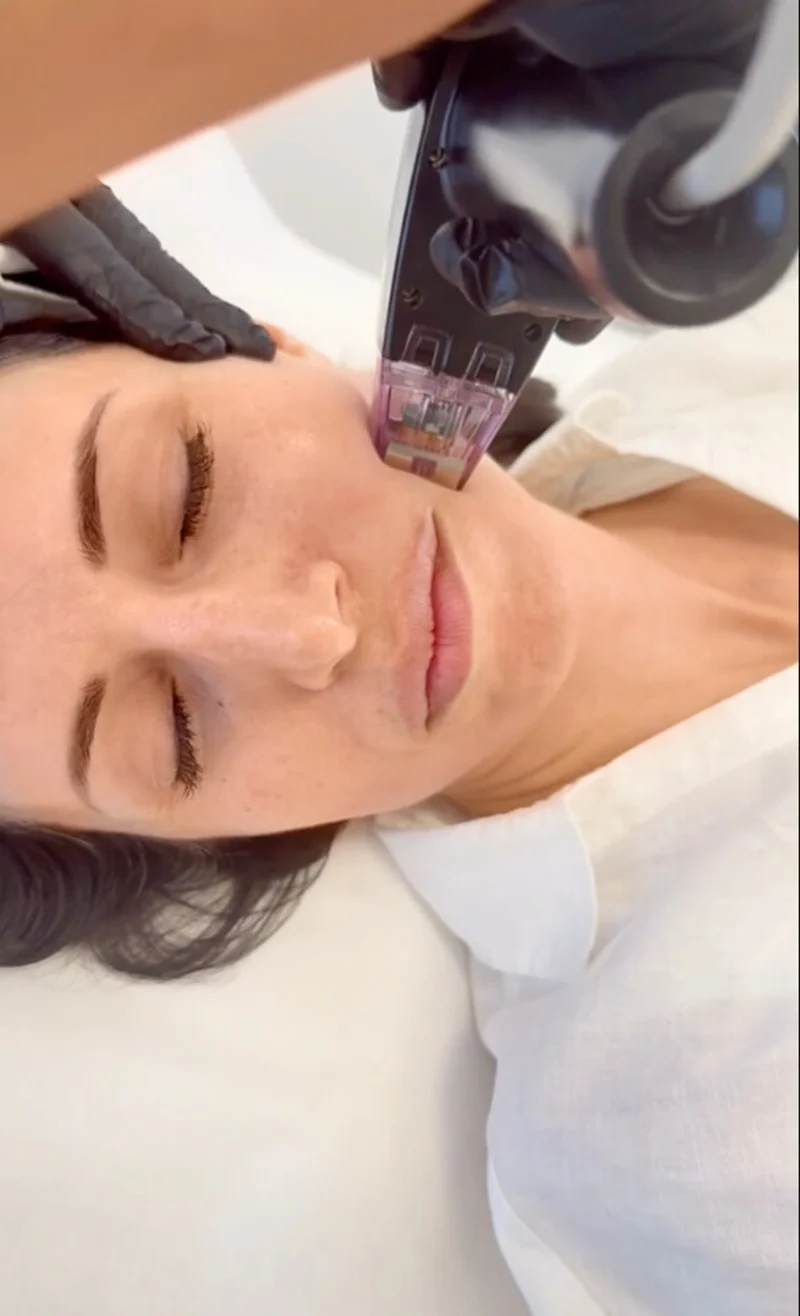
The effect is enhanced when combined with radiofrequency (RF), as in Morpheus8 treatments. Here, the tiny needles release focused heat energy directly into the deep dermis layer. The heating causes immediate contraction of the existing collagen fibres and triggers massive production of new collagen. This combination is particularly effective for skin tightening, treating acne scars, blurring fine lines and an overall improvement in skin texture.
Each technology has its purpose, and understanding the different mechanisms allows our team of experts at Dermacare to build a smart, combined treatment plan for you to achieve the best and most natural result.
The importance of a professional assessment and building a personal plan
Just before diving into treatments, there is a stage that is critical to success: the consultation and assessment. It is easy to think you can "pick" a treatment from a menu, but in aesthetic medicine there is no one-size-fits-all solution. Your skin is unique, and what worked for others is not necessarily the right solution for you. Real success relies on precise personalisation.
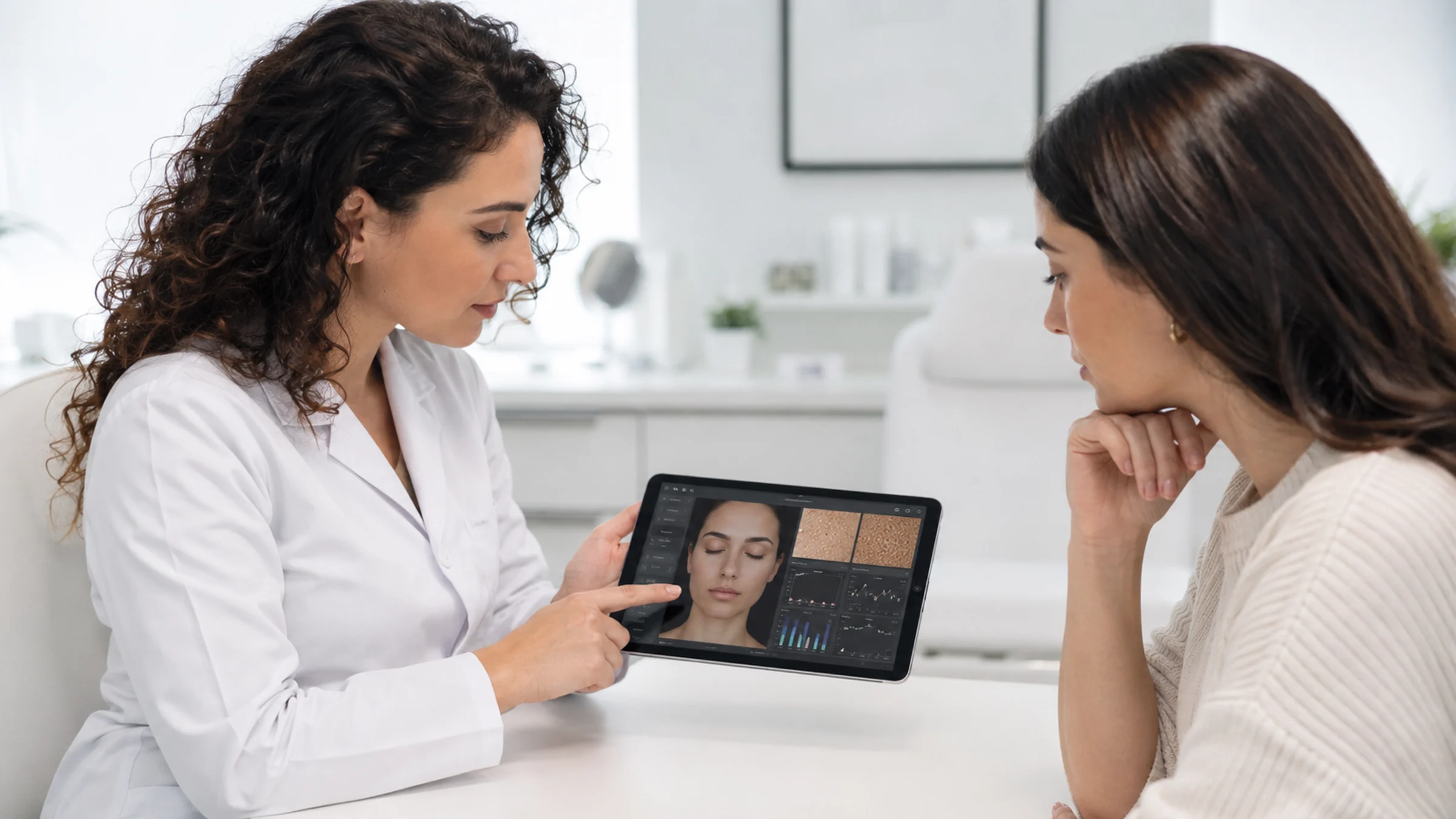
What happens at a professional consultation?
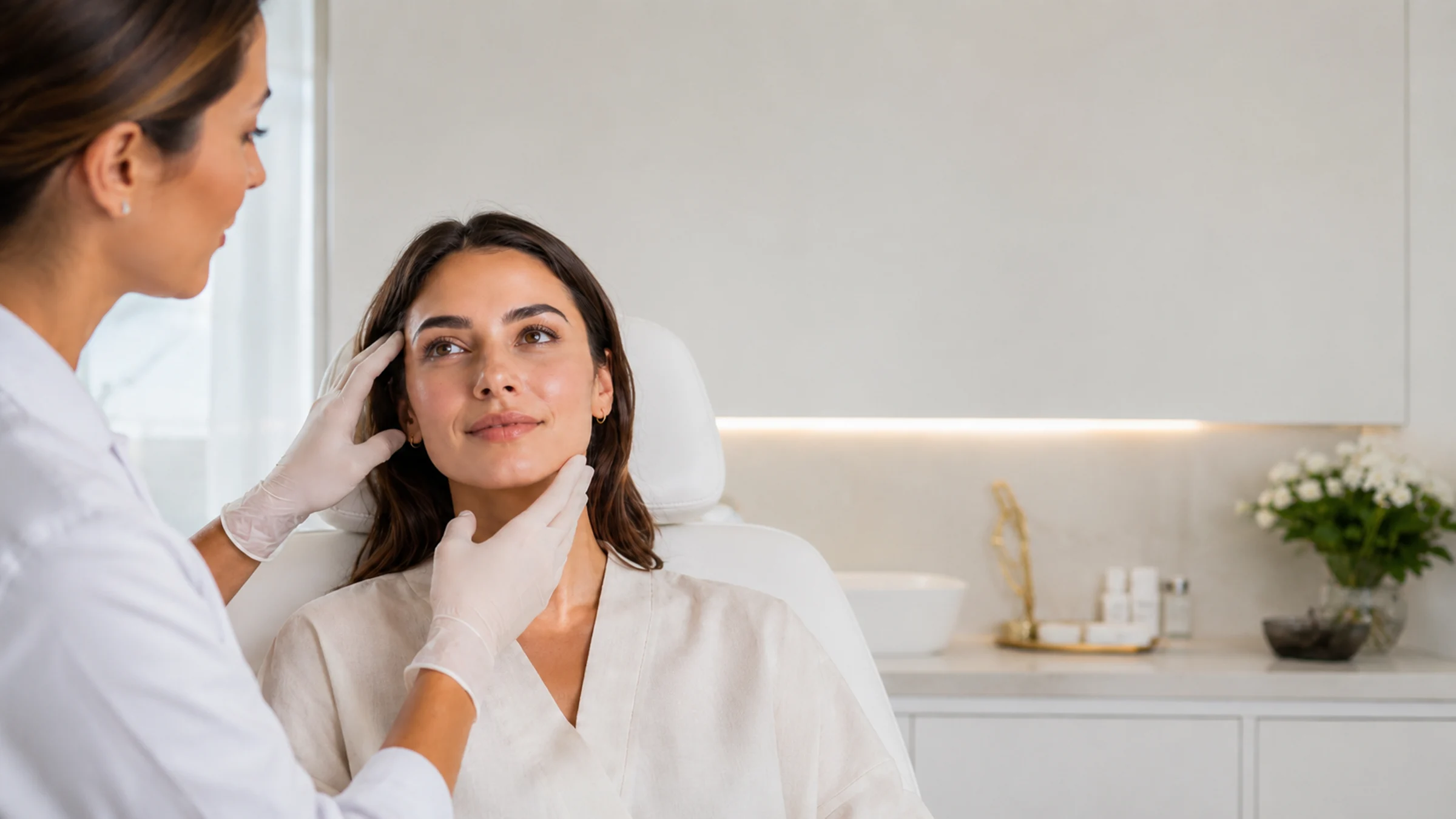
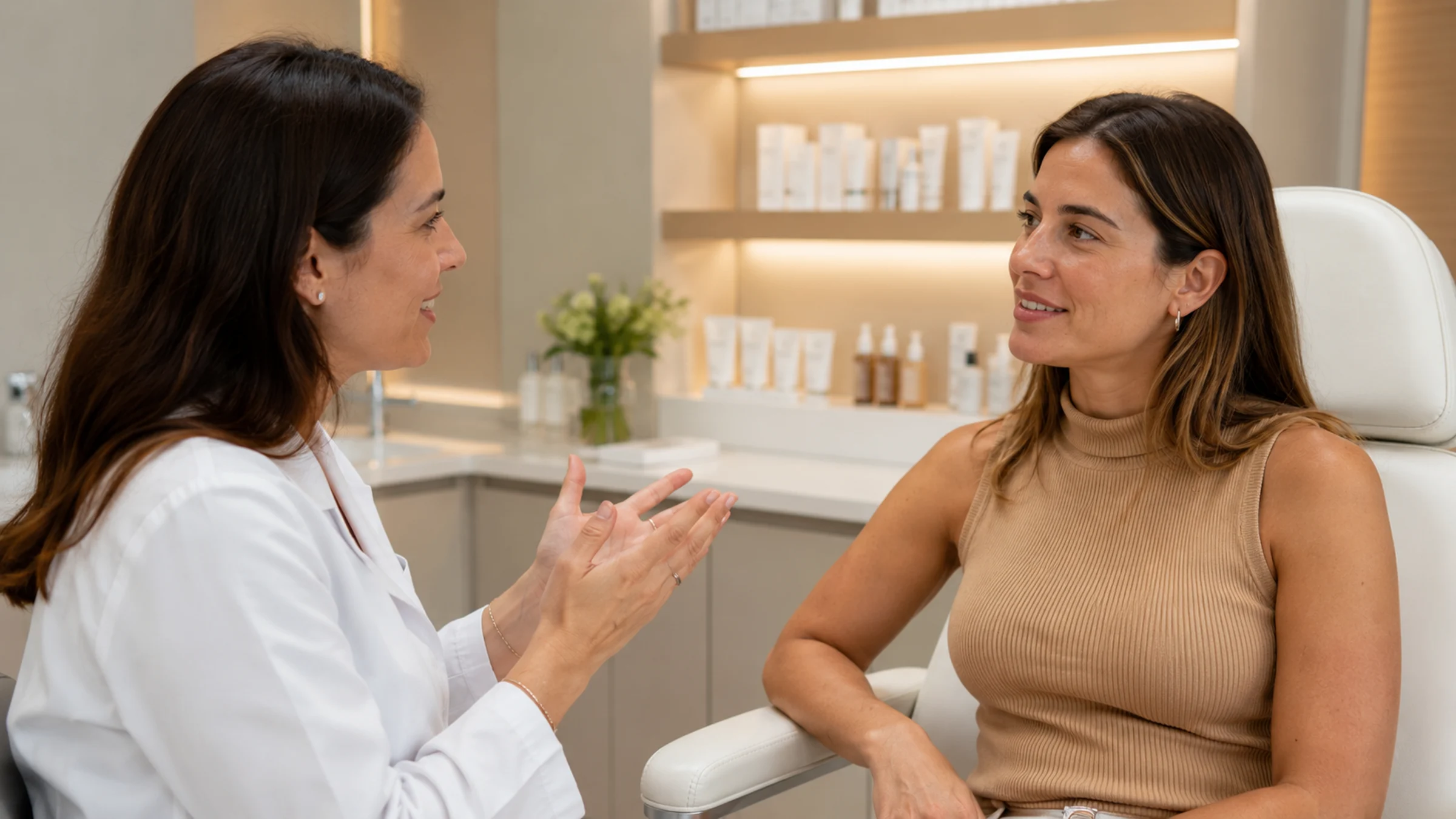
A consultation is an organised clinical assessment process designed to gather all the information needed to build a personalised cosmetic treatment plan for you.
The process includes several essential stages:
-
Questions and understanding your needs: First of all, we listen. We will ask about your medical background, lifestyle and skincare routine. Most importantly – we will understand what bothers you and what your expectations are.
-
Clinical skin assessment: We examine the skin thoroughly and assess parameters such as skin type, elasticity level, depth of wrinkles, type of pigmentation and the condition of the pores.
-
Advanced technological assessment: To get a complete and objective picture, we use diagnostic systems that allow us to see what is hidden, such as sun damage beneath the skin. For more information, it is worth reading about the importance of professional computerised skin analysis.
Building a treatment plan and aligning expectations
Only after gathering all the data do we put together a detailed treatment plan, which is a precise strategy.
The plan will clearly define:
-
Which treatments are suitable: Should injections be combined with laser? Perhaps focus on firming? Or would a peel be the most effective solution?
-
A precise protocol: How many treatments will be needed, what the intervals between them will be and how often they will take place.
-
Timelines and maintenance: When you can expect to see results and what is needed to maintain them.
"A good treatment plan is not a list of procedures. It is a personal roadmap based on science, clinical experience and a deep understanding of the patient's goals. Our aim is not to 'sell' a treatment, but to provide a real solution."
This is also the critical time for aligning realistic expectations. We will explain transparently what can be achieved, what the limitations of the treatment are, what side effects to expect and what recovery will look like. Such a thorough process ensures that the path to the desired result is effective, safe and relaxed.
Risks, side effects and aligning expectations: everything you need to know
In a world full of promises, our role at Dermacare is to be transparent and responsible. Aligning realistic expectations is the basis of every successful and safe aesthetic treatment. The aim is not to frighten, but to provide professional and honest information so that you enter the process with understanding, confidence and peace of mind.
Even the safest and most advanced treatments may involve side effects. The good news is that the vast majority are temporary and a natural part of the healing process.
Side effects: what is normal and what is not?
It is important to recognise normal reactions of the body so that you are not alarmed and can manage them correctly.
-
Redness and slight swelling: This is the most common reaction after laser treatments, microneedling or injections. It indicates the start of the healing processes in the skin. It usually settles within a few hours to a few days.
-
Small bruises: Common mainly after injections. Cold compresses help, and they are absorbed and disappear within a few days.
-
Tenderness or slight discomfort: The treated area may be sensitive to the touch in the first few days, and this is normal. We provide precise instructions to ease the sensation.
At a professional clinic such as Dermacare, which adheres to advanced working techniques and equipment meeting strict standards, the risk of significant side effects is dramatically reduced.
Contraindications: why is it important to tell us everything?
A "contraindication" is a medical term describing a situation in which a particular treatment must not be performed. That is why the consultation and medical questioning are a critical stage.
For example: active skin conditions (such as herpes), a suppressed immune system, pregnancy and breastfeeding, or the use of certain medications (such as blood thinners) – all of these may be contraindications.
Full transparency with us is a shared responsibility. Withholding medical information may endanger your health and compromise the result.
Aligning expectations: when will you see results and for how long?
In the world of aesthetics, patience is a key word. It is important to understand the timeline of each treatment in advance.
-
Immediate results: Treatments such as volume filling with hyaluronic acid give a visible effect immediately at the end of the treatment.
-
Gradual results: Treatments that stimulate collagen production, such as Morpheus8 or biostimulators, show a full effect that builds up gradually over several weeks to months.
-
A series of treatments: Most technology-based treatments, such as laser hair removal, require a series of several sessions to achieve an optimal result.
To maintain the results, periodic maintenance treatments are an integral part of the process. Want to understand this in depth? Read our complete guide to Botox treatments. Understanding these aspects will ensure your journey is positive, safe and satisfying.
A final word: your path to natural and safe results
The journey to improving your appearance is personal, and it is natural to have questions along the way. This guide is designed to give you a knowledge base, but the key to excellent results with cosmetic treatments lies in a combination of accurate assessment, building a personal plan and professional, uncompromising treatment. The best result is one that looks natural, flattering and preserves the health of the skin.
Choosing a professional and experienced clinic such as Dermacare is the most important decision you will make. It is the assurance that every stage will be carried out to the highest standard, with attention to safety, leading technologies and realistic expectations.
Want to understand exactly what suits your skin? The Dermacare team will be happy to examine, assess and tailor a personal, professional and precise treatment plan for you. To book a consultation, you can contact us here.
Frequently asked questions
The honest answer is: it depends. The level of discomfort varies between treatments and between people. However, in a modern clinic, we use a variety of tools to make the experience as comfortable as possible:
-
Local anaesthetic: Before treatments such as injections or microneedling, we use powerful anaesthetic creams that significantly dull the sensation.
-
Advanced cooling systems: Our laser devices have built-in cooling systems that cool the skin in real time and dramatically reduce the sensation of heat.
-
Open conversation: We explain in advance what you will feel at each stage, to avoid surprises.
In the end, most patients are pleasantly surprised by the level of comfort.
It is important to understand that cosmetic treatments are not an "off-the-shelf product". They are an investment in health, safety and a professional result. The price is made up of several factors:
-
Technology and materials: There is an enormous difference between top-tier equipment and simple alternatives. We use only materials approved by the FDA and the Ministry of Health, from the world's leading brands.
-
Expertise and experience: A treatment carried out by an experienced doctor or clinical practitioner with thousands of hours of treatment behind them is not the same as a treatment at a beginner's establishment. Experience is your insurance policy for an accurate and safe result.
-
Scope of treatment: Naturally, a spot treatment of a small area will cost less than a comprehensive course of treatments.
If you come across a price that sounds unusually low, it should set off a red flag. A price that is too cheap almost always indicates a compromise on safety, on the quality of the materials, on the level of the equipment or on the team's experience.
The answer depends on the type of treatment, skin condition, age and genetics.
-
Immediate (almost) results: With hyaluronic acid injection you see a significant change immediately at the end of the treatment.
-
Gradual results: In treatments that encourage collagen production (such as radiofrequency microneedling), the full effect will appear after a few weeks to three months.
-
Results of a course: Technological treatments such as laser hair removal require a course of treatments to achieve an optimal result.
As for how long the result lasts, here too there is variation. Botox usually lasts 3-4 months. Hyaluronic acid-based fillers can last between 9 and 18 months. Laser hair removal results last years, but a maintenance treatment is sometimes required.
This is the most important decision. You are entrusting your face and body to professionals. Here are some things you must check:
-
Qualifications and licences: Make sure the treating team holds appropriate licences and training from the Ministry of Health.
-
Specific experience: Do not hesitate to ask about practical experience in the specific treatment that interests you. An experienced clinic will be happy to share its expertise.
-
Ministry of Health approval: Make sure the equipment and materials are approved by the Ministry of Health and by strict international standards (such as CE or FDA).
-
A genuine consultation: A serious clinic will invite you to a proper assessment appointment, with no obligation, in order to understand you in depth and build a personal plan.
-
Chemistry and gut feeling: Do you feel listened to? Is the team patient and does it answer all your questions? Is there full transparency? If the answer is "yes", you are in the right place.