



In brief
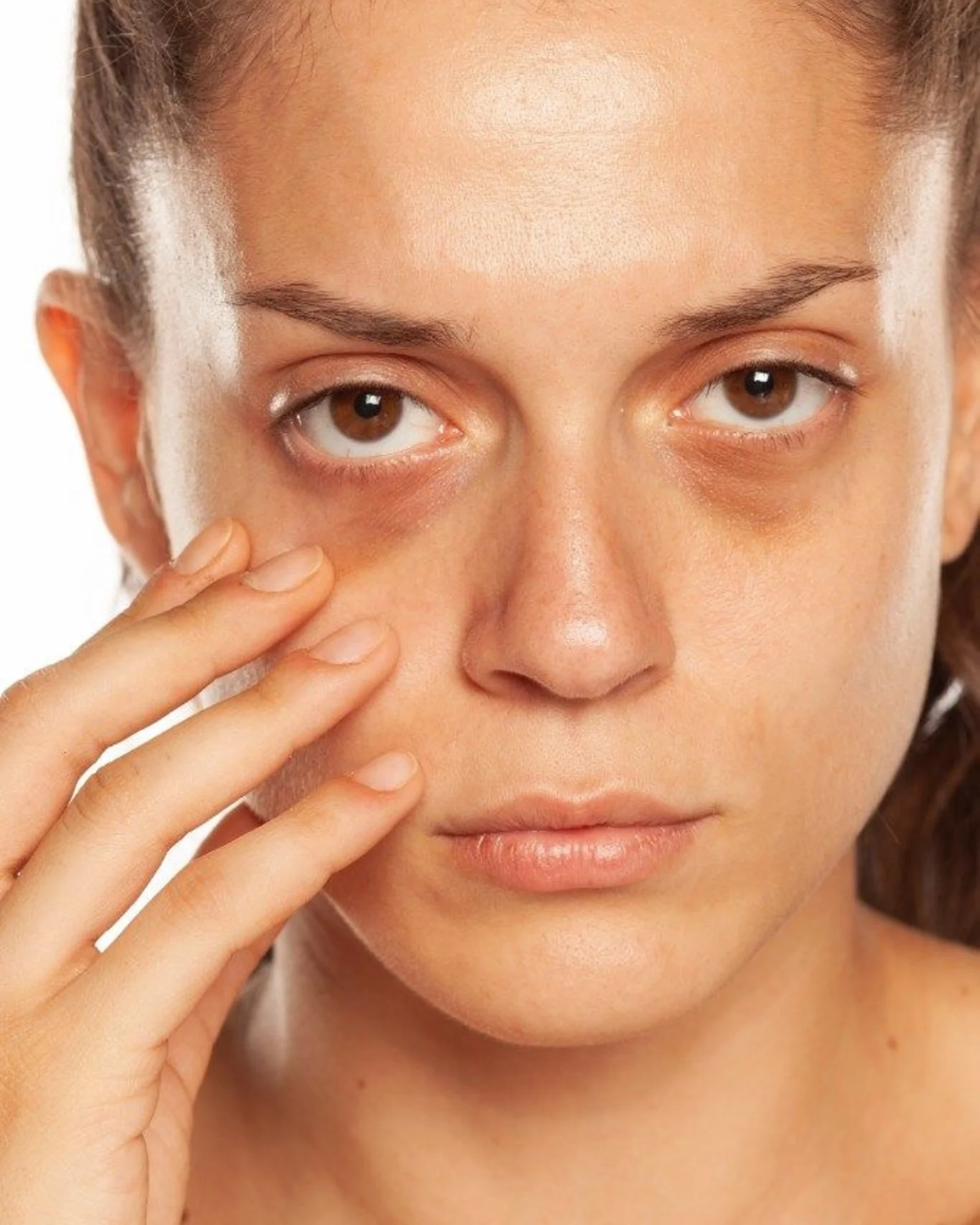
- Dark circles under the eyes can have pigmentary, structural or vascular causes, or a combination of these.
- The treatment is chosen according to the cause, for example fillers or autologous fat grafting for volume loss and creams or chemical peels for pigmentation, but there are few high-quality studies.
- A systematic review found that various creams can help with pigmented dark circles, but the evidence is limited; in a small laboratory study, observers perceived darker circles in people who had stayed awake for 31 hours after a short night.
- If vision problems or increasing pain appear after a hyaluronic acid filler, report this immediately to your treating doctor.
- For hyaluronic acid filler treatments at Dermacare, every treatment is preceded by a consultation with a doctor, and a minor touch-up can be done up to 3 weeks after the treatment.
Dark circles under the eyes are usually caused by several factors: pigmentation in the skin, structural changes in the tissues, vascular factors or a combination of these. The right treatment depends on the cause and on the changes actually present in your case. For example, fillers and autologous fat grafting were found to be most effective when the dark circles result from volume loss, but there are few high-quality studies. That is why we at Dermacare recommend starting with a personal consultation and only then choosing a treatment.
This article is about dark circles, bags and shadows under the eyes. If what bothers you is mainly fine wrinkles around the eyes, we have a separate page on injection treatments to reduce wrinkles around the eyes.
What causes dark circles under the eyes?
A 2021 systematic review of 39 studies lists four types of causes: pigmentary, structural, vascular (related to blood vessels) and mixed. Another review describes dark circles as a common condition with several causes at once, including the deep structure of the face, changes in the soft tissues and the skin itself.
With age, the fat layer beneath the skin in the midface thins and volume is lost, and such changes accentuate dark circles. The quality of the skin under the eyes can also affect their appearance.
How do you tell dark circles, bags and tear trough shadows apart?
The difference lies in what creates the appearance: pigment, blood vessels, the shadow of a hollow, fluid or protruding fat tissue. In detail:
- Pigmentary or vascular darkening: two of the types of causes listed in the systematic review.
- Tear trough shadow: hollows under the eye deepen the shadow, especially in the tear trough at the lower inner corner of the eye socket.
- Puffiness: fluid can accumulate in the soft tissue under the eye and add to a darker, older look.
- Protruding fat: fat tissue beneath the muscle surrounding the eye (the orbicularis oculi muscle) can bulge forward and accentuate dark circles.
- Thin skin: the skin of the lower eyelid is among the thinnest on the body, so whatever lies beneath it shows through more.
Sometimes several causes are combined. The treatment approach can be tailored to the anatomical changes present in each person. A 2023 review notes that under-eye hollows are often considered challenging to treat because of the complex anatomy around the eye. That is why we recommend not diagnosing yourself and instead checking in a personal consultation which factor is most prominent in your case.
Which under-eye treatment suits which cause?
The treatment is chosen according to the main cause. The 2021 systematic review states that there are few high-quality studies. The overview below therefore summarizes what has been studied and is not a personal recommendation.
- Volume loss: fillers and autologous fat grafting were studied and found to be the most effective options in this situation.
- Excessive skin laxity: eyelid surgery (blepharoplasty) was studied and found to be the most suitable option when this is the cause.
- Pigmentation: various creams and chemical peels were studied and found to be beneficial.
- Blood vessels or pigmentation: laser was studied and showed a mild to moderate benefit.
For under-eye hollows, a 2023 review concludes that hyaluronic acid fillers were found to be safe and effective. You can find information about the treatment itself on our page on hyaluronic acid fillers. Which options suit puffiness and bags under the eyes is assessed in a personal consultation.
Some people also ask about polynucleotides (PDRN) under the eyes. This article does not cover the effect of polynucleotides in the eye area. General information is available on our page on polynucleotide treatment, and if you are considering several options, we have put together an explanation of how to choose an aesthetic facial treatment.
What can you do at home and what is not enough on its own?
A systematic review found that various creams can help with pigmented dark circles, but the evidence is limited. For volume loss, fillers and autologous fat grafting were found to be most effective, and for excessive skin laxity, eyelid surgery. This is the summary of the 2021 systematic review, according to which chemical peels also help with pigmented dark circles, and which notes that there are few high-quality studies.
Lack of sleep can also affect how the area is perceived: in a small laboratory study, 40 observers perceived darker circles and more swollen eyes in photos of 10 people who had stayed awake for 31 hours after a short night of 5 hours of sleep, compared with photos of them after normal sleep. We found no statement in the sources we checked on home remedies such as cucumber, tea bags or cooling, so we do not make a recommendation about them.
What are the risks of treatment in the eye area?
Under-eye fillers can cause bruising and swelling, edema of the lower eyelid and cheek, and blockage of blood vessels. In a systematic review of 23 articles on tear trough fillers, side effects were generally mild. The effects described included bruising, edema, a bluish-gray skin tone and contour irregularities. The warning signs that call for seeing a doctor immediately are listed in the next section.
When to see a doctor immediately
If vision problems or increasing pain appear after a filler treatment, report this immediately to your treating doctor. This is the recommendation of a consensus document on aesthetic facial injections published in 2020. These are the signs the consensus lists as possible serious complications that are important to know:
- Vision problems, such as eye pain, double vision or loss of vision in one or both eyes.
- Pain that gets worse on the day after the injection.
- Unusual bruising within 24 hours of the injection.
- Pus-filled spots or blisters within 3 days of the injection.
- Lumps, immediately after the treatment or later, which should be reported right away.
It is important to know the unusual bruising and the spots or blisters, and if they appear, contact your treating doctor. A blockage of blood vessels does not always appear immediately and can occur up to 72 hours after the treatment. A blockage that leads to blindness is rare; nevertheless, the recommendation is to explain the risks to patients explicitly, including all complications related to vision. According to the same recommendations, you should receive the aftercare instructions in writing, together with a way to get in touch with questions that come up outside opening hours. Make sure you have both before you leave the clinic.
After a hyaluronic acid filler treatment: checklist
This list is based on our treatment page on hyaluronic acid fillers, which refers to filler treatments in general, and on the 2020 consensus recommendations. In the eye area, the course can vary from person to person.
The first days
- If the skin looks slightly swollen, this usually passes within a day or two.
- Avoiding strenuous activity is recommended.
- You can return to your routine and daily activities immediately after the treatment.
Up to one week
- Bruising, if it appeared, is expected to fade within 5-7 days.
Until the check-up
- Up to 3 weeks after the treatment, a minor touch-up can be done at our clinic.
- For new patients or treatment of a new area, the consensus recommends a follow-up check 2-4 weeks after the treatment.
A blockage of blood vessels can occur up to 72 hours after the treatment, and lumps can appear immediately or later. If vision problems or increasing pain appear, report this immediately to your treating doctor.
What does the treatment look like at our clinic and what can you expect?
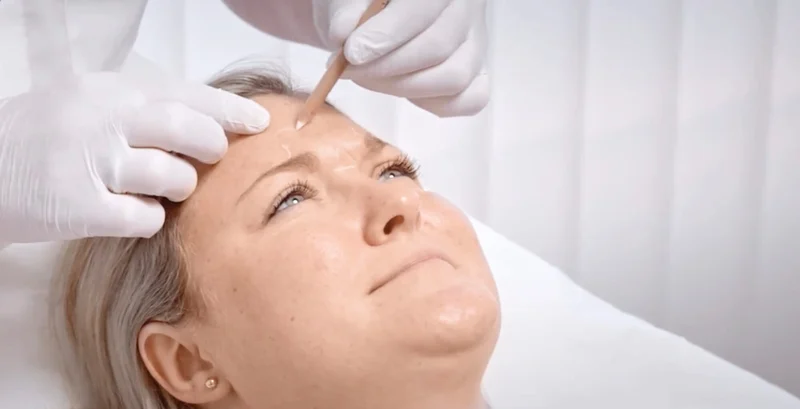
According to our treatment page on hyaluronic acid fillers, every treatment is preceded by a consultation with a doctor, where you can get answers to your questions and look at the options that suit you. You fill in a medical questionnaire to identify and avoid possible risks. The treatment takes 15-30 minutes. The same page lists under-eye hollows (tear trough shaping) among the areas for which hyaluronic acid fillers are suitable.
The information in this section refers to hyaluronic acid filler treatments in general. In the eye area the course can differ, and this is clarified in the consultation. Our treatment page states that blood-thinning medication can increase the risk of bruising. According to the consensus document, people taking prescription blood thinners or anti-inflammatory drugs may be at increased risk of bruising, yet fillers can still be done safely, because the risk-benefit ratio does not support stopping these medications. So tell the doctor which medications you take, and do not stop them on your own. According to our treatment page, mild swelling, bruising, pain or tenderness at the injection site are possible after filler treatments.
According to the treatment page, a maintenance treatment is usually needed after 9-12 months, depending on individual needs and the treated area. In the systematic review on tear trough fillers, the effect in the included studies lasted 8-12 months.
What patients ask us about the under-eye area
Patients often ask how puffiness and fat bags under the eyes are treated. There are also questions about microneedling for under-eye hollows and about filling or lifting the area. Google searches in which our website appears also include searches about wrinkles under the eyes. If that is your topic, there is a separate article on wrinkles under the eyes.
To understand what causes your dark circles and which options suit you, contact us for a consultation at Dermacare in Petah Tikva.
Frequently asked questions
The approach depends on the cause of the dark circles. According to a systematic review, fillers and autologous fat grafting are most effective for volume loss, eyelid surgery is most suitable for excessive skin laxity, creams and chemical peels help with pigmentation, and laser gives a mild to moderate benefit for blood vessels and pigmentation, but there are few high-quality studies. Which option suits you is determined in a personal consultation.
Fluid that accumulates in the soft tissue under the eye and fat tissue that protrudes beneath the muscle surrounding the eye can accentuate dark circles under the eyes. The treatment approach can be tailored to the anatomical changes present in each person. We have received several enquiries about fat bags under the eyes. We recommend finding out in a personal consultation what causes them in your case.
Dark circles can be caused by pigmentation, blood vessels or the shadow of hollows, and puffiness can result from fluid accumulating in the soft tissue under the eye. A bulge of fat tissue beneath the muscle surrounding the eye can also accentuate dark circles. If what bothers you looks like bags, a consultation clarifies which factor is most prominent in your case.
A systematic review found that various creams and chemical peels can help with pigmented dark circles, but the evidence is limited. When dark circles are caused by volume loss, fillers and autologous fat grafting were found to be the most effective.
A 2023 review found it to be safe and effective for under-eye hollows. Side effects are still possible, including bruising, swelling and blockage of blood vessels. If vision problems or increasing pain appear after the treatment, report this immediately to your treating doctor.
According to our treatment page, bruising, if it occurs, generally disappears within 5-7 days, and mild swelling subsides within a day or two. In the eye area the course may differ, and this is clarified in the appointment with the doctor. Vision problems or increasing pain are a reason to see a doctor immediately.