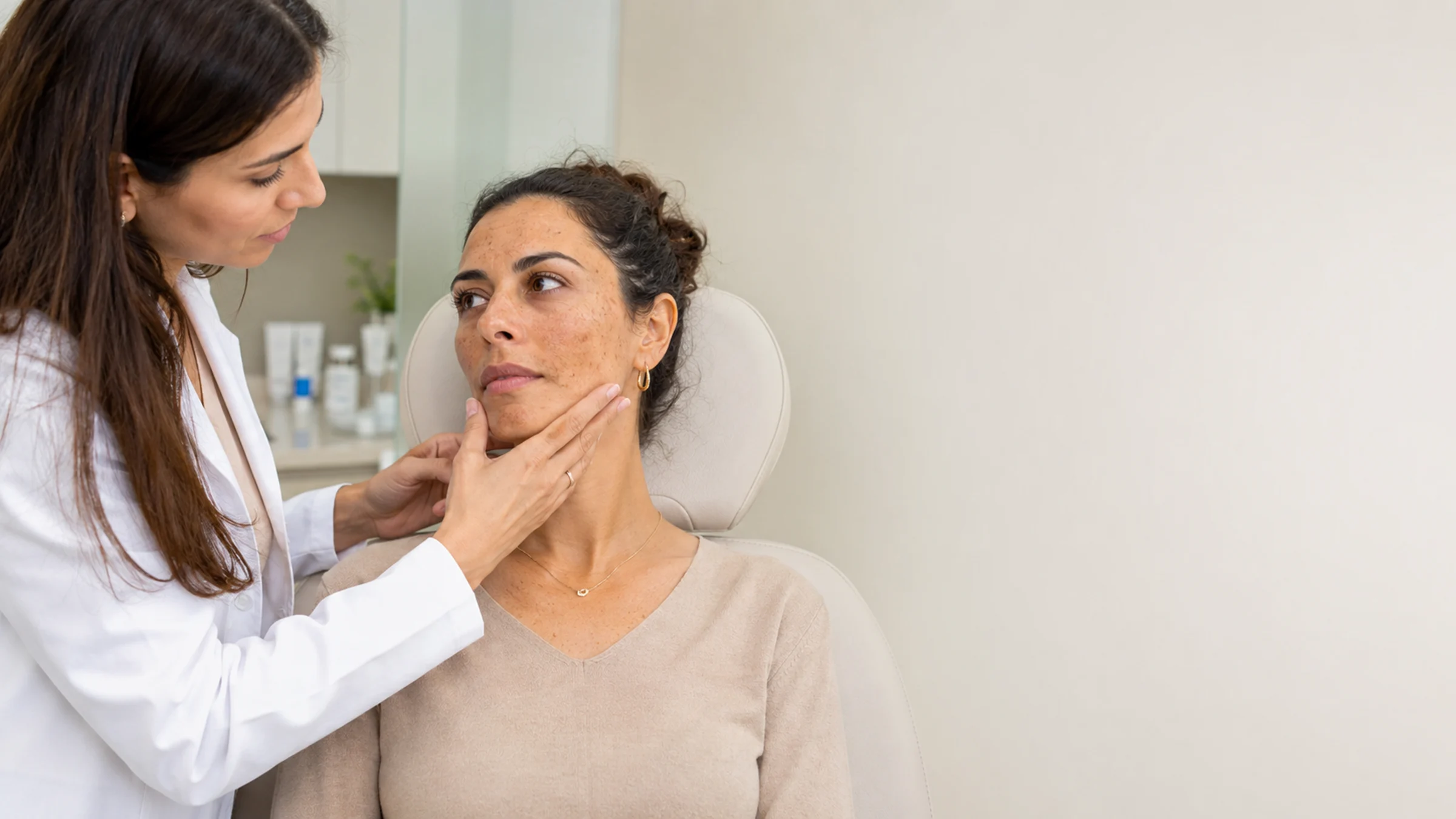
In brief
- Facial pigmentation treatment must begin with a professional skin assessment, because generic treatment may not help and can even make the condition worse, especially in sensitive or dark skin.
- The main types of pigmentation are sun spots, melasma and post-inflammatory hyperpigmentation (PIH), and each requires a different treatment approach.
- Superficial sun spots respond well to IPL light treatments and chemical peels, whereas melasma requires a gentle, combined approach because aggressive treatments may make it worse.
- IPL treatment with the Lumecca device takes about 20 minutes for the full face, with minimal recovery time, but it is less effective for deep melasma.
- After a chemical peel there is a recovery period with redness and peeling, and strict sun protection is essential.
Skin spots and pigmentation are among the most common aesthetic complaints in Israel, mainly because we live in a sun-drenched country. Facial pigmentation treatment is not "magic", but an organised medical-aesthetic process whose aim is to lighten existing spots and create an even skin tone. The path to a successful result always begins with a professional and accurate skin assessment. Without it, any treatment is no more than a guess that may not help and may even make the condition worse.
Facial pigmentation? This is how to start the right treatment
You could say that facial pigmentation is almost a "national problem" among women and men in Israel. The strong sun that we love so much is also the main cause of spots. In fact, according to estimates, a significant proportion of the population over the age of 30 deals with sun spots or melasma to one degree or another. With an average of about 3,000 hours of sunshine a year, this figure is not surprising.
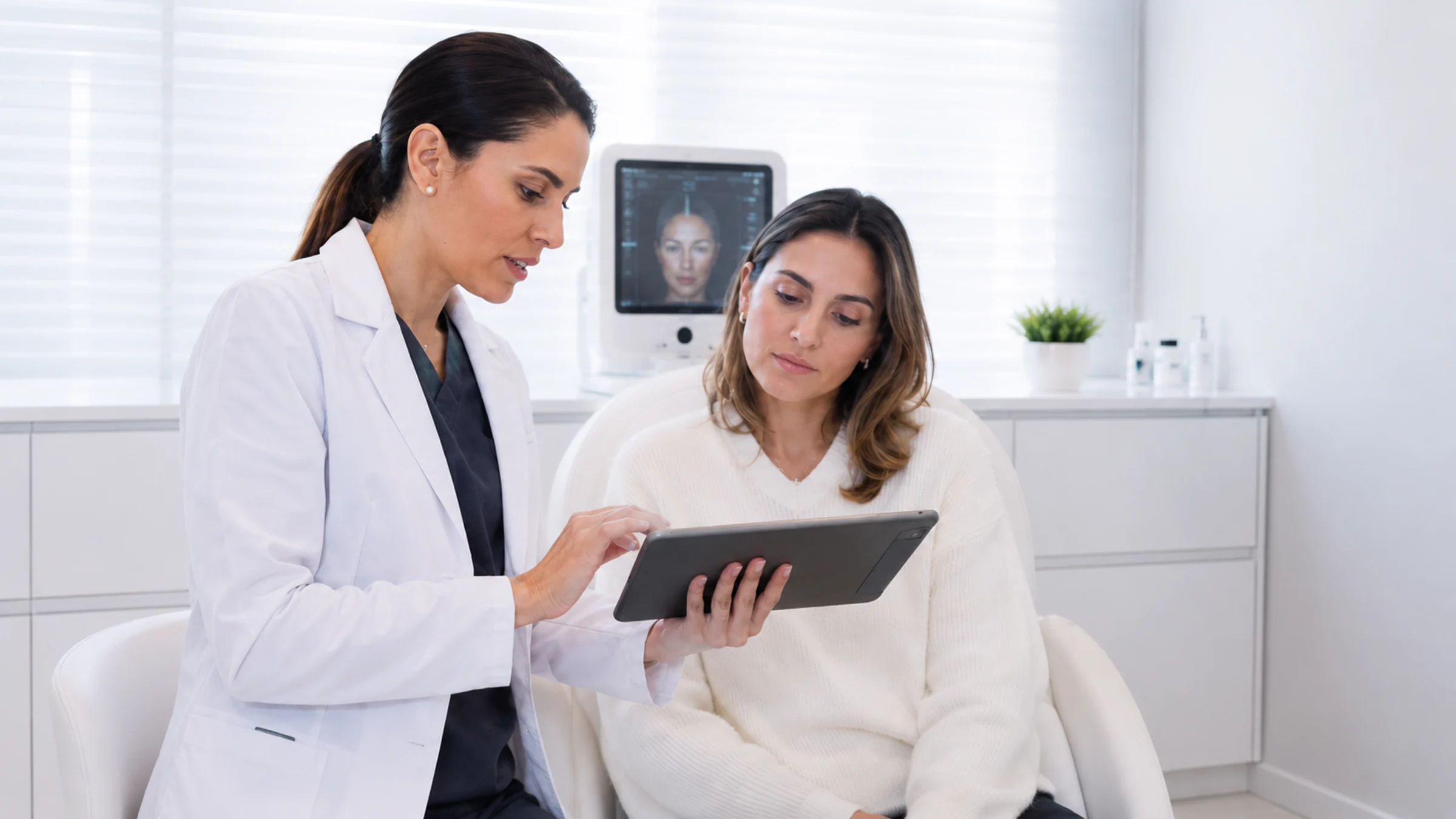
The most critical point is that treatment must begin with a professional assessment. Think of it this way: every spot is a story in its own right. A superficial sun spot requires a completely different approach from deep, hormonal melasma. "Generic" treatment that is not personalised may not only fail to deliver the desired result, but in some cases may even make the condition worse, especially in sensitive or dark skin.
At Dermacare, we do not believe in "off-the-shelf" solutions. The first and most important step in the process is a consultation and professional assessment, which allows us to "read" the skin in depth and understand exactly what it needs.
The importance of a professional assessment before treatment
A correct assessment is the foundation of every successful treatment plan. It allows us to get accurate answers to essential questions, which are the key to building an effective and safe treatment protocol:
-
What type of pigmentation is it? Is it sun spots (solar lentigo), melasma (hormonal pigmentation), or post-inflammatory hyperpigmentation (PIH) left behind after acne spots?
-
How deep is the spot? Is it superficial (epidermal) or deep (dermal)? The answer to this question dictates the type of technology we choose to use.
-
What are the main causes? Is it sun exposure, hormonal changes, genetics or a reaction to trauma in the skin?
-
What is the skin type (Fitzpatrick) and what is its sensitivity level?
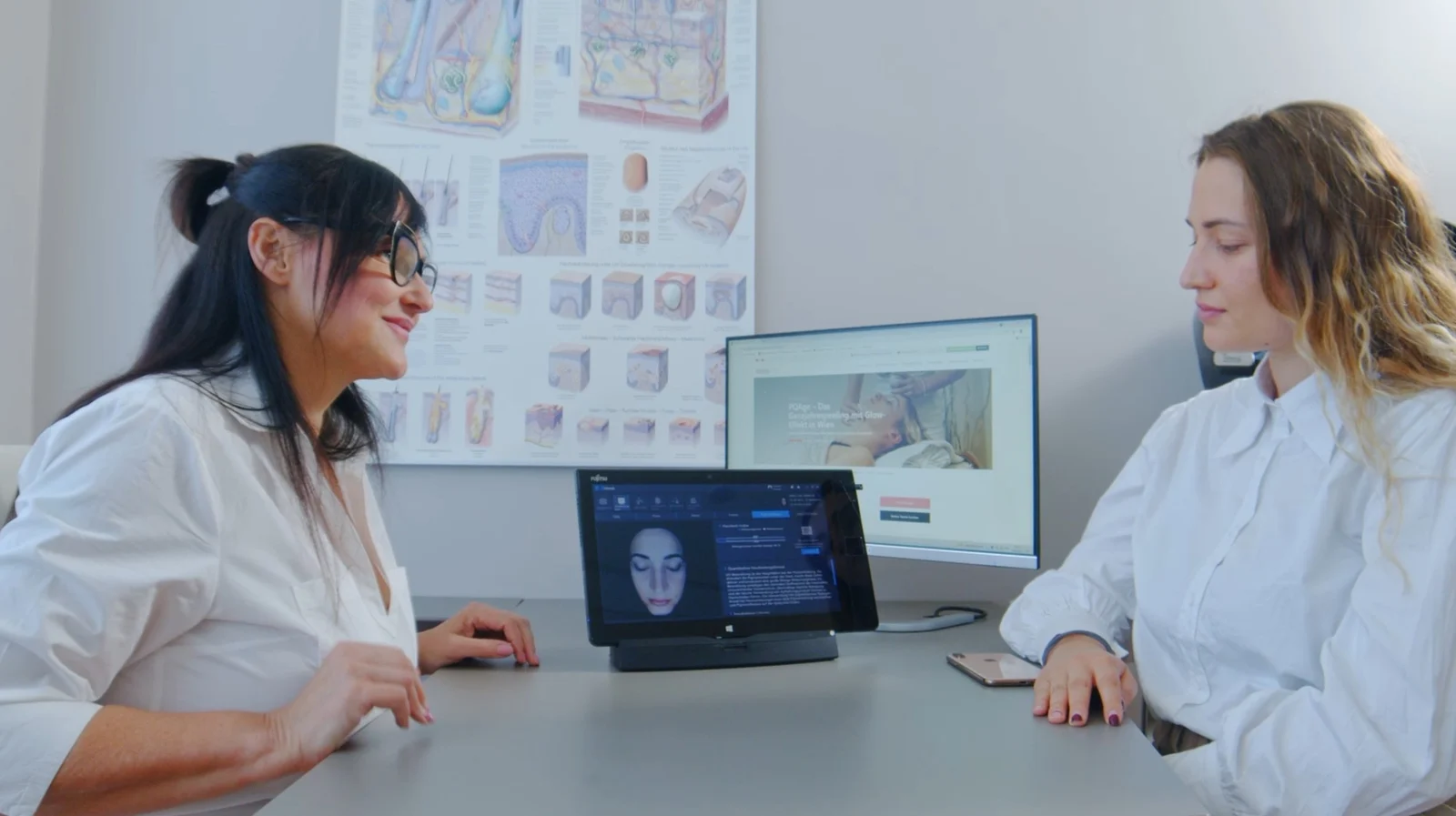
Using advanced diagnostic equipment and the extensive clinical experience of the Dermacare team, we build a complete picture of the condition of the skin. This stage is essential for tailoring a personal, effective and safe treatment protocol that saves you time, money and above all – unnecessary treatments that will not deliver results. You can read more about the importance of computerised skin analysis in our detailed guide.
This responsible approach allows us to combine advanced technologies with many years of experience, to achieve excellent results while maintaining the long-term health of the skin.
A quick overview of pigmentation types and treatment approaches
The following table presents common types of facial pigmentation and the main treatment approaches recommended at Dermacare. It is important to remember that these are general guidelines only, and the best treatment plan is the one built personally for you.
| Type of pigmentation | Main causes | Treatment methods recommended at Dermacare |
|---|---|---|
| Sun spots (lentigo) | Cumulative sun exposure | Light treatments (IPL), chemical peels, lightening products |
| Melasma | Hormonal changes, sun exposure, genetics | Combined protocols: gentle peels, medical-grade products, microneedling |
| Post-inflammatory hyperpigmentation (PIH) | Acne, injury or inflammation of the skin | Radiofrequency (RF) microneedling, chemical peels, treating the cause of the inflammation |
How do you identify the type of pigmentation? (And why it is critical to the success of treatment)
When planning facial pigmentation treatment, the first step is to understand exactly what you are dealing with. The most common mistake is to treat all spots in the same way, an approach that often leads to disappointment or even worsening. Each type of spot has a different story – different causes, unique characteristics and a treatment protocol that suits it alone.
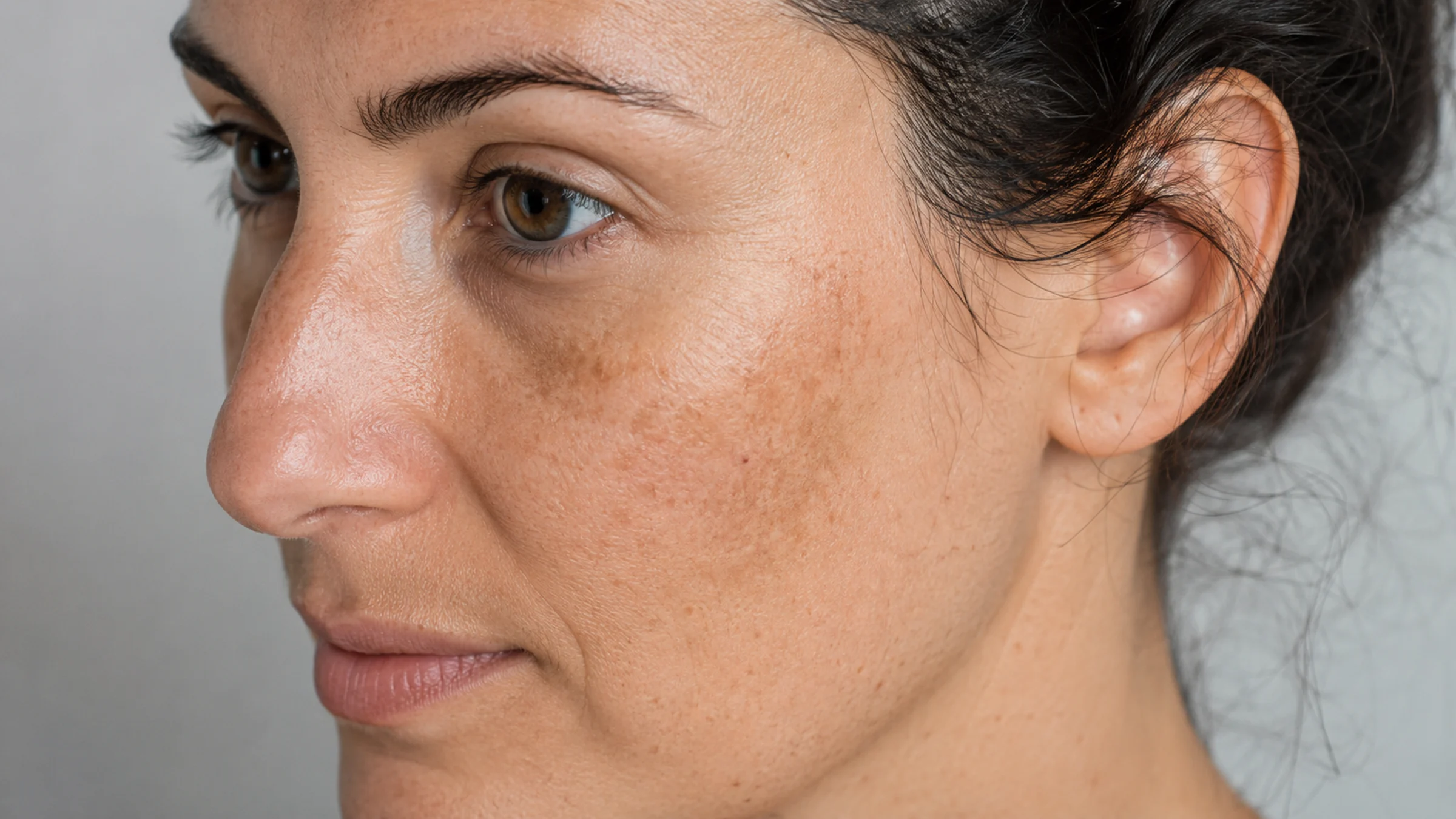
At the Dermacare clinic, we do not guess. Every process begins with a precise and in-depth assessment. Only once we understand the type of pigmentation can we choose the right tools from our treatment arsenal and build a winning plan.
1. Sun spots (Solar Lentigo)
Sun spots, also known as "age spots", are the most common pigmentation problem we see in the clinic. They appear as flat, round or oval spots, ranging in shade from light to dark brown, and appear mainly on areas exposed to the sun: the face, the backs of the hands, the décolletage and the shoulders.
It is important to understand: these spots are not an inevitable consequence of age, but a direct result of damage accumulated from UV radiation over the years. The cells that produce pigment in the skin (melanocytes) go into overproduction to protect the skin, and over time the excess pigment (melanin) concentrates and forms a spot.
-
Characteristics: Spots with clear borders in various sizes, on areas exposed to the sun.
-
Main cause: Prolonged sun exposure, especially without adequate protection.
-
Treatment approach: The good news is that the pigment in sun spots is usually superficial. Therefore, they respond very well to treatments that target melanin, such as light treatments (IPL), and to treatments that accelerate skin renewal, such as chemical peels.
2. Melasma
Melasma, sometimes called the "mask of pregnancy", is a completely different story – far more complex and stubborn. It appears as large, symmetrical patches with diffuse borders, usually on the forehead, cheeks, bridge of the nose and upper lip. The shade can be light brown, but also greyish-brown.
What makes melasma challenging is its hormonal background. Hormonal changes (such as during pregnancy or when taking the pill), combined with sun exposure and a genetic predisposition, create a "perfect storm" of uncontrolled pigment production.
The key to dealing with melasma is a careful, gentle and combined approach. Overly aggressive treatments, such as certain lasers that emit high heat, may "wake up" the pigmentation and make it worse. The treatment requires patience, precise personalisation and the patient's full commitment.
Typically, melasma treatment will include a combination of gentle peels, medical-grade products that suppress melanin production, and technologies such as microneedling. In addition, it is important to understand the complexity of changes in skin colour and their causes in order to tailor the most precise treatment.
3. Post-inflammatory hyperpigmentation (PIH)
Post-inflammatory hyperpigmentation is essentially a "colour scar" that the skin leaves behind after trauma or inflammation. The most common cause is acne, but burns, injuries, insect bites or cosmetic treatments that were not performed properly can also leave brown, reddish or purplish spots.
These spots form as part of the skin's natural healing process. The inflammation causes the pigment cells in the affected area to produce excess melanin. The phenomenon is particularly noticeable in people with darker skin (Fitzpatrick type 3 and above).
-
Characteristics: Flat spots of varying colour, appearing exactly where there was a pimple, injury or irritation.
-
Main cause: The skin's healing response to inflammation.
-
Treatment approach: The approach here is twofold: lightening the existing spot and treating the source of the inflammation (for example, treating active acne). Methods such as radiofrequency microneedling and peels are particularly effective, because they accelerate the rate of cell renewal and help the skin "push" the excess pigment out.
Understanding the differences between types of pigmentation is critical to the success of treatment. Misdiagnosing melasma as sun spots, for example, may at best lead to ineffective treatment and at worst make the problem worse. That is why there is no substitute for a professional, experienced assessment – it is the basis of every successful treatment.
Comparing facial pigmentation treatment methods
Now that we understand that the key is an accurate assessment, it is time to look at the available solutions. The world of aesthetics offers a wide range of treatments, and it is easy to get lost among all the names and technologies. From our experience in the clinic, the right choice is not a matter of trends, but of precise clinical matching.
At Dermacare, we approach every case with a clear philosophy: a combination of in-depth clinical knowledge, years of experience and the most advanced and safest technologies. Only in this way can a treatment plan be built that really works.
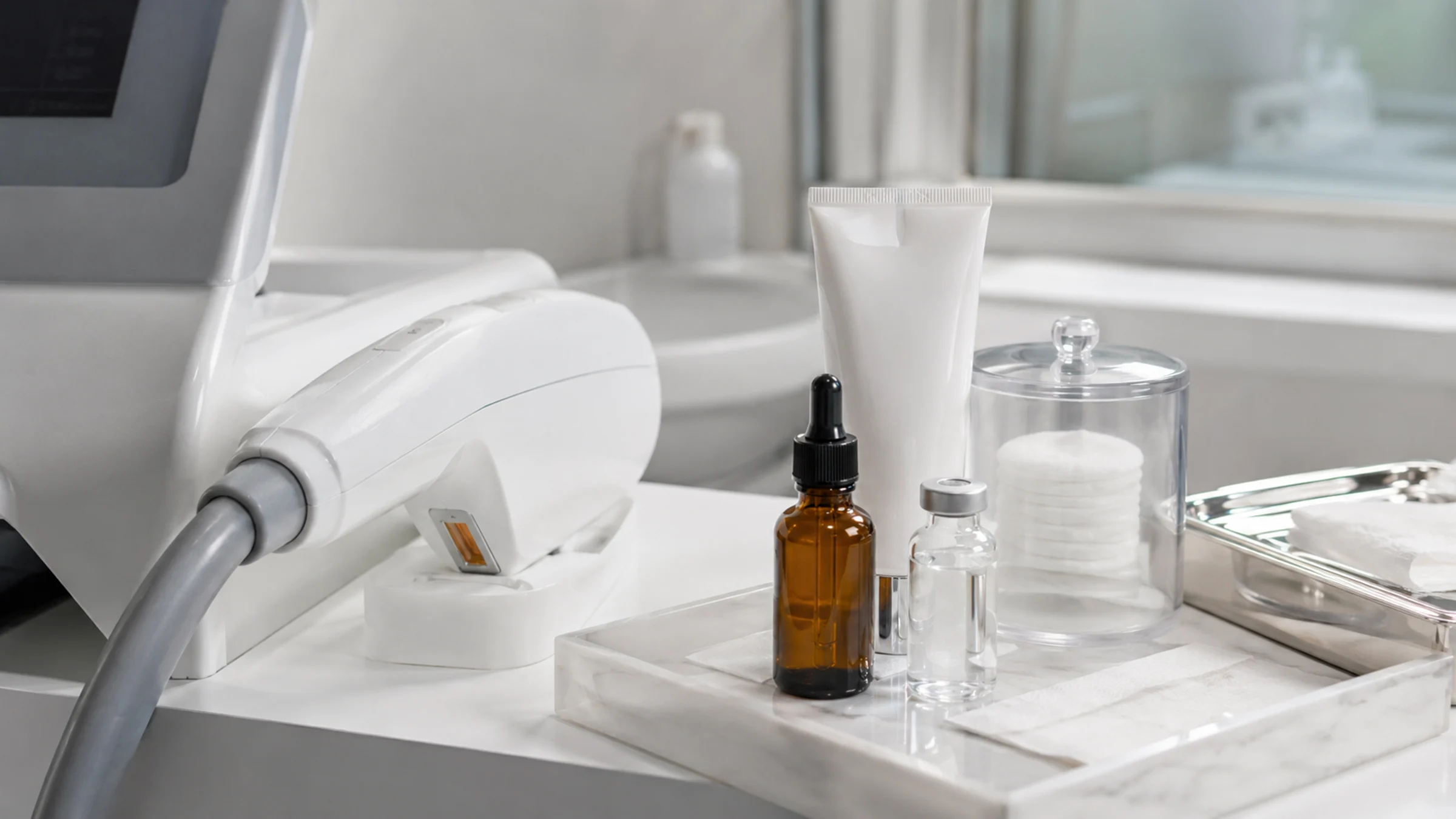
In this section we bring some order. We compare the leading treatment methods, explain how each one works, which types of pigmentation it suits, and what its advantages and limitations are. Remember, the most effective treatment is often not a single technology, but a smart protocol combining several approaches – fully personalised to the condition of your skin.
Light technologies: IPL Lumecca
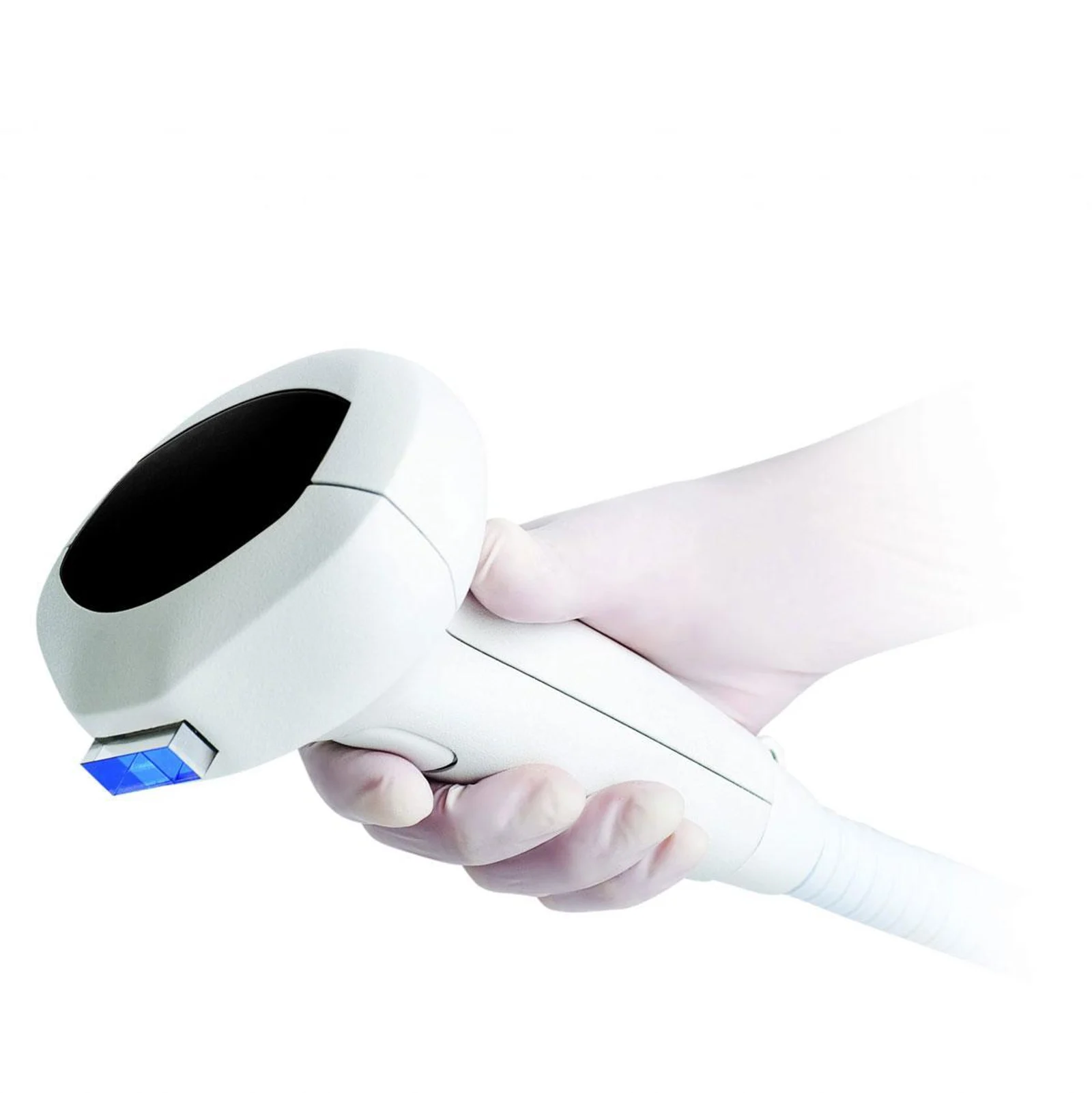
When it comes to treating superficial sun spots, freckles or redness, IPL (Intense Pulsed Light) technology is one of the most effective tools at our disposal. At the Dermacare clinic, we work with the Lumecca device, considered one of the most advanced IPL devices in the world. It is important to stress that this is not a laser, but broad-spectrum flashes of light.
How does it work?
The device sends a strong flash of light that is selectively absorbed by concentrations of dark pigment (melanin) in the spot. The light energy turns into focused heat, which breaks down the excess melanin in a controlled way. In the days after treatment, the spots will darken slightly and then begin to flake off and gradually lighten, revealing new, more even skin.
-
Which cases does it suit? Mainly sun spots, freckles, superficial pigmentation and also red spots originating from blood vessels.
-
Key advantages: A relatively quick treatment (about 20 minutes for the full face), minimal recovery time, and an overall improvement in skin texture and tone.
-
Limitations: Less effective for deep hormonal pigmentation such as melasma. The treatment requires precise matching to the skin tone to avoid risks.
Our choice of Lumecca stems from its unique ability to deliver very high energy in a short pulse. Simply put, this means more effective, safer treatment that usually requires fewer sessions to achieve the desired result.
Chemical peels
A chemical peel is a classic and effective treatment. It is a controlled procedure in which a personalised acid solution is applied to the skin, causing controlled peeling of the upper, damaged layers. The aim is not just to "peel", but to encourage the skin to produce a new, fresh, healthier and more even layer.
How does it work?
The active acids dissolve the bonds between the dead and pigmented skin cells in the upper layer. When these cells are removed, a new, brighter layer of skin is revealed. The process also signals the skin to start producing new collagen and elastin, which contributes to a firmer, fresher appearance.
-
Which cases does it suit? Superficial to medium pigmentation, sun spots and post-inflammatory hyperpigmentation (PIH). In cases of melasma, we use very gentle peels as part of a combined protocol.
-
Key advantages: Significant improvement in skin texture, smoothing of fine lines, and the ability to adjust the type and depth of the peel precisely to the need.
-
Limitations: Requires a recovery period including redness and peeling, which varies according to the depth of the peel. After treatment, strict sun protection is essential.
Radiofrequency (RF) microneedling
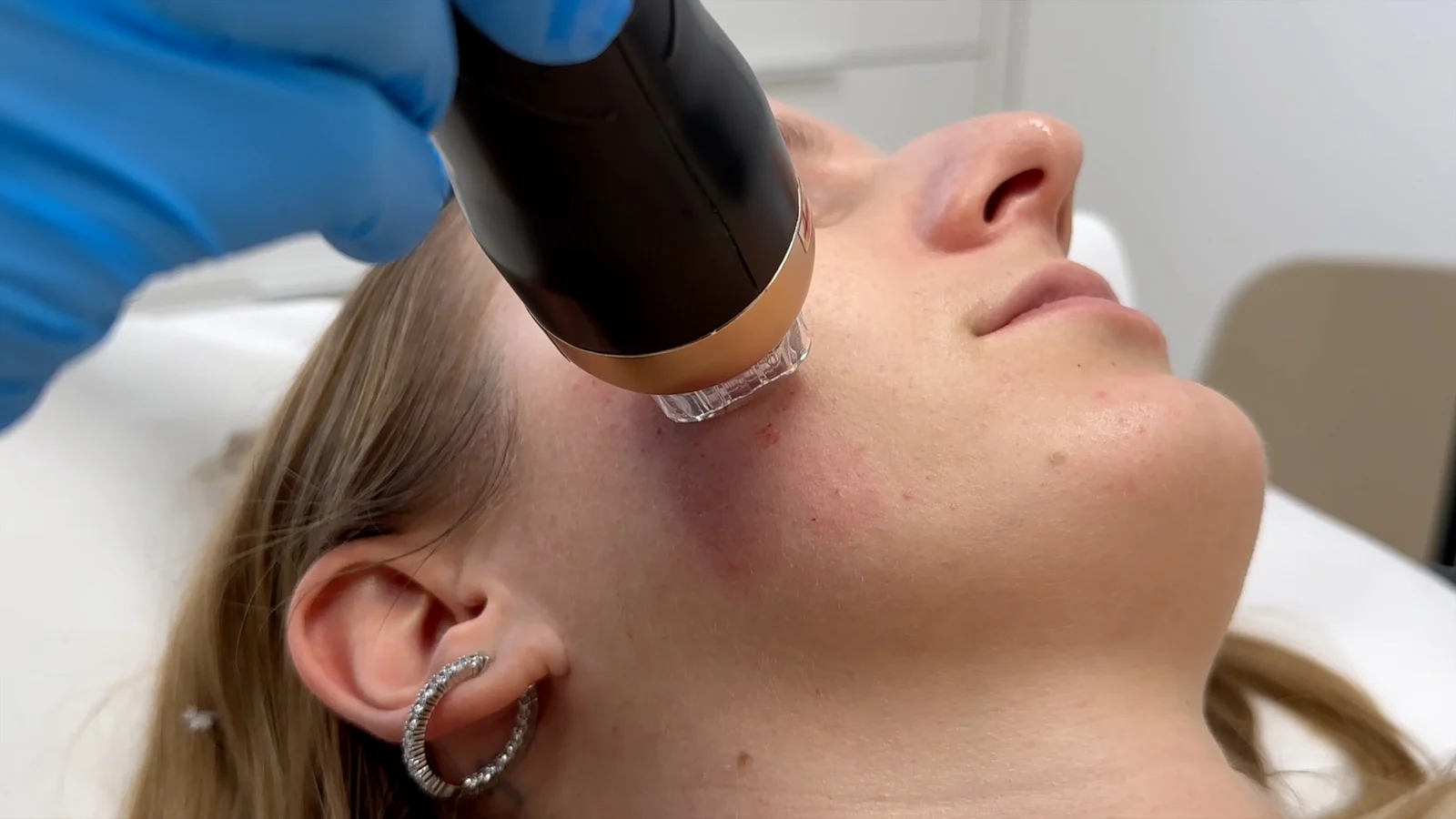
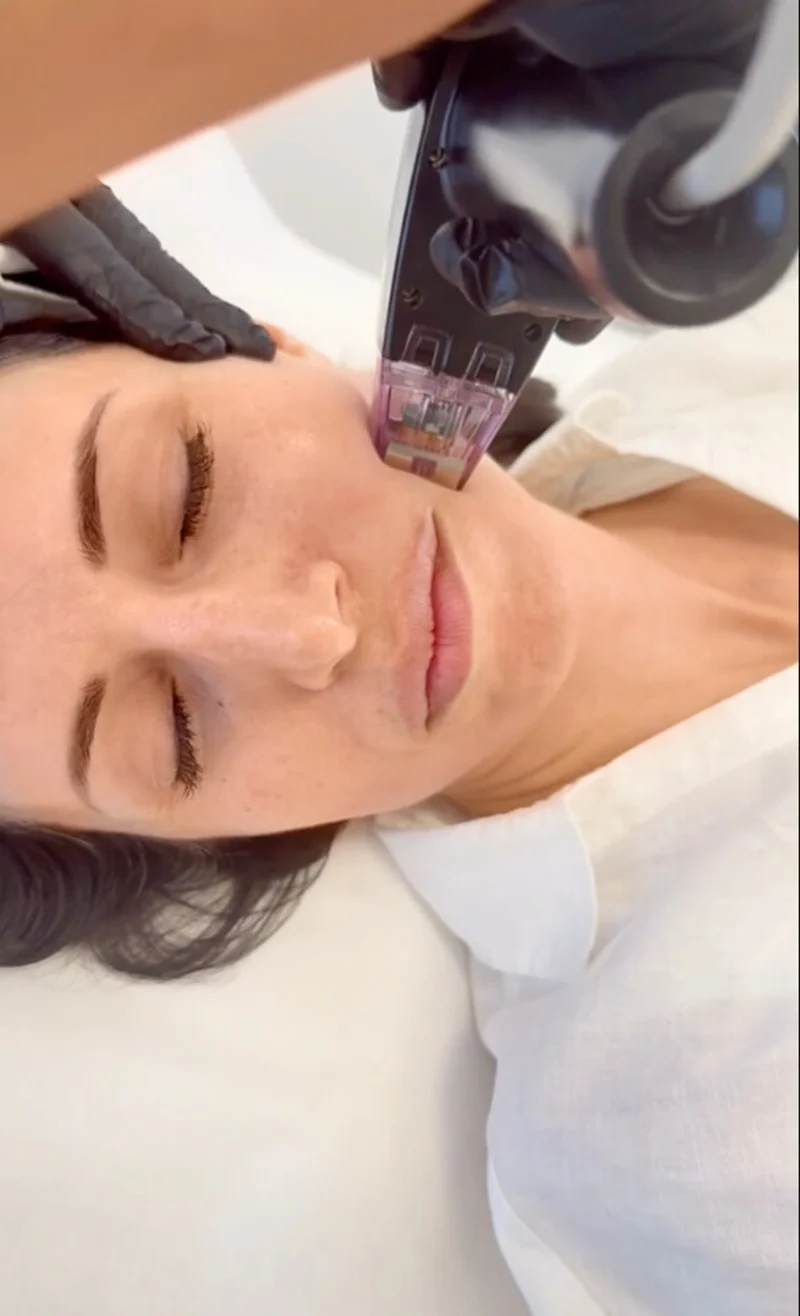
Treatments such as Morpheus8 are an excellent example of combining technologies for a better result. The treatment combines two powerful actions simultaneously: microneedling (controlled injury with tiny needles) and radiofrequency (RF) energy for deep, controlled heating of the tissue. The result is a holistic improvement in skin quality – firmness, texture and an even tone.
How does it work?
The treatment handpiece, equipped with tiny gold-plated needles, penetrates to a precise, controlled depth in the dermis. At the tip of each needle, radiofrequency energy is released that heats the tissue. This dual action triggers two processes:
-
Accelerated cell renewal: The microscopic injury activates the skin's natural healing mechanisms, causing it to renew itself and replace damaged and pigmented cells.
-
Building collagen and elastin: The heating encourages fibroblast cells to produce new collagen and elastin fibres, which strengthens the structure of the skin and gives it a firmer, more youthful appearance.
-
Which cases does it suit? Excellent for treating post-inflammatory hyperpigmentation (PIH), for improving skin texture and scars, and as part of a combined protocol for an overall improvement in skin tone.
-
Key advantages: Treats pigmentation and firmness at the same time, is considered relatively safe even for darker skin tones (with the right settings), and the results continue to improve for months after the course of treatments.
-
Limitations: A series of treatments is needed to achieve an optimal result. Recovery includes slight redness that usually passes within 2-3 days.
Medical-grade products for home use
A proper home skincare routine is not a "bonus", but an integral part of the success of treatment. Without daily support at home, the results achieved in the clinic will struggle to last over time. Products containing active ingredients in an effective concentration are the most important line of defence and treatment.
Their role is twofold: on the one hand, they "calm" the melanocyte cells and suppress excess melanin production. On the other hand, they help lighten existing spots by accelerating cell turnover. Effective ingredients include substances such as retinoids, azelaic acid, vitamin C and niacinamide. Their role is to inhibit the activity of the enzyme tyrosinase (responsible for melanin production) and to accelerate the rate of skin renewal.
Comparison table of pigmentation treatment methods
To help you understand the differences, we have gathered the main points in a table. Remember, this is a general comparison, and the final choice will always be made after a personal, professional assessment.
| Treatment method | Principle of action | Mainly suitable for… | Average number of treatments | Main advantages | Points to consider |
|---|---|---|---|---|---|
| IPL Lumecca | Flashes of light absorbed by melanin and converted into focused heat | Sun spots, freckles, superficial pigmentation, redness | 1-3 | Quick treatment, short recovery time, overall improvement in skin tone | Less effective for melasma, requires matching to skin tone |
| Chemical peel | Controlled peeling of the upper skin layers using acids | Superficial-medium pigmentation, sun spots, PIH | 2-4 | Improved texture, treatment depth adjusted to the need | Requires recovery time (peeling), strict sun protection |
| RF microneedling | Controlled injury and deep heating that stimulate collagen production | PIH (post-acne), scars, firming, overall texture improvement | 3-4 | Dual treatment (pigmentation and firming), relatively safe for dark skin | Requires a series, short recovery with redness |
| Home skincare routine | Suppressing melanin production, lightening spots and sun protection | All types of pigmentation (especially melasma), and maintaining results | Daily and continuous | Critical to the success of any treatment, prevents pigmentation from returning | Requires persistence, slower results as a standalone treatment |
Choosing correctly between the methods, or building a protocol that combines them, is an art based on science. It requires an in-depth understanding of skin biology, extensive clinical experience and familiarity with the capabilities and limitations of each technology. Here at Dermacare, we build a personal plan for every patient that takes all the factors into account, to ensure the best, safest and most natural result.
For more information on the differences between the various treatments, we recommend reading our article on whether laser treatments are effective for all types of pigmentation.
The patient journey at Dermacare: step by step
The decision to treat pigmentation is a significant step, and we know it comes with many questions and also concerns. What exactly happens at the clinic? Will the treatment suit me? How will I feel during it? At Dermacare, we believe that full transparency is the key to a successful and relaxed process.
That is why it is important to us that you get to know your journey with us, from the very first moment to the result. Our approach is completely personal, and is built from four clear stages designed to ensure you receive the most professional, precise and safest treatment for you.
1. Consultation and in-depth skin assessment
It all starts with listening. At the first meeting, we first of all want to hear from you – what bothers you, what your expectations are, and what you have already tried in the past. We then move on to an advanced skin assessment, sometimes with the help of computerised technology. This is not a superficial check, but a "dive" into the deep layers of the skin.
The assessment allows us to see what the eye cannot always see:
-
Accurately identify the type of pigmentation (sun spots, melasma, post-inflammatory spots).
-
Assess the depth of the spots – whether they are superficial (epidermis) or deep (dermis).
-
Identify hidden sun damage that is not yet visible on the surface of the skin.
-
Analyse the general condition of the skin – hydration levels, sensitivity, texture and pores.
This stage is critical so that we can set realistic expectations. We will explain to you exactly what we see, what can be achieved and what the expected timeframe is.
2. Building a personal treatment plan
With all the information we have gathered, our team builds a unique treatment protocol for you. We have no "off-the-shelf" treatment; every plan is tailored personally, like a made-to-measure suit.
We take into account not only the type of pigmentation, but you – your lifestyle, your skin type and tone (Fitzpatrick scale), the seasons of the year and your ability to commit to the process. The aim is to find the perfect combination that will deliver maximum results, with minimum recovery time and the highest level of safety.
In most cases, the plan will include a combination of several technologies and methods. For example, IPL treatments to lighten superficial sun spots can be combined with gentle peels to renew skin texture, and active products for home use to regulate melanin production. To improve overall skin quality and restore its vitality, we sometimes recommend complementary treatments such as skin boosters, which restore hydration and elasticity to the skin.
3. The course of treatments at the clinic
Once the plan has been approved, we begin the course of treatments. Every treatment is carried out at the clinic, in a professional, sterile and pleasant environment. Before each session, we will prepare your skin, explain the treatment process again and make sure you feel comfortable.
During the treatment, the experienced practitioner will be attentive to you throughout and will adjust the intensity of the equipment in real time according to the skin's response. The experience varies from treatment to treatment – with IPL, for example, you will feel warm flashes of light and gentle pinches. With a chemical peel, there may be a slight tingling sensation for a few minutes. We pay attention to every detail so that the experience is as safe and relaxed as possible.
4. Follow-up and instructions for continued care at home
The treatment does not end when you leave the clinic – in fact, an important part of it is only just beginning. The success of the process depends to a large extent on your cooperation and on following the instructions at home.
After each treatment, you will receive clear and precise instructions from us:
-
A tailored skincare routine: Using specific products that support the treatment, calm the skin and regulate pigment production.
-
Sun protection: This is the most important part. We will emphasise the critical importance of daily use of sunscreen with SPF 50+, every day, in winter too and on cloudy days.
-
Support and follow-up: We are available for any question between treatments. In addition, we will schedule follow-up appointments to track progress and make adjustments to the plan as needed.
This close support and holistic view are what turn a one-off treatment into a real journey of skin restoration, one that delivers long-lasting results.
Results, recovery and maintaining even skin
After building a precise treatment plan, the obvious question is "OK, so what should I expect?". At Dermacare it is important to us that you know exactly what to expect, both in the recovery process and in the final result. Success does not end when you leave the clinic – it depends very much on your cooperation and on caring for your skin at home as well.
What to expect immediately after treatment
The recovery process varies from treatment to treatment. For example, after facial pigmentation treatment with IPL technology, there are several completely natural reactions that indicate the treatment has been successful:
-
Slight redness: The skin may be slightly red and sensitive, but this sensation usually passes within a few hours.
-
Temporary darkening of the spots: Do not be alarmed if the spots suddenly look darker. This is an excellent reaction! It is a sign that the melanin has absorbed the light energy and has begun the process of breaking down.
-
Gentle flaking: After a few days, the broken-down pigment will rise to the surface and flake off gently. Underneath, brighter and more even skin will be revealed.
With peel treatments, the recovery process will include peeling for several days. After microneedling, there will be redness that usually passes within a day or two. We always provide our patients with precise aftercare instructions following laser treatments to ensure a quick and safe recovery.
It is important to remember: results are very individual and depend on the type of pigmentation, its depth, the skin type and above all on following the instructions. The results build up gradually, treatment after treatment.
Maintaining the results: the key to long-lasting even skin
Achieving a good result is only half the job. The other half, which is just as important, is maintaining it. A tendency towards pigmentation is usually a chronic condition, and the skin will always "remember" how to produce spots in response to triggers such as the sun or hormonal changes. That is why maintaining the results is a task shared between us – but mainly yours.
You can think of three pillars for maintaining even skin:
-
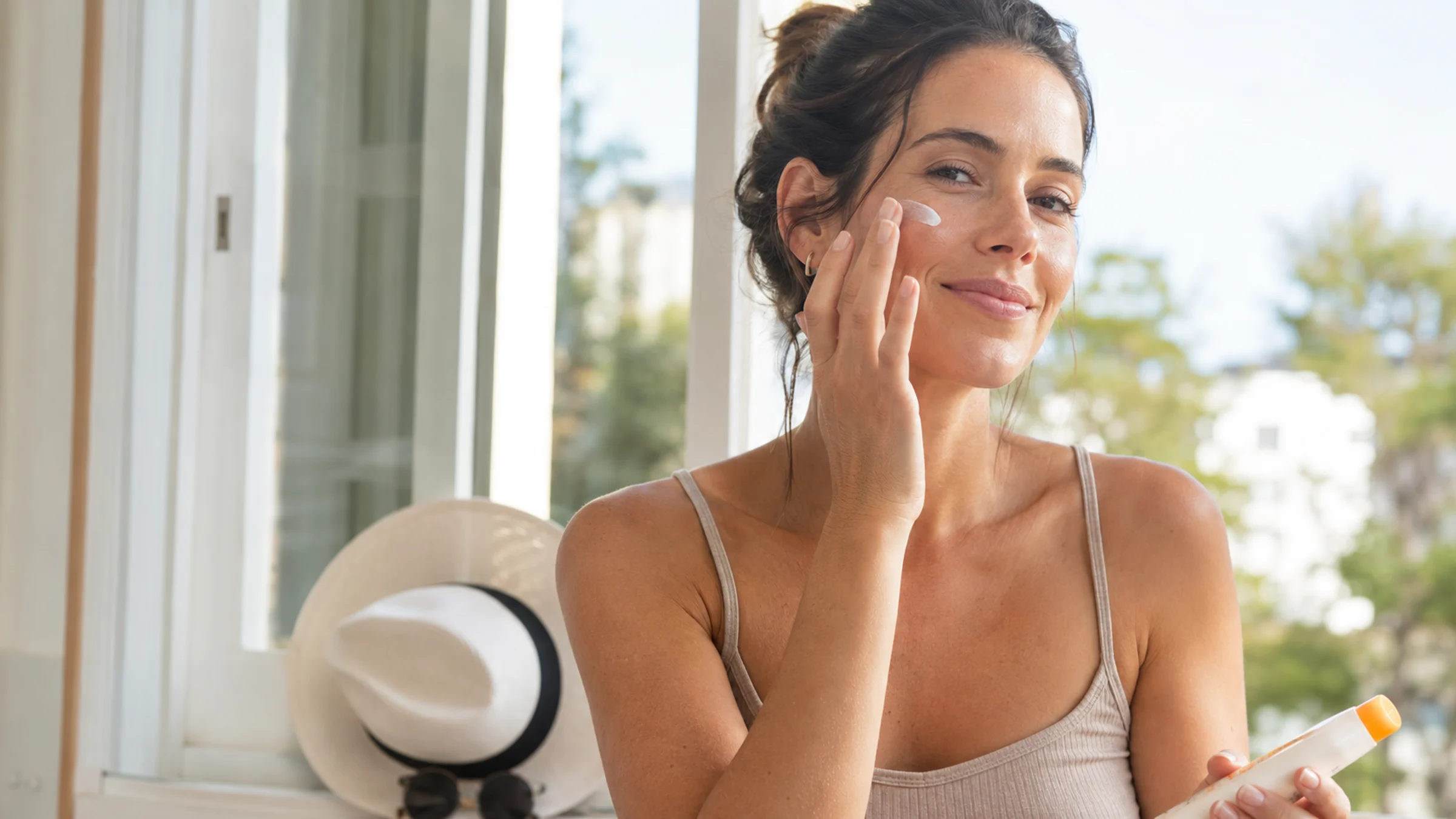
Daily, uncompromising sun protection: This is the most important rule. Daily use of a broad-spectrum sunscreen with SPF 50+ is a must. Every day, all year round, in winter too and even when you are indoors (UVA radiation penetrates through windows).
-
Avoiding direct sun exposure: Especially during peak hours (10:00-16:00). A wide-brimmed hat and sunglasses are essential accessories.
-
A tailored home skincare routine: Regular use of products with active ingredients (such as vitamin C, retinoids or acids) will help regulate melanin production and maintain an even skin tone.
Your investment in treatments will pay off over time only if you stick to a proper maintenance routine. We are here to guide you and build the precise plan that will help you enjoy healthy, radiant and even skin for many years.
In summary: the path to even skin begins with the right assessment
The battle against facial pigmentation can be frustrating, but it is important to understand: pigmentation treatment is a process, not a magic solution. There is no single treatment that suits everyone, and the most advanced technology will not help without the most important thing – a professional and accurate assessment.
The success of treatment depends on an in-depth understanding of the type of spot, its causes and its depth in the skin. It is a precise combination of clinical knowledge, extensive experience and a personalised treatment plan that combines different technologies. And of course, success also depends on you – on your commitment to caring for your skin and following the instructions at home.
Here at Dermacare, we see every patient as a full partner in the journey. The combination of our expertise and your cooperation is the winning formula for healthy, even and radiant skin over the long term.
We understand the frustration involved in dealing with this. Instead of continuing to look for temporary solutions, we invite you to take the most significant step towards real change. This step begins with a professional diagnostic consultation, in which we will understand the condition of your skin together and build the right and safest path for you.
Want to understand exactly what suits your skin? The Dermacare team will be happy to assess your skin, tailor the precise type of treatment and set realistic expectations – in a professional, personal and precise way. To book a consultation, you can contact us here.
Frequently asked questions
This is probably the first question people ask, and the answer is: it depends on the treatment, but in most cases the sensation is entirely tolerable. In light-based treatments such as IPL, the sensation is similar to a light "rubber band snap" or a quick, warm pinch that passes in a fraction of a second. With a chemical peel you may feel a tingling sensation for a few minutes, and for microneedling we always use a local anaesthetic cream beforehand, so the main sensation is gentle pressure. Our aim is for you to go through the process as comfortably as possible.
Side effects are usually a natural part of the skin's healing and renewal process. They are temporary and pass on their own:
-
After IPL/laser: Slight redness that passes within hours is to be expected. It is important to know that the spots themselves will darken in the first days – this is an excellent sign that the treatment worked! They will then flake off gently and lighten.
-
After a chemical peel: Redness, dryness and peeling of the skin may occur for several days, depending on the depth of the peel. This is a controlled process whose purpose is to reveal a new layer of skin.
-
After microneedling: Redness and slight swelling are to be expected, usually settling within 24-48 hours.
When the treatment is carried out by professional, experienced hands after a careful assessment, the risk of significant side effects is very low.
This is an excellent question. The unequivocal answer is that autumn and winter are the ideal period. The reason is simple: in these months UV radiation is less aggressive, which reduces the risk of skin irritation or the development of new (post-inflammatory) pigmentation in the treated area. Treatment in winter allows the skin to heal optimally and helps preserve the results. And yes, even in winter, daily use of sunscreen is a must.
It is important to us that you know: at Dermacare we will never perform intensive pigmentation treatments on tanned skin or close to a sunny holiday. The safety of your skin is always our top priority.
Yes, definitely, but it requires greater expertise and caution. Dark skin (Fitzpatrick scale 3 and above) contains more active melanin, so it is more sensitive and may react to an unsuitable treatment by forming new spots. Therefore, for those with dark skin we will plan a different treatment protocol, and will usually prefer safer technologies such as radiofrequency microneedling, or a course of gentle, superficial chemical peels, combined with preparing the skin with dedicated products.
There is no uniform answer to this question, because every treatment is personal. The cost is determined by several factors: the type of pigmentation (a superficial sun spot or deep melasma?), the technology required (is a single IPL treatment enough or is a combined course of treatments needed?), and the number of sessions needed to achieve the desired result for you. In the consultation, after an accurate assessment of the condition of your skin, we will build a personalised treatment plan for you and provide a transparent, detailed quote.