
In brief
- Acne scars form due to deep damage in the dermis, and most of them, around 80-90%, are depressed scars caused by insufficient collagen production.
- Do not squeeze or pick at acne spots: it is an almost certain way to create a scar, because it worsens the inflammation and damages the skin.
- The types of depressed scars are ice pick, boxcar and rolling, and each type suits different treatment technologies.
- Morpheus 8 combines microneedling and radiofrequency to stimulate the production of new collagen and elastin in the deep dermis.
- The goal is a significant improvement in skin texture, not erasing 100% of the scars, and most patients need a combination of several methods.
Treatment for acne scars is an umbrella term for a range of advanced methods aimed at restoring skin texture, smoothing depressions and reducing the marks that stubborn acne has left behind. The most modern and effective approach at the Dermacare clinic does not "cover up" the problem, but focuses on stimulating natural collagen production – that is, harnessing the body's own healing processes to repair skin damage from within.
Why do acne scars form?
To know how to treat scars properly, it is important to understand why they form in the first place. Acne scars are not just "marks" on the skin; they are the result of deep damage to the dermis, the layer responsible for the firmness, elasticity and structure of our skin.
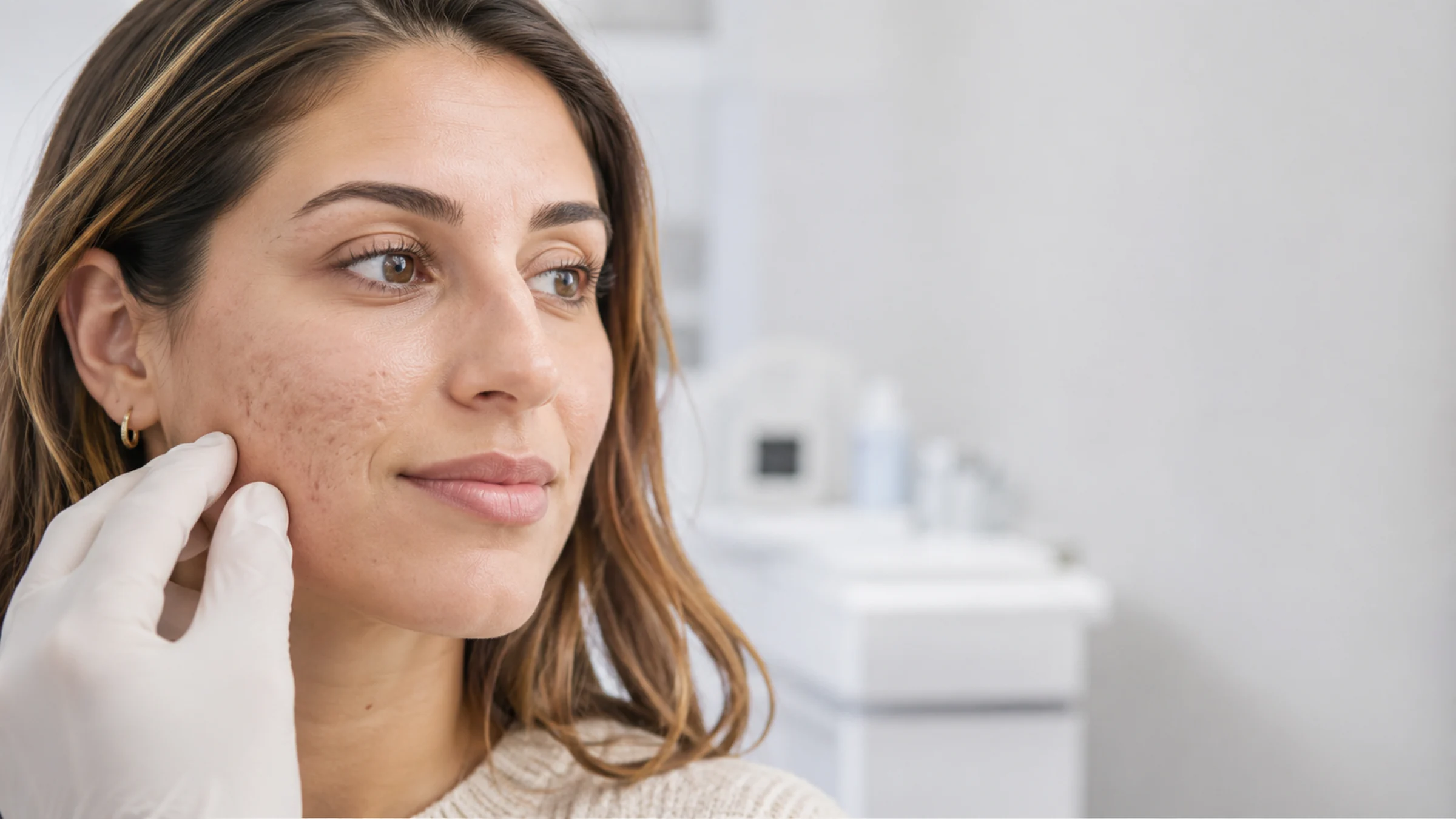
When a deep, inflamed acne lesion develops, the body automatically activates its natural healing mechanism. You can imagine this process as an internal "renovation team" sent to repair the damaged tissue. The problem is that sometimes, for various reasons, this renovation is not carried out smoothly and precisely, and the result is a scar.
Think of repairing a hole in a wall: if we use too little filler, a dent remains. If we use too much, a bump forms. This is exactly how the body uses collagen to "repair" damage in the skin.
How do the different types of scars form?
The imbalance in collagen production during healing is what determines which type of scar will form on the skin:
-
Atrophic (depressed) scars: these are the most common scars. They form because the body did not produce enough collagen to fill the entire "cavity" left by the inflammation in the dermis. The result is "holes" or depressions in the skin texture, such as ice pick scars, boxcar scars or rolling scars.
-
Hypertrophic (raised) scars: in these cases the exact opposite happens – the healing process gets out of control and the body produces excess collagen. Scar tissue builds up above the surface of the skin and creates a raised bump.
Acne scars are a very common phenomenon in Israel. According to estimates, around 80% of teenagers and young adults experience acne, and of these around 20% to 30% may develop permanent scars if the treatment is not right. The vast majority of scars, around 80-90%, are of the depressed (atrophic) type, caused by insufficient collagen production.
What increases the risk of scarring?
Beyond genetic predisposition, the most significant factor within our control is how we handle the spots. "Picking" and trying to squeeze acne spots are an almost certain recipe for scarring. These actions injure the skin, push bacteria deeper, worsen the inflammation and create extensive damage that makes it difficult for the body to heal properly.
Alongside scars, the healing process often also leaves post-inflammatory hyperpigmentation (PIH). These are the red or brown marks that appear in the area of the spot even after it has healed. In Israel, because of high sun exposure, the risk of developing these marks is particularly high. It is important to understand that this is not structural damage like a scar, but it also requires dedicated treatment alongside the treatment of skin texture.
This understanding makes it clear why acne scar treatment is in fact a process of deep skin restoration. The goal is not only aesthetic, but rebuilding damaged tissue – and such a task requires a professional diagnosis, suitable technology and the support of an experienced clinical team.
How are acne scars diagnosed to build an accurate treatment plan?
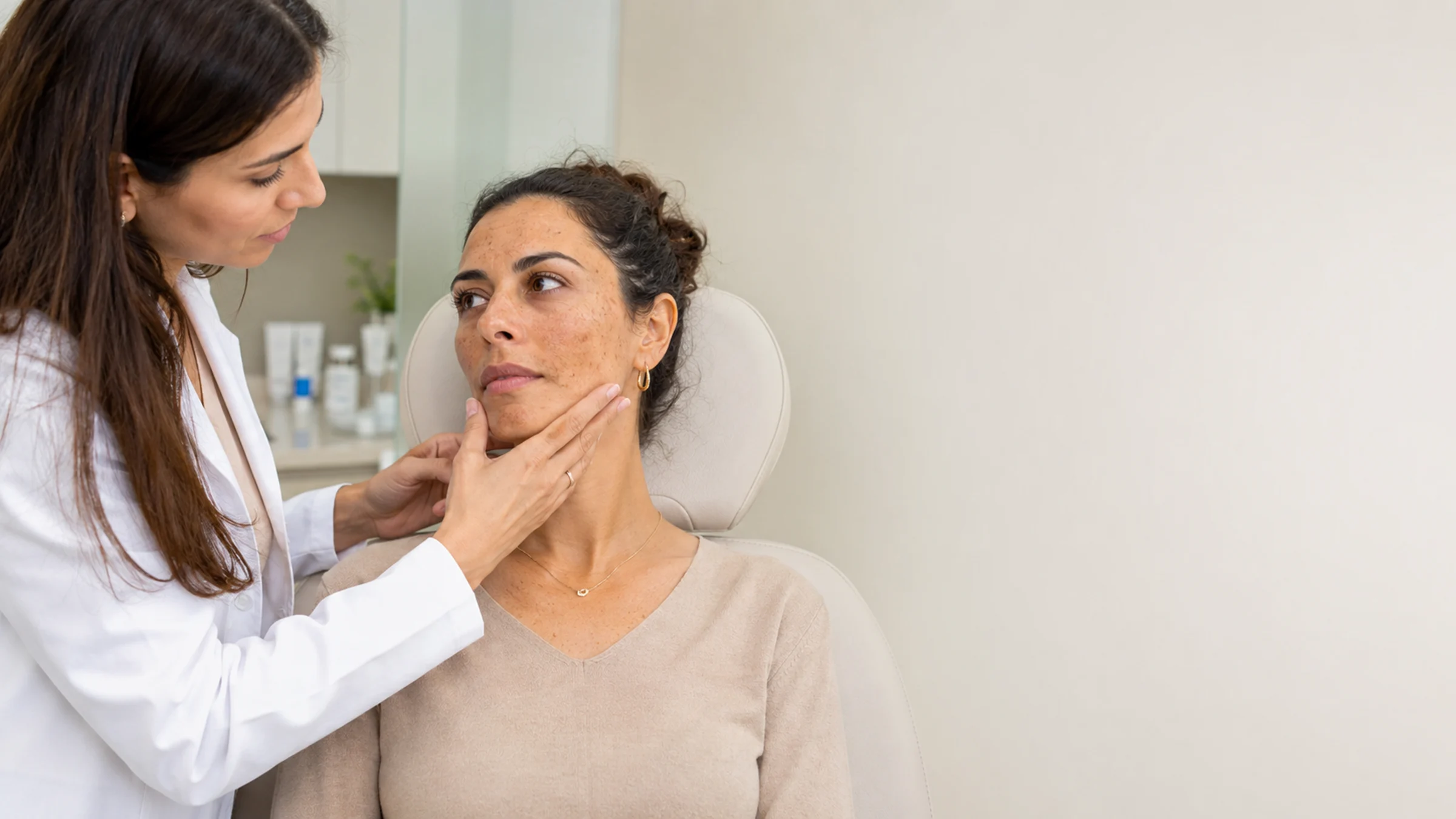
One of the things we have learned over the years at the Dermacare clinic is that there is no one-size-fits-all solution. This principle is especially true when it comes to acne scar treatment, because every skin and every scar responds differently. The first and most critical step on the way to smooth skin is a professional diagnosis – identifying the type of scar, its depth, its age and its unique characteristics. Only then can a treatment plan be built that delivers real results.
Depressed (atrophic) scars
These are the most common scars, accounting for around 80% to 90% of cases. They form because of a lack of collagen during the healing process of the spot, which results in "depressions" or "holes" in the skin. Depressed scars are divided into three main types:
-
Ice pick scars: these look like tiny, narrow, deep holes, as if someone had pricked the skin with a sharp object. Because of their depth, they are considered the most challenging to treat and require technologies that can reach the deep layers of the skin and stimulate new collagen formation from within.
-
Boxcar scars: wider scars with clear, angular edges, reminiscent of chickenpox scars. They can be shallow or deep, and their treatment focuses on smoothing the edges and encouraging the depression to fill in.
-
Rolling scars: wide, shallow scars that create a wavy, uneven appearance on the skin's surface. They are caused by bands of scar (fibrotic) tissue that pull the skin downwards. Treating them usually requires a combination of technologies that heat the tissue with techniques to release those fibres.
Comparing common types of acne scars
| Type of scar | Typical appearance | Main cause of formation | Recommended treatment technologies |
|---|---|---|---|
| Ice pick | Narrow, deep, pinhole-like depressions. | Loss of tissue and collagen deep in the dermis. | Deep chemical peel (TCA Cross), ablative lasers, RF microneedling. |
| Boxcar | Wide depressions with clear, angular edges. | Inflammation that destroyed collagen and created a defined depression. | Fractional laser, RF microneedling, filling with restorative substances. |
| Rolling | Wide, shallow depressions creating a wavy appearance. | Fibrous bands pulling the skin inwards. | Microneedling with radiofrequency (Morpheus8), scar release (Subcision). |
| Hypertrophic / keloid | Pink or red bumps above the skin's surface. | Excess collagen production in response to injury. | Steroid injections, dedicated laser treatments to flatten the scar. |
It is important to remember that, from our clinical experience at Dermacare, most patients have a combination of several types of scars at the same time. This highlights the importance of building a personalised treatment protocol that combines several methods.
Diagnosing scars is like reading a map. Each type of scar is a different terrain, and only once we understand the whole map – the depth of the "valleys" and the type of "ground" (skin type) – can we plan the safest and most effective route to restoring the skin.
Raised scars (hypertrophic and keloid)
Unlike depressed scars, here the problem is the opposite: the body produced excess collagen during the healing process, which created a bump of scar tissue above the surface of the skin.
-
Hypertrophic scars: the bump stays within the boundaries of the original wound.
-
Keloid scars: the bump spreads beyond the boundaries of the original wound, and is usually the result of a genetic predisposition. Treating them is more complex and requires special care.
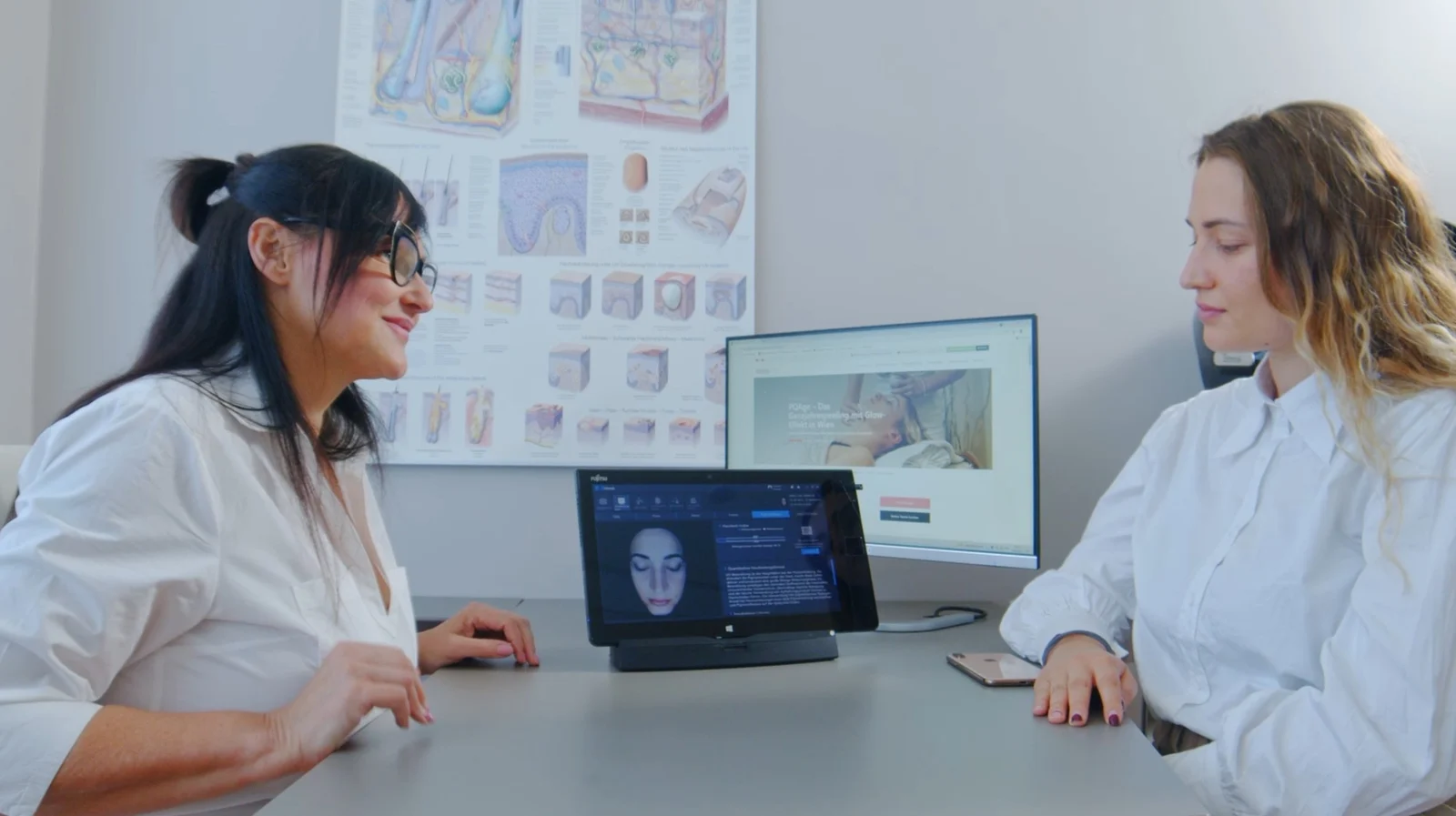
Our professional diagnosis at Dermacare is more than visual identification. It includes an in-depth assessment of the depth of each scar, its age (fresh scars respond differently from older ones), and matching to skin type and tone. In many cases, we use advanced imaging technologies, such as the computerised skin analysis we offer, to get an accurate three-dimensional picture. Only then can a personal treatment protocol be built that delivers the best results.
Advanced technologies for treating acne scars
After an accurate diagnosis, the next step is choosing the right tools. At the Dermacare clinic, we believe in building a smart treatment plan that combines several leading technologies. The goal is not to "paper over" the scars, but to get the skin to rebuild itself – stronger, healthier and smoother.
Morpheus 8: microneedling and radiofrequency (RF) to restore the deep skin
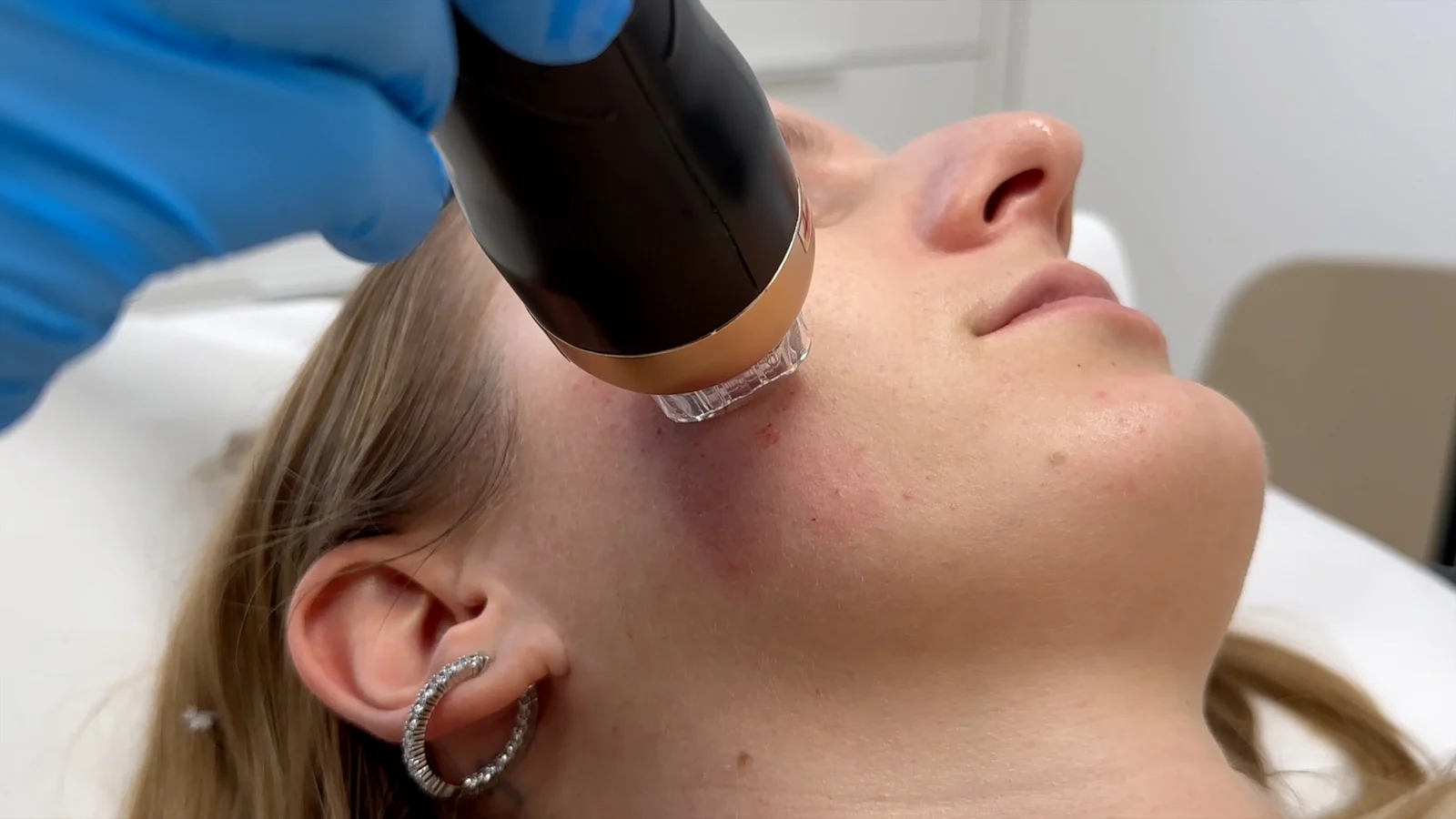
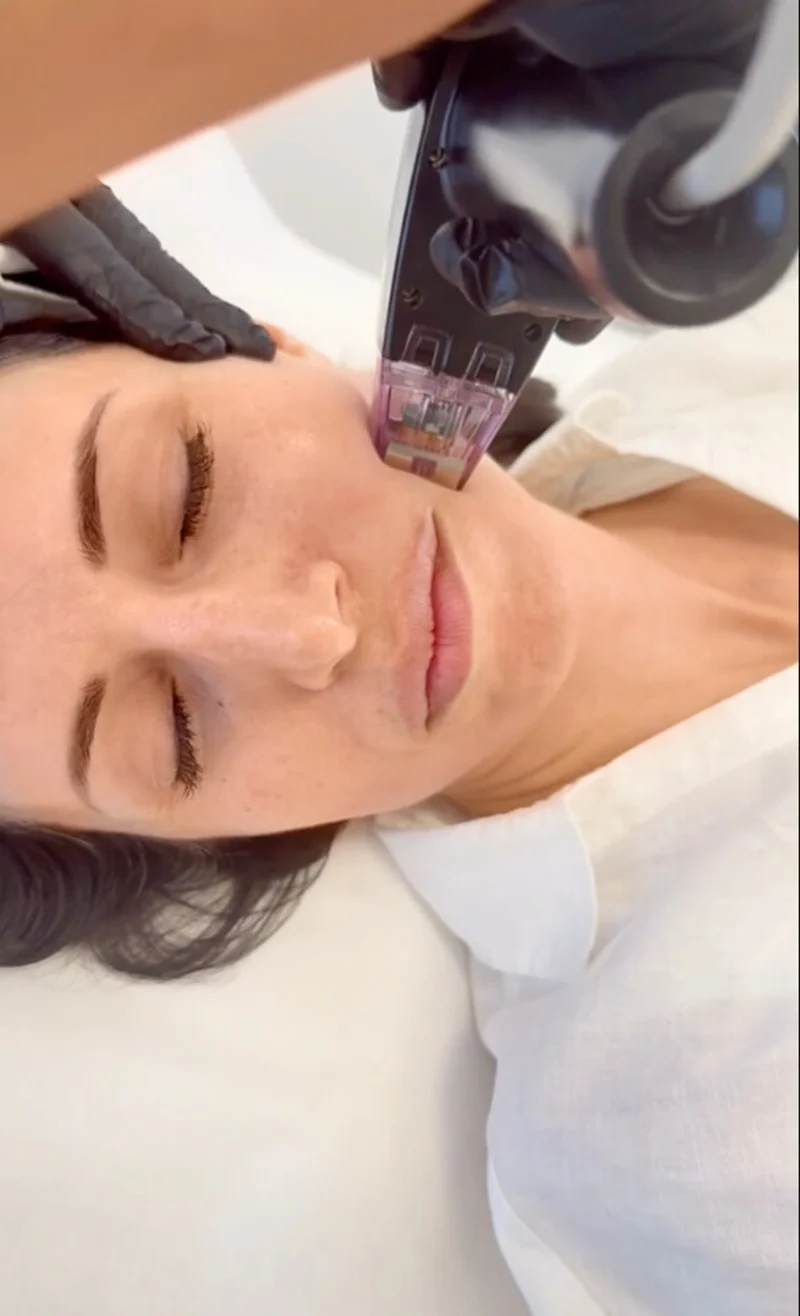
One of the central and most effective technologies for treating depressed scars is Morpheus 8. The treatment combines two powerful actions at the same time: microneedling and radiofrequency (RF) energy. The device's handpiece is fitted with tiny gold-coated needles that penetrate the skin at a precise, controlled depth. The penetration itself creates a microscopic injury that activates the body's natural healing mechanisms.
At the same time, the needle tip releases focused radiofrequency energy directly into the deep dermis. The controlled heating contracts lax collagen fibres and gives the responsible cells the "command" to start producing new, strong and well-organised collagen and elastin.
The action of Morpheus 8 can be compared to renovating the foundations of a building. Instead of just painting the walls (a superficial treatment), we strengthen the structure from within. When the foundations are strong, all the floors (the layers of skin) stabilise, tighten and straighten. In this way, depressed scars "fill in" and lift naturally from within.
The ability to personally adjust the penetration depth and energy intensity for each patient, according to the type of scar and the area being treated, makes the treatment especially precise. You can read more about microneedling with radiofrequency (RF) technology here.
Fractional laser treatments for resurfacing
Another proven approach to improving skin texture is fractional lasers, such as the CO2 laser. Unlike older lasers that "peeled" the entire surface of the skin, fractional technology works in a smart, precise way. The laser sends thousands of microscopic beams that create tiny "treatment columns" in the skin. Within each such column, the laser vaporises the damaged scar tissue in a controlled way and heats the surrounding tissue to stimulate collagen production.
The advantage is that areas of healthy skin remain between the treatment columns, which speed up the healing process, shorten recovery time and reduce risks.
-
Vaporising damaged tissue: the laser removes the top layer of the scar and smooths sharp "edges", especially in boxcar scars.
-
Collagen stimulation: the controlled heat penetrates deep and encourages the skin to produce new, healthier and smoother tissue.
Biological treatments: "fuel" for the restoration process
At Dermacare, we know that even the most advanced technology also needs a supportive environment. That is why we often combine core treatments with biological treatments that accelerate the healing process.
PRP treatment (platelet-rich plasma):
In this treatment, also known as the "vampire treatment", we harness the body's own healing powers. The process begins with a simple blood draw from the patient, separation of the platelet-rich plasma, and injecting or applying it to the treated area (usually immediately after a microneedling or laser treatment). The platelets release hundreds of natural growth factors that accelerate tissue repair, reduce inflammation and encourage collagen formation.
Skin boosters and biological substances:
Innovative substances such as polynucleotides or hyaluronic acid-based skin boosters provide the skin with the "building blocks" it needs to restore itself. They provide deep hydration and improve the quality of the intercellular environment, thereby supporting the work of the collagen cells.
Ultimately, the secret to success in treating post-acne scars is the treating team's ability to build a unique treatment protocol that combines different technologies, tailored to each patient's personal scar map.
Realistic expectations: the key to successful scar treatment
One of the most important stages on the journey to skin restoration is an open, honest conversation about what can be achieved. At the Dermacare clinic, we believe excellent treatment starts with accurate expectation management. It is important to us that you understand where we are heading, who the ideal candidate for the process is, and when the right moment to start is.
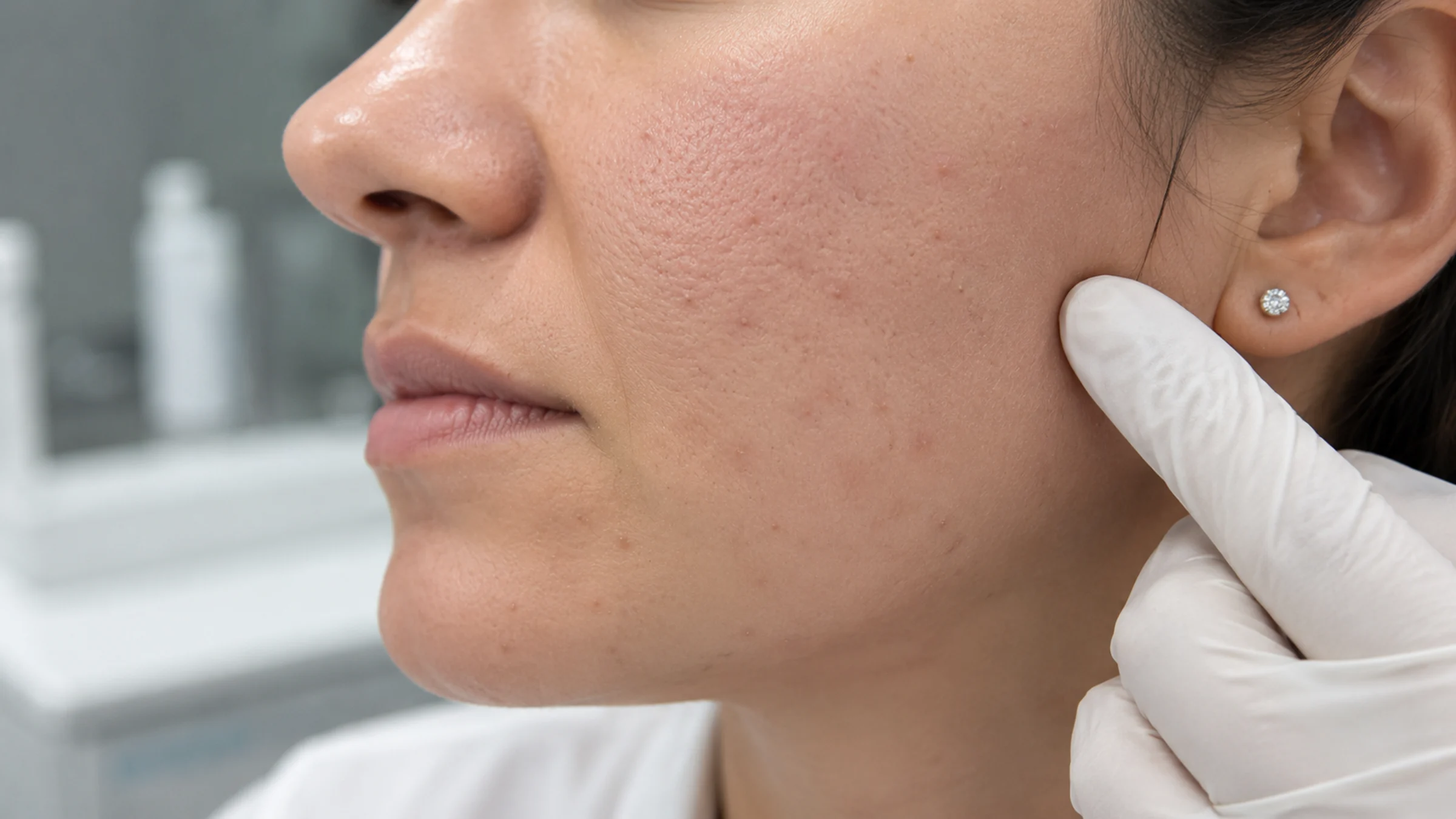
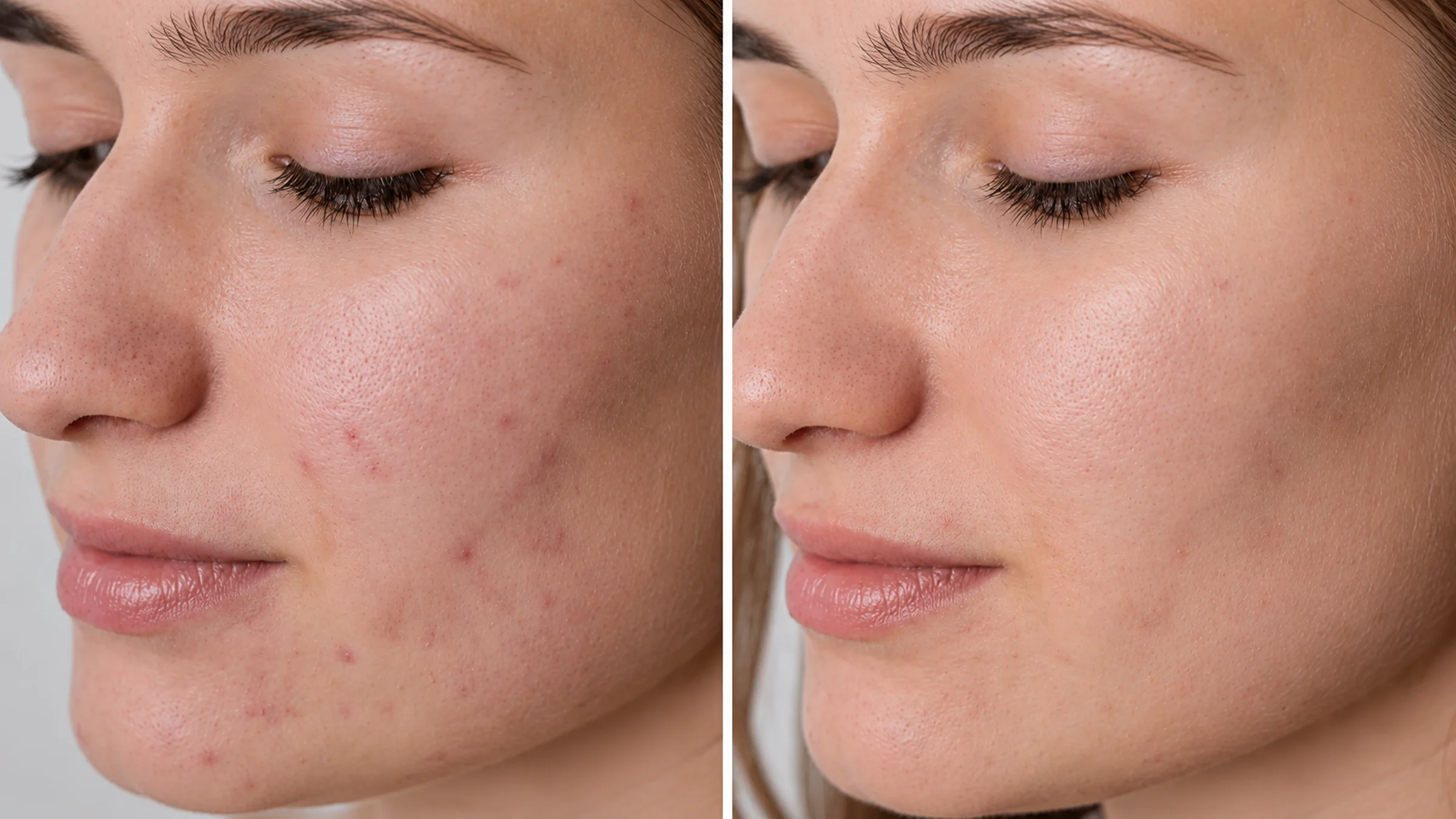
Our goal in acne scar treatment is to achieve a significant improvement in the appearance and texture of the skin. However, it is important to understand that this does not mean "erasing" 100% of the scars, as if they had never been there.
Think of it like a thorough renovation of an old, rough wall. We do not just paint it – we smooth it, level it and build a new, strong base. The end result is not a perfectly smooth glass wall, but an even, strong and attractive wall, with an improvement that completely changes the overall feel and look.
Who is the treatment suitable for?
To ensure the best results, we assess several key factors at the consultation. Your suitability for treatment is our top priority.
-
Inactive acne: this is a basic requirement. Scar treatment must only begin after the inflammatory acne has calmed down and is under control. Treating scars while the skin is still developing new spots is like trying to vacuum in the middle of a sandstorm – it is not effective.
-
Good general health: it is important to us to make sure there are no underlying conditions or regular medications that could interfere with the skin's natural healing processes.
-
Realistic expectations: the patients who achieve the best results are those who understand that this is a gradual process. The goal is significant improvement, not absolute perfection.
For example, acne scars on the back are a common treatment challenge in Israel. Around 50% of people with back acne develop scars, and at our clinic we see great success in combining advanced technologies with biological substances.
When is treatment not appropriate?
As part of our professional responsibility, patient safety always comes first. There are situations in which we will recommend postponing treatment or choosing a different route:
-
Pregnancy and breastfeeding.
-
An active skin infection in the area to be treated.
-
Certain autoimmune diseases or taking medication that suppresses the immune system.
-
A known tendency to develop keloid scars (depending on the type of treatment chosen).
So what can you really expect?
The realistic range of improvement after a full, personalised series of treatments is usually between 50% and 80%. This is a very significant change that directly affects quality of life and self-confidence. The final result depends on a combination of several factors: the type and depth of the scars, age, skin type and individual healing capacity.
It is important to remember that results build up over time. The most noticeable improvement, resulting from the formation of new collagen deep in the skin, is sometimes only visible several months after the end of the treatment series.
The treatment and recovery: step by step
The decision to treat acne scars is a significant step, and it is natural to have questions and concerns about the process. To give you peace of mind and a clear picture, we have set out here the path you will take with us at Dermacare.
Everything begins with a personal, in-depth diagnostic consultation. In this meeting we diagnose the types of scars, their depth and location, and together with you we put together a personalised treatment plan.
Preparing for treatment: simple steps for maximum results
Once the plan has been put together, you will receive simple but crucial preparation instructions from us:
-
Avoiding sun exposure: for about two weeks before treatment, avoid tanning and make sure to use a high-SPF sunscreen every day.
-
Temporarily stopping certain products: we may ask you to stop using products containing retinoids or acids to prevent hypersensitivity.
-
Keeping the skin hydrated: well-hydrated skin is healthy skin that heals better.
Treatment day: what exactly happens at the clinic?
On the day of treatment, our team will welcome you and make sure you feel comfortable and safe. The first step is thorough cleansing of the treatment area and applying a strong local anaesthetic cream. After waiting about 30-45 minutes, the treatment itself begins. A treatment such as Morpheus 8 usually takes between 20 and 40 minutes, depending on the size of the area. Most patients report a feeling of warmth and mild prickling, which is tolerable thanks to the effective anaesthesia.
It is important to us that your experience is calm, safe and professional. Our experienced team accompanies you every moment, explains each stage and is attentive to how you feel.
Recovery and returning to routine: what to expect after treatment
Recovery is an integral part of the success of the process. Mild, temporary side effects are a good sign – they show that your skin is responding to the treatment and beginning its journey of restoration. If you have wondered whether there is recovery time after aesthetic treatments, the answer is yes, and it varies from treatment to treatment.
In the first few days you may experience:
-
Redness: the skin will look reddish, similar to mild sunburn, and will calm down significantly within 24-48 hours.
-
Mild swelling: there may be slight swelling that passes within a day or two.
-
A feeling of dryness and roughness: after a few days, the skin may feel slightly dry or rough, as a natural part of the cell renewal process.
Our aftercare instructions are the key to achieving the perfect result and focus on three golden rules: hydration, hydration and sun protection.
-
Intensive hydration: use a rich, soothing moisturiser several times a day.
-
Strictly avoiding sun exposure: you must apply sunscreen with SPF 50 every morning.
-
Rest from strenuous activity: in the first 24-48 hours, it is recommended to avoid strenuous exercise, saunas or very hot showers.
An average treatment series usually includes between 3 and 5 sessions, with intervals of 4 to 6 weeks between sessions. These breaks are essential to allow the skin to recover and begin producing new collagen.
Frequently asked questions
This is probably the first question everyone asks, and the honest answer is that it is very individual. However, we do everything so that the treatment is as comfortable as possible. Before every treatment such as radiofrequency microneedling (Morpheus 8) or fractional laser, we numb the area with a strong medical anaesthetic cream for 30 to 45 minutes. Most of our patients describe the experience as a series of brief tingles and a tolerable feeling of warmth.
Scar restoration is a process. An initial improvement in the overall texture of the skin is usually noticeable as early as a few weeks after the first treatment, when the skin looks smoother and fresher. However, the deeper result, stemming from the building of new collagen that fills the scar depressions, arrives gradually. You will see the significant, final change in full only three to six months after completing the course of treatments. Patience pays off, because the result is a stable, long-term improvement.
A generic quote cannot be given, because every patient is a world of their own. The final cost depends on factors such as the combination of technologies, the size of the treated area and the number of treatments required. At your consultation at Dermacare we will carry out a professional skin analysis, build a transparent treatment plan, and on that basis you will receive an exact quote.
Yes, in most cases, the improvement achieved in scars is permanent. The reason is simple: our treatments cause the body to produce new, healthy collagen and elastin itself. This tissue becomes part of the skin and does not "disappear". However, to keep skin smooth and healthy over the years, it is essential to follow a proper skincare routine and daily sun protection using sunscreen. Of course, if there is still a tendency to active acne, it is critical to treat it at the same time to prevent new scars from forming.
Choosing the right clinic determines the success of the treatment. At Dermacare, we combine leading technologies such as Morpheus 8 and fractional laser with a personal and responsible approach. Our process includes a professional and accurate assessment, realistic expectation setting and close support all the way. We invite you to get to know the Dermacare clinic and team.
Want to understand exactly what treatment plan is right for you? The Dermacare team will be happy to assess your skin condition, the suitable type of treatment and realistic expectations – in a professional, personal and precise way. To book a consultation, you can contact us here.