

In brief
- Facial mesotherapy is mainly intended to improve skin quality: less dryness, more freshness, a more even texture and fine superficial lines.
- The decision on treatment is made during a clinical examination of skin thickness, hydration, sensitivity, tendency to pigmentation and treatment history.
- In most cases a series of treatments is involved, and recovery time is usually short, with mild redness or needle marks that fade.
- Mesotherapy does not lift sagging tissue and does not replace fillers where there is volume loss or advanced laxity.
- The treatment must not be performed if there is an active skin infection, herpes in the area, an inflammatory acne flare-up or during pregnancy.
A patient comes in after several months of pressure, less sleep and more sun, and asks a simple question: will mesotherapy really make a difference, or is another treatment a better choice? The answer depends less on the name of the treatment and more on the condition of the skin, the goal of the treatment and the recovery time that suits her.
Who is facial mesotherapy suitable for?
Mesotherapy is mainly suitable for patients who want to improve their skin quality: less dryness, more freshness, a more even texture, a natural glow and fine superficial lines. It can also be suitable at a relatively young age, when the skin looks tired, dull or dehydrated, and in the early stages of age-related changes, as part of a more precise treatment plan.
How do you decide whether it is the right treatment?
The decision is made during a clinical examination. We assess skin thickness, hydration level, sensitivity, tendency to pigmentation after irritation, the condition of the blood vessels, thin areas such as around the eyes, and the history of previous treatments. The use of retinoids, peels, microneedling, previous injections or active skin conditions directly affects the choice of product, the depth of injection and the frequency of treatments.
This is exactly where medical judgement changes the result.
What does personalising the ingredients involve?
Not every mesotherapy treatment looks the same. In some cases we choose a formula aimed mainly at hydration and supporting the skin barrier. In other cases it is better to use a solution aimed at improving texture, elasticity or the appearance of sun-damaged skin. If there is high sensitivity, a tendency to redness or a history of reactivity, both the composition of the ingredients and the working protocol need to be more conservative.
When is it better to choose a different treatment or combine treatments?
If the main problem is dull, dry skin, mesotherapy may be enough. If there is also rough texture, superficial acne scars or a need for stronger stimulation of skin renewal, microneedling may be more suitable or may be included in the series. If the goal is to work with growth factors derived from the patient's own blood, PRP may be preferable in some cases. If the most noticeable deficiency is deeper, longer-lasting hydration, skin boosters sometimes offer a more precise solution. The right recommendation is based on the diagnosis, not on a popular treatment.
When is mesotherapy not performed?
Treatment is not performed during an active skin infection, herpes in the treatment area, an inflammatory acne flare-up, active dermatitis, an open wound or significant irritation after another treatment. During pregnancy, in some cases while breastfeeding, and in patients with uncontrolled autoimmune diseases, clotting disorders, a tendency to abnormal scarring or a known sensitivity to one of the ingredients of the solution, we consider whether it is right to postpone the treatment or choose a safer alternative.
It is a relatively gentle treatment, but it is still a medical treatment.
How many treatments are needed and when do you see results?
In most cases a series is involved rather than a single treatment, because the improvement builds up gradually and also depends on the initial condition of the skin. How long the result lasts varies between patients according to skin quality, age, sun exposure, smoking, skincare routine and maintenance.
Is there any recovery time?
Recovery time is usually short. There may be redness, local sensitivity, mild swelling or small needle marks, which usually fade within a short time. With sensitive skin, more intensive work or in combination with other treatments, recovery may take a little longer.
Is the treatment painful?
Most patients describe tolerable discomfort. It can be eased with local anaesthetic as needed, but the intensity of the sensation depends on the area treated, personal sensitivity and the injection technique.
What is important to do before and after the treatment?
Skin that arrives in a balanced state usually responds better. Gentle cleansing, moisturising and daily sun protection, as explained in the guide to clean, fresh facial skin, improve the skin's starting conditions. After the treatment, you will usually be advised to avoid significant heat exposure, strenuous activity and irritating products, according to the instructions given at the clinic.
Which expectations are the right ones?
Mesotherapy does not lift sagging tissue, does not replace fillers where there is volume loss, and does not on its own resolve advanced laxity or deep wrinkles. It can, however, improve the skin envelope in a natural and gradual way. For patients looking for a fresher appearance without a sharp change in expression or facial structure, it is sometimes exactly the right treatment.
The best candidates are patients who understand the limits of the treatment, are prepared for a series as needed, and prefer a reliable, precise and safe result.
Introduction: the solution for restoring vitality to tired skin
One of the most common reasons for seeking treatment is a feeling that the face looks "dull". Not necessarily significant sagging of the tissue, and not always deep wrinkles, but a combination of a lack of glow, reduced elasticity and a feeling that products at home no longer do enough.
In these situations, facial mesotherapy can be the right choice because it works deep in the skin. Instead of staying on the surface, the active ingredients are delivered directly to the area where some of the skin's renewal and rebuilding processes take place.
What distinguishes a good treatment from a mediocre one is not just the injection itself. The clinical thinking is more important. You need to understand whether the main problem is dryness, the beginning of laxity, sun damage, texture, or a combination of these. Only then can you decide whether mesotherapy is the first choice, or whether it is better to combine it with another approach.
Good treatment does not start with the needle. It starts with a correct diagnosis of the skin type, the depth of the problem and the aesthetic goal.
In practice, this is a relatively non-invasive medical aesthetic treatment designed to improve hydration, texture, freshness and overall appearance. It is particularly suitable for treating early signs of ageing, but not only that. Younger patients also come for it when their skin looks exhausted, dry or uneven.
What facial mesotherapy is and what its benefits are
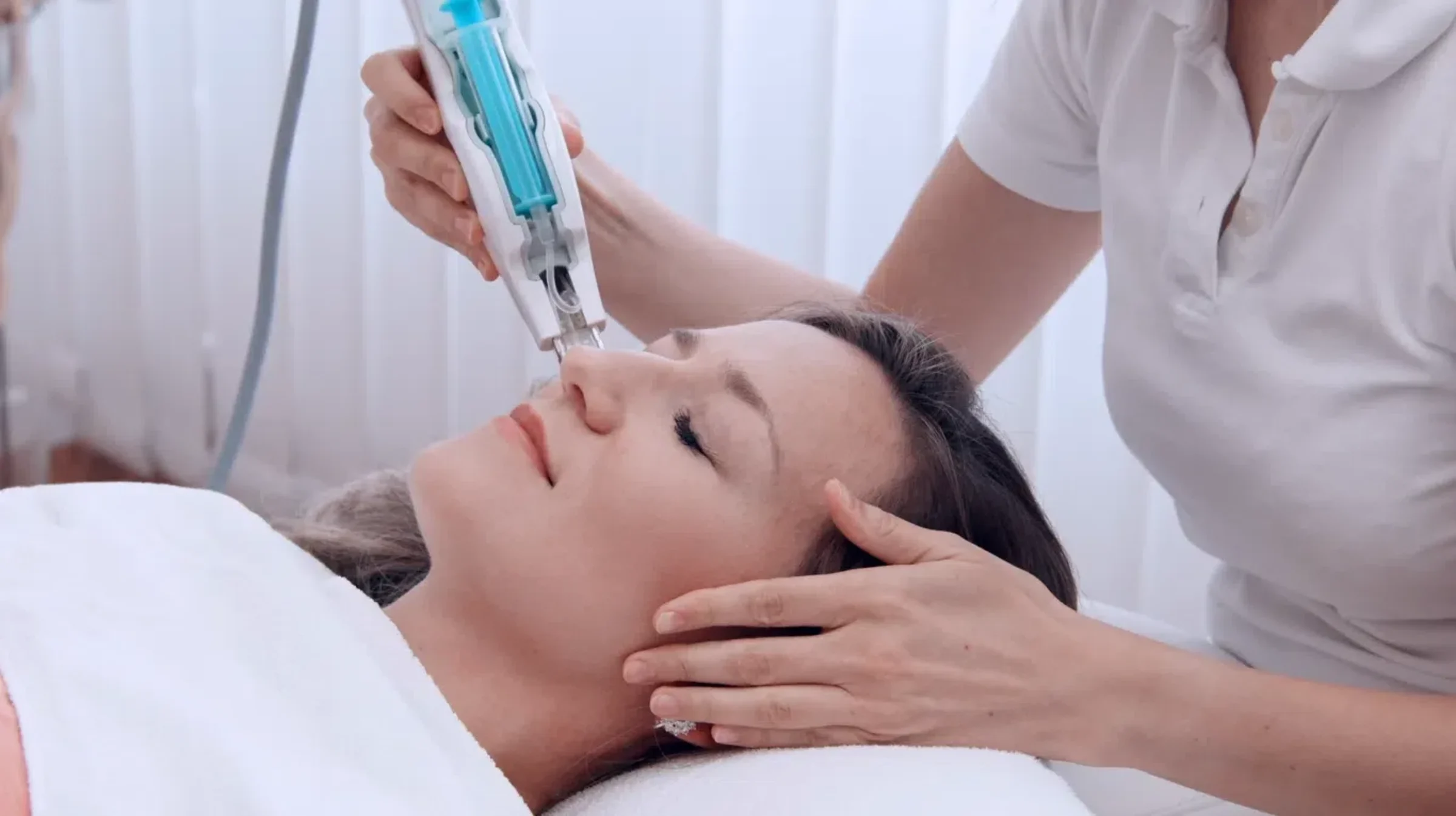
Facial mesotherapy is a medical aesthetic technique in which active ingredients are injected directly into the dermis. The injection is made to a depth of 1-4 mm, and the mechanism of action is also based on controlled micro-injury that stimulates fibroblasts to produce collagen and elastin. The same source also reports a potential 20%-30% increase in collagen after a series of treatments.
What is actually injected
The cocktail itself is not the same for everyone. It usually combines ingredients such as:
-
Vitamins such as C and E, which are sometimes chosen when support is needed for tired, uneven-looking skin.
-
Light hyaluronic acid, intended mainly to improve hydration and give the skin a gentle feeling of fullness.
-
Peptides, which are associated with encouraging repair and rebuilding processes.
-
Minerals, which are included according to clinical need.
The logic here is simple. A good cream can benefit the upper layer of the skin, but when you want a deeper effect on skin quality, there is sometimes an advantage to an approach that reaches the dermis directly.
Where the advantage over a superficial treatment shows
The main advantage of facial mesotherapy is its focus. It is not designed to "fill" like dermal fillers, nor to freeze muscles like Botox. The goal is completely different: to improve the quality of the skin itself.
People usually look for several results from this treatment at the same time:
-
Deeper hydration
-
Improved texture
-
Freshness and radiance
-
Softening of fine lines
-
Skin that feels more supple and vital
If you are also exploring ways to stimulate collagen and restore skin quality, you may also be interested in biostimulators for collagen stimulation, since not every patient needs the same level of stimulation or the same type of solution.
Rule of thumb: if the main problem is skin quality, rather than significant volume loss or a dynamic wrinkle, mesotherapy becomes a stronger option.
What the treatment does not do
It is important to be precise about the limitations too. Mesotherapy does not replace a facelift, is not intended to correct significant sagging, and will not always be the first choice when there is active pigmentation or deep scarring. In such cases you need to think more broadly, and sometimes choose a different treatment or a combination of treatments.
How the treatment is carried out at the clinic, step by step
In most cases, the experience itself is shorter and simpler than patients imagine. The main worry before the appointment is usually the injections, but in practice the really important part happens before that, at the assessment stage.
Step one: diagnosis and planning
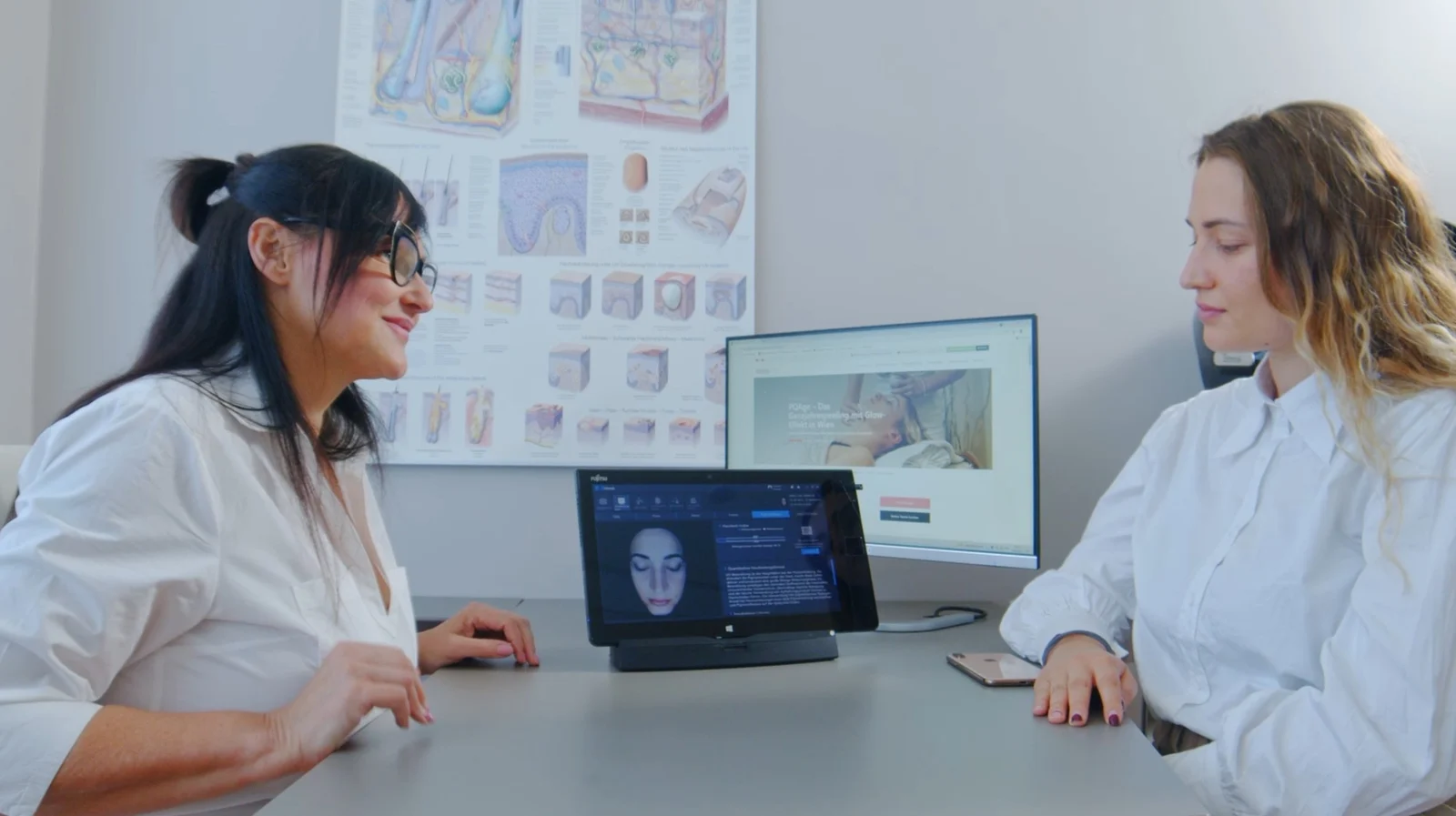
The appointment begins with a clinical look at the skin. We check texture, hydration, tone, sensitivity, thinner areas, tendency to pigmentation, and signs that indicate whether the skin is suitable for mesotherapy alone or for a combination. Well-organised clinics also commonly use computerised skin analysis to refine the plan.
This is also where the composition of the cocktail is decided. There is no reason to give the same product to a patient with predominantly dry skin and to a patient with rough texture and sun damage. Personalisation is not a marketing add-on. It is the basis for a natural-looking result.
Step two: preparing the skin
Once the treatment has been planned, the skin is cleansed thoroughly. The treatment is considered safe and without significant pain after local anaesthesia. Put simply, an anaesthetic cream is usually applied before the injections begin to reduce discomfort.
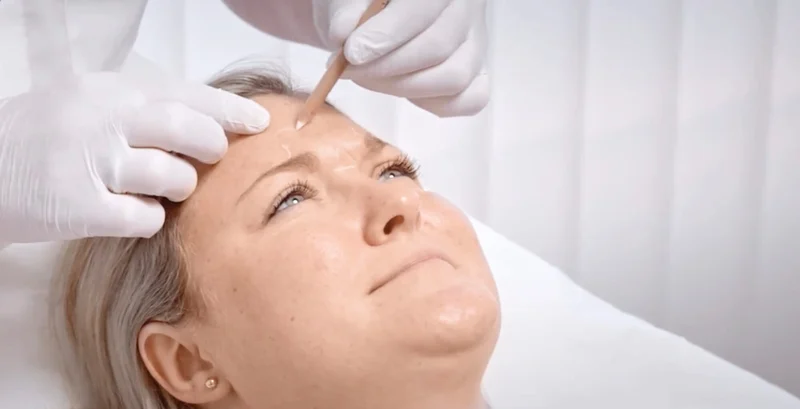
Step three: the injections
The injections are made with very fine needles in areas determined in advance. The treatment takes between 15 and 30 minutes. This is one of the advantages of the treatment, especially for those looking for a relatively short protocol without prolonged downtime.
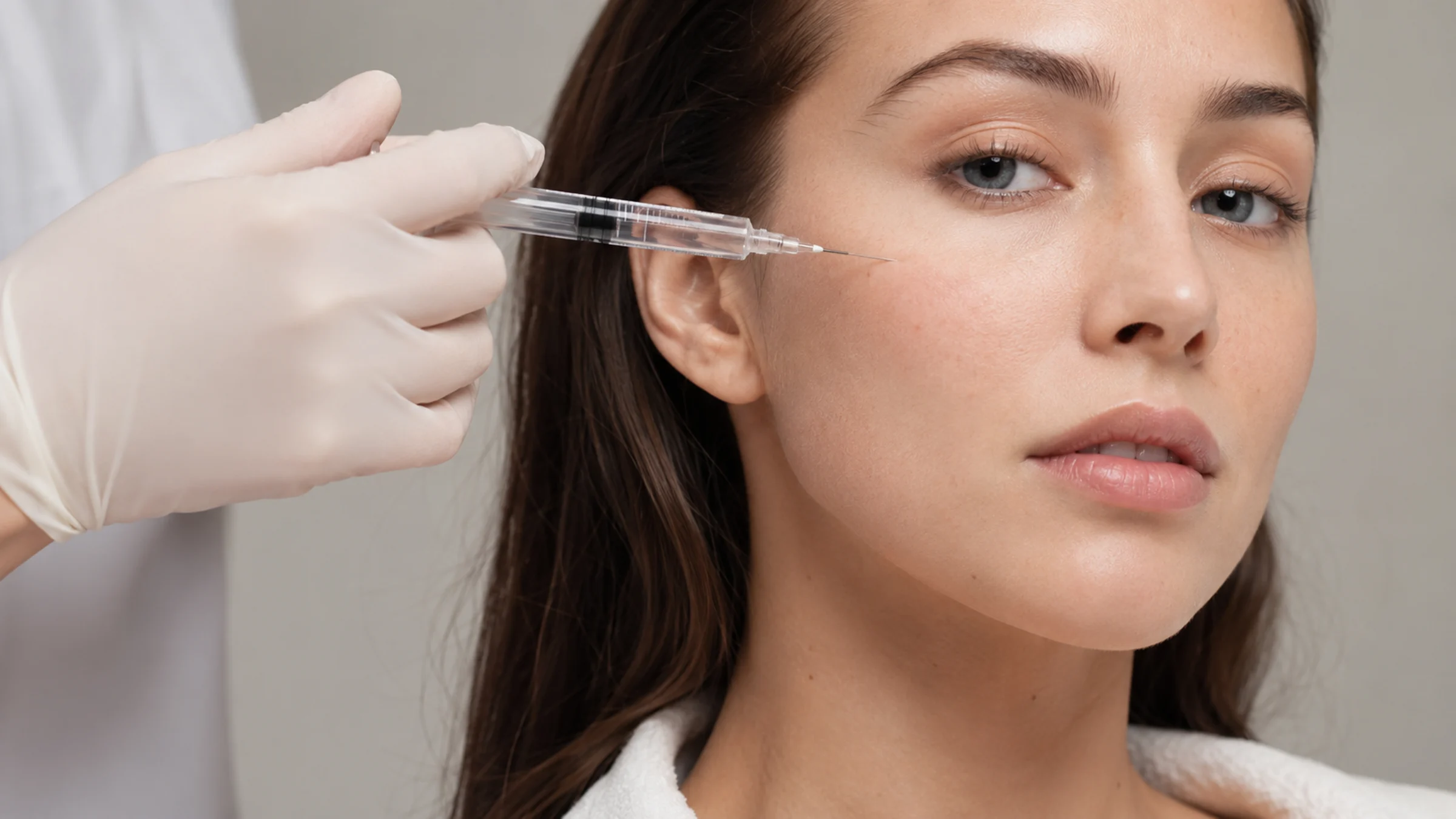
The sensation during treatment varies between patients. Some feel a gentle prickling, others are more sensitive in certain areas such as around the mouth or under the eyes. This is not a treatment that should be presented as "painless", but in most cases it is certainly tolerable.
What happens immediately afterwards
At the end of the treatment you may see mild redness and sometimes slight swelling or small needle marks. Side effects are usually minimal, and temporary redness for a day or two is a relatively common scenario. It is therefore usually recommended that on the same day you avoid significant heat, rubbing the skin hard, and heavy make-up if the skin is still sensitive.
Patients who come to treatment well prepared understand that the first few days are part of the process, not a sign that something "didn't work".
Aftercare instructions usually include a gentle moisturising routine, sun protection, and follow-up in case adjustments are needed for the next session in the series.
Who mesotherapy is suitable for and when to avoid it
For some patients, facial mesotherapy is an almost classic fit. Others will benefit less from it, or will need a more careful assessment before starting. This difference matters, because the goal is not "to have a treatment", but to choose correctly.
Who it usually suits
The treatment is suitable for all skin types from the age of 25 and is especially recommended between the ages of 30-50, when the production of collagen and elastin begins to decline. In practice, the people who come for it usually notice one or more of the following:
-
First fine lines that do not yet necessarily require another treatment.
-
Dry or dull skin that looks tired even with a good skincare routine.
-
Less even texture or a feeling of roughness.
-
A need for preventive treatment before deeper signs of ageing appear.
The treatment is also relevant for men. It is recommended for men and women also in cases of skin problems such as pigmentation caused by sun exposure. However, the same source stresses that it is important to diagnose the type of pigmentation, because in some cases the treatment may worsen active pigmentation, in which case combining it with IPL may be a more suitable solution.
When to stop and reassess
Not all skin is suitable for treatment at any given time. There are situations in which it is right to wait, change approach, or avoid treatment altogether.
-
Pregnancy. According to the verified data, this is a condition in which the treatment is prohibited.
-
Certain autoimmune diseases. Here too, caution and sometimes avoidance are required.
-
Active skin disease in the treatment area, such as an infection, active herpes or marked inflammation.
-
Active pigmentation that requires a diagnosis before a treatment decision is made.
-
Known sensitivity to one of the ingredients, if it appears in the medical history.
When the source of the problem is in doubt, we do not start with injections. First we diagnose whether it is dryness, inflammation, pigmentation or another process that requires different treatment.
Mesotherapy compared with other treatments: PRP, skin boosters and microneedling
A patient comes in after months of tired, dry and uneven skin. She has already read about mesotherapy, heard about PRP, seen adverts for skin boosters, and asks one right question: what is really suitable for my skin?
That is exactly the clinical question that needs to be answered. These treatments can all improve skin quality, but each works in a different way, targets a slightly different goal, and requires a precise choice based on the dominant problem, the desired recovery time and the expected response of the skin.
How to tell the treatments apart in practice
Mesotherapy is mainly suitable when a tailored combination of active ingredients needs to be delivered into the skin in small quantities and over a relatively wide area. The aim is to improve hydration, vitality, fine texture and a tired appearance. It is a treatment particularly suited to skin that needs better quality, not a change in volume.
PRP works differently. Here, plasma derived from the patient's own blood is used, so it is a more biological approach, with an emphasis on repair and regeneration processes. In some patients it is a good choice when there is a wish to avoid injecting an external cocktail, or when the aim is to encourage a gentle regenerative response. If you would like to understand the treatment principle better, you can read about PRP treatment for tissue regeneration and repair.
Skin boosters are closer to mesotherapy in terms of their goal, but they are not identical. They are usually hyaluronic-acid-based products with a structure designed to improve hydration, elasticity and skin quality over time. In cases of thin, dehydrated skin or reduced elasticity, a skin booster may be more precise than classic mesotherapy.
Microneedling belongs to a different category. It does not rely mainly on the substance injected, but on creating a controlled micro-injury that stimulates skin renewal and collagen production. It therefore takes priority when the core of the problem is uneven texture, pores or superficial post-acne scars.
What usually guides the choice
The right choice is based on the main problem, not on the name of the treatment.
-
When the main picture is dryness, a tired appearance and a lack of glow, mesotherapy or a skin booster will usually be the first options to consider.
-
When gentle biological stimulation is needed and there is a wish to use a substance that comes from the patient, PRP may be suitable.
-
When rough texture, pores or superficial scars stand out, microneedling may provide a better solution.
-
When there are several problems at the same time, it is better to build a combined programme rather than expect one treatment to solve everything.
This is an important point. Dehydrated skin with mild post-acne marks, for example, will not always receive a single treatment. Sometimes we start by improving skin quality and hydration, and only then move on to more targeted work on texture.
Comparison of skin rejuvenation treatments
| Feature | Mesotherapy | PRP (vampire facial) | Skin booster | Microneedling |
|---|---|---|---|---|
| Mechanism of action | Injection of active ingredients into the dermis | Use of the patient's own platelet-rich plasma | Injection of a hyaluronic-acid-based product to improve skin quality | Creation of a controlled micro-injury to stimulate renewal |
| Main goal | Hydration, freshness, texture, fine lines | Biological repair and regeneration | Improved hydration and elasticity | Texture renewal and collagen stimulation |
| Especially suitable for | Tired, dry skin lacking glow | Patients who prefer an autologous approach or a combination | Thin or dehydrated skin that needs a quality boost | Uneven texture, pores, mild post-acne marks |
| Number of treatments | Usually a series, depending on skin condition | Usually a series | Depends on the product and the goal | Usually a series |
| Recovery | Usually short, with temporary redness | Varies | Usually short | Depends on depth and technique |
The right skin treatment is not chosen according to what is currently popular, but according to what will give the most precise improvement, with minimum unnecessary strain and maximum suitability for the condition of the skin.
Dermacare's approach to mesotherapy treatments
At Dermacare, our approach to facial mesotherapy is based on a simple principle: not all skin needs the same cocktail, the same treatment depth or the same series plan. It sounds obvious, but in practice this is exactly what distinguishes a tailored treatment from a generic one.
Personalisation starts with a precise reading of the skin. Not just what you see in the mirror, but also what is likely to respond well. Thin skin, skin prone to sensitivity, skin with predominant signs of dryness and sun-damaged skin will not necessarily receive the same formula or the same treatment frequency.
How the right clinical decision is made
Instead of asking "which treatment is best", it is better to ask:
-
What is the main problem right now
-
Which treatment will give the most natural result
-
Is it right to treat only skin quality, or also texture, pigmentation or laxity
-
Is a single treatment or a combined protocol preferable
In some cases mesotherapy stands on its own. In other cases it is combined with PRP, microneedling, energy-based treatments or gentle peels. This combination is not done in order to "do more", but to address the problem as a whole more effectively.
What characterises a responsible approach
A good medical approach maintains three things: diagnosis, precision and patience. We do not try to change everything in one session, and we do not promise unrealistic results for skin that is not suited to them. At an advanced clinic in Petah Tikva with broad experience in aesthetic skin treatments, the emphasis is on a plan that brings visible improvement while remaining natural and suited to the individual patient.
Summary and conclusions
Facial mesotherapy is an effective and precise tool for improving skin quality, especially in cases of dryness, tired skin, first fine lines and a less vital appearance. The result depends less on the name of the treatment and more on a correct diagnosis, tailoring the cocktail, and deciding whether to perform it alone or as part of a broader plan.
Mesotherapy should be seen as a skin-quality treatment, not a magic solution for every aesthetic problem. When you choose correctly, perform it correctly and keep expectations realistic, you can achieve a natural, attractive and convincing improvement.
Want to find out exactly what is right for you? The Dermacare team will be happy to assess the condition of your skin, the right type of treatment and realistic expectations in a professional, personal and precise way. To book a consultation, contact us here.
Frequently asked questions
A standard course of treatments includes 4-8 sessions spaced 3-4 weeks apart. In practice, the exact number of treatments depends on the starting condition of the skin and the goal. Young skin with mild dryness will not look like skin with more obvious signs of ageing.
A result can be seen after just one treatment, but the more significant result is usually built up over a course. This makes sense, because facial mesotherapy works both through a certain immediate improvement in hydration and through a restorative process that develops gradually.
The treatment is not considered significantly painful when local anaesthetic is applied. Still, it is an injection, so some sensitivity is to be expected. In most cases the sensation is tolerable, brief, and does not prevent a return to your routine.
Treatment results can last up to 18 months, depending on individual factors. Skin condition, age, sun exposure, smoking, skincare routine and the number of treatments performed all affect how long the effect lasts.
The average price per treatment in Israel ranges from ILS 450 to 1,500, depending on the type of clinic and the complexity of the cocktail. It is important to understand that the price on its own does not say much. What matters more is who performs the treatment, whether there is a real assessment, and what the overall plan includes.
Recovery time is usually short. Temporary redness or slight sensitivity are possible effects. Most patients return to their routine quickly, but it is worth bearing in mind that the skin may look slightly irritated for a short time.
Yes. The treatment is suitable for both men and women. The difference is usually not in suitability itself, but in the treatment goals, skin thickness, history of sun exposure, and the nature of the problem you want to solve.
No. If the main need is to improve skin quality and hydration, it can be an excellent choice. If the main problem is scars, active pigmentation or more significant laxity, another treatment will sometimes be more precise, or the right solution will be a combination.