
In brief
- Laser permanent make-up removal breaks down the pigment with short pulses, and usually 2 to 6 treatments are needed, 6 to 8 weeks apart.
- The price per treatment ranges from ILS 350 to ILS 1,000 depending on the area: eyebrows, lips or lash line.
- The remover method and at-home methods are less effective and may cause pigmentation, burns or scarring.
- The laser targets the pigment only and does not damage the eyebrow hairs; in the eye area, dedicated eye shields are required.
- The treatment is not suitable during pregnancy and breastfeeding, for those prone to keloid scarring, for active skin conditions in the area or for a fresh tan.
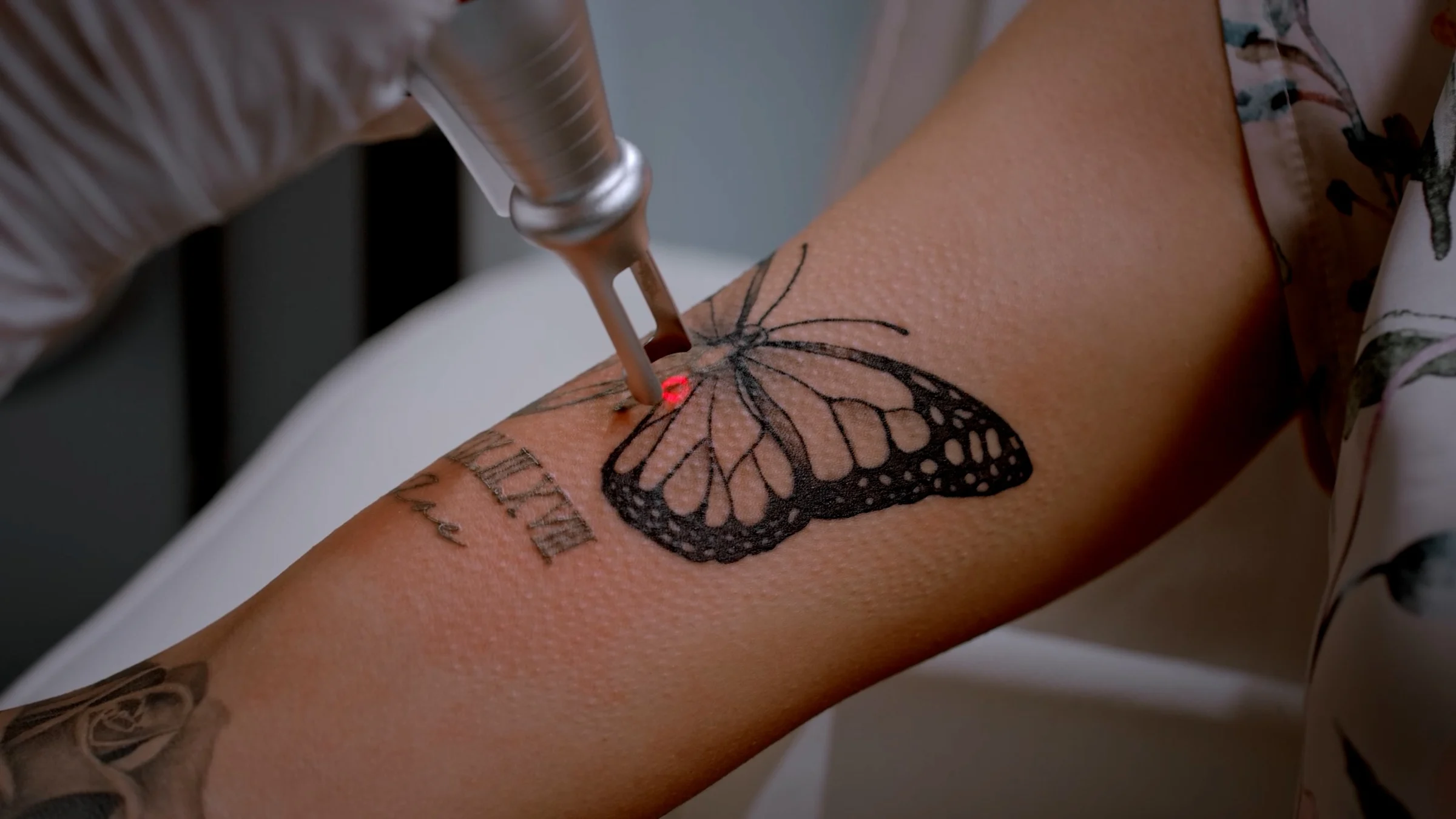
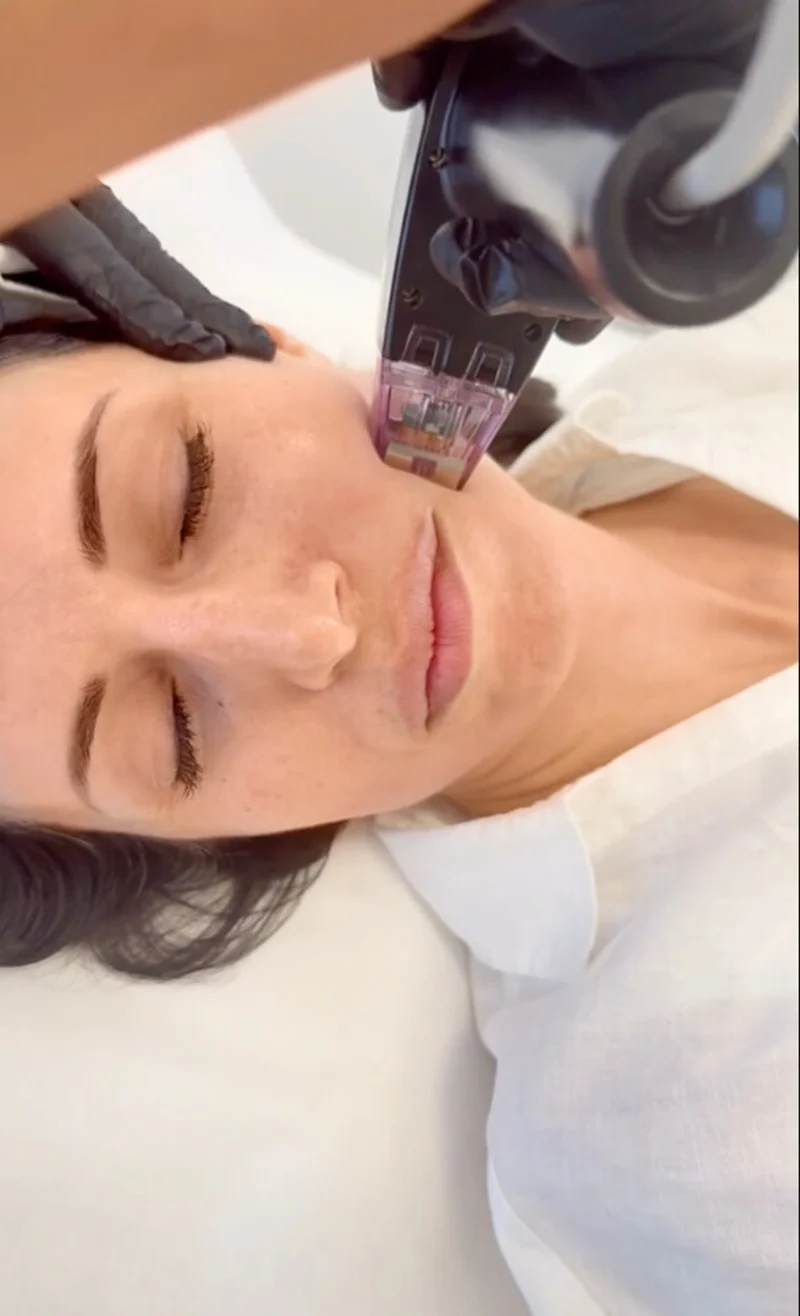
Laser permanent make-up removal is a common, well-established method for removing pigment that has been introduced into the skin. Removal is carried out using short pulses of light that break down the colour particles beneath the skin. The number of treatments required is between 2-6 on average, with 6-8 weeks between each treatment. The price ranges from ILS 350-1000 per treatment, depending on the case.
The remover method is a non-laser removal method in which a special solution is introduced into the skin to encourage some of the pigment to be expelled during healing. This method is mainly suitable for recently applied make-up and does not reach pigment that has penetrated the deeper layers of the skin. However, the treatment is more aggressive for the skin; it may leave pigmentation, make the skin tone uneven and even reduce the chances of successful laser removal. At-home methods do not reach the required depth and may cause burns, scars and pigmentation changes that are difficult to correct.
This article is also relevant to laser microblading removal.
Which method is better: laser, remover or at-home methods?
Not all removal methods are equal, and not all of them are safe.
| Method | Effectiveness | Main risk | Suitable for eyebrows/eyes | Recovery time |
|---|---|---|---|---|
| Pico laser | High | Low, when the treatment is performed by an expert | Yes | A few days |
| Remover | Moderate, mainly on fresh permanent make-up | Pigmentation and scabs | With limitations | Weeks |
| Acid / salts | Very low | Chemical burn, scarring, infection | Not recommended | No improvement expected, and there is even a risk of permanent damage |
How does laser permanent make-up removal work?
The laser emits extremely short pulses that break the pigment down into tiny particles, which the body clears naturally via the lymphatic system. The response to the laser varies according to the composition of the pigment (which is not always known in advance), the depth of insertion and the skin type. Removal treatments with the pico laser are more precise than older nano-technology lasers and reduce the risk of pigmentation changes and skin damage. For more information on the technology: tattoo removal with the pico laser.
At the Dermacare clinic, the treatment is carried out with the PicoPulse laser, which works with 450-picosecond pulses and four wavelengths, allowing different types of pigment to be treated, including complex shades that have faded over time and changed colour.
Permanent make-up (PMU) pigment is usually inserted into a more superficial layer of the skin than a regular tattoo, and sometimes contains light shades that require a different treatment protocol. A practitioner without specific PMU experience may choose unsuitable parameters, which increases the risk of complications.
Laser microblading removal: how does the pigment affect the treatment?
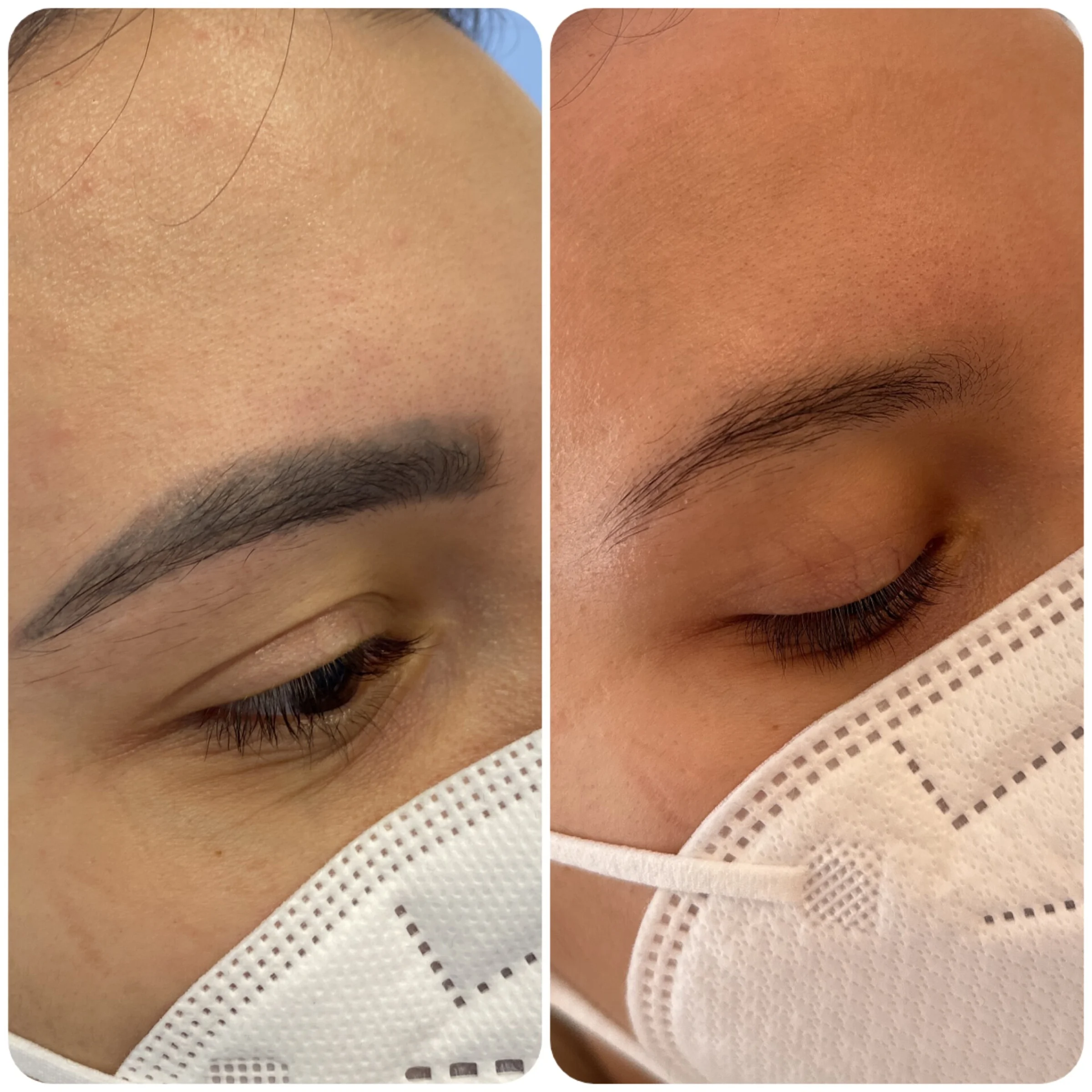
Microblading is a type of permanent make-up in which pigment is inserted into the skin by hand to create the appearance of eyebrow hairs. It is usually a relatively superficial insertion, but over time the pigment can change: it may fade, settle slightly deeper into the tissue, and sometimes change shade to greyish brown, grey or bluish. These changes affect how the laser responds to the pigment and the number of treatments that may be needed.
In terms of response to treatment, old microblading that is still brown tends to respond faster, and a significant improvement can sometimes be seen after just 2 to 3 treatments. By contrast, old microblading that has turned grey or bluish usually responds more slowly, and around 3 to 4 treatments are sometimes needed. In both cases, a preliminary assessment of the type of pigment, its depth and its current shade is very important before starting treatment
Price by area
Price per single treatment
| Area | Price per single treatment |
|---|---|
| Eyebrows (microblading / full make-up) | ILS 350-450 |
| Lips | ILS 400-800 |
| Lash line (permanent eyeliner) | ILS 800-1,000 |
How many treatments are needed?
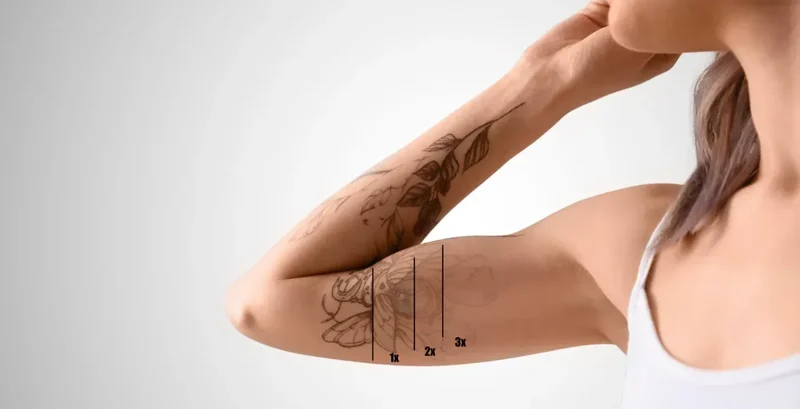
On average, between 2-4 treatments are needed, 6-8 weeks apart. The most influential factor is the colour of the pigment: black and dark brown respond faster, while red and light colours respond more slowly. In addition, the depth of insertion, the size of the area, each person's individual rate of clearance and the number of layers of colour all play a role.
What affects the success of the treatment?
A question patients often ask is why two people with the same type of permanent make-up achieve different results. The answer lies in a combination of factors that are not always visible.
The age of the pigment is one of the main factors – so the response to the laser may differ from what is seen with fresh pigment. The depth of insertion is related to the technique with which the original make-up was applied: insertion that is too deep requires more treatments to reach all the layers of pigment.
Realistic expectations are an integral part of planning. Complete removal is possible in most cases, but it is not guaranteed, and the number of treatments required varies from person to person and according to the influencing factors.
Eyebrow permanent make-up removal – what you need to know
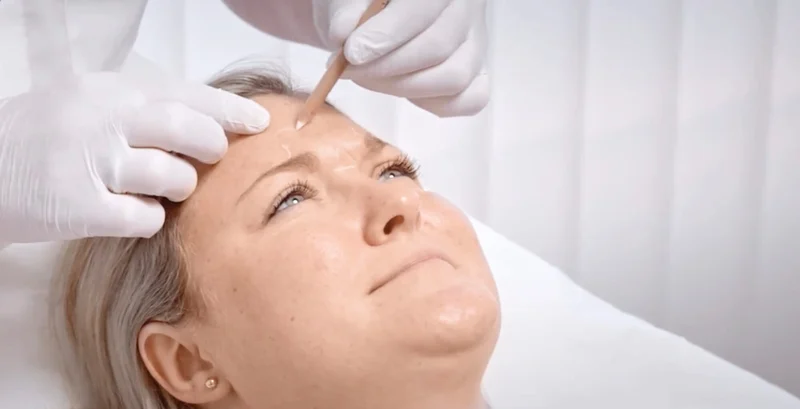
Eyebrows are the most common area for permanent make-up removal: because of pigment that has changed over time and taken on a bluish tint, an asymmetrical shape, imprecise edges or a change in personal taste. A common question is whether the treatment damages the eyebrow hairs – the answer is no. The depth of pigment insertion is much smaller than the depth of the hair follicles, the laser targets the pigment only, and the eyebrow hairs continue to grow as normal. After complete removal, it is recommended to wait a further 3-4 weeks after the last treatment before having new microblading, if needed.
Permanent make-up removal around the eyes – how is the eye protected?
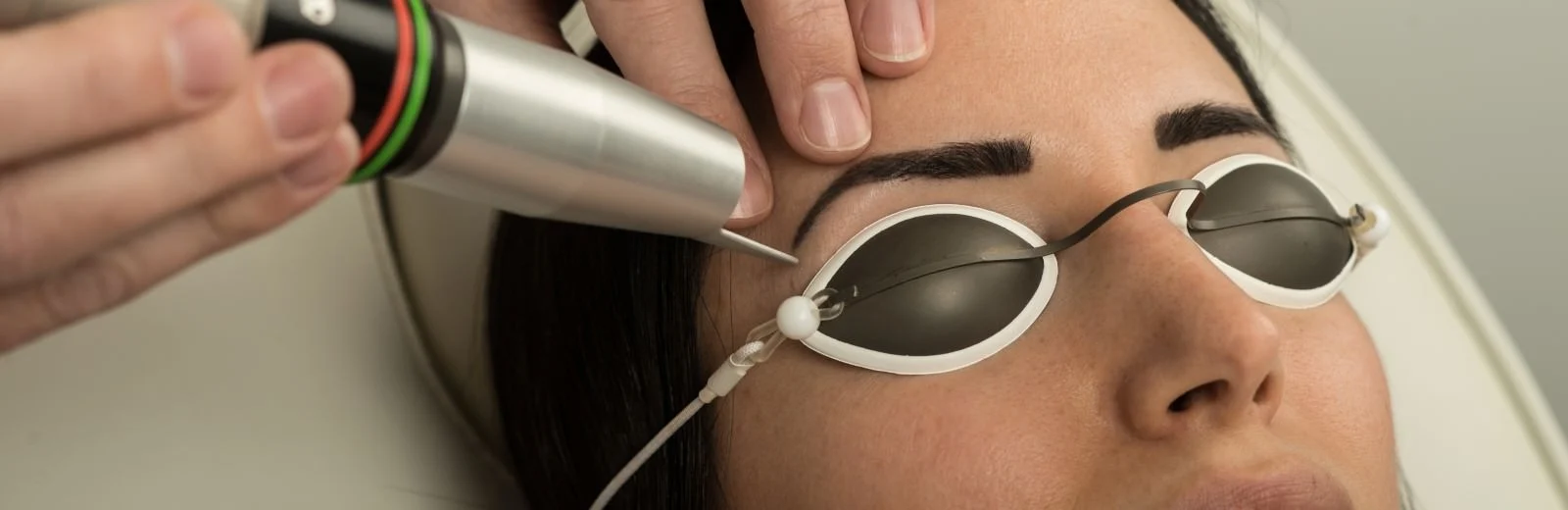
Removing permanent eyeliner (lash line) requires working in a particularly delicate area. Dedicated external laser eye shields are put in place before the treatment. When the treatment is very close to the lash line, internal eye shields are required, which are inserted only by the qualified practitioner. Because of the level of risk, especially in the eye area, it is recommended to have the treatment at a licensed, experienced clinic, in a medical setting with a safety protocol and proper documentation.
It is worth reading more about possible risks, safety issues and official information on tattoos, permanent make-up and removal.
Can red or yellow colour be removed with a laser?
Yes, pigments such as red and yellow can also be treated with a laser, but it is important to understand that the response varies from tattoo to tattoo. Sometimes the pigment responds well, and sometimes more treatments, precise adjustment of the wavelength and patience throughout the process are needed. With certain tattoos, especially when mixed ink or different layers of colour are involved, the process may take longer.
What should you know about more complex colours?
Skin-toned, yellowish or mixed pigments are considered more challenging to remove, because they do not always respond predictably to the laser. The FDA also describes a known phenomenon of oxidation, meaning a situation in which some pigments may actually darken as a result of laser exposure and become harder to treat further. Therefore, in such cases it is necessary to understand the limitations in advance and to work with realistic expectations regarding the degree of lightening that can be achieved.
Side effects – what is normal and when should you see a doctor?
What is expected and completely normal
Redness and slight swelling are completely normal and will pass within a few hours to a day after the removal treatment. If the treatment was performed incorrectly, with the wrong laser intensity, or if the practitioner's instructions are not followed, thin scabs may appear within 24-48 hours, but they will fall off on their own within 7-10 days. Slight sensitivity in the treatment area is completely normal.
When should you see a doctor?
You should see a doctor if the swelling does not go down after 48 hours, if there is increased discharge, inflammation or local heat, or if there is an extreme change in pigmentation such as unexpected darkening.
Who is laser permanent make-up removal not suitable for?
The treatment is not suitable for women who are pregnant or breastfeeding, people prone to keloid scarring, people with active skin conditions in the area such as active acne, eczema or psoriasis, those taking blood-thinning medication, people with a fresh tan in the area from which four weeks have not yet passed, or for white pigment.
Before the treatment, you should stop using retinol and Vitamin A a week in advance, and avoid peels and other laser treatments in the area for at least 4 weeks.
How do you choose a clinic for laser permanent make-up removal?
In the field of laser treatments, the difference between one clinic and another is significant. These are four important things to check before starting treatment: the type of laser (a pico laser is more precise and safer than an older nano laser), specific experience in PMU and not just in laser tattoo removal, before-and-after photo documentation of the permanent make-up removal process, and eye safety with dedicated eye shields.
4 questions to ask at the initial consultation
- How many treatments do you expect, in your assessment?
- What is done if there is darkening or oxidation after a treatment?
- How long after removal can new PMU be done?
- Which device do you use to remove permanent make-up?
Book a consultation – Dermacare clinic, Petah Tikva
Ready to remove your permanent make-up? Book a consultation with us at the Dermacare clinic, where you will receive a professional estimate of the number of treatments expected, based on the influencing factors (type of pigment, its depth and colours). We will also build a detailed treatment protocol for you, with realistic expectations, intervals between treatments and recovery instructions.
To book a consultation at the clinic, contact us and we will be happy to tailor a personal plan for you.
Phone: 03-6127888 | Email: info@dermacare.co.il | Website: dermacare.co.il
Article written by Eduard Yusupov | Specialist in aesthetic medicine, tattoo removal and permanent make-up removal. Owner of the Dermacare clinics in Petah Tikva and Austria since 2010, with more than 16 years of experience in PMU and tattoo removal | Last updated: February 2026 | The information in this article is for informational purposes only and does not replace medical advice. Before any treatment, consult the treating specialist.
Frequently asked questions
Can every type of permanent make-up be removed at the Dermacare clinic?
With the pico laser, permanent make-up can be removed or corrected gently and effectively from various areas of the face, including the eyebrows (microblading), eyelids and lips. The number of treatments required depends on factors such as the shade of the pigment, its depth and the age of the permanent make-up, with the aim of lightening it completely until it becomes invisible. The following can be removed: eyebrow permanent make-up (microblading) pigments from the lash area lip liner cosmetic beauty spots (permanent make-up)
Can permanent make-up be lightened or corrected at the Dermacare clinic?
In most cases, permanent make-up can be removed completely. However, at the patient's request, partial removal, lightening or correction can also be carried out. In the case of correction or partial removal, certain pigments can be removed completely – for example, shortening an eyebrow line that is too long, or lightening unwanted pigments until they become almost invisible. The treatment method depends on the desired result. During a personal consultation, you can define your goals, and the professional team at the Dermacare clinic will explain your treatment options in detail and tailor a personal treatment plan for you.
How long does it take to remove permanent make-up completely?
Complete removal of permanent make-up usually requires 4 to 6 treatments, with an interval of 5 to 8 weeks between each treatment. The exact number of treatments is determined individually according to factors such as the colour of the pigment, its size, its depth and the age of the permanent make-up. The waiting times between treatments also vary according to the skin's individual healing rate. At the first follow-up appointment after the treatment, the progress of the skin's healing is checked. Since the pigments lighten gradually with each treatment, a significant change can be seen after the very first session.
Is permanent make-up removal with the pico laser painful?
The sensation of pain during the treatment varies from person to person. While some patients feel nothing, others may experience a burning or stinging sensation during and after the treatment – symptoms that may also appear during the healing process. We recommend applying an anaesthetic cream to the treatment area before the treatment begins, in order to reduce sensitivity to pain. During the personal consultation, the professional team at Dermacare will give you a detailed explanation of the treatment process, which does not require anaesthesia or the use of medication.
Are there risks in permanent make-up removal with the pico laser?
Even when the laser treatment is performed professionally, in rare cases side effects may occur, such as scabbing or scarring, changes in pigmentation, or temporary hypo/hyperpigmentation (lightening or darkening of the skin), which usually disappears on its own within 3–4 months. If you are prone to pigmentation disorders or scarring, it is important to inform the practitioner in advance. During the personal consultation, you will receive a detailed explanation of the possible risks and side effects of the treatment.
How much does permanent make-up (PMU) removal cost at the Dermacare clinic?
As part of the medical consultation at the Dermacare clinic, the professional team will tailor a personal treatment plan for you and provide comprehensive information about possible risks, expected results and the cost of the treatment. Only after a professional examination of the permanent make-up (PMU) will the professional team determine how many treatments will be needed and at what intervals, in order to achieve the desired result.
For full information on the process, indications and prices: laser permanent make-up removal.
Frequently asked questions
The average cost is between ILS 400-1,000 per treatment. In most cases between 2-6 treatments are required. The total cost for a series of treatments usually ranges between ILS 1,000-5,000 depending on the area and the depth of the pigment.
The range is usually between ILS 350-450 per treatment. In total, between ILS 700-3000 depending on the number of treatments.
In most cases yes, but complete removal depends on the type of pigment, its depth and its colour.
You need to wait 6-8 weeks between treatments, since the body continues to clear the pigments through the lymphatic system during this time. Shortening the interval will mean more treatments are needed.
Normal reactions (redness, in rare cases scabbing) pass within a week to ten days. It is advisable to see a doctor if there is swelling lasting more than 48 hours, infection, or unexpected darkening.
Yes, but it is more complex. It sometimes requires more sessions and dedicated wavelengths. The fading is gradual – not always complete within 3-4 treatments.
No. Rimover has side effects such as scarring, so it is not recommended.
No. Home methods do not reach the layer where the pigment is located and may cause burns, infections and scars.
After complete removal, you wait a further 3-4 weeks. The specialist will determine the timing according to the condition of the skin.
Usually a feeling of warmth and slight "snapping". Local anaesthesia can be used about 1 to 2 hours before the treatment, along with cooling for the patient's comfort.
24 hours after the treatment you can start wearing normal make-up
In laser removal of permanent make-up, a phenomenon called paradoxical darkening may sometimes appear, meaning unexpected darkening of the pigment after the treatment. This phenomenon is mainly common in light pigments or in shades containing metallic compounds, such as iron oxides, and sometimes also components such as titanium dioxide. Following exposure to the laser, a chemical change may occur in the pigment, causing it to turn from a light shade to dark grey or green.
Yes, but it is important to avoid direct sun exposure and tanning for at least 4 weeks before and after the treatment. Skin with a fresh tan increases the risk of pigmentation changes.
For further official information on safety risks related to tattoos, permanent make-up and possible problems with removal, see the FDA page on the subject.