
In brief
- Laser tattoo removal is possible all year round, and the deciding factor is avoiding tanning the area for four weeks before and after each session.
- Autumn and winter are more convenient for starting, because it is easier to cover the area and avoid sun exposure.
- In summer you can start provided you cover the area and use sunscreen with at least SPF 30, reapplying it during the day.
- Tanned skin absorbs some of the laser energy and raises the risk of pigmentation changes, so it is better to postpone treatment with an active tan or fresh sunburn.
- Tattoo removal is a gradual process, and it is not always worth postponing the start just because summer is approaching.
Laser tattoo removal can be done all year round, but the season in which you start the process can affect the pace of healing and your day-to-day comfort.
- Winter and autumn are the most convenient seasons to start the process – it is easier to keep the tattoo area covered and avoid prolonged direct sun exposure or tanning.
- Tattoo removal in summer is also possible, provided you protect yourself from the sun and follow the treating team's instructions.
- The deciding factor is avoiding tanning the tattoo area for four weeks before and after each session – regardless of the season.
If you can avoid tanning and keep the area covered – you can start removal in any season. If you expect high sun exposure during the summer months – autumn and winter are usually more convenient for starting the series.
Why the season affects laser tattoo removal
The link between UV radiation and treatment results
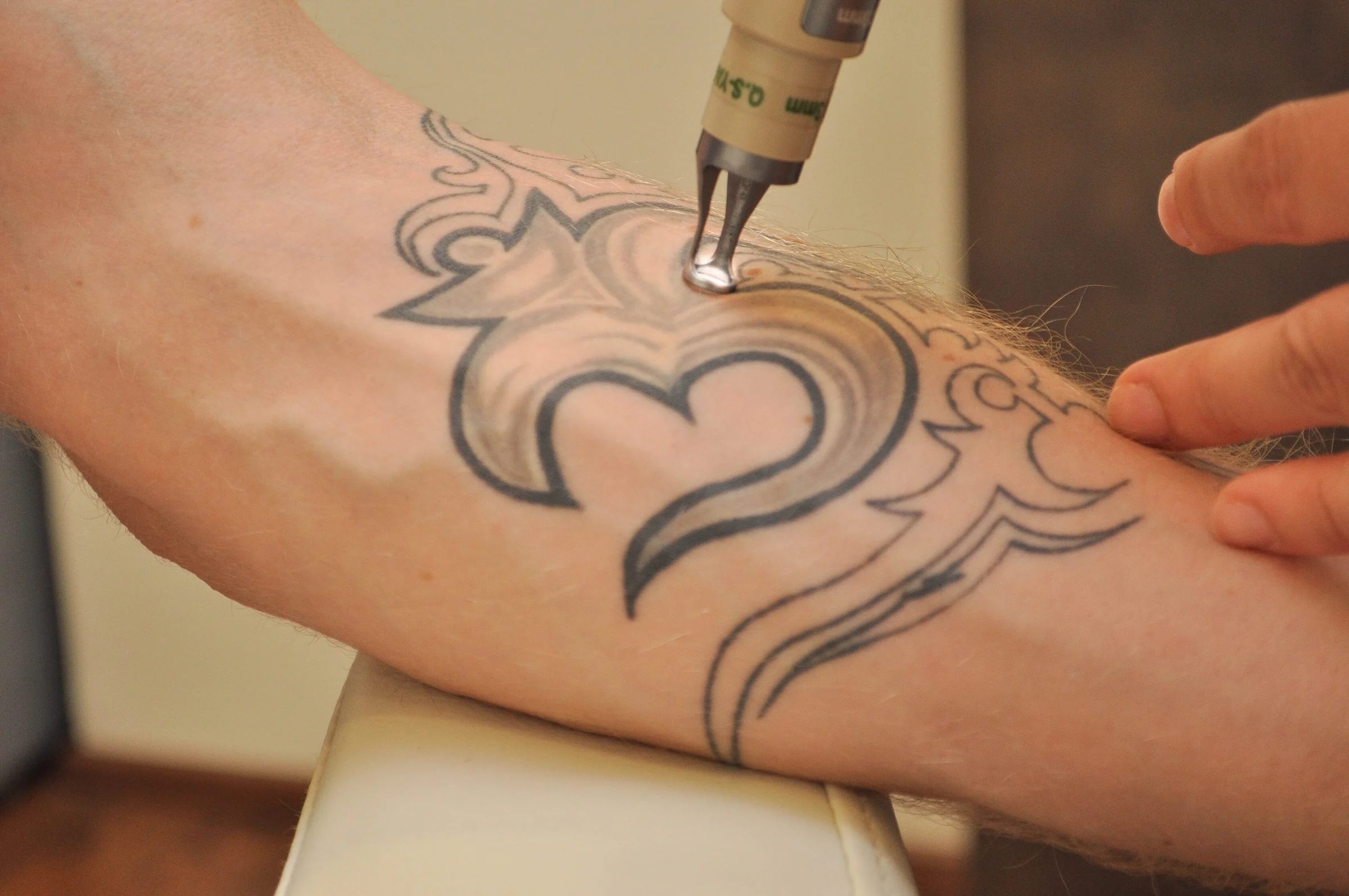
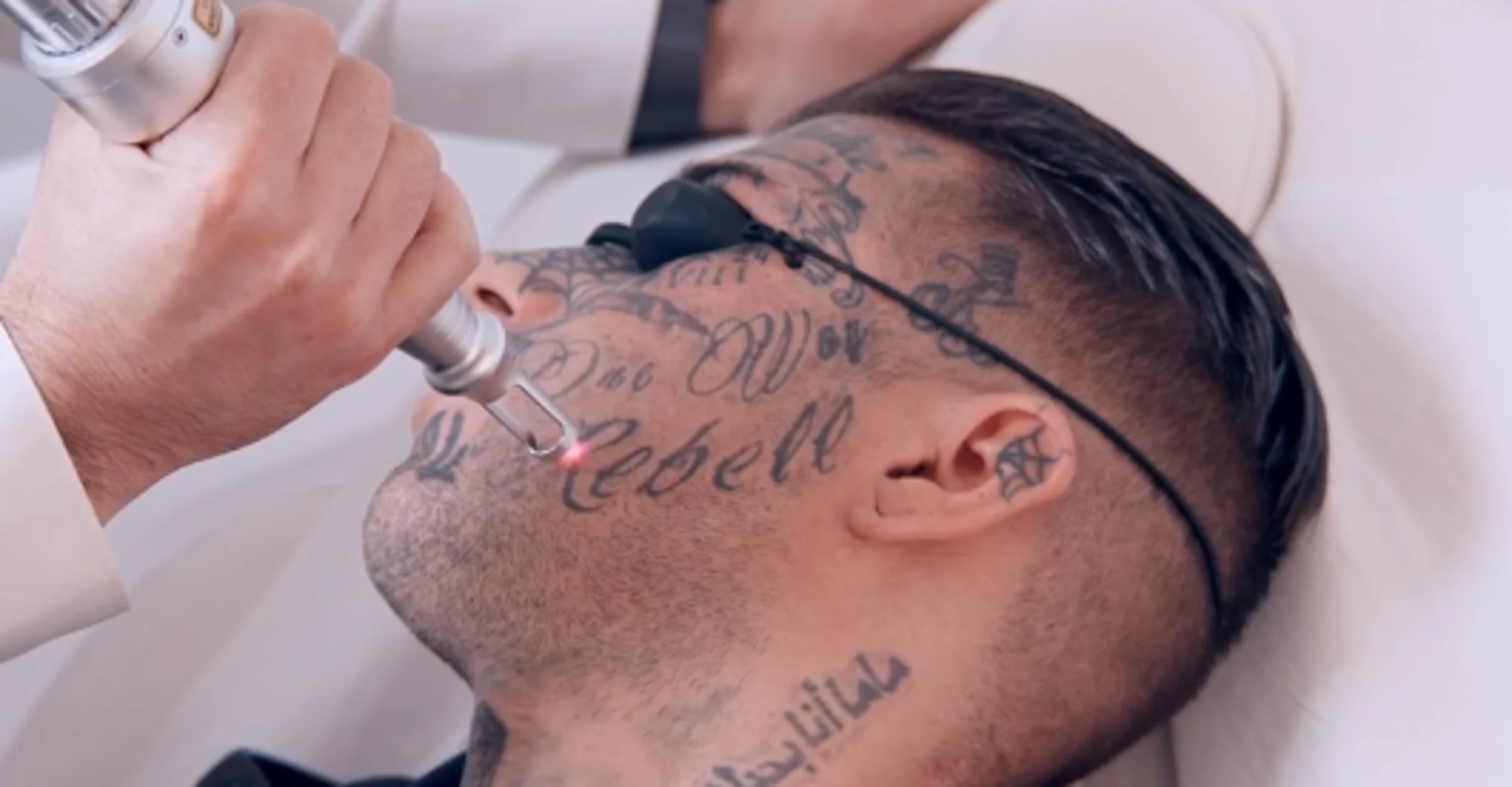
Laser tattoo removal technology works with short pulses of light at a precise wavelength, which are absorbed by the ink pigment and break it down into smaller particles. The problem arises when the skin is exposed to UV radiation: the sun's rays stimulate the melanin cells in the skin to produce more pigment, so the laser, which is meant to target the tattoo pigment, may also affect the skin's natural melanin. As a result, the risk of pigmentation changes in the treated area increases, such as temporary darkening or lightening of the skin.
In addition, tanned skin absorbs some of the laser energy before it even reaches the ink itself. This can reduce the effectiveness of the treatment and sometimes requires lower energy settings to minimise the risk of burns. Studies published in Lasers in Medical Science highlight the importance of adjusting treatment parameters to the skin type and the degree of sun exposure.
Fair skin vs tanned skin – which is better for laser
The fairer the skin at the time of treatment, the greater the contrast between the tattoo pigment and the skin. High contrast allows the laser to act more precisely on the ink, with less risk of damage to the surrounding tissue. This is why treating skin that has not been exposed to the sun is considered more effective and safer.
Why it is better to start tattoo removal in winter and autumn
Fewer daylight hours, less sun exposure
In autumn and winter there are usually fewer hours of sun exposure, and it is easier to keep the treated area covered. However, it is important to remember that in Israel UV radiation is present even on cloudy days and in the colder months – so using sunscreen with a minimum of SPF 30 is required throughout the process, in every season.
Long clothing – natural protection
One of the most important instructions after tattoo removal is to protect the treated area from direct sun. In winter, when we wear long sleeves and long trousers, this protection happens naturally. In summer, when the treated area is exposed, a more conscious effort is needed – sunscreen, physical covering and avoiding prolonged time in the sun.
Timing the series – arriving ready for summer
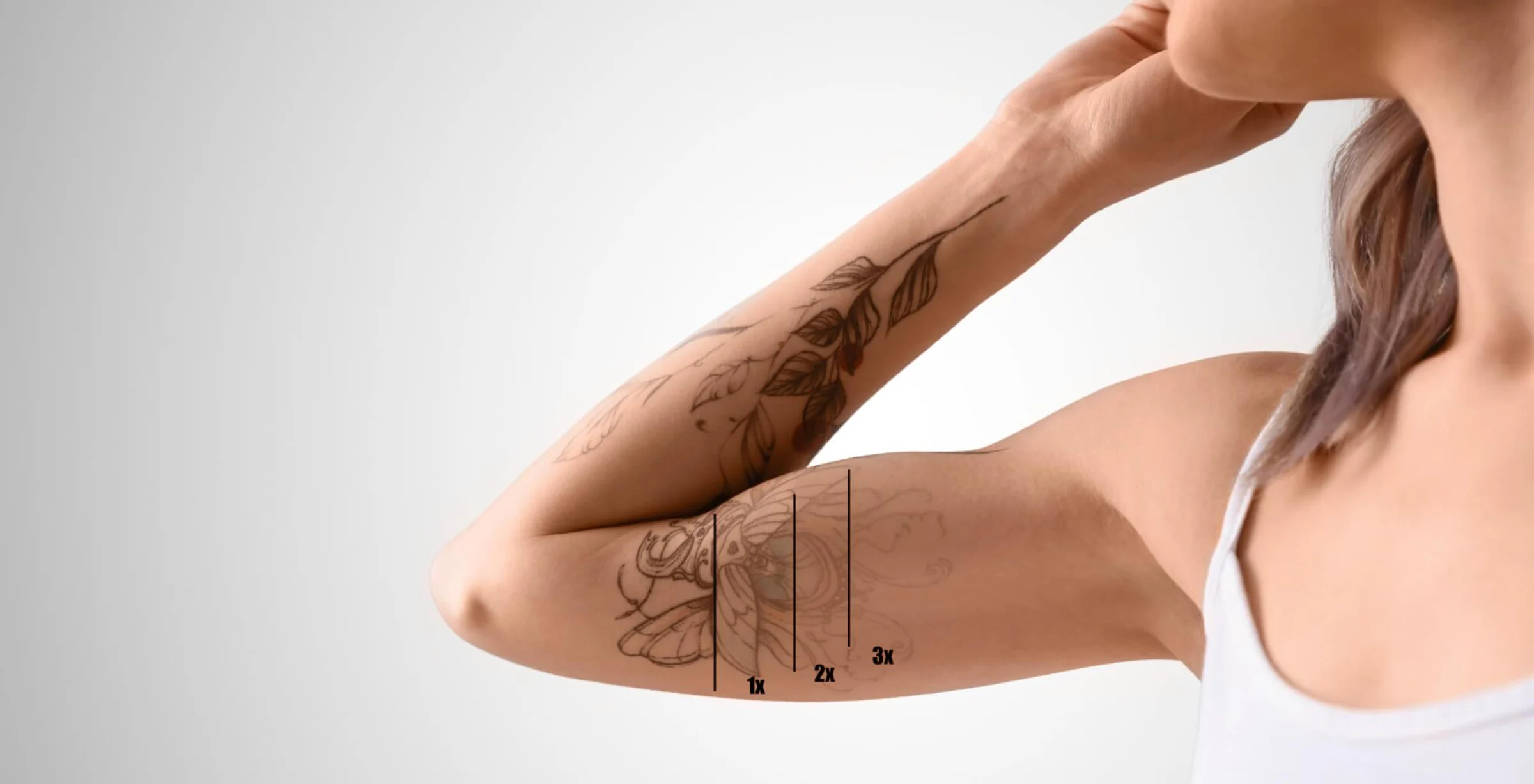
Tattoo removal is a process that takes several months and requires a series of sessions. If you start the series in autumn or early winter, you can complete a significant part of it by summer and reach the hot season with a very faded tattoo.
For full details on how long the process takes – read our page on how long laser tattoo removal takes.
Tattoo removal in summer – is it possible?
In short – yes, under certain conditions. Laser tattoo removal is possible all year round, but extra care is needed in summer. Treatment is possible in summer when the tattoo is in an area that can be covered and protected, when there has been no intensive sun exposure in the period before the treatment, and when the patient commits to following the instructions for protection from direct sun even on hot days after the treatment.
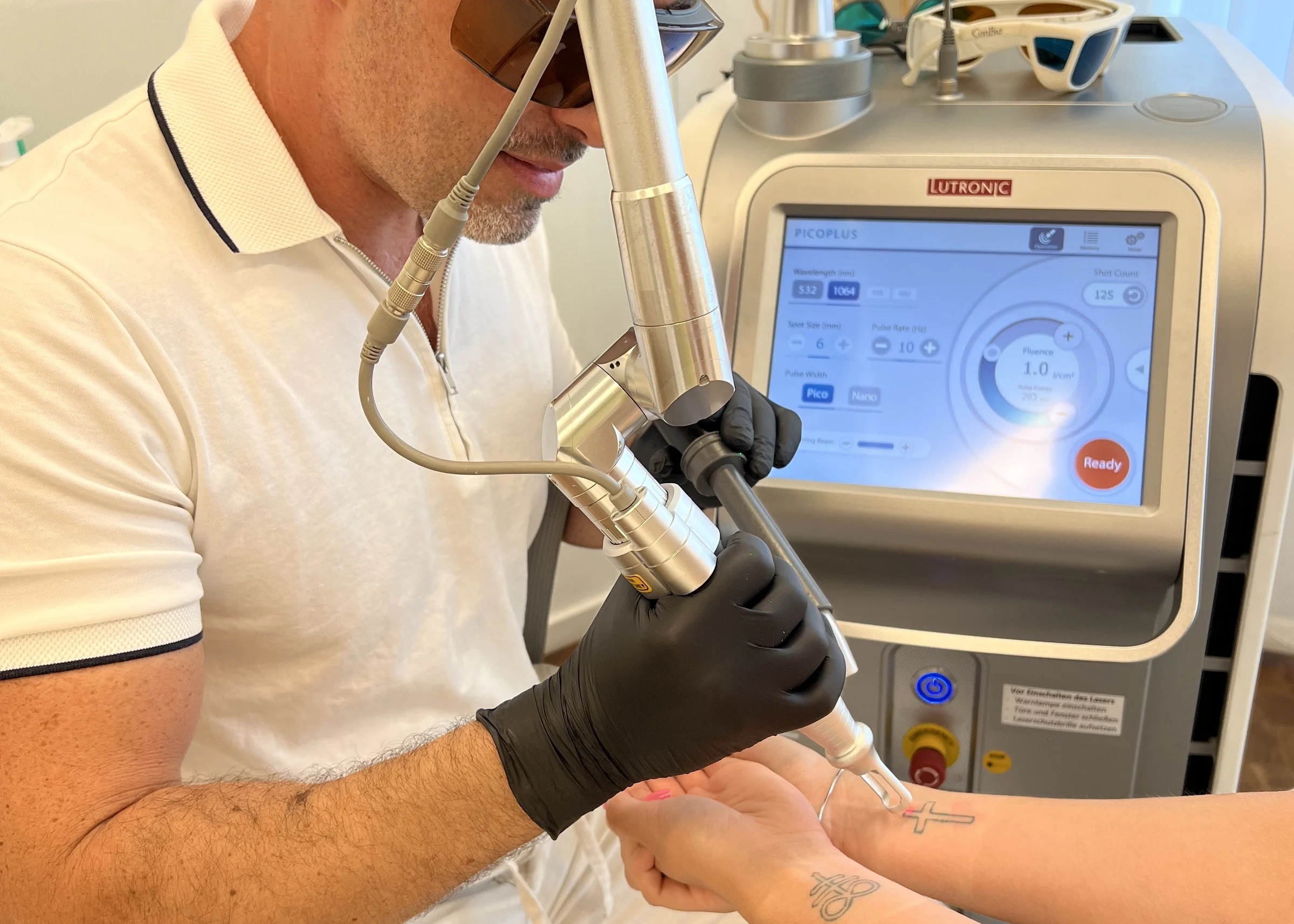
It is important to understand that the question is not only whether tattoo removal can be done in summer, but whether the right conditions can be maintained before and after each session. The laser itself is not “more dangerous” in summer, but the care around the treatment requires more attention. When the tattoo is in an exposed area such as the arms, shins, ankles, shoulders or upper back, the chance of daily sun exposure is higher.
Precautions for tattoo removal in summer
Anyone undergoing tattoo removal in summer needs to follow a few additional rules: completely avoid tanning the tattoo area for four weeks before and after each session, use sunscreen containing SPF (at least 30) and reapply it during the day, cover the area with clothing as much as possible, and avoid swimming in chlorinated pools or sea water in the first days after treatment.
Before starting tattoo removal in summer, it is important to check whether the treated area can be covered comfortably in your normal routine as well: on the way to work, when travelling, during outdoor activities or on holiday. If the area is almost always under clothing, such as the lower back, abdomen, inner thigh or an area that is covered most of the day, it is usually easier to continue the process in the hot months too. On the other hand, when the tattoo is in a very exposed area, it may be better to time the treatment so that it does not clash with beach or pool holidays, trips or periods of prolonged sun exposure.
Where patients plan a lot of sun exposure or tanning on the tattoo area, we may sometimes recommend not continuing the series of sessions without a break during the hot months. However, it may be worth considering having at least one session before the summer break. The reason is that even during the break between sessions, the body gradually continues to clear ink particles broken down by the laser. This way you can start the process in a controlled manner, let the body keep working during the break, and resume the series in autumn or winter under more favourable conditions.
It is important to note: the risk in summer does not come from the treatment itself but from prolonged direct sun exposure before and after. With proper protection, good results can be achieved in any season.
Another important point is that tattoo removal is not a one-off treatment but a gradual process. So it is not always worth postponing the start just because summer is approaching. In many cases you can start treatment, receive tailored instructions and plan the series sensibly around the season. Sometimes the treating team will recommend waiting a little, scheduling a session well away from a planned holiday, or choosing longer intervals between sessions during a period of higher sun exposure.
When is it better to postpone treatment?
In certain situations, the specialist may recommend postponing treatment to reduce the risk of skin damage and improve the effectiveness of the treatment:
- A fresh sunburn or an active tan on the tattoo area.
- Use of self-tanning products that have not yet completely worn off the skin.
- Being unable to cover the treated area from direct sun in the weeks after treatment.
- Redness, irritation or an open wound on the tattoo area due to sun or friction – it is better to wait until the skin has calmed down.
In such cases, it is better to wait for conditions that allow full protection – not to give up on the treatment, but to time it correctly.
You can start tattoo removal in summer – but only if you follow this rule:
Come to treatment with untanned skin on the tattoo area, and keep the treated area covered and protected between sessions. If you follow this rule, you can start even in the hot months and achieve good results. Medical bodies such as the NHS state that treatment is not carried out on tanned skin or skin with residues of self-tanning products, and that daily protection from direct sun (covering the area and applying sunscreen) is required between sessions and for an extended period after completing the series. As long as you follow these rules, you can remove a tattoo all year round. If you cannot protect your skin to the extent required, it is better to schedule the start of your series of sessions for autumn or winter.
Winter / autumn:
- Covering the tattoo area with long clothing – easy, convenient protection.
- Less risk of unplanned sun exposure.
- Sunscreen should be used, especially on sunnier days.
Summer:
- The treated area must be covered every time you go out to avoid direct sun exposure.
- Avoiding pool/sea water in the first days after treatment.
- Reapplying sunscreen every two hours and after sweating.
- It is advisable to plan sessions around planned beach holidays.
Tattoo removal at the Dermacare clinic
At Dermacare, tattoo removal is not a side service but a core area of expertise built up over many years. Our clinics have been operating since 2010 in Austria and Israel, with cumulative experience of more than 100,000 tattoo removal sessions and a genuine focus on the field. Every process begins with a personal assessment of the tattoo type and skin type in order to tailor a safe, precise treatment plan. Alongside clinical experience, we also place an emphasis on transparency, clear instructions before and after each session and professional support throughout, so you know what to expect at every stage of the process.
Contact: 03-6127888 | info@dermacare.co.il | Book an appointment online
By: Eduard Yusupov, owner of the Dermacare clinic chain in Austria and Israel since 2010. Specialist in tattoo removal and aesthetic treatments.
The information in this article is based on clinical experience from tens of thousands of tattoo removal sessions in the Dermacare chain and on current professional literature. The information is general and is not a substitute for personalised professional advice. The treatment protocol, including timing and intervals, is always determined individually by the treating team according to the tattoo type, skin type and the patient's state of health.
Frequently asked questions
No. Winter and autumn are more convenient, but tattoo removal can be started in any season. The main thing is to protect the area from direct sun or tanning for four weeks before and after each treatment, and to follow the instructions of the specialist practitioner.
If the area is tanned, the practitioner may postpone the treatment until the tan fades. Tanned skin increases the risk of side effects such as pigmentation changes, and reduces the effectiveness of the laser.
It is recommended to avoid direct sun exposure on the treated area and to use sunscreen for four weeks before and after each treatment.
Is sunscreen enough after tattoo removal in summer?
Sunscreen is an important layer of protection, but it is not always enough on its own. It is recommended to combine sunscreen with physical cover (clothing) and to avoid spending long periods in direct sun. It is important to reapply every two hours and after sweating.
Yes. If the tattoo is in an area that is naturally covered by clothing (such as the back, inner thigh or abdomen), sun protection is easier and treatments can be carried out comfortably even in summer.
In most cases, it is better to start early and not wait. Every delay extends the overall process. The treating team will adapt the plan to the season and provide tailored instructions.
Yes. Artificial tanning (sunbeds) and self-tanning products affect skin tone and cause treatment to be postponed. Avoid all types of tanning throughout the entire treatment period.
For more questions and answers about laser tattoo removal – the frequently asked questions page
Ultimately, tattoo removal in summer is mainly suitable for those who understand the importance of protecting the skin and are willing to follow through on it in practice. Anyone who knows they will not be able to avoid tanning or prolonged direct sun on the tattoo area is better off starting the series in autumn or winter. By contrast, anyone who can keep the area covered and protected can start the process in summer too, without compromising on safety and without postponing the decision for many months.