In brief
- An anti-ageing facial treatment is a gradual, personalised process that starts with an accurate diagnosis – not a magic solution.
- You can start as early as around age 30-35, when fine lines, reduced elasticity or sun spots appear.
- The plan combines technologies such as microneedling with RF, IPL, biostimulators, PRP and skin boosters, depending on the skin's condition.
- Treatments are carried out as a series, several weeks apart, to give the skin time to produce new collagen.
- After the treatment series, follow-up and maintenance are recommended to preserve the result over time.
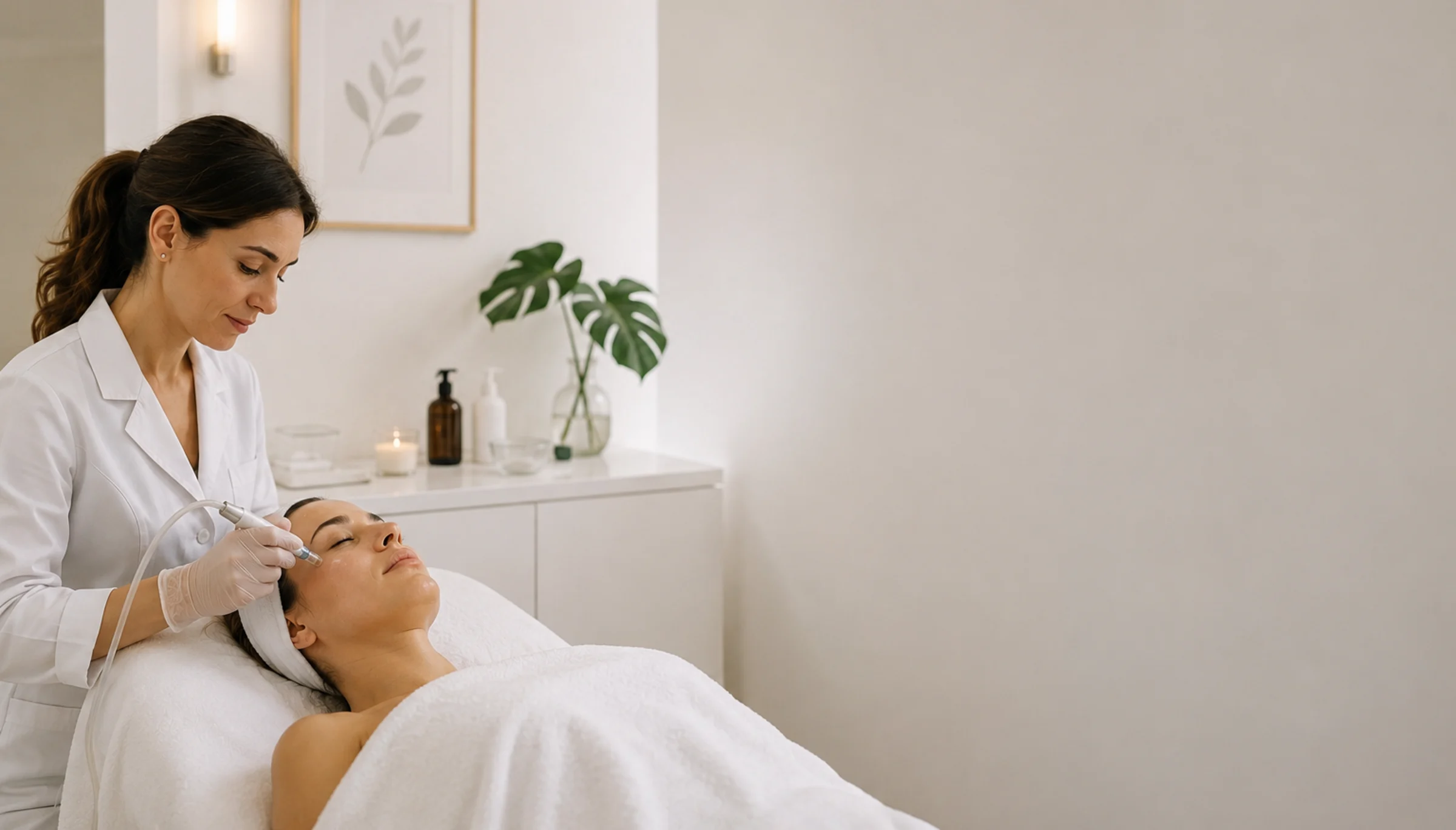
An anti-aging facial treatment is not a magic solution, but a personalised process that aims to slow down the appearance of signs of ageing, improve skin texture and restore a more vibrant, healthy look. In our experience at Dermacare, the success of treatment lies in a shared journey that begins with an accurate diagnosis, continues with a gradual treatment plan and ends with the right maintenance at home – all to achieve a natural, authentic result that lasts over time.
So what exactly is an anti-aging facial treatment and how does it work?
In recent years, anti-aging treatments have become an integral part of the skincare routine of many women and men in Israel. It is important to understand that the goal is not to "erase age", but to work with the skin to help it look its best – firmer, radiant and even, while fully preserving our natural expression.
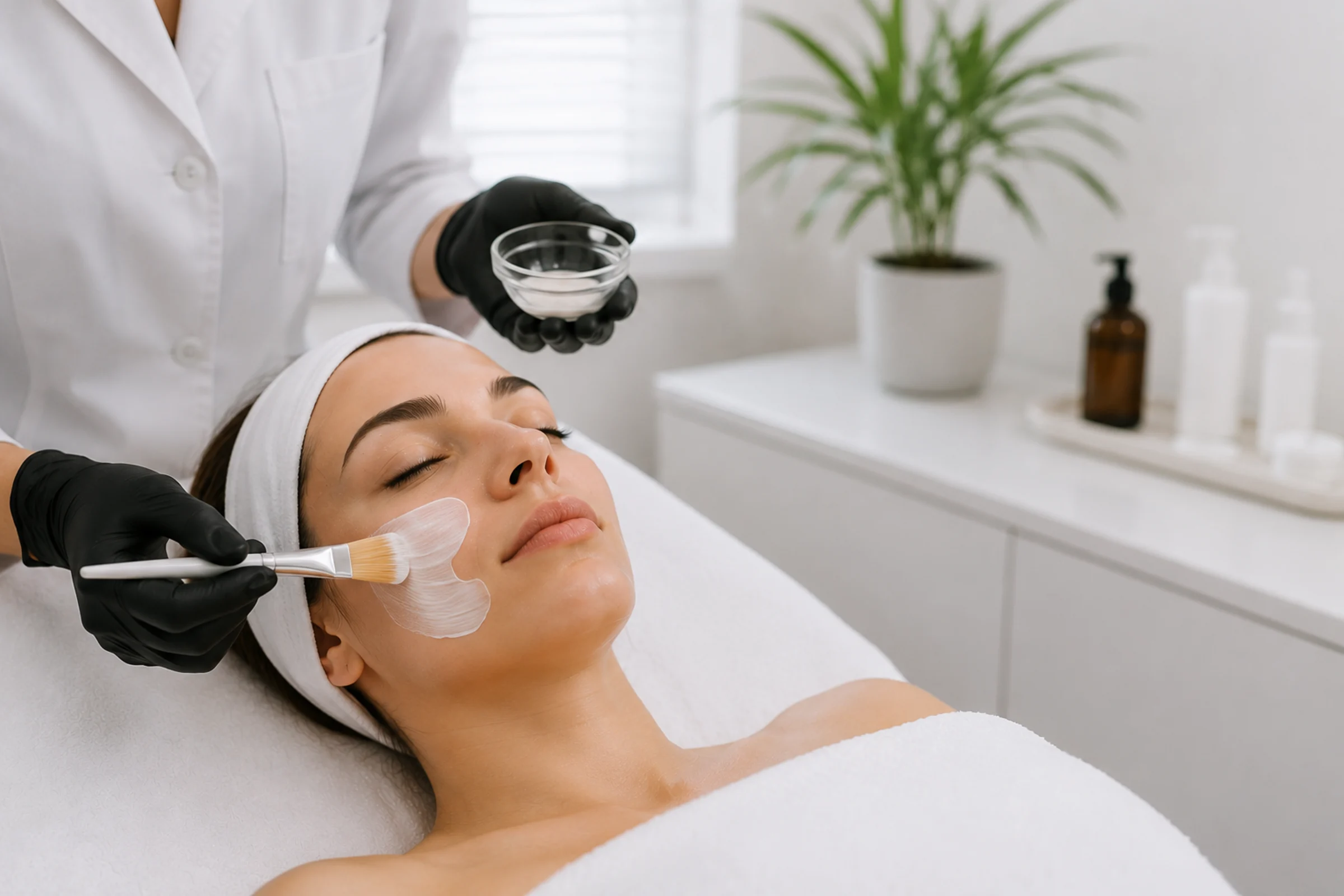
Unlike a single cream or a one-off treatment, a professional approach always starts with an in-depth diagnosis. Here at the Dermacare clinic, the first step is to understand your skin's unique story: what is its level of hydration and elasticity? How deep are the fine lines? Is there sun damage or uneven tone?
Who are these treatments suitable for?
Anti-aging treatments are suitable for essentially anyone who notices early or advanced signs of ageing and wants to address them in a controlled and effective way. Usually, you can start as early as around age 30-35, when the skin begins to show:
-
Fine lines around the eyes, the mouth or on the forehead.
-
A slight loss of elasticity and firmness of the skin.
-
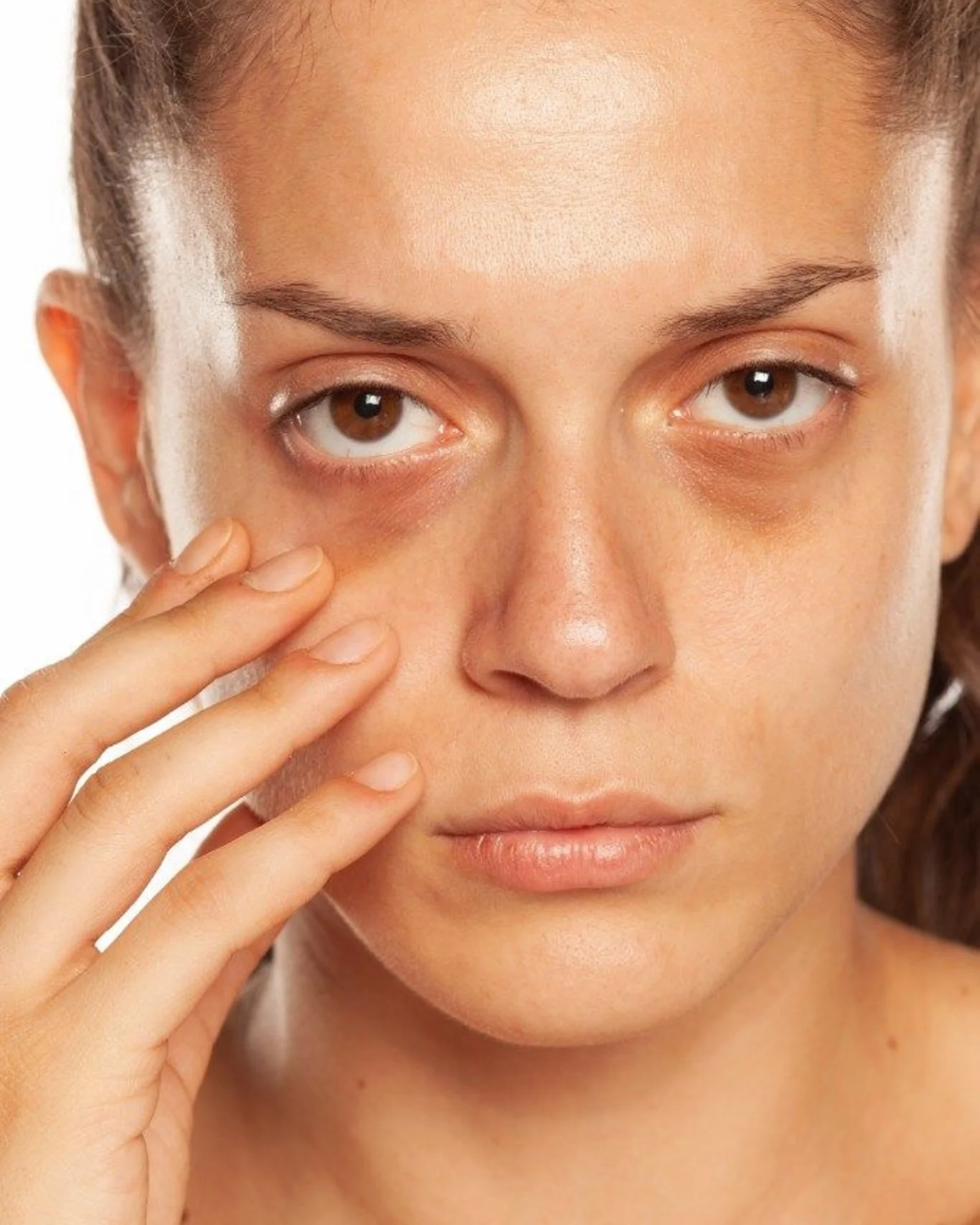
A "tired" look lacking radiance.
-
Sun spots (pigmentation) or uneven skin tone.
It is important to stress that prevention is an essential part of the process. Starting early can help preserve skin quality and delay the appearance of more pronounced signs in the future.
The gradual approach to skin rejuvenation
Our philosophy at Dermacare is to build a gradual treatment plan. Instead of offering a "quick fix", we build a series of treatments that combine different technologies to work on all layers of the skin, from the deepest to the surface.
This process allows the skin to renew itself gradually, healthily and in a controlled way, leading to results that look natural and last over time. You can read more about this in our guide to skin tightening and firming with anti-aging treatments.
In our experience, real success in anti-aging treatments is measured not only by smoothing wrinkles, but by the overall improvement in skin quality: a smoother texture, an even, radiant tone and a feeling of freshness and vitality.
In recent years, awareness of professional treatments in Israel has been rising steadily. At the clinic we see women and men aged 35-55 coming in with the goal of improving the appearance of their skin responsibly. After a personalised series of treatments, patients report a significant improvement, sometimes up to 40-50% in skin elasticity, and a more vibrant overall appearance.
The technologies that really work for renewing and firming facial skin
The world of aesthetics has countless technologies, but the secret to a truly good result is not one miracle device – it is a smart combination. In our experience, a successful anti-aging facial treatment is like a personal training programme: we build it in several layers to address every challenge – from fine lines and laxity, through skin texture, to uneven tone.
This approach allows us to work on all layers of the skin. While one technology works deep inside to firm and renew collagen fibres, another treats sun spots on the surface, and a third nourishes the skin with hydration and active ingredients. This is how we achieve a harmonious, natural and healthy look.
Skin firming: rebuilding the "support scaffolding"
When the main goal is to restore firmness and elasticity to the skin, we need to get it to produce collagen and elastin again. These are the skin's natural "support scaffolding", and their depletion over the years is the main cause of laxity and wrinkles.
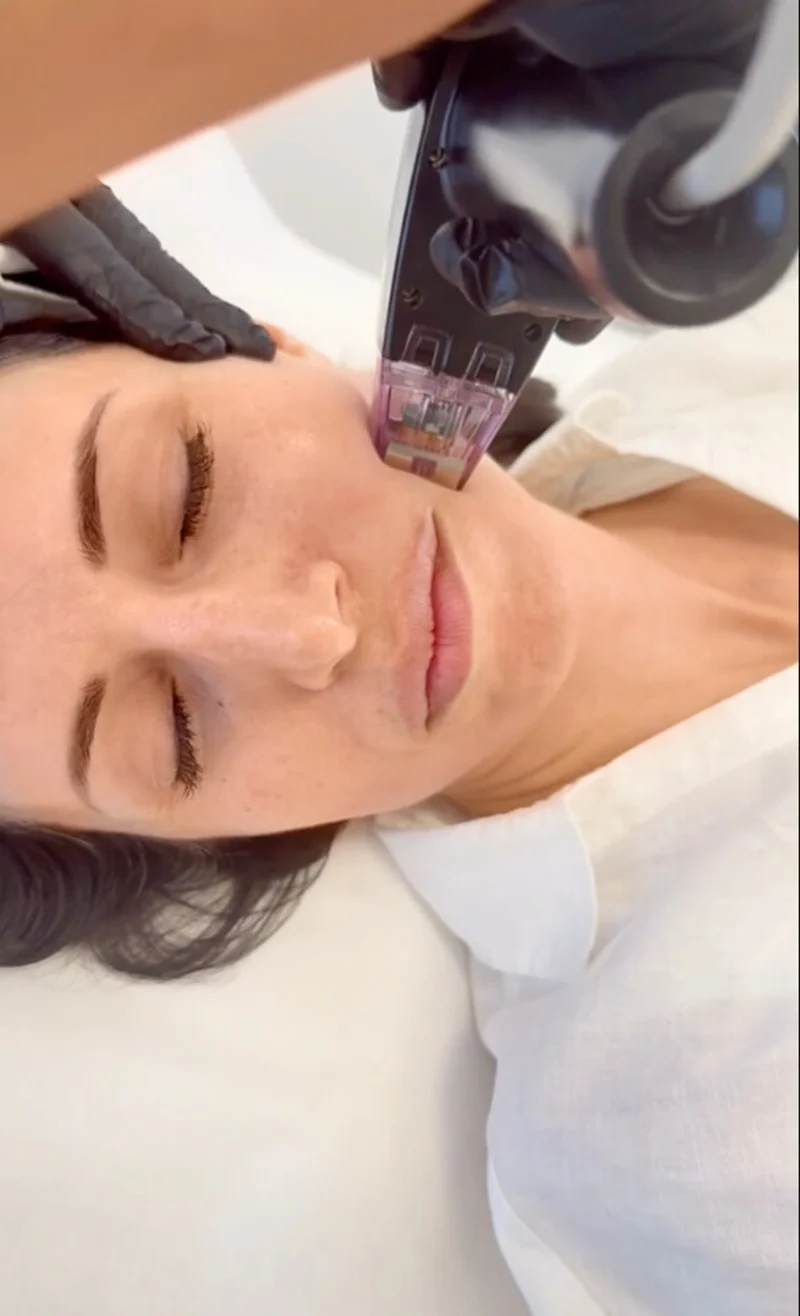
At the Dermacare clinic we use advanced technologies that combine several actions in one treatment, such as microneedling with radiofrequency (RF).
-
Microneedling: tiny needles create a controlled injury in the skin, which "wakes up" the body's natural healing and renewal mechanisms.
-
Radiofrequency (RF): focused heat energy penetrates deep into the dermis, contracts existing collagen fibres and stimulates accelerated production of new, strong collagen and elastin.
This combination allows us to reach a precise depth, work on uneven texture, soften fine lines and provide a visible firming effect on the face, neck and jawline. You can read more about advanced radiofrequency technology for skin tightening in our extended guide.
Lightening spots and improving skin tone
Sun damage, hormonal changes and age take their toll, and the result is often dark spots (pigmentation) and a tired, uneven skin tone. To restore an even, radiant look to the skin, we use IPL (Intense Pulsed Light) technology.
Unlike a laser, an IPL device emits strong flashes of light across a range of wavelengths. The light is absorbed in a targeted way by the melanin deposits (the dark pigment of the spot). The heat breaks them down, and the body clears the residue naturally. The result is a gradual lightening of the spots and a smoother, more even skin tone.
Biostimulators: getting the skin to work for us
One of the most fascinating areas in anti-aging today is biostimulators, such as Ellansé, Radiesse and Sculptra. These substances are not classic "fillers" – they signal our skin to produce new collagen on its own.
Biostimulators are not a temporary filling solution; they are a long-term investment in skin health. They make the skin renew itself from within, and the result is a gradual improvement in texture, elasticity and firmness that builds up over months and lasts a long time.
When we inject the substance into strategic areas, it acts as a "signal" to the skin cells (fibroblasts) to start producing young, healthy collagen fibres. This is how we achieve an improvement that looks completely natural.
Deep-nourishment cocktails for the skin
To complete the picture, we like to combine treatments that nourish the skin from within and give it a "boost" of hydration and vitality.
-
Treatments with PRP (Platelet-Rich Plasma): in the famous "vampire" treatment we use platelet-rich plasma derived from a sample of the patient's blood. The plasma is a natural cocktail of growth factors, and when we inject it back into the skin, it encourages tissue renewal and improves texture.
-
Skin boosters and polynucleotides: these are substances based on hyaluronic acid or DNA fragments from an approved and safe source, injected into the upper layers of the skin. Their aim is not to add volume, but to provide deep hydration, improve elasticity, restore radiance and protect against environmental damage.
These technologies show proven results. Treatments such as microneedling with RF can boost collagen production significantly more than older methods, and biostimulators can increase collagen production with results that last around a year and a half to two years in many cases. Want to know more?
Comparing common anti-aging facial treatment methods
To put things in order, here is a table summarising the main methods, their goals and what you can expect from each.
| Type of treatment | Main goal | Recommended number of treatments | Time frame for results |
|---|---|---|---|
| RF + Microneedling | Deep firming, improved texture and scars | 1-3 | 3-6 months |
| IPL (Intense Pulsed Light) | Treating pigmentation and evening out tone | 2-4 | 4-8 weeks |
| Biostimulators (Ellansé, Radiesse and Sculptra) | Stimulating natural collagen production and firming | 2-3 | 3-6 months |
| PRP (platelet-rich plasma) | Renewing and refreshing the skin, improving texture | 3-4 | 4-6 weeks |
| Skin boosters / polynucleotides | Deep hydration, improved elasticity and radiance | 2-3 | 2-4 weeks |
The table helps you understand the differences, but it is important to remember that the most effective plan will almost always include a combination of several of these methods, tailored to your skin's condition and your goals.
Building a personal treatment plan at Dermacare
We have seen that there are plenty of impressive technologies in the field of anti-aging, but from our experience here at Dermacare, technology is only a tool. The real success of an anti-aging facial treatment is not measured by the power of the device, but by the thinking behind the treatment plan. There is no one-size-fits-all solution, which is why we build a precise, personal strategy for every patient.
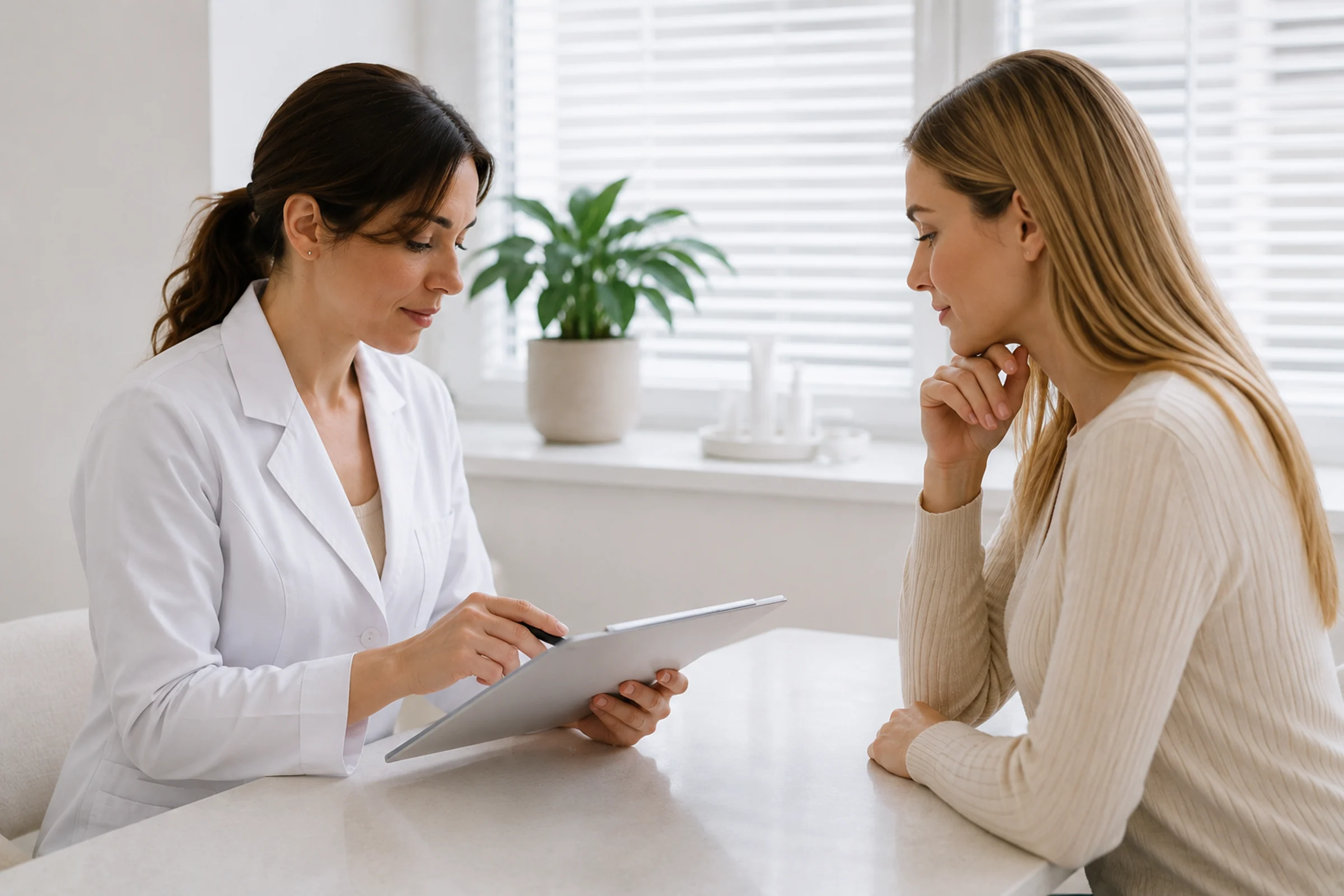
Our process does not start with choosing a device, but with listening. We want to understand in depth not only the condition of your skin, but also how you feel about it, what your expectations are and what goals you want to reach. Only from there do we set out together on a gradual, responsible and personalised treatment journey.
Step one: a consultation and in-depth skin diagnosis
Everything starts with a consultation. For us, this is the most important stage of the process, because this is where we lay the foundations for success. In this meeting we carry out a thorough clinical assessment, sometimes with the help of computerised imaging systems, to get a complete and accurate picture of your skin's unique needs.
What do we check in the diagnosis?
-
The depth of wrinkles and fine lines: are these dynamic expression lines created by muscle movement, or static wrinkles that indicate volume loss?
-
The degree of laxity: in which areas of the face has the skin lost its elasticity and firmness? The jawline, the cheeks or perhaps around the eyes?
-
Sun damage and pigmentation: what is the level of accumulated sun damage and how does it show up as spots or uneven tone?
-
Skin texture and tone: does the skin look tired, greyish, dull or have enlarged pores?
Such an accurate diagnosis allows us to understand the root of the problem rather than just treating the symptoms. This is how we make sure that every treatment we choose later addresses a real need of the skin.
Step two: building a gradual treatment plan
Once we understand exactly what your skin needs, we will build a gradual treatment plan together. The central idea is not to "bombard" the skin with treatments, but to work with it step by step, giving it time to renew naturally and building a stable result that lasts over time.
Case example: a patient in her 40s recently came to us feeling that her skin had "lost its life". She described it as tired and greyish, with fine lines that had begun to deepen around her mouth and eyes. After a diagnosis, we built her a combined plan: we started with a series of firming treatments using radiofrequency technology to stimulate new collagen production, and in parallel we added nourishing treatments rich in peptides and hyaluronic acid to restore radiance and hydration to the skin. Alongside the treatments at the clinic, we tailored a home skincare routine for her to support and maintain the results.
This gradual approach ensures an improvement that looks natural, not "overdone", and fits easily into your lifestyle. If you are unsure which treatment is right for you, you can read more in our article on how to choose the right anti-aging treatment for you.
Step three: carrying out the scheduled treatment series
The treatments themselves are carried out as a series, with intervals of several weeks between sessions. This timing is crucial. It allows the skin to complete its internal healing and renewal processes between one treatment and the next. Producing new collagen, for example, is a biological process that takes time. The scheduled breaks ensure that with each additional treatment we build on stronger, more stable foundations than the time before.
Step four: follow-up and maintenance – the key to preserving the results
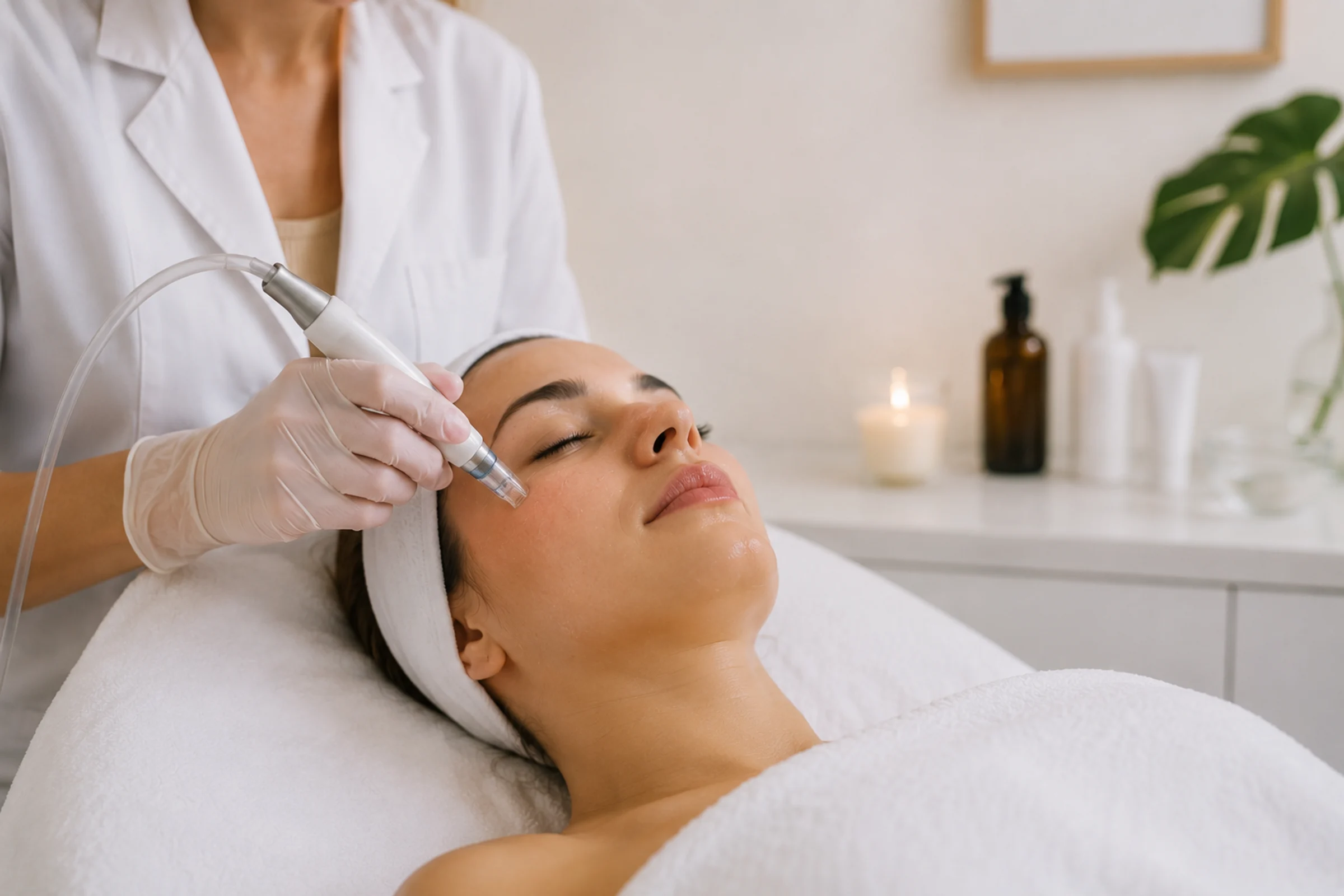
The process does not end with the last treatment in the series. For your investment to pay off for years, we need to preserve the results we have achieved. The maintenance stage includes two main components:
-
Periodic maintenance treatments: depending on the condition of the skin and the type of treatments performed, we will recommend a maintenance treatment once every few months. The aim is to "refuel" the renewal processes and maintain high skin quality.
-
A personalised home skincare routine: this is perhaps the most important point for long-term success. We will personally tailor a skincare routine for you with research-proven active ingredients, such as retinol, vitamin C and antioxidants, to protect your skin and help maintain the results day to day.
This comprehensive approach ensures that the results not only look great in the short term, but are maintained and even improve over time.
Managing expectations and realistic results from treatment
One of the most important conversations we have here at Dermacare, even before starting any treatment, is about managing expectations. It is important to us that you understand: our goal in an anti-aging facial treatment is not to "erase" wrinkles or turn back the clock, but to bring about a real, natural and healthy improvement in the appearance of your skin. For us, success is much more than a "before and after" photo.
We believe the ideal result is one that makes you feel refreshed, vibrant and simply better about yourself, without looking "done" or different. It is a gradual process that preserves your natural, unique expression – just in a healthier, more radiant version.
How do we measure success in anti-aging treatments?
Success is not just making one specific wrinkle disappear. To assess the result, we look at the full picture together with you and check several indicators that show the skin is genuinely healthier:
-
Softening fine lines, not erasing them: the goal is not to completely remove every expression line, but to soften deep wrinkles and smooth fine lines. The result is a smoother, fresher look, but one that still looks completely natural.
-
The skin feels firmer and more elastic: how does the skin feel to the touch? Is it firmer around the cheeks, jawline and neck? An improvement in firmness is a clear sign that we have succeeded in reactivating collagen and elastin production.
-
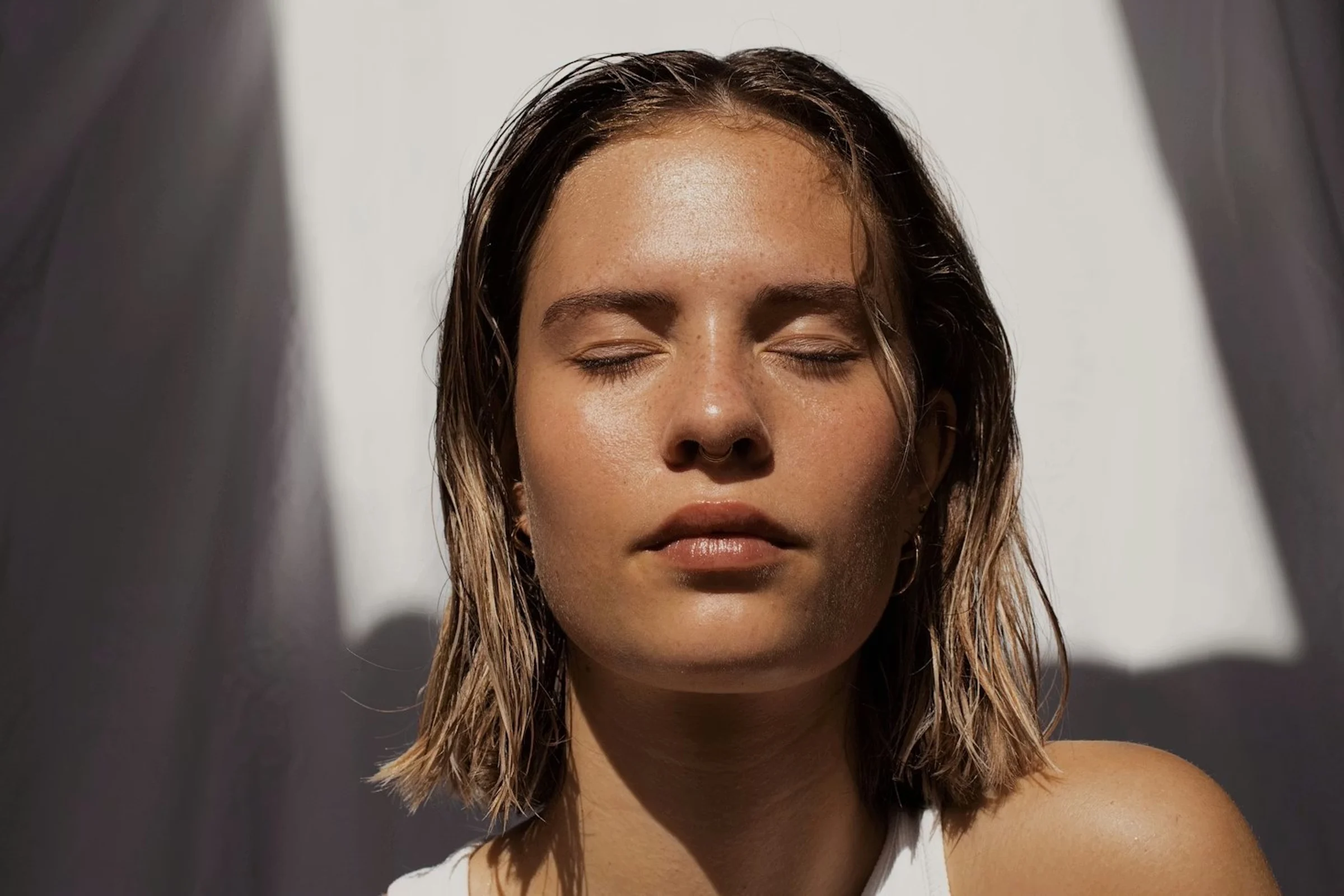
An even, vibrant skin tone: one of the most dramatic changes is the shift from skin that looks tired and greyish to skin with an even tone and a healthy glow. This is the indicator that shows the treatment has succeeded in addressing sun damage and restoring lost vitality to the skin.
-
Smoother texture: does the skin feel smoother to the touch? Do the pores look less prominent? An improvement in texture is evidence of healthy skin that functions better.
The real change is in how you feel inside. When one of our patients finished a series of treatments, she said that the meaningful change for her was not only what she saw in the mirror. She said she finally felt that her face reflected her inner energy rather than constant tiredness. That, for us, is the definition of success.
The result: a natural improvement that keeps you who you are
Our philosophy is simple: a successful treatment leaves you looking like the best version of yourself. The goal is a clearly visible improvement, the kind that makes people tell you "You look great, you're glowing!" rather than ask "What have you done to your face?".
In Israel, many women and men deal with pigmentation caused by the sun. Technologies such as IPL or dedicated peels can achieve a noticeable improvement in the appearance of spots after a tailored series of treatments. At the same time, treatments such as PRP (plasma) show success in reducing wrinkle depth, with the result building up gradually.
The combination of the right technologies and honest expectation management allows us to achieve impressive results that preserve your unique look and ensure you are satisfied with the result over time.
What happens after treatment? Side effects, risks and important guidelines
Let's talk about what happens after treatment. One of the most important things for us at Dermacare is full transparency – we believe you should know exactly what to expect after an anti-aging facial treatment, what is normal and what needs attention. This knowledge is an integral part of your confidence and of the success of the process.
First of all, it is important to stress: every aesthetic treatment, even if it is not considered invasive, must be carried out in a professional clinic under medical supervision. This is the starting point for ensuring your safety and minimising any possible risk.
Expected (and temporary) side effects
The good news is that in the vast majority of cases, side effects are mild, predictable and a natural part of the skin's renewal process. They usually pass on their own within a short time. The type of reaction depends, of course, on the technology we used.
-
Redness and mild swelling: this is the most common reaction after treatments aimed at stimulating the skin to produce collagen, such as microneedling with radiofrequency or laser treatments. This redness is a sign that the process is working. It will pass completely within a few hours to a few days, depending on the intensity of the treatment and the natural sensitivity of the skin.
-
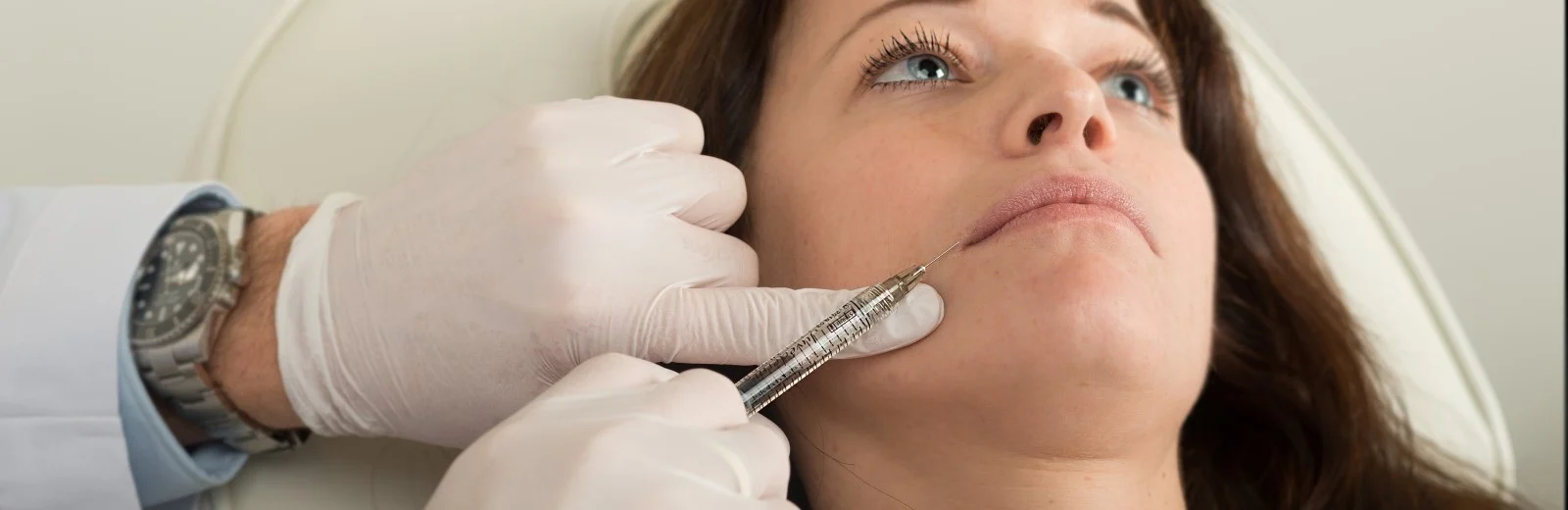
Small pinpoint bruises: after injections, such as hyaluronic acid or biostimulators, tiny bruises may appear at the injection site. This is completely normal. They can easily be covered with make-up, and they are absorbed and disappear within about a week.
Of course, there are situations in which we will not recommend treatment, such as during pregnancy or breastfeeding, when there is an active skin infection in the area to be treated, or in the case of certain autoimmune diseases. Each case is assessed individually at the consultation to ensure maximum safety and suitability.
Our approach at Dermacare is always to choose the safest and most effective treatment protocol – one that achieves the desired result while keeping discomfort and recovery time to the necessary minimum.
The golden rules for the days after treatment
How you behave in the hours and days after treatment is crucial to the success of the result and to a quick, clean recovery. At the end of each treatment you will receive precise, personalised instructions from us, but there are some rules that always apply.
-
Zero sun exposure: your skin is particularly sensitive after treatment. Sun exposure, even brief, can cause pigmentation and complications. You must use a high-SPF sunscreen (50+) every day, even when staying at home, and reapply every few hours.
-
A break from strenuous exercise: it is recommended to avoid intensive workouts, sauna, jacuzzi or any activity that causes heavy sweating for 24-48 hours after treatment.
-
Returning to a gentle skincare routine: in the first week, avoid products containing acids, retinol or peels. Use only a gentle moisturising and soothing cream and a neutral facial cleanser, exactly according to the recommendations you receive from us.
-
Hygiene, hygiene, hygiene: do not touch the treated area with unwashed hands. Make sure to use clean bedding, personal face towels and washed make-up brushes.
The Dermacare team is available for any question and will accompany you all the way to make sure the recovery process goes smoothly, safely and with maximum results.
Summary: how do you move towards healthier, younger-looking skin?
We have covered quite a lot of information. If there is one thing to take away from this guide, it is that modern anti-aging treatments are not a magic solution, but a structured, scientific process aimed at bringing about a gradual, natural and healthy improvement in the appearance and texture of the skin.
Real success rests on three principles: a professional and accurate diagnosis of the skin's needs, a smart treatment plan that combines different technologies, and most importantly – a home maintenance routine that preserves the results over time. Only in this way can you achieve a visible change that still keeps your authentic look.
The bottom line: you do not have to go through this process alone. The most important decision you will make is to choose a professional clinic with experience and medical backing. That is what ensures the treatment is not only effective but, first and foremost, safe, and that you receive personal support and availability for any question that comes up along the way.
The first step towards more vibrant, healthy and radiant skin is simply to come in for a professional consultation. At Dermacare we believe everyone deserves to feel their best, and our team is here to help you understand exactly what is right for you, build a personal plan to suit your goals and accompany you all the way to the result.
Want to find out exactly what suits your facial skin? The Dermacare team will be happy to carry out a professional diagnosis, match the right type of treatment and build a realistic plan of expectations – personally and precisely. To book a consultation, you can contact us here.
Read more about radiofrequency microneedling at the Dermacare clinic in Petah Tikva.
Frequently asked questions
This is perhaps the most common question, and the answer is always divided in two: prevention or correction.
-
For prevention: We recommend starting as early as your late 20s and early 30s. This is the age at which gentle treatments such as deep nourishment, maintaining hydration and sun protection can make an enormous difference and significantly delay the appearance of the first fine lines. Think of it like a pension savings plan for your skin.
-
For correction: Usually, from the age of 35-40 and above, when you begin to see clearer fine lines, a decrease in elasticity, or simply feel that your skin looks tired, this is the right time to start a targeted treatment plan. And most importantly, remember: it is never too late. At any age it is possible to achieve a noticeable improvement in the appearance and health of the skin.
The level of discomfort varies greatly between the different treatments, and also between one patient and another. In most non-invasive anti-aging treatments, such as nourishing treatments or a superficial peel, you will feel at most a slight tingling or a pleasant feeling of warmth.
In more advanced treatments such as radiofrequency microneedling or injections, we make sure to provide strong local anaesthetic. An anaesthetic cream is applied to your skin about 30-40 minutes before the treatment, and it reduces the sensation of discomfort to a minimum. Our aim is for the experience to be as relaxed and comfortable as possible.
There is no single answer that suits everyone, because the results depend on several factors. Every skin is a world of its own, and so it also responds differently.
It is important to understand that anti-aging treatments do not stop time, but "turn it back a little" and improve skin quality in order to slow the rate of ageing. Therefore, maintaining the results is a process, not a one-off.
The factors that affect how long the result lasts:
-
Type of treatment: the results of a glow and nourishment treatment will last several weeks, while treatments that stimulate collagen production (such as Sculptra or Radiesse) can last a year and a half or even two years.
-
Age and skin condition: the younger and healthier the skin, the faster its renewal processes, and therefore the results will be maintained for longer.
-
Your lifestyle: smoking, unprotected sun exposure and an unbalanced diet are the biggest enemies of results. They will simply shorten how long they last.
-
Maintenance routine: sticking to maintenance treatments at the clinic and using the right products at home are the key to keeping a fresh look over time.
The cost of an anti-aging facial treatment plan varies, simply because it is "tailor-made" especially for you. It is not possible to give a general quote, because it depends on the combination of treatments, the number of sessions and the areas we will treat.
The only way to get an accurate quote is to come for a consultation and assessment. In the appointment we will assess your skin, hear your goals, and build together a detailed plan with a transparent quote, with no surprises.
In the vast majority of cases, the answer is no. You can return to your routine almost immediately after the treatment.
At most, there may be slight redness or mild swelling that passes within a few hours to a day. If you wish, it can easily be covered with make-up. With somewhat more intensive treatments, we may recommend one day of rest at home, but these cases are rare. Before every treatment, we will explain exactly what to expect so that you can plan your schedule comfortably.