
In brief
- Hair loss is a symptom, not a diagnosis, and prevention is usually based on identifying the cause, correcting daily habits and medical intervention when needed.
- The main causes are genetics, hormonal changes, nutritional deficiencies, psychological stress and scalp problems.
- Blood tests for deficiencies such as vitamin D, iron and zinc are an important first step, and you should not take random supplements without a diagnosis.
- Sudden, heavy shedding, bald patches, or itching and redness of the scalp warrant seeking medical advice.
- When your routine is not enough, options such as PRP, polynucleotides and medication under medical supervision are available, depending on the cause and the condition of the scalp.
If you are seeing more hair on your pillow, in the shower or in your brush, it does not necessarily mean you are on your way to going bald. In many cases, hair loss is a sign that something in your routine, diet, stress levels or hormonal balance has changed, and you can act early. How can you prevent hair loss? In most cases, through the right combination of identifying the cause, correcting daily habits and medical intervention when needed.
Hair does not fall out "for no reason". Every hair has a natural life cycle of growth, rest and shedding. When this cycle is disrupted, you start to notice thinning, loss of volume or prolonged shedding. The good news is that not all hair loss is permanent, and not all hair loss requires aggressive treatment. Much of the work starts with early detection and understanding what is really weakening the follicle.
In the clinic we see the same pattern again and again. People who only try an "anti-hair-loss" shampoo without understanding the cause are usually disappointed. Those who look into it properly, change what needs changing and choose a treatment based on the condition of the scalp and follicles make better decisions. If you would like to read more about related topics in skin, hair and aesthetic treatments, you can also browse Dermacare's articles.
Introduction: hair loss is not your fate
Hair loss is very common, but it is not a diagnosis in itself. It is a symptom. Sometimes temporary, sometimes persistent, and sometimes a sign of a problem that needs to be checked.
To understand how to prevent hair loss, it is important to start with the basics. Hair does not grow in an endless continuum. It goes through an active growth phase, a transition phase and a resting phase, at the end of which it falls out and makes room for a new hair. When this cycle is balanced, shedding is barely noticeable. When it is out of balance, you see a build-up of shed hair, reduced density or a change in the hairline.
There are several main groups of causes:
-
Genetic factors that can lead to gradual thinning.
-
Hormonal factors such as after childbirth, around the menopause or in states of imbalance.
-
Environmental and functional factors such as stress, inadequate nutrition, illness, recovery or an aggressive hair-care routine.
Rule of thumb: hair loss is not just a cosmetic issue. It is sometimes the body's way of signalling that it is lacking something or under strain.
The important thing is not to panic, but not to ignore it either. Once you understand the cause, you can decide whether a change in habits is enough, whether tests are needed, or whether it is time for more targeted treatment.
Why does it happen? Understanding the causes of hair loss
There is a big difference between mild seasonal shedding and a situation in which the follicles are under ongoing stress. To prevent things from getting worse, you need to understand what is causing your hair loss, rather than relying on guesswork.

According to figures published by ynet on hair loss in Israel, about a third of the population in Israel experience hair loss at some point in their lives, and the average person loses 80-100 hairs a day. Any significant change in density or in the amount of shedding warrants a check-up, especially if it persists.
The hair life cycle
Every hair has its own rhythm, but the principle is similar:
-
The growth phase, in which the follicle produces an active hair.
-
A transition phase, in which activity slows down.
-
A resting and shedding phase, in which the hair is released and a new one is supposed to grow in its place.
When too many hairs enter the resting phase at once, the result is diffuse hair loss. This can happen after stress, childbirth, illness, rapid weight loss or a nutritional deficiency.
The really common causes
Not all hair loss looks the same, and not every cause responds to the same treatment.
-
Genetics
Hereditary thinning usually develops gradually. In men, a receding hairline or thinning at the crown is sometimes seen. In women, the pattern is usually more diffuse. -
Hormonal changes
Hair loss after childbirth, changes around the menopause or states of hormonal imbalance can disrupt the growth cycle. -
Nutritional deficiencies
When the body does not have enough building blocks, the hair responds relatively quickly. This is especially noticeable with a diet low in protein, iron, zinc or essential vitamins. -
Psychological stress and physical strain
Prolonged stress does not "cause baldness" on its own, but it can certainly push follicles into a cycle of increased shedding. -
An unhealthy scalp or underlying conditions
Itching, inflammatory dandruff, sensitivity, pain or redness may indicate a local problem, not just general hair loss.
Hair loss that does not match your usual pattern deserves attention. Not because you must start treatment immediately, but because early diagnosis saves time, frustration and sometimes deterioration.
In such cases, a structured examination of the scalp and skin can help determine whether the hair loss is reactive, hormonal, inflammatory or a combination.
Everyday steps to prevent hair loss and strengthen your hair
This part is particularly important, because quite a few cases of hair loss get worse not because of a serious illness, but because of small habits repeated every day. If you are looking for how to prevent hair loss, start with what happens at home, in front of the mirror, in the kitchen and in your daily routine.
According to published information on preventing hair loss, vitamin D deficiency is common among 70-80% of the population in Israel, and correcting deficiencies such as vitamin D, iron and zinc may reduce hair loss by 40-60% within 3-6 months in patients with a proven deficiency. Blood tests are therefore not a minor detail but an important first step.
Nutrition that supports the follicle, not just the look of your hair
Hair is a tissue that needs a constant supply of building blocks. If your diet is poor, the body will prioritise other vital systems, and your hair will pay the price.
What to include:
-
High-quality protein such as fish, eggs, pulses and lean meat. Hair is made of protein, so a prolonged deficiency may show up as thinning.
-
Sources of iron and zinc such as pulses, leafy greens, whole grains, seeds and nuts.
-
Healthy fats such as omega-3 from suitable foods, as part of a balanced diet.
-
A stable diet, not an extreme one. Rapid weight loss and crash diets are a well-known trigger for hair loss.
There are also things not to do. Taking random supplements without testing for deficiencies can be a mistake. With the right approach, supplementation is tailored to your actual condition, not to advertising.
A hair-care routine that reduces breakage and strain on the scalp
Not every hair left in your brush has fallen out from the root. Sometimes it is breakage, pulling or mechanical damage. The distinction matters, because it changes how you should act.
Habits worth adopting:
-
Wash your hair in lukewarm water, not very hot water.
-
Comb gently, especially when your hair is wet.
-
Reduce the use of high heat from hairdryers, straighteners or curling irons.
-
Avoid tight hairstyles that pull on the hair again and again.
-
Gently massage the scalp if there is no sensitivity or active inflammation.
The wrong hair-care routine can also aggravate local scalp problems. In people with irritation, spots or pain, it is sometimes necessary to check whether there is another problem with the skin or the hair root as well. A good example is ingrown hairs and what causes them, which sometimes confuse patients who think they are dealing only with hair loss.
Managing stress is part of the treatment, not a general recommendation
It sounds "non-medical", but in practice it is very medical. Prolonged stress changes the body's hormonal behaviour and affects sleep, appetite, inflammation and your hair-care routine, and all of these affect your hair.
You can start simply:
-
Sufficient, regular sleep
-
Moderate physical activity
-
Breathing exercises, meditation or yoga
-
Reducing periods of extreme pressure where possible
If you are doing everything "right" and are still losing hair volume, do not assume it is just stress or just age. This is usually the point at which you need to check what is lacking or what has changed.
The key message is this: a home routine can help a great deal, but it does not replace a diagnosis when there is advanced thinning, sudden shedding or unusual scalp symptoms.
When is it time to seek medical advice?
There comes a point when patience no longer helps. Not because the situation is necessarily dangerous, but because without a proper diagnosis you may waste months on solutions that do not match the real cause.
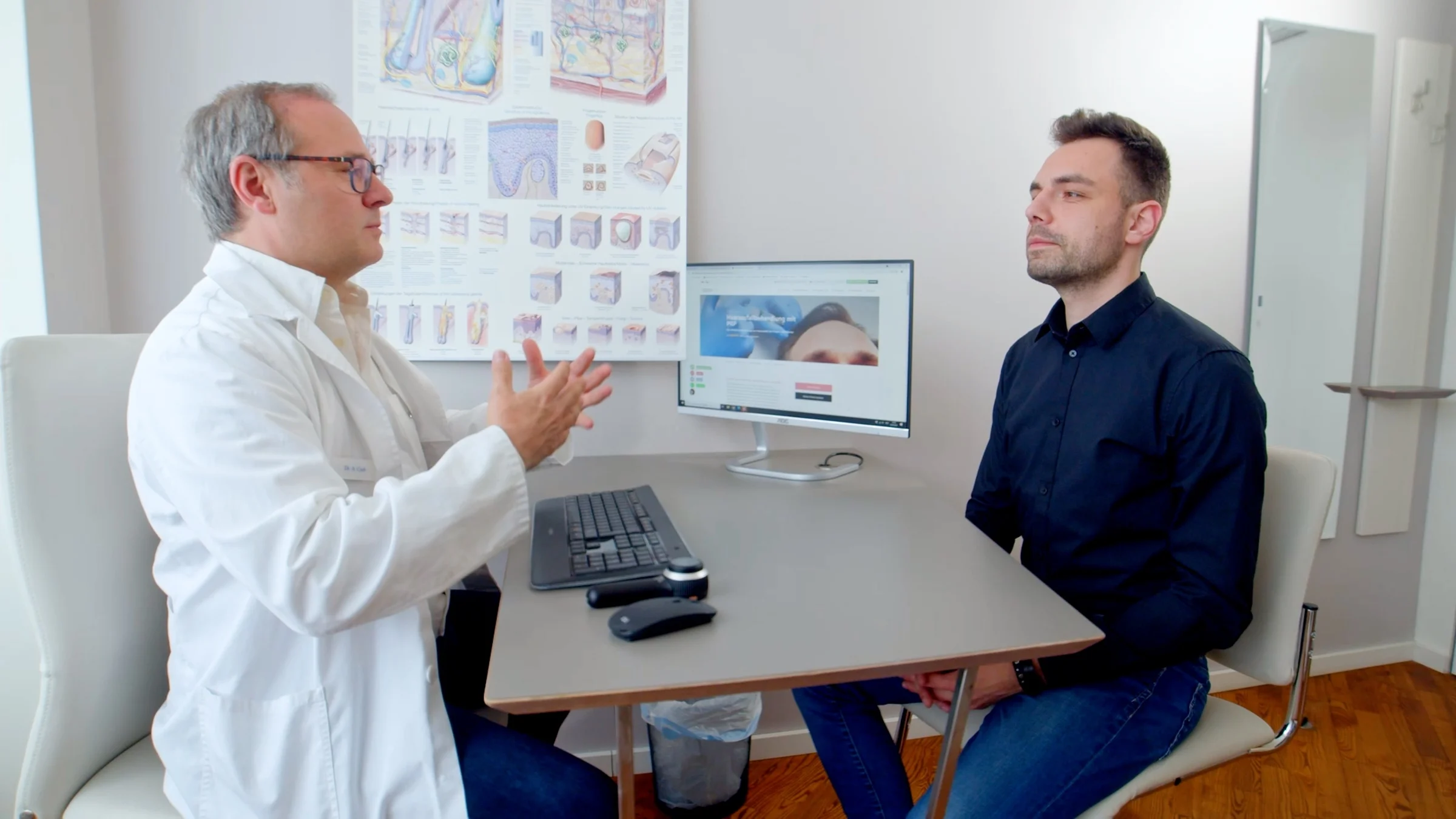
A professional consultation is especially recommended if you notice one or more of the following:
-
Sudden, heavy shedding that is unlike anything you have experienced before.
-
Clear thinning or bald patches on the scalp.
-
Itching, redness, pain or sensitivity alongside the hair loss.
-
Worsening despite changes to your diet and routine.
-
Hair loss after childbirth that lasts longer than seems reasonable to you.
-
A family history of significant thinning, with changes starting to appear in you too.
What is checked in a clinical consultation
A good consultation does not start with treatment, but with the right questions. When did it start, is there a clear trigger, what does the scalp look like, is it breakage or shedding from the root, and what is your general and hormonal health background?
In some cases, a combination is needed: a clinical examination, a look at the thinning pattern, a review of blood tests and a decision on whether medical treatment, monitoring alone or a lifestyle change is needed.
Early diagnosis is not meant to "sell a treatment". It is meant to distinguish between a relatively reversible condition and one in which every month of waiting reduces the chances of improvement.
When a proper medical assessment is needed, it is important to choose a setting that works on a personalised basis rather than a fixed template. If you would like to get to know the medical team, you can also visit the page on Dermacare's doctors.
Advanced clinical treatments to stop hair loss and encourage growth
When a change in routine is not enough, you move on to the next stage. Not every patient needs the same treatment, and not every treatment suits every type of hair loss. The decision depends on the cause, how long the process has been going on, the condition of the scalp, the patient's age and realistic expectations.
PRP
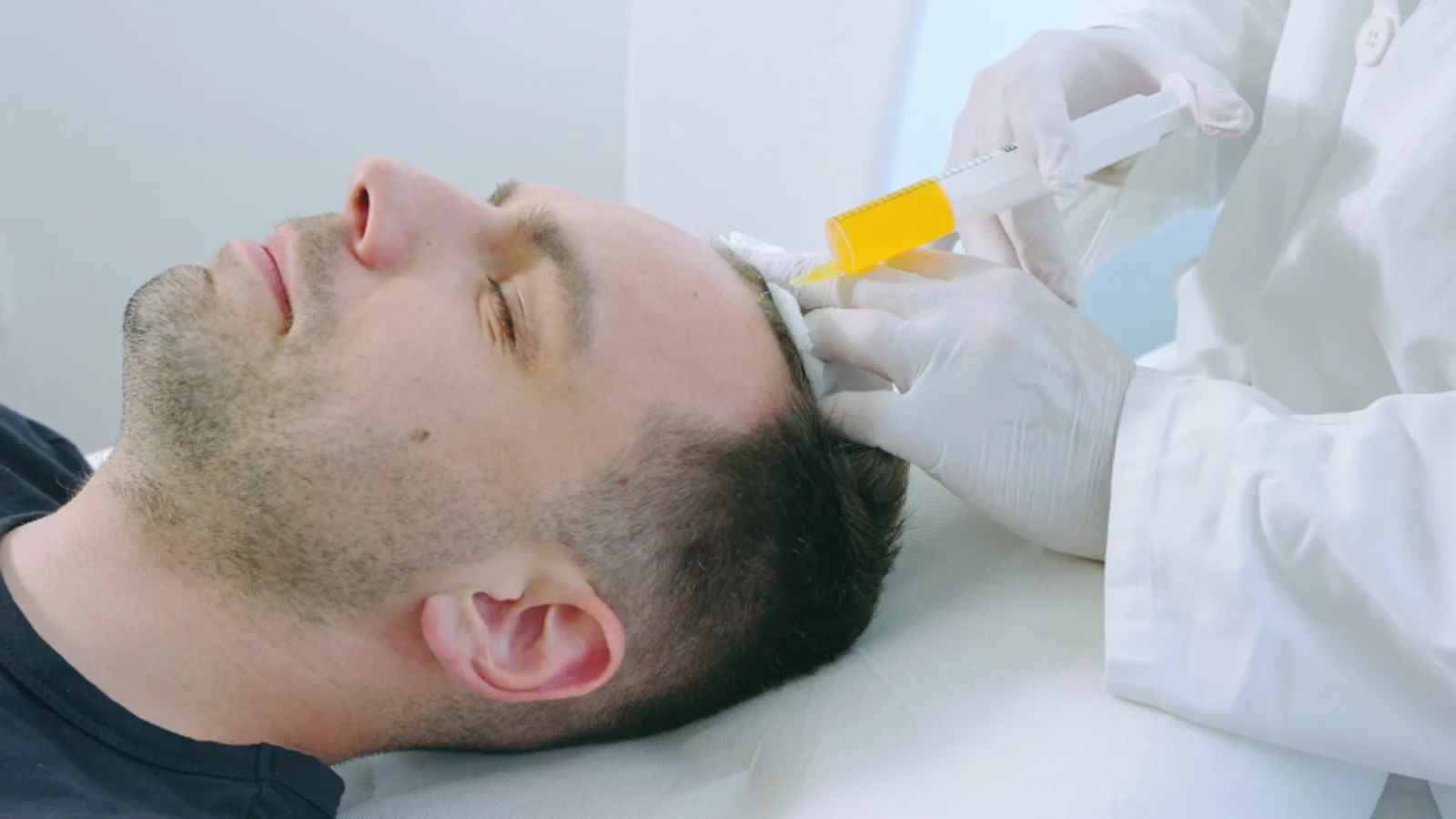
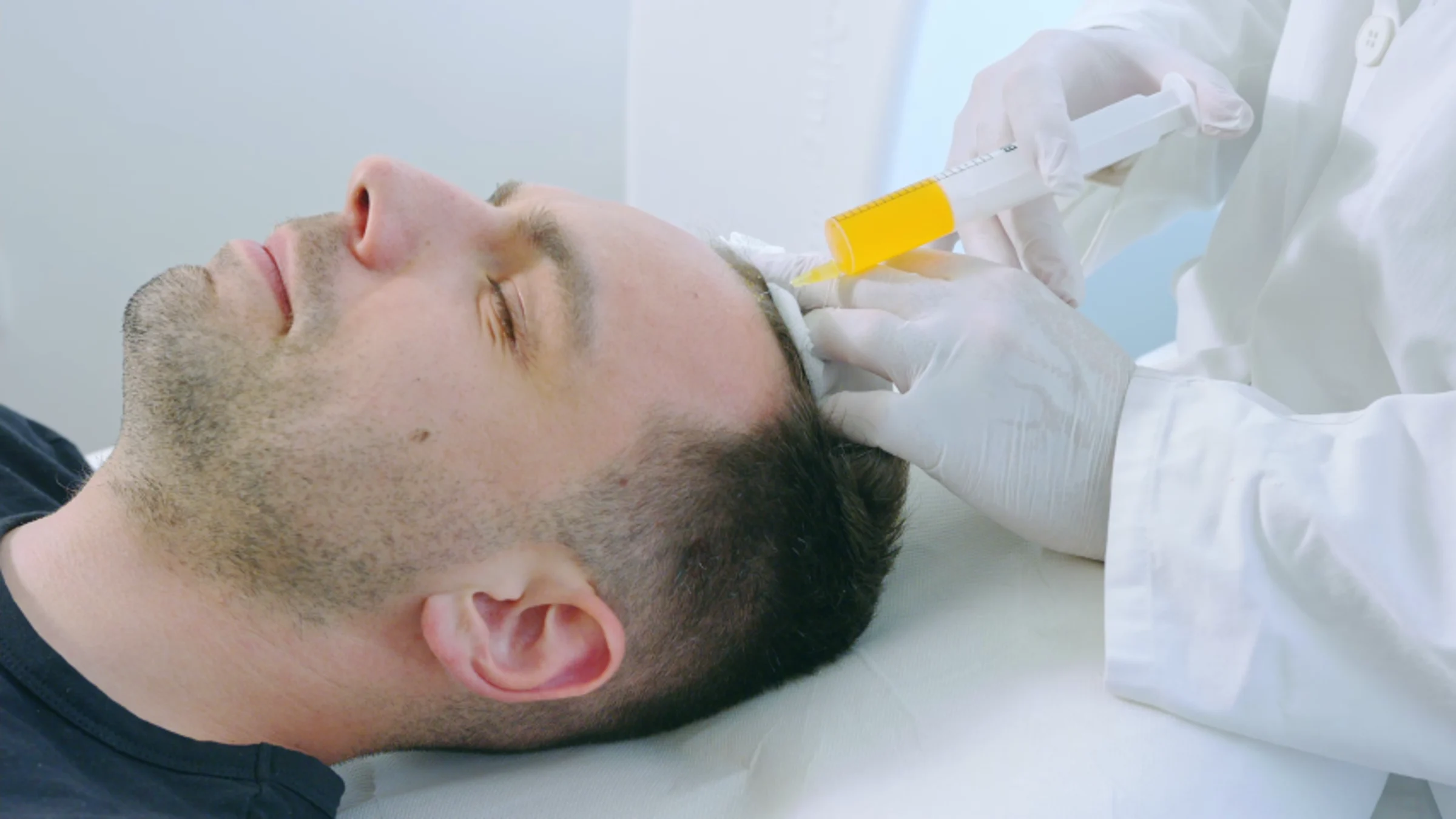
PRP treatment is based on plasma derived from the patient's own blood, after processing that concentrates components associated with stimulating regeneration. The aim is to improve the follicle's environment and encourage activity in weakened follicles that have not yet lost their potential.
Who it may suit:
-
Mild to moderate hair loss
-
Thinning at relatively early stages
-
Cases in which follicles are active but weak
What the process at the clinic involves:
-
A medical history and suitability assessment
-
Drawing blood and processing the plasma
-
Targeted injection into the treatment areas
-
Aftercare instructions and monitoring of the response
In hair loss treatment with PRP, the focus is usually on patients for whom there is a clinical rationale for stimulating existing follicles, rather than cases in which the area has already lost significant follicular activity.
Polynucleotides
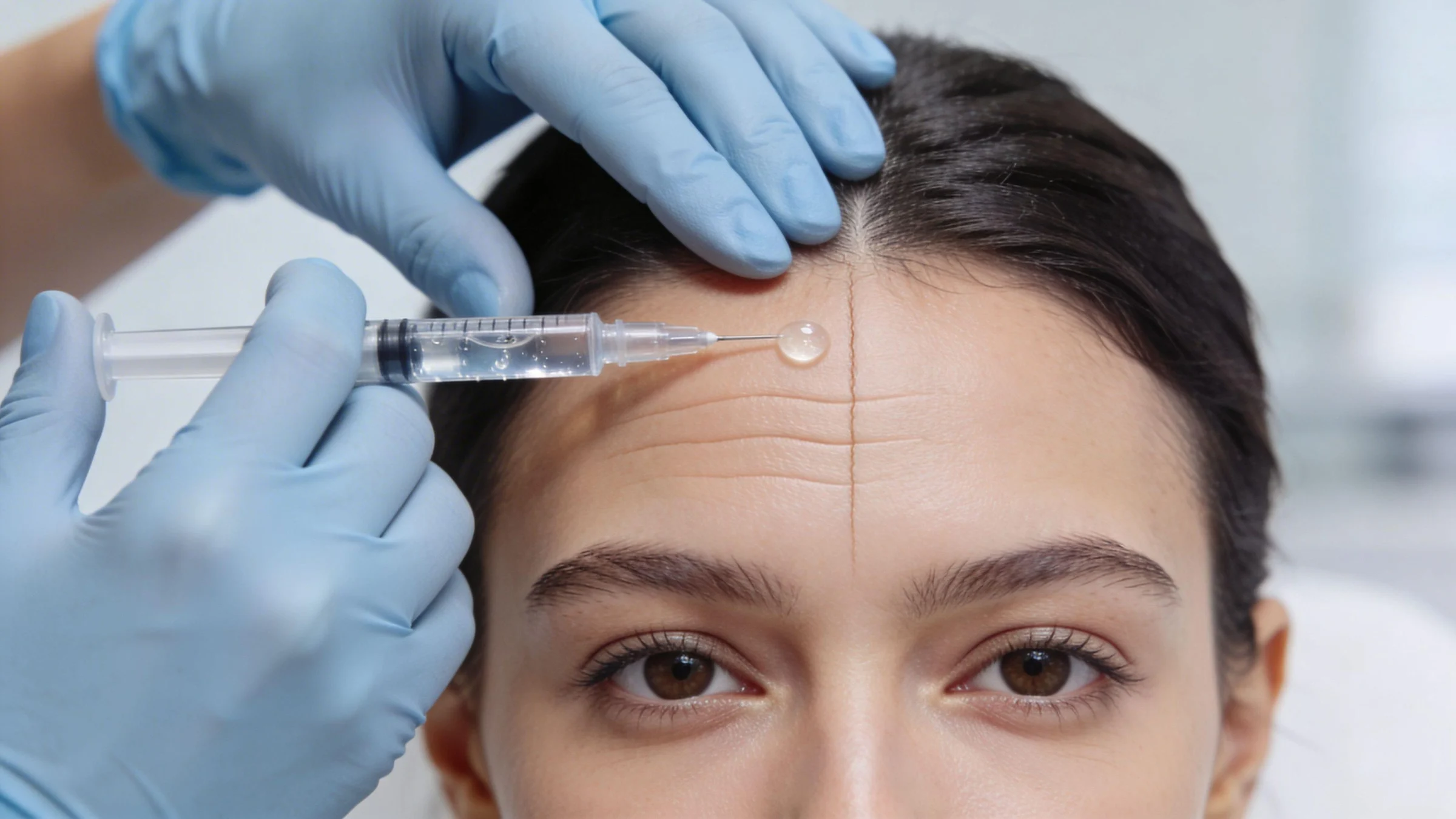
This is a treatment designed to support tissue regeneration and the quality of the biological environment of the treated area. In the context of hair, the idea is not just to "grow hair", but to improve the condition of the scalp and the support for the follicle.
Who it is relevant for:
-
Patients with poor tissue quality
-
People who need the scalp environment to be restored
-
Sometimes as part of a combined programme rather than as a stand-alone treatment
The clinical advantage lies in the broader approach. Not only activating the follicle, but trying to improve the ground in which it works.
Medication
There are situations in which it is right to consider topical or oral treatment, but this is an area that requires medical supervision. Medicines such as minoxidil or finasteride are not "harmless off-the-shelf products", even though they are very widely used.
It is worth understanding the trade-offs:
| Option | The advantage | What you need to know |
|---|---|---|
| Topical treatment | Relatively accessible and fits into your routine | Requires persistence, and sometimes causes local irritation |
| Oral treatment | May be suitable in some cases | Requires medical assessment and a review of possible side effects |
| Combined treatment | Suitable when several factors are involved at the same time | Requires careful planning and monitoring |
What works and what works less well
What usually works is a personalised approach: a combination of identifying the cause, correcting deficiencies, treating the scalp and making an informed choice of clinical treatment.
What works less well:
-
Switching between shampoos in the hope of a substantial change
-
Buying random supplements without a diagnosis
-
Repeatedly starting and stopping treatment
-
Expecting to see real change within a very short time
This is also where clinical experience comes in. The right treatment is not just the procedure itself, but tailoring the protocol, choosing suitable candidates, managing expectations and providing guidance for the next steps.
Summary and the way forward
How can you prevent hair loss? It starts with a simple understanding: you do not just treat the hair that has fallen out, but the cause that weakened it. Sometimes that starts with nutrition, sometimes with blood tests, sometimes with a change in your hair-care routine, and sometimes a more precise medical intervention is needed.
The right approach combines everyday awareness with a timely professional diagnosis. Not all hair loss requires clinical treatment, but not all hair loss will go away on its own either. When you act early, you get a clearer picture and can choose a sensible, responsible and personalised treatment path.
Want to find out exactly what is right for you? The Dermacare team will be happy to assess the condition of your skin, the right type of treatment and realistic expectations in a professional, personal and precise way. To book a consultation, contact us here.
Frequently asked questions
Not always. There are situations in which the hair loss is temporary and the follicle is only "sleeping", and there are situations in which thinning progresses over time and harms the ability to recover. That is why it is important not to wait until the change becomes chronic. The sooner you understand the cause, the more options for action there are.
In men, a more focal pattern is often seen, such as a receding hairline or thinning at the crown. In women, the picture is sometimes more diffuse, with a decrease in overall volume without a sharp bald patch. Hormonal changes also play a more significant role in women throughout life.
Sometimes yes, but only if they address a real deficiency. A supplement that is good for one patient may be completely unnecessary for another. The problem is that quite a few people take several supplements at the same time without knowing what is actually missing, and then also find it hard to understand what is having an effect and what is not.
A food supplement does not replace a diagnosis. If there is no deficiency, it will not necessarily solve the hair loss.
With hair, patience is needed. Even when the treatment is right, the change appears gradually because the growth cycle is slow. Usually a trend is assessed, not a single day or a single week. What matters is whether the hair loss is settling, whether there is less breakage, and whether you begin to see improvement in fullness and hair quality over time.
Yes, in many cases it is a natural phenomenon. According to published information on postpartum hair loss, postpartum hair loss results from a sharp drop in oestrogen levels, is usually temporary and lasts between 6-12 months. Supportive nutrition and stress management can help, and in persistent cases treatments such as PRP can also be considered after a suitability assessment.
No. Shampooing does not "create" hair loss, but during shampooing you see hairs that have already completed their life cycle, so it seems that the hair loss is greater. What can cause harm is aggressive friction, very hot water, harsh drying or unsuitable use of hair products.
Not at all. Genetics has an influence, but it does not rule out treatment. In genetic conditions, the goal is usually to slow down the process, preserve existing density and support follicles that are still active. That is why timing matters here too. Not every case can be "turned back", but in many cases it is possible to improve and stabilise.