In brief
- Laser tattoo removal is done in a series of usually 6 to 12 treatments, spaced 6 to 8 weeks apart.
- Shortening the intervals does not shorten the process; it only increases the risk of irritation, blisters, scars or pigmentation disorders.
- It is recommended to avoid tanning for four weeks before and after treatment, and to avoid saunas and physical exertion for 24 to 48 hours after each treatment.
- The treatment itself lasts from a few seconds to a few minutes, and many people describe a sensation similar to a rubber band snapping.
- The price depends on the size of the tattoo, its colours, its depth and the number of treatments, and health funds usually do not cover it.
In brief: Laser tattoo removal is carried out in a series of treatments, usually spaced 6 to 8 weeks apart. During each treatment, the laser energy breaks down the ink pigment into tiny particles, which the body gradually clears away naturally. It is recommended to start the process when the skin is not tanned, to reduce the risk of pigmentation changes. The duration of the process and the total cost vary according to the size of the tattoo, the ink colours, the skin type and your individual response to treatment.
The process in brief – 6 main stages
- Initial consultation – assessing skin type, ink colours, the depth and location of the tattoo, building a personal treatment plan and setting expectations.
- Preparing for treatment – avoid tanning for four weeks before the treatment, and arrive with clean skin in the treatment area, without open wounds or active lesions.
- The treatment itself – lasts from a few seconds to a few minutes, depending on the size and complexity of the tattoo.
- Recovery between treatments – after the treatment you should avoid physical exertion and exposure to heat for 24-48 hours, such as a sauna. You should also avoid increased friction in the area, for example from wearing tight clothing. If needed, you can cool the area, and you should avoid sun exposure and tanning on the tattoo area for four weeks before and after the treatment.
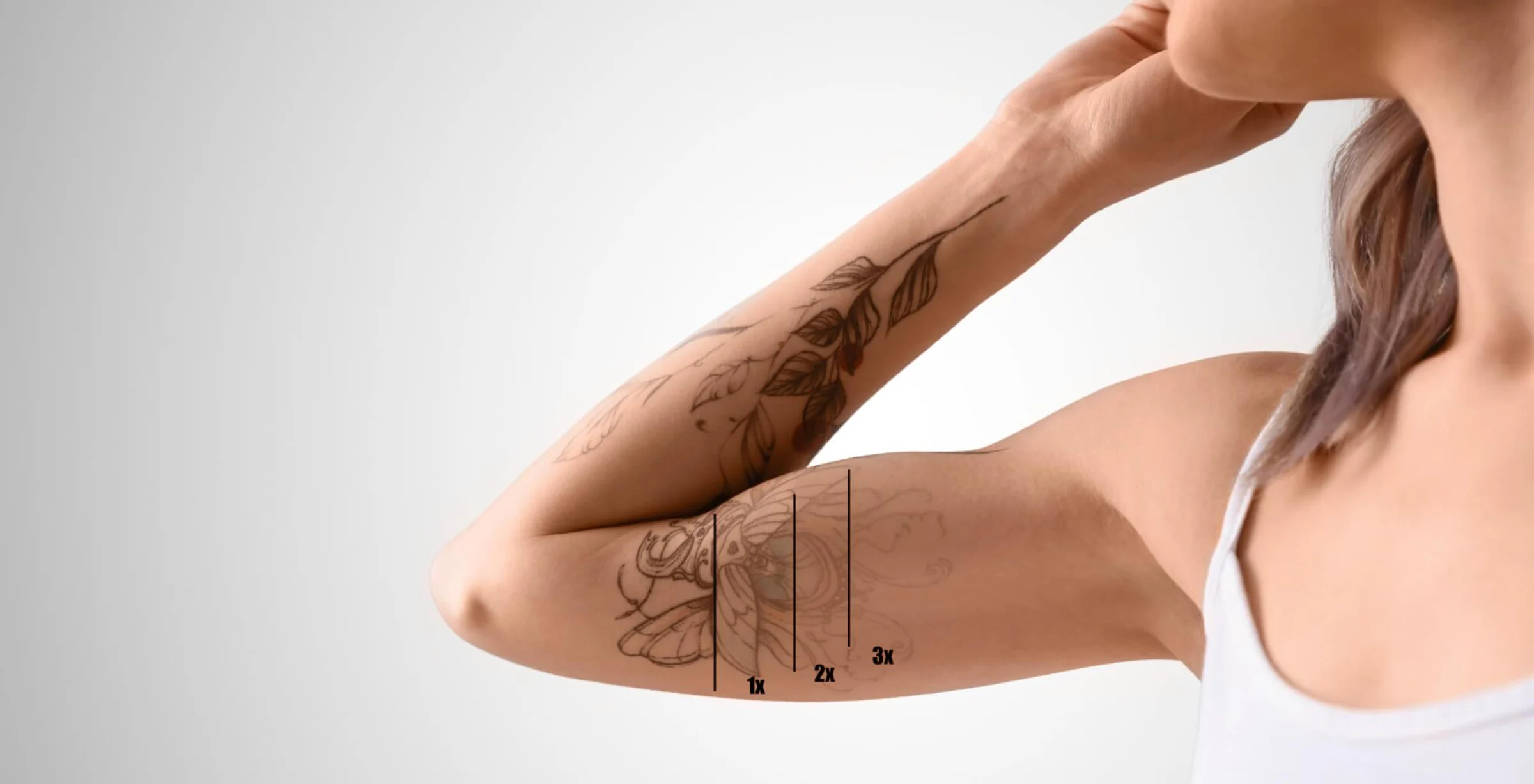
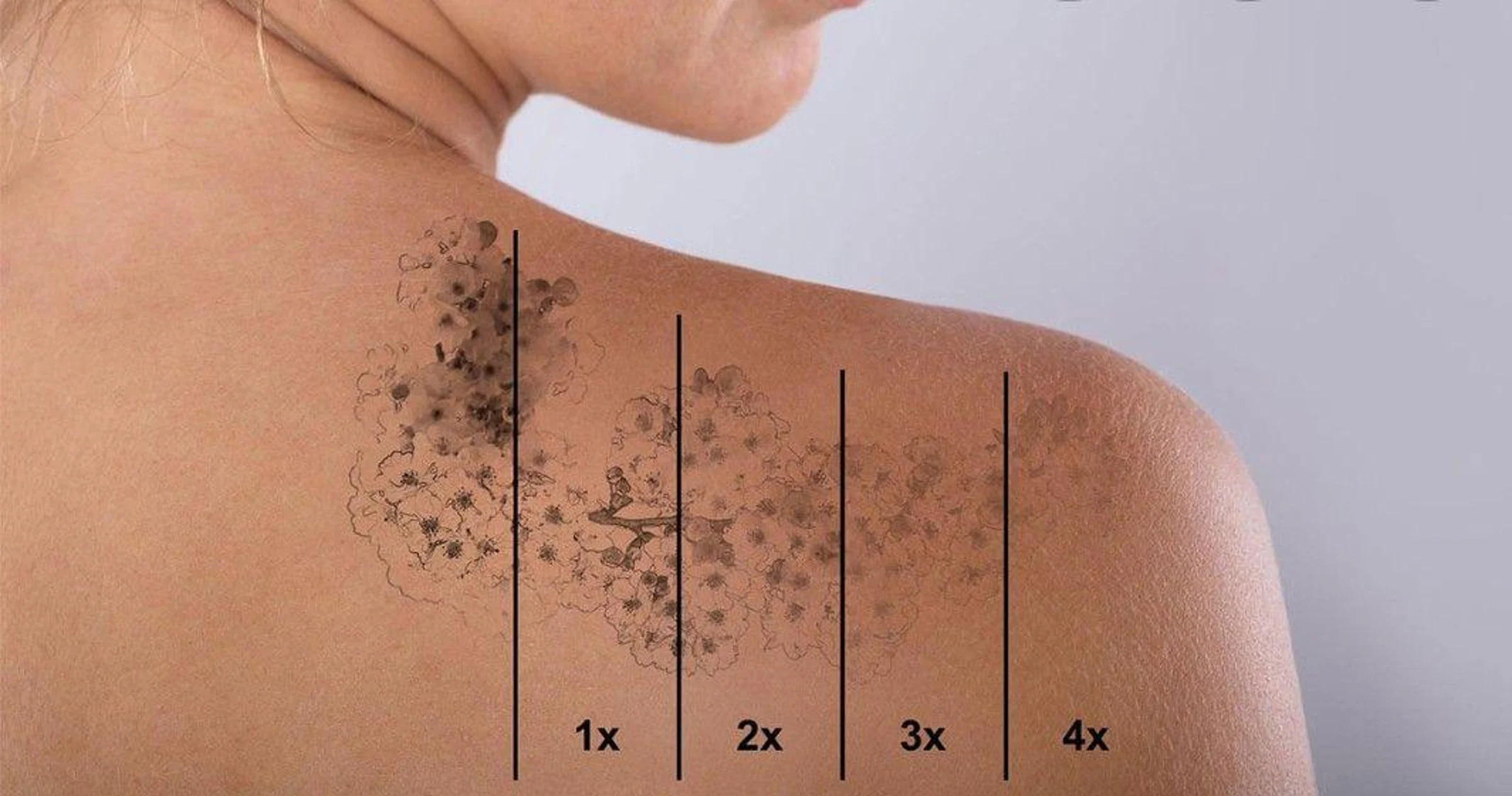
- Follow-up sessions – on average, 6-12 treatments are needed to remove a tattoo, spaced 6-8 weeks apart. The number of treatments required depends on various factors: the size of the tattoo, its colours, its depth, metabolic rate and skin type.
- Final assessment – reviewing the result and providing guidance on continued skin care.
How does the laser tattoo removal process work?
What the laser does to the ink pigment
In laser tattoo removal, the laser energy is absorbed by the ink pigment deep in the skin and breaks it down into tiny particles. The body then gradually clears these particles away via the lymphatic system. That is why sufficient time is needed between treatments, to allow the body to clear the ink particles and bring about a gradual fading of the tattoo before the next treatment. For more information on the principles of the treatment, you can consult the American Academy of Dermatology (AAD) guide.
Why the body needs time between treatments
The usual interval between treatments is about 6 to 8 weeks, for two reasons: the body needs time to clear the broken-down ink, and the tissue needs time to heal. Shortening the intervals does not shorten the process – it only increases the risk of irritation, blisters, scars or pigmentation disorders.
Why timing affects the result
Tanned skin vs. untanned skin
When the skin is tanned, the amount of melanin in it increases. Melanin absorbs more laser energy, so the risk of irritation or dyspigmentation rises. Sometimes the treatment protocol and device settings need to be adjusted for safety reasons when there is a tan or darker skin – which is why it is better to start the laser tattoo removal process when there is no active tan. In addition, according to the StatPearls review, darkly pigmented skin (types IV-VI on the Fitzpatrick scale) requires the removal treatment to be carried out with care and precise adjustment of the laser to avoid damaging the skin.
The consultation stage – how a personal treatment plan is built
Assessing skin type, colours and tattoo depth
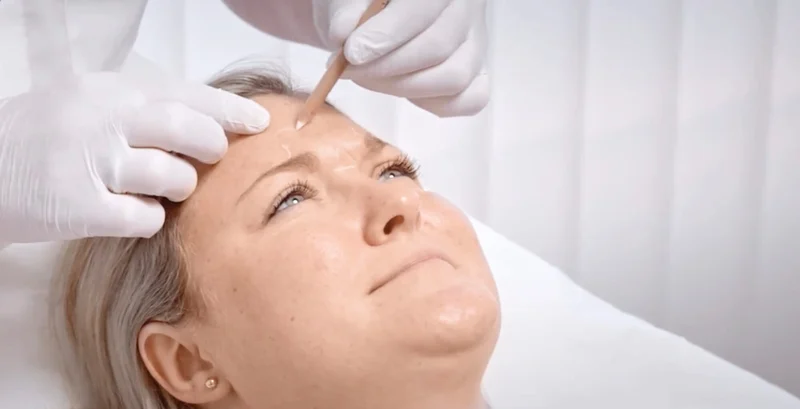
In a professional consultation, all the relevant parameters are checked: the size of the tattoo, ink layers, dominant colours, location on the body, skin type (according to the Fitzpatrick scale), tendency to scarring and medical history. For example, on the neck, which is usually more exposed to direct sun, it is especially important to follow the practitioner's aftercare instructions. The aim is to estimate how many treatments will be needed, and to build a safe schedule and realistic expectations.
Setting expectations
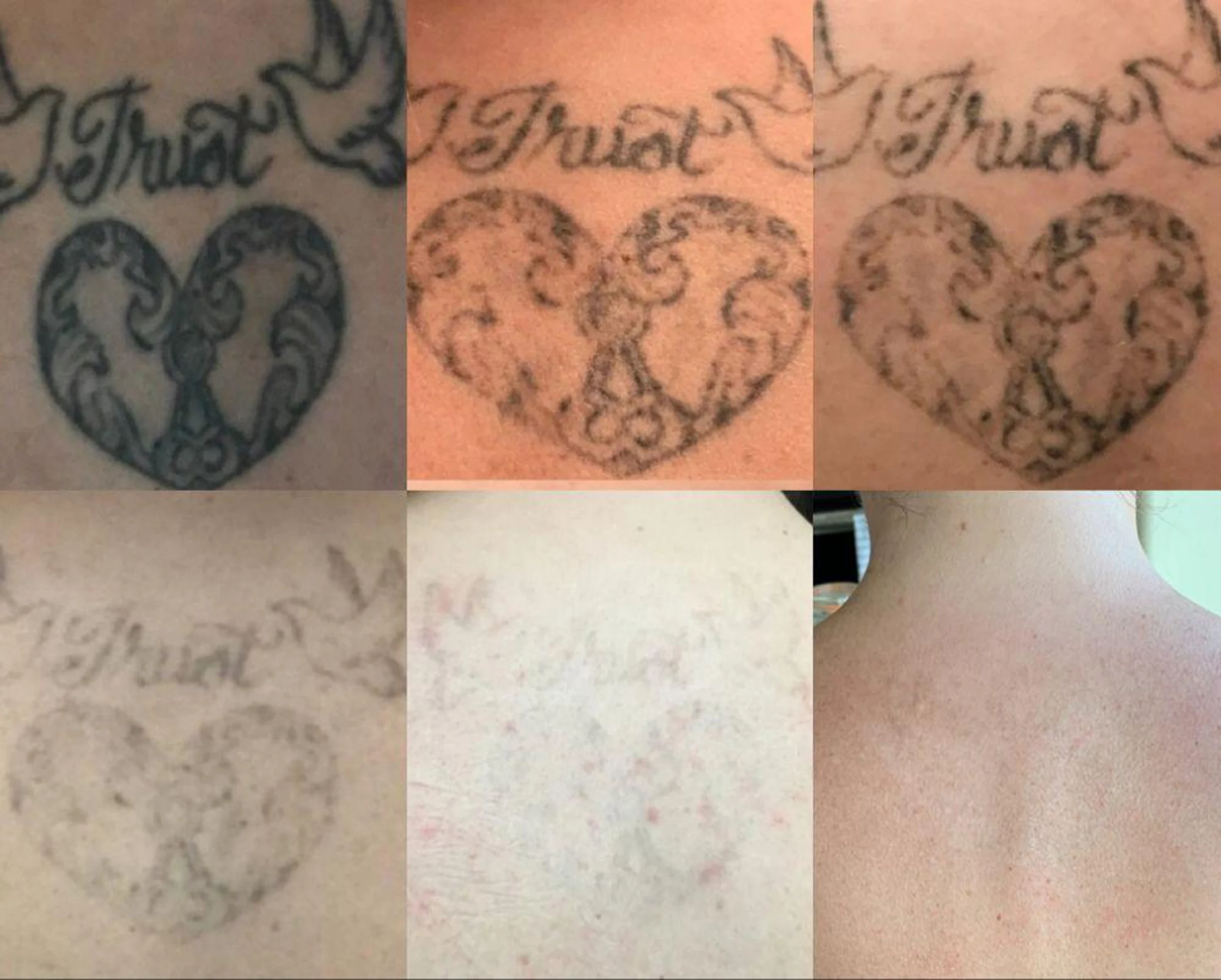
Before starting a course of laser tattoo removal, it is recommended to look at "before and after" records of previous patients – not to expect an identical result, but to understand the realistic range of outcomes. You can see real examples of tattoo removal results on the Dermacare website.
The treatment itself – what happens in the treatment room
Cooling and safety
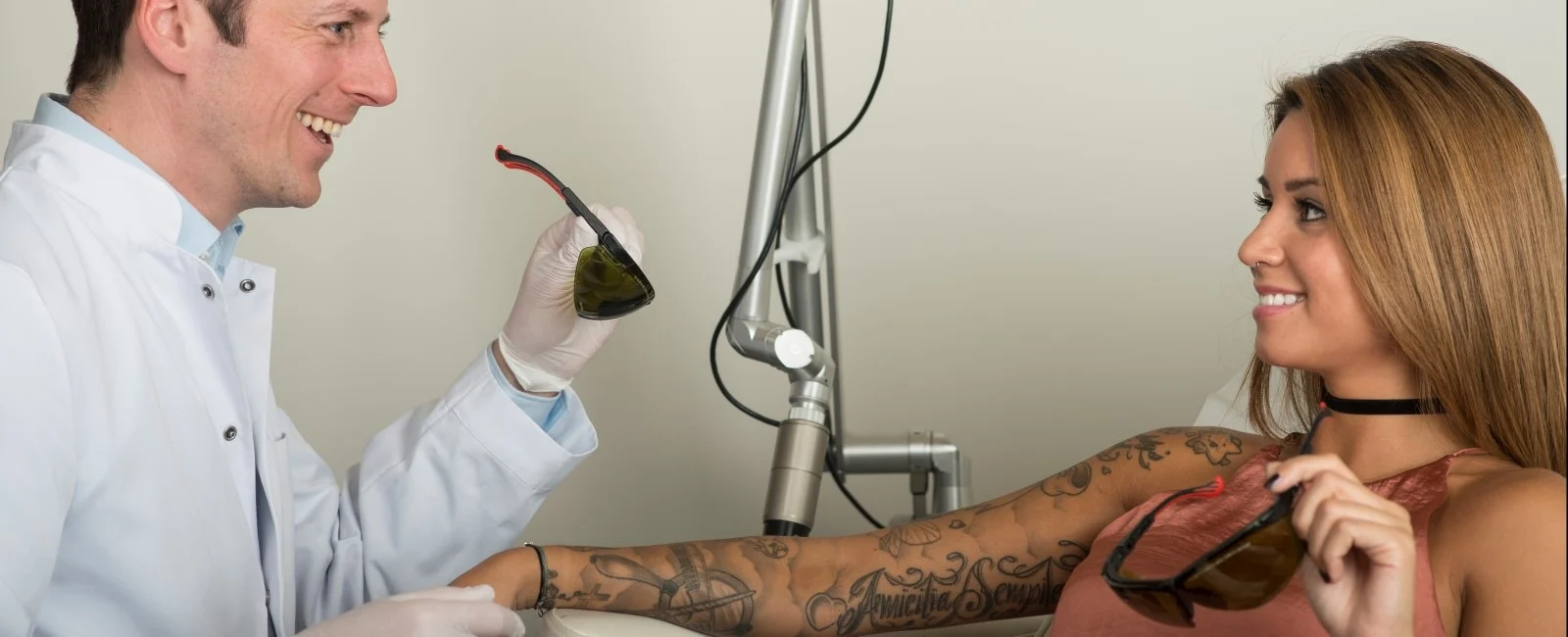
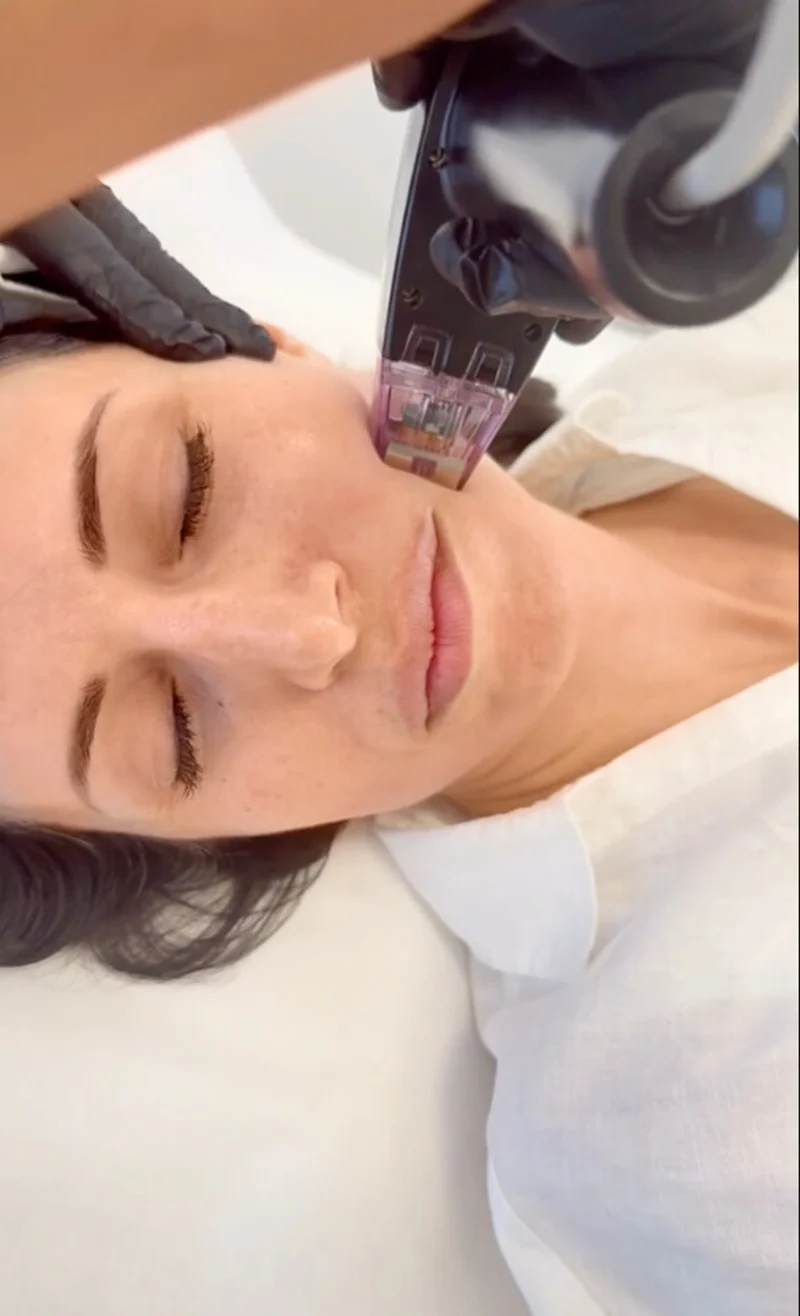
The treatment may be unpleasant – many patients describe the sensation as similar to a rubber band snapping against the skin. To reduce discomfort, cooling is used during the treatment, and sometimes an anaesthetic cream is applied about one to two hours before it begins. In addition, a cooling gel is applied after each treatment to soothe the area.
How long does a tattoo removal treatment take?
The treatment itself lasts from a few seconds to a few minutes, depending on the size and complexity of the tattoo. However, the length of the clinic visit also includes the preparation stages, applying anaesthetic cream if needed, eye protection, cooling the area after the treatment and giving aftercare instructions. That is why the appointment is usually allotted more time than the treatment itself.
Tattoo removal by size: time, number of treatments and costs
The following table is a planning estimate only. Factors such as ink colours, tattoo depth, tattoo age, location on the body and skin type can change the figures. Its purpose: to give an initial roadmap for planning a schedule and costs.
| Tattoo size | Average number of treatments | Interval between treatments | Estimated total time | Estimated cost |
|---|---|---|---|---|
| Small tattoo | 6-10 | 6-8 weeks | 6-12 months | From ILS 250 per session, ILS 1,500-3,000 per course |
| Medium tattoo | 6-12 | 6-8 weeks | 6-18 months | From ILS 400 per session, ILS 3,000-6,300 per course |
| Large or coloured tattoo | 10-14 | 6-8 weeks | A year or more | From ILS 800 per session, at least ILS 5,600 per course |
What can lengthen or shorten the removal process?
Several factors affect the rate of progress. In cases of coloured tattoo removal, more sessions are needed, because colours such as green, blue and yellow are more stubborn than black ink. The depth of the ink in the skin, tanning or not following the recovery instructions can also lengthen the course. Location on the body also has an effect: areas far out on the limbs may be more challenging, and a new tattoo will require more treatments. By contrast, black and dark tattoos, and skin that has been well protected from direct sun for a long time, usually progress more predictably and quickly.
Laser tattoo removal – instructions before and after treatment
Before the treatment – dos and don'ts
- Avoid prolonged sun exposure and tanning on the tattoo area for four weeks before the treatment.
- Arrive with clean skin on the tattoo area, without perfume, creams or oils.
- Arrive without open wounds on the tattoo area.
- Inform the treating team about any medications, skin diseases, tendency to scarring or other cosmetic treatments performed on the tattoo area.
After the treatment – sun, sport and water
In the first 24 hours after the treatment there may be redness, mild swelling or sensitivity in the tattoo area. It is recommended to avoid intensive physical activity and exposure to heat (sauna, hot bath) for 24-48 hours after the treatment and to cool the area if needed. The safest option is to cover the tattoo with clothing or a large plaster that completely blocks direct sun. If the treatment was intensive, such as removing large coloured tattoos, it is important to keep the treated area dry and clean for the first 48 hours after the treatment (so avoid prolonged soaking, such as swimming).
Side effects after tattoo removal – what is normal?
Common effects
- Redness and mild swelling for a few hours
- Itching during the healing stage
Warning signs that require a check-up
- Significant pain that gets worse, local heat or a pus-like discharge
- Small blisters or scabs appearing with older technologies (usually when removing complex, coloured tattoos)
- Redness that spreads quickly
- A wound that does not heal or a suspected scar
How much does tattoo removal cost – what makes up the price
The price of tattoo removal is determined by several main factors:
- The size of the tattoo and the treatment time required
- The colours of the tattoo – some colours are more stubborn and require additional treatments
- The depth of the ink
- The expected number of treatments (a full course)
- The complexity of the tattoo
Good to know: health funds usually do not cover the cost of tattoo removal. Unusually cheap tattoo removal may indicate cheap equipment, an improper protocol or a lack of sufficient experience on the part of the practitioner – which increases the risk of burns, pigmentation changes or scarring. The FDA notes that tattoo removal involves possible risks such as pain, infection and scarring, so it is important that the treatment is carried out by a qualified professional using suitable, advanced technology.
Why choose the Dermacare clinic for tattoo removal?
At the Dermacare clinic, we begin every treatment with a professional assessment and a personalised treatment plan based on the influencing factors (the size of the tattoo, ink colours, its complexity, skin type, medications and more), set realistic expectations for the treatment results and accompany you throughout the course of treatments with clear instructions for recovery and for preventing complications. The aim is not to "take shortcuts", but to carry out the removal in the most professional and responsible way, with follow-up throughout and using the most advanced equipment on the market for the best results and to protect your skin throughout the process. If an organised process, personal support and well-founded decisions are important to you, we will be happy to book a consultation and tailor a tattoo removal plan for you.
Contact us: 03-6127888 | info@dermacare.co.il | Book an appointment online
This article was written by Eduard Yusupov, a specialist in tattoo removal and aesthetic treatments since 2010 and owner of the Dermacare clinics in Austria and Israel | Last updated: March 2026. The information in this guide is general and does not replace personal medical advice.
Frequently asked questions
There is no uniform price that suits everyone. The price of laser tattoo removal for a single treatment is influenced mainly by the size and complexity of the tattoo. At Dermacare, prices start from ILS 250 for treating a small tattoo, ILS 400 for a medium tattoo and ILS 800 for a large tattoo (following assessment).
In most cases it is a matter of months rather than weeks, because you have to wait between treatments to allow the ink to clear gradually and the skin to heal. An average series of treatments lasts between 6-18 months, a small tattoo may be finished within 6-12 months, and a large or colourful tattoo may take a year or more. Planning around periods with less tanning makes it easier to follow the instructions and reduces risks.
The number of treatments depends on the size, colours and depth of the tattoo, its age and your skin type. On average this means 6 to 12 sessions, and colourful tattoos may require 10-14 treatments. Some patients see a significant change after just one or two treatments, but complete disappearance requires a longer course. The reason: each treatment breaks down another layer of pigment, and the body needs time to clear it gradually. For more details, see how long does it take to remove a tattoo with laser.
It can. In summer it is harder to avoid prolonged direct sun exposure and to maintain cover and protection, which raises the risk of pigmentation spots and slow healing. Strict sun protection, covering the tattoo and careful adherence to the instructions are required.
Prolonged direct sun exposure or tanning about four weeks before and after the treatment date can increase the chance of pigmentation changes and prolong the healing time.
Not necessarily. Even if two patients undergo the same treatment, the pace and pattern of lightening vary according to ink colour, depth, tattoo location, immune system and skin type. Therefore, before and after photos of the tattoo removal process are a tool for understanding the range of results – not a promise of an identical picture. You can see examples on the before and after page.
This is a safe treatment, but there are situations that require caution or postponement: pregnancy and breastfeeding, a tendency towards abnormal (keloid) scarring, an active infection in the tattoo area, or medical conditions that require personal adjustment. The AAD also states that pregnant or breastfeeding women should avoid laser removal treatments. In addition, a healthy immune system is a necessary condition for the success of the process. Therefore, a preliminary consultation and openness with the practitioner are extremely important.