
In brief
- In most cases, complete or near-complete tattoo removal can be achieved with a pico laser, but the result depends on the ink colour, its depth, the skin type and the location of the tattoo.
- A pico laser works with pulses a thousand times shorter than a nano laser, and usually fewer treatments are needed with a reduced chance of scarring.
- Black ink responds best, while light colours such as yellow and white are more challenging and are sometimes significantly lightened without disappearing completely.
- Treatments are carried out at intervals of 6-8 weeks, and the body continues to clear the pigment for weeks after the last session.
- Avoid prolonged direct sun exposure for four weeks before and after each treatment, and do not remove scabs or pop blisters.
In short: The question of whether a tattoo can be removed 100% concerns many patients, and in most cases complete or near-complete removal of a tattoo can be achieved using advanced laser technology such as pico laser. However, the result depends on several main factors: the colour of the ink and its components, the depth of the ink in the skin, the skin type and the location of the tattoo on the body. Studies show that not every tattoo responds to laser removal in the same way. That is why it is important to have a professional consultation, in which a personal assessment is carried out according to defined clinical parameters in order to set expectations before starting the process.
Removing a tattoo "100%" – what does it actually mean?
When talking about 100% tattoo removal, it is important to understand what it means in practice. Complete removal means that the skin looks even in normal lighting and at conversational distance, with no visible difference between the tattoo area and the surrounding skin. This is the accepted definition of success.
A distinction should be made between a situation in which no ink can be seen with the naked eye – which is the goal – and a reality in which there may be microscopic remnants of pigment in the deep layers of the skin that are not visible at all. In practical terms, the skin looks clean and natural.
Sometimes, after the series of treatments, a slight "shadow" may remain that is not ink at all but a temporary pigmentation change in the skin itself. This usually disappears on its own within a few months, as the skin naturally completes its renewal process.
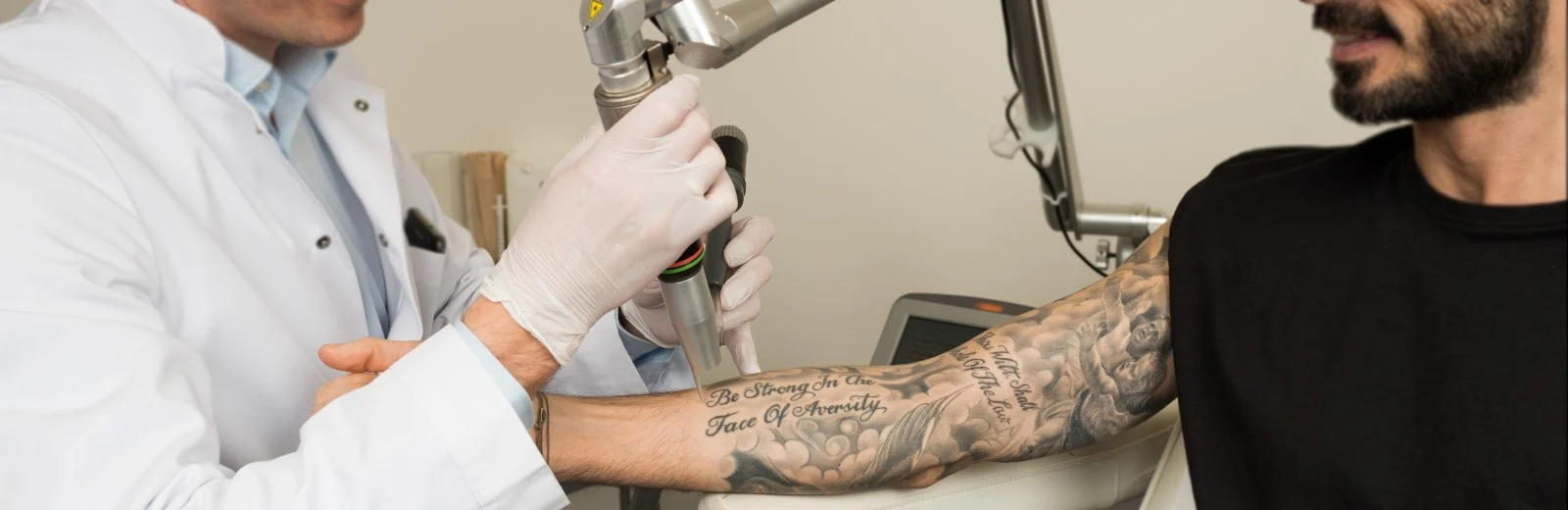
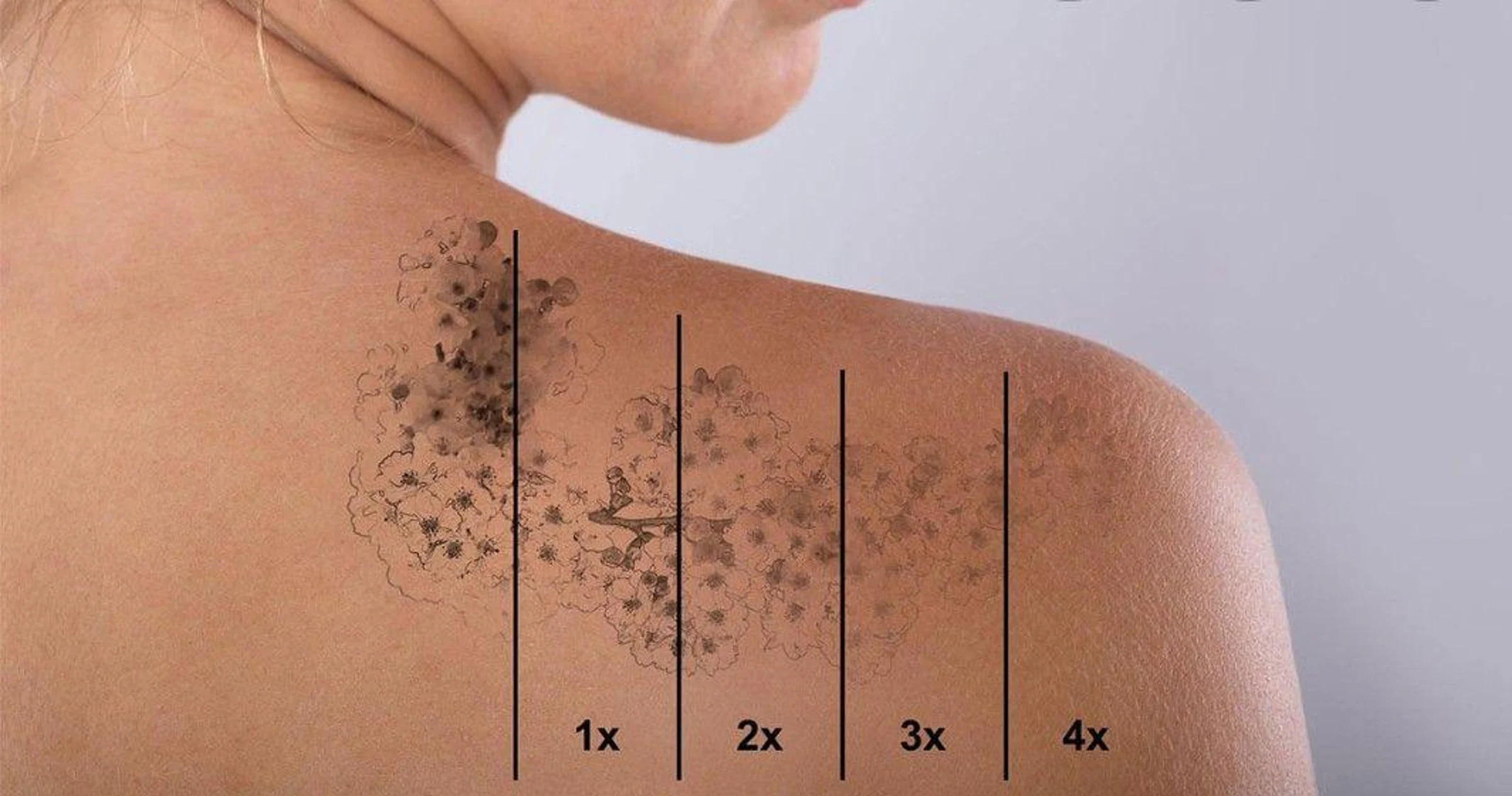
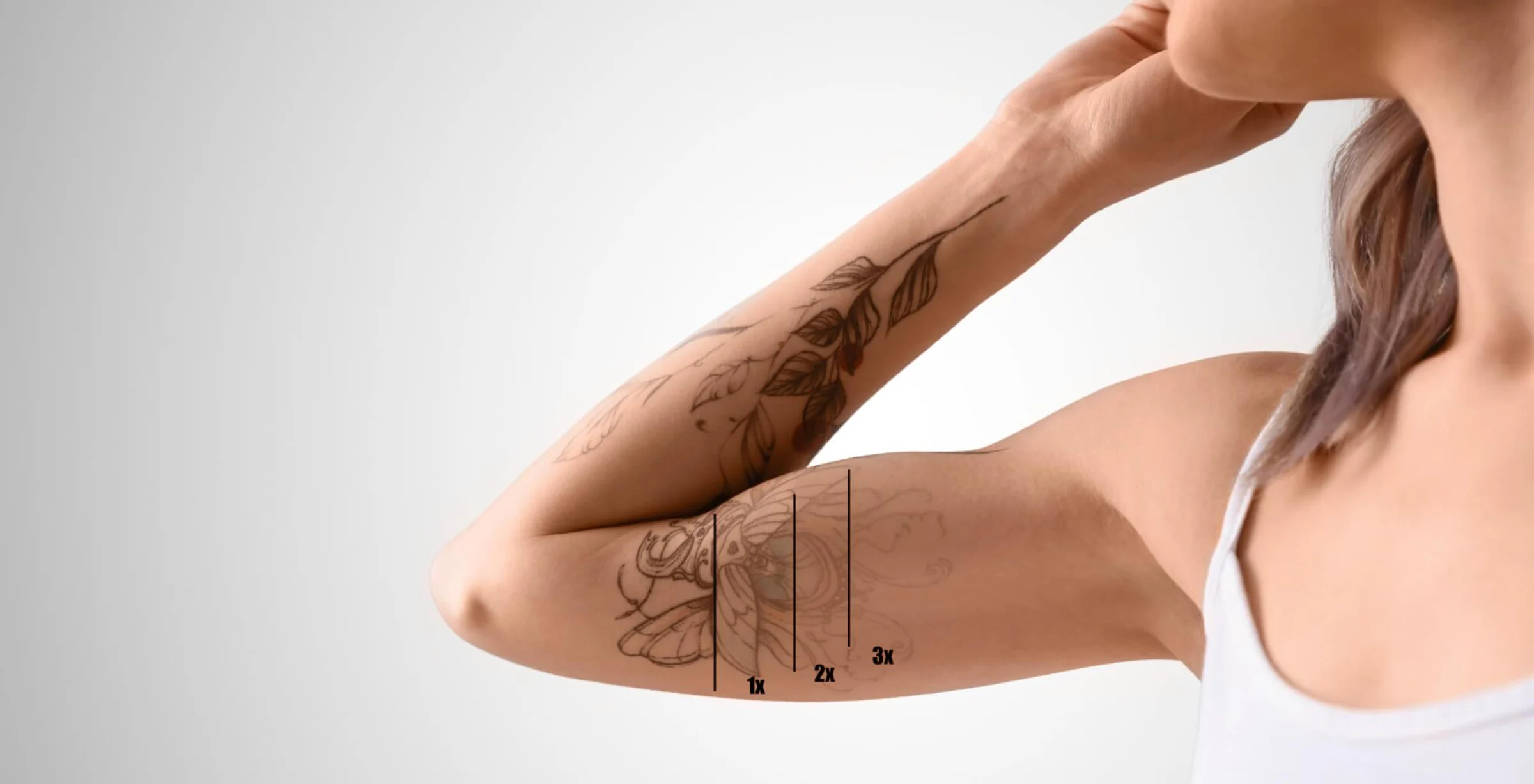
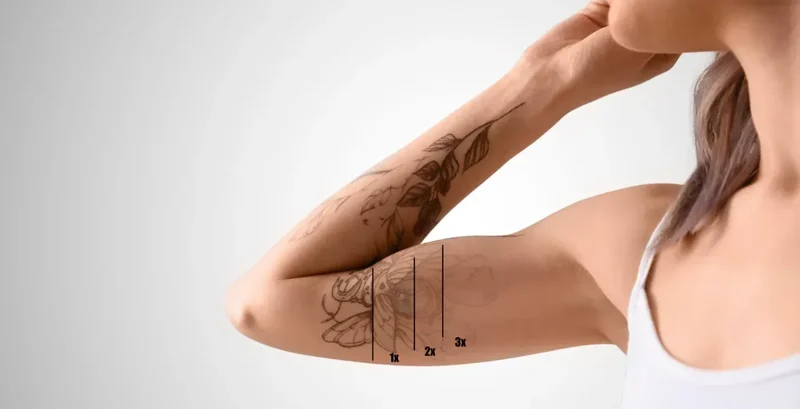
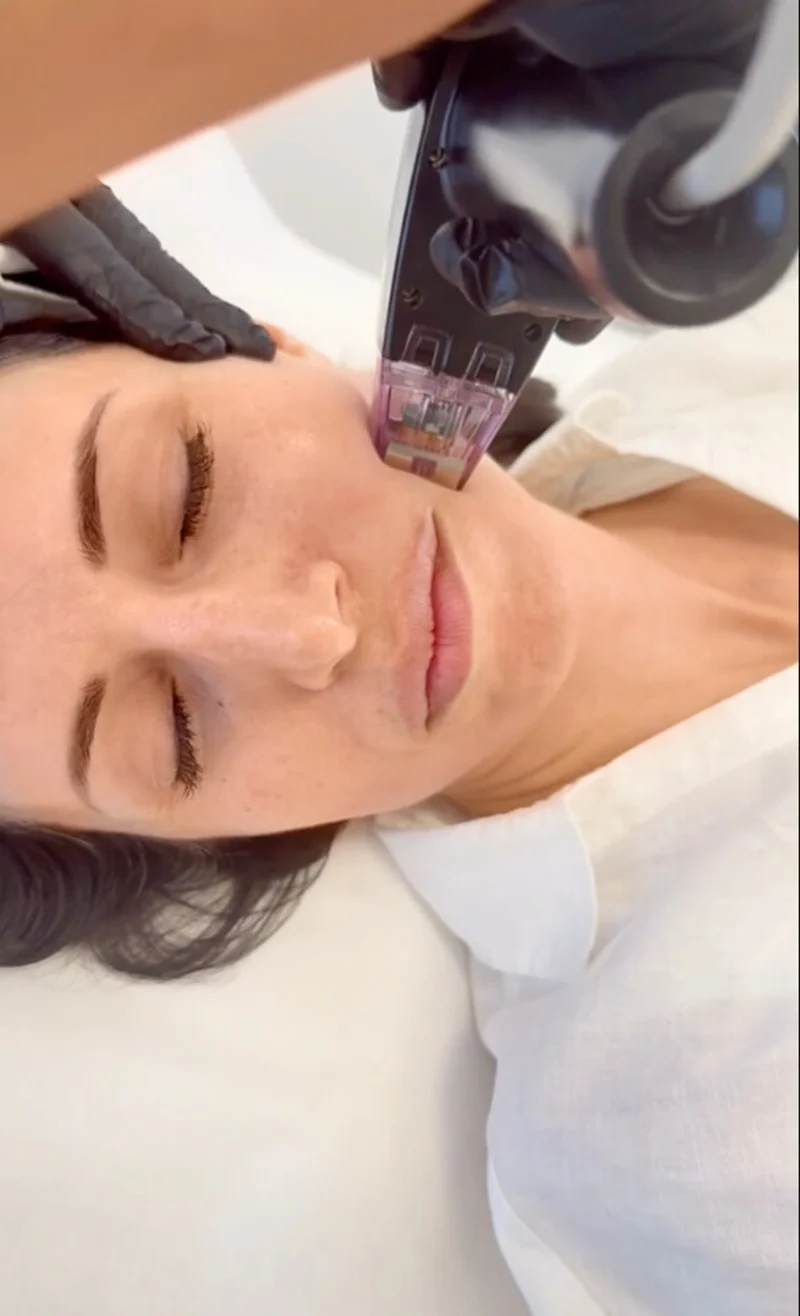
Tattoo removal does not happen all at once and involves several treatments to reach the desired result. Why? During the treatment, the laser beam penetrates the skin and is absorbed by the ink particles, which are broken down into tiny particles in a photoacoustic process. After the treatment, these particles are gradually and naturally cleared by the body's lymphatic system. That is why the removal process is gradual – each treatment breaks down another layer of pigment, and the tattoo fades step by step until it disappears completely.
For a detailed explanation of the process, see the guide: Laser tattoo removal – how it works.
Complete tattoo removal – what does medical research say?
The question "Can a tattoo be removed 100%?" concerns many people who are considering starting the tattoo removal process. The medical literature provides an encouraging picture, but it is important to understand the data.
A systematic review published in the Journal of the American Academy of Dermatology examined around 36 studies and found that pico lasers show an advantage over older lasers, mainly in removing tattoos containing colours such as blue, green and yellow. Both types of laser were found to be safe and effective for black ink.
Success rates with pico laser compared with older lasers
Older nano lasers work with nanosecond pulses. Pico lasers, by contrast, work with picosecond pulses. What does this mean? That the pico laser breaks down tattoo ink with pulses a thousand times shorter than older technologies such as the nano laser.
As published in Nature Scientific Reports, a shorter pulse creates higher mechanical pressure on the ink particles, leading to more efficient breakdown of the pigment and less damage to the surrounding skin tissue. In practice, this means that usually fewer treatments are needed, there is a reduced chance of scarring, and results are better even on colours that were previously considered difficult to remove.
Which factors affect complete tattoo removal?
Not every tattoo responds to removal in the same way. Below are the main factors that determine whether a tattoo can be removed 100%.
Ink colour
Black ink absorbs the laser beam best and responds well to treatment. Colours such as red, orange and brown require a specific wavelength but also respond well to removal. Colours such as green and blue, which used to be more challenging, respond well to the advanced pico laser. Light colours such as yellow are considered the most challenging – and in some cases they will be significantly lightened but will not disappear completely.
For more in-depth reading on colourful tattoo removal – a complete guide.
Size, depth and age of the tattoo
Professional tattoos, in which the ink has been inserted into the deep layers of the skin, usually require more treatments than superficial amateur tattoos. Old tattoos that have faded naturally over time respond to treatment more easily. Cover-up tattoos (a tattoo over a tattoo) contain a double amount of ink and therefore require more removal treatments.
Skin type and location of the tattoo on the body
A light skin tone allows the laser to work more effectively because of the high contrast between the skin colour and the ink. People with dark skin can also have tattoos removed successfully, but the treatment requires adjustments to prevent pigmentation changes in the skin.
The location of the tattoo also has an effect: areas close to the heart and major blood vessels (upper body, neck) allow more efficient clearance of the ink particles through the lymphatic system. Tattoos on the feet or hands, on the other hand, may require more treatments.
How can the chance of successful removal be assessed in advance?
In the world of aesthetic medicine there is a professional assessment tool called the Kirby-Desai Scale, which was developed to help estimate the number of removal treatments that will be required. The scale gives a numerical score based on six parameters: skin type (according to the Fitzpatrick scale), location of the tattoo on the body, ink colours, amount of ink (density), scarring or tissue changes, and cover-up (a tattoo over a tattoo). The cumulative score gives an estimate of the size of the treatment series required. It is important to stress that the scale does not guarantee a final result but serves as a tool for setting expectations and planning treatment.
What can prevent 100% removal – and what can be done?
Despite technological advances, there are cases in which complete removal is a challenge. It is important to know about these factors in advance in order to set expectations.
Light colours – Colours such as yellow and white are considered the most challenging colours for complete removal. According to several studies, it appears that these colours may require more treatments, and in some cases they will be significantly lightened but will not disappear completely.
Metal-based pigments and light ink – Light pigments and ink containing iron oxides or Titanium Dioxide, mainly in permanent make-up, may undergo an unexpected change in shade during laser removal. This phenomenon is called "paradoxical darkening" (paradoxical darkening), and it has been documented both in a clinical review in PMC and in an article published in Archives of Toxicology. The mechanism is related to chemical reduction/oxidation processes, which can cause a light pigment to become darker, for example dark grey, black or sometimes a greenish shade. When this occurs, the treatment can be adjusted and continued using other suitable types of laser.
Unprofessional treatment – Using outdated equipment or the wrong intensity may leave scars, damage the skin tissue or lead to only partial removal of the tattoo.
Not following instructions – Prolonged direct sun exposure, removing scabs or not keeping the area clean may harm the results and increase the risk of complications.
To improve the chance of complete removal, it is important to choose a professional clinic that carries out a preliminary assessment and uses advanced technology suited to the type of tattoo (such as pico laser), and to follow the practitioner's instructions after each session.
What does the skin look like after complete tattoo removal?
Even skin – with no visible difference: This is the final result in most cases when removal is carried out with advanced technology and in professional hands. The skin returns to a natural, smooth appearance, and it is impossible to tell where the tattoo was.
Temporary redness, scabbing and blisters during the series: After each treatment session, the area may be red and slightly swollen. Occasionally, small blisters or scabs appear. These are reactions that pass within a few days to weeks. It is important not to remove scabs or pop blisters, to prevent scarring.
Temporary pigmentation changes: Mainly in people with dark skin, there may be lighter (hypopigmentation) or darker (hyperpigmentation) areas in the treatment area. These changes are usually temporary and disappear within a few months. As described in (StatPearls), these complications are more common in dark skin tones and with treatment using unsuitable parameters.
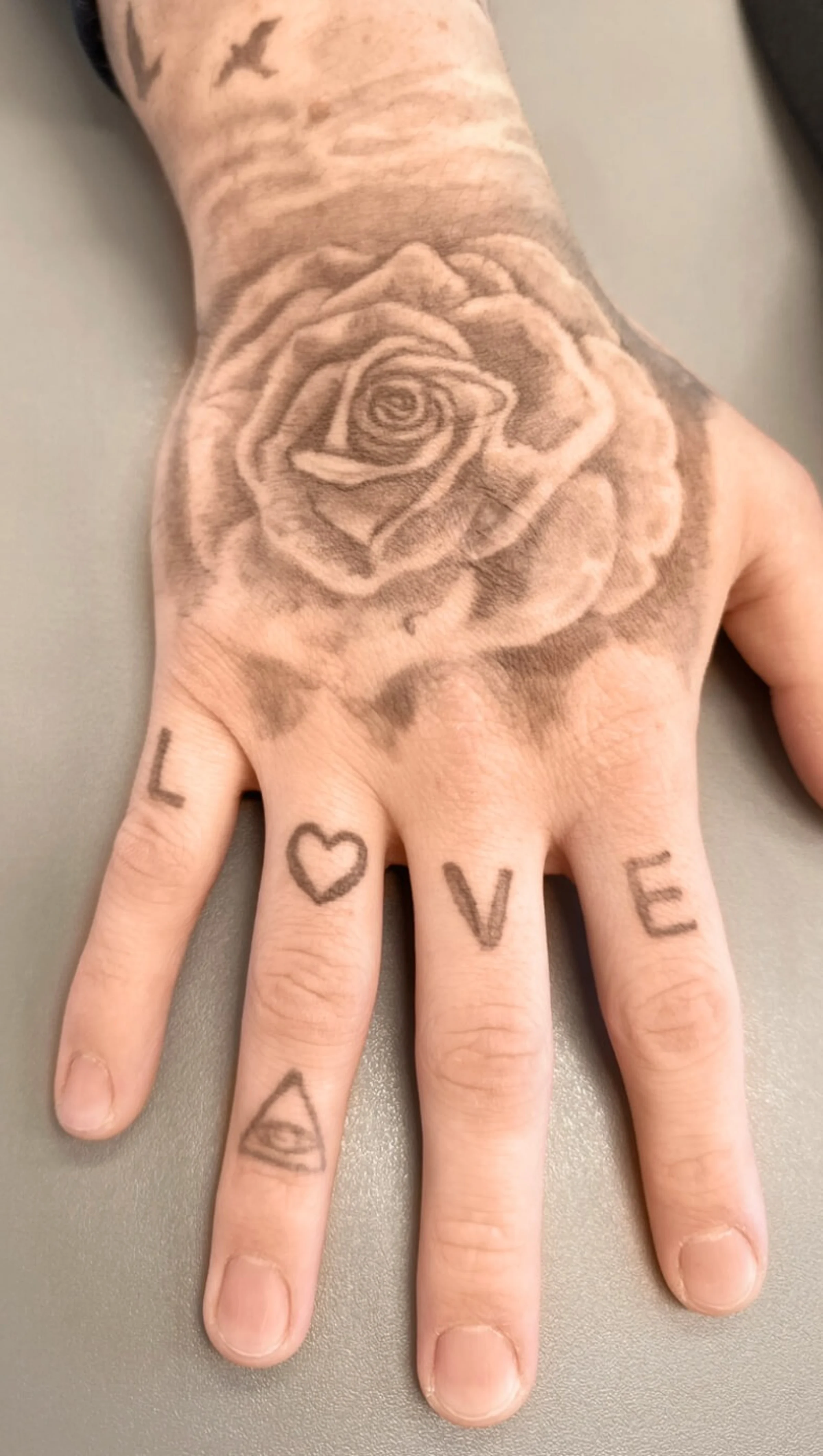
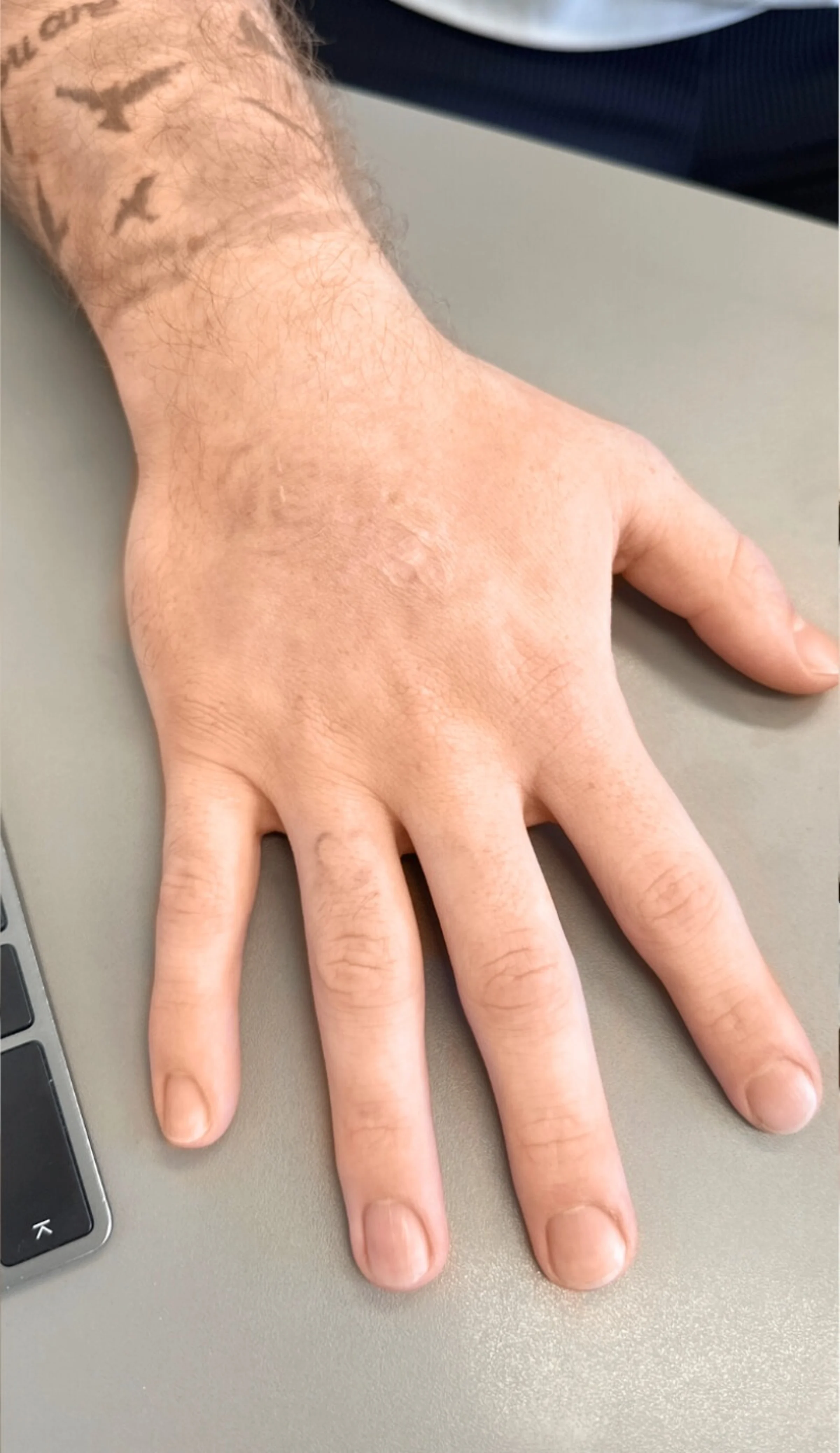
Important to remember: the final result varies between patients and depends on the characteristics of the tattoo, the skin type and following the treatment instructions.
What should successful tattoo removal look like? Click here to view the results
What is important to know before starting tattoo removal? Realistic expectations
Complete tattoo removal is a process that requires patience. Even when the final result is 100% removal, the way there involves several sessions with intervals of 6-8 weeks between them. The treatment itself takes just a few minutes. The sensation is similar to getting the tattoo, and an anaesthetic cream can be used for relief. You need to wait between treatments to allow the body to clear the remaining pigment naturally. Even after the last session, the body continues to clear the pigment for several more weeks.
How does sun exposure affect tattoo removal?
Exposure to UV radiation before or after laser treatment increases the risk of pigmentation changes in the treated area. Tanned skin contains more melanin, which also absorbs some of the laser energy, and this may reduce the effectiveness of the treatment and increase the risk of burns or changes in skin tone. Avoid prolonged direct sun exposure on the tattoo area for four weeks before and after each treatment, as instructed by the practitioner, and use a sunscreen with a high SPF. It is very important to follow this rule in order to improve the treatment results and minimise the risk of damage to the skin.
Who is laser tattoo removal suitable for?
The treatment is suitable for most people, regardless of age, gender or reason for removal: those who regret an old tattoo, those who want clear skin for personal or professional reasons, and those who want to prepare the skin for a new tattoo.
There are situations in which tattoo removal should be postponed or avoided: pregnancy, breastfeeding, active skin conditions in the area, taking medication that increases skin sensitivity, or intensive sun exposure shortly before the treatment. A preliminary consultation is the place to assess your personal suitability for the treatment.
Frequently asked questions
Yes, most tattoos can be removed completely or almost completely with the right technology. Black tattoos respond best to removal. Tattoos in light colours do not always reach full removal, such as yellow and white. Therefore a personal consultation before starting treatment is essential.
When the treatment is carried out using advanced laser technology (pico laser) and by professionals, the risk of skin damage and scarring is very low. The main risk comes from unprofessional treatment, the use of outdated equipment, or failure to follow the practitioner's instructions – such as removing a scab before it falls off by itself.
The number of treatments varies and depends on many factors (tattoo colour, size, depth in the skin, location, skin type). A professional assessment before starting the treatment series can give an initial estimate. Removal with advanced pico technology requires fewer treatments than older lasers.
Many patients report that the sensation is similar to that of getting a tattoo, that is, a tingle or mild burning. Anaesthetic cream can be applied about one to two hours before the treatment. Each session lasts only a few minutes.
A pico laser delivers pulses that are a thousand times shorter than older lasers (for example a nano laser). What this means: faster and more efficient breakdown of the ink, less damage to the surrounding tissue, and a reduced risk of scarring.
Yes. Tattoos that did not respond sufficiently to older lasers may respond better to advanced pico technology.
Which ointment should I apply after tattoo removal?
After every treatment it is important to keep the area sterile and to avoid direct sun exposure. The treating team will provide specific instructions according to your individual skin condition, including a recommendation for a suitable skincare product.
You should seek medical advice if signs of infection appear such as redness, prolonged swelling, discharge, a feeling of heat in the area, or worsening pain. Mild effects such as slight swelling or mild redness are normal reactions that will disappear on their own.
The information in this article is intended as general information only and is not a substitute for medical advice.
To book a personal consultation with the professional team at Dermacare in Petah Tikva, you can call 03-6127888 or email info@dermacare.co.il.
The article was written by Eddie Yusupov – founder of the Dermacare clinic chain in Austria and Israel, an expert in tattoo removal and aesthetic treatments, with clinical experience of more than ten thousand tattoo removal treatments since 2010. Updated: March 2026