In brief
- Stretch marks form when the abdomen grows rapidly and elastic fibres in the skin tear, with hormonal changes and genetic predisposition also playing a role.
- They sometimes begin as early as the first trimester as fine lines, and the abdomen is the most affected area.
- Radiofrequency microneedling, such as Morpheus8 or RF MAX, stimulates collagen and is particularly suitable for new, reddish marks.
- Fractional CO2 laser is suitable for prominent, deep or older marks, with a short recovery time.
- The team at Dermacare assesses the depth of the marks and the skin type and builds a tailored treatment plan.
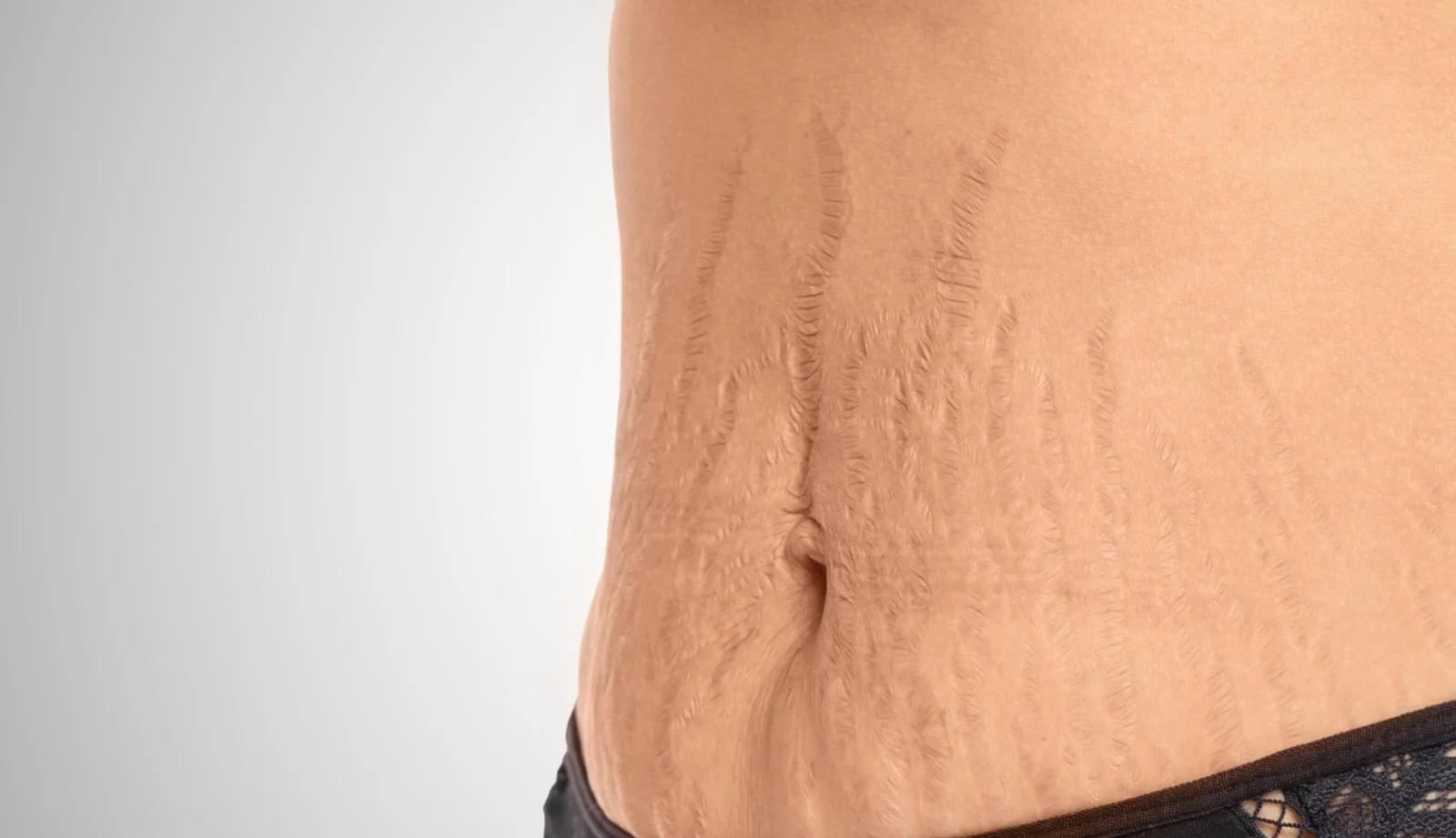
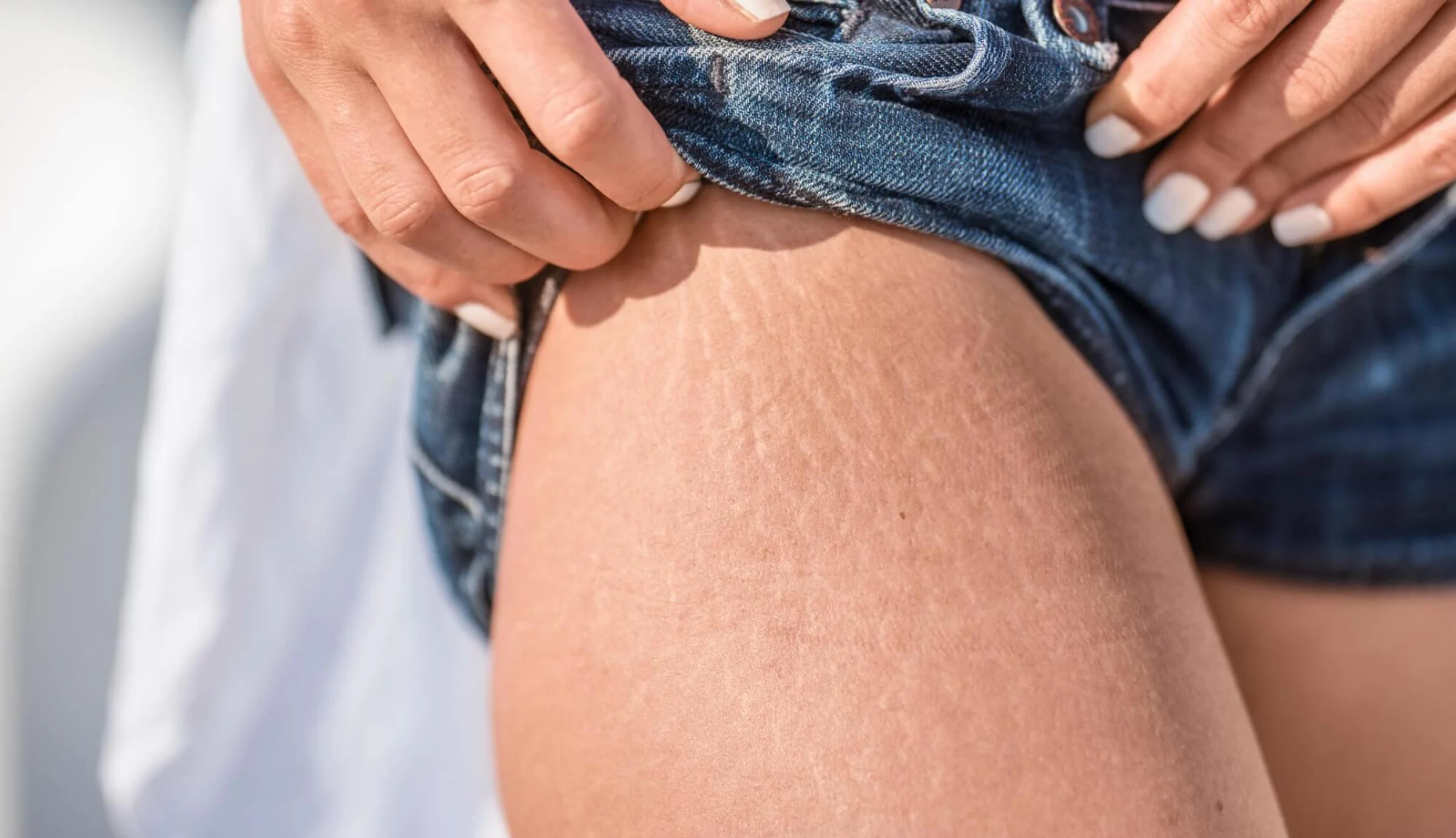
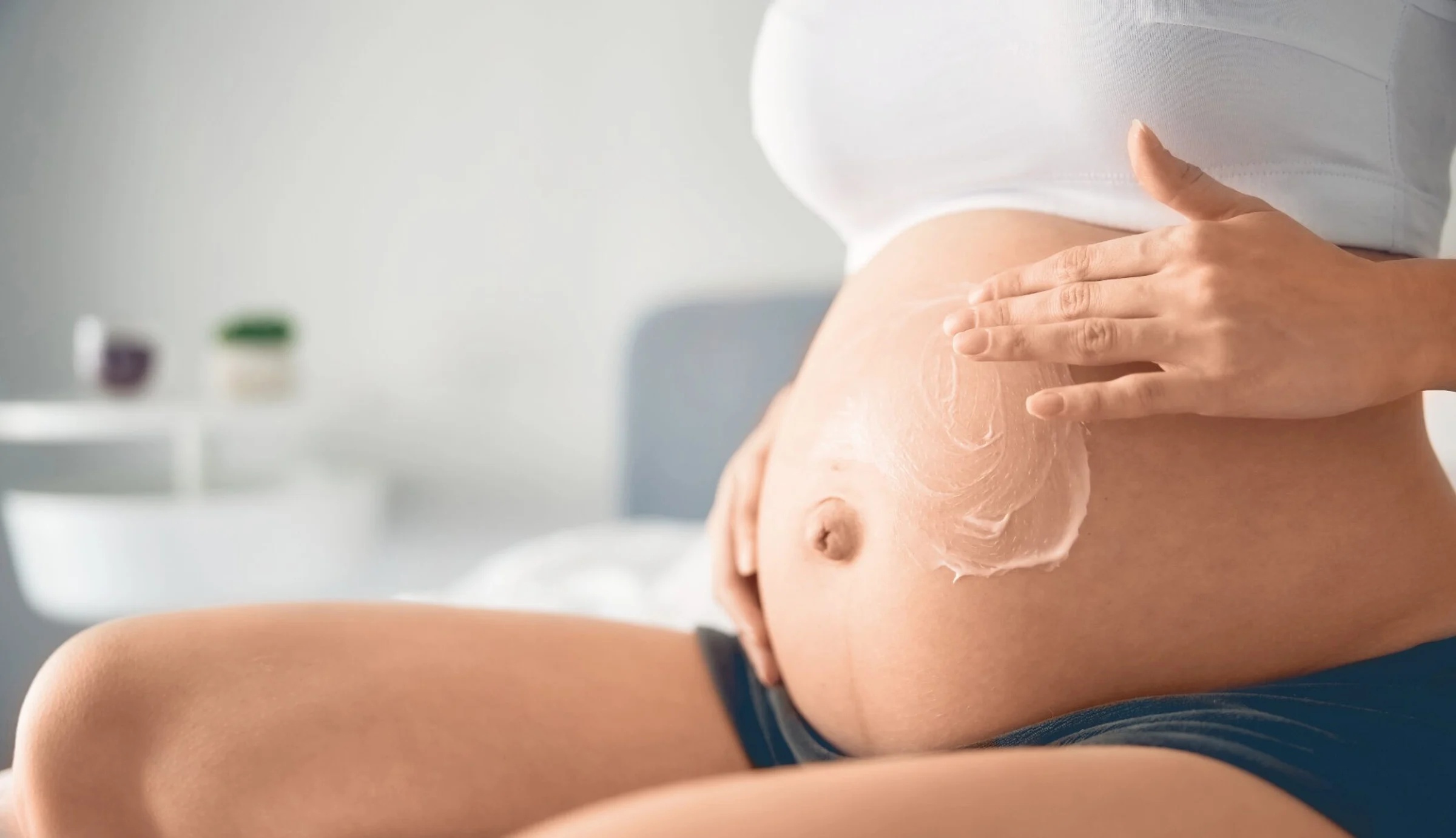
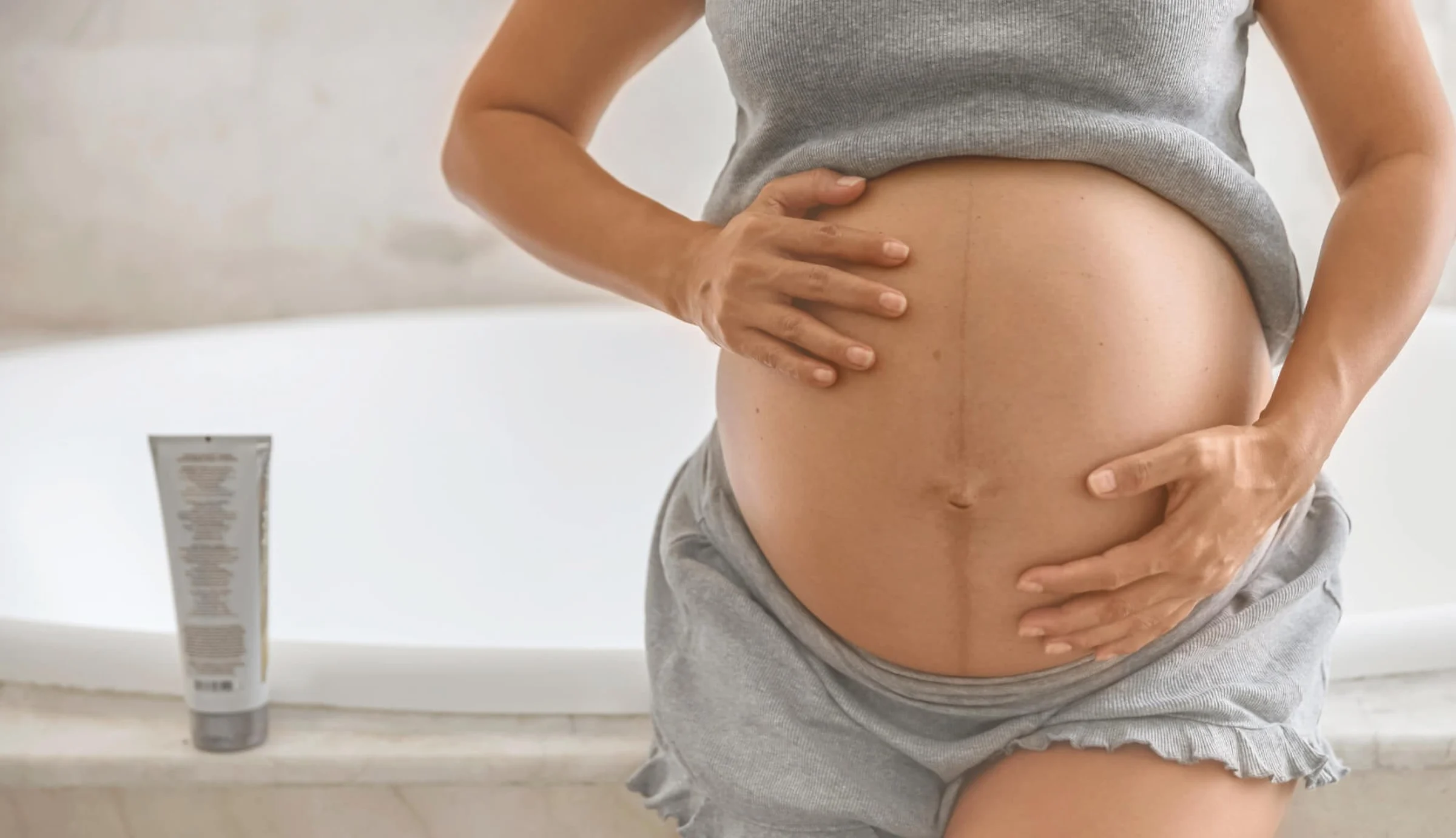
How do stretch marks begin during pregnancy, and why do they so often appear on the abdomen? Treating stretch marks during pregnancy can help reduce their appearance from the earliest stages. Despite the great excitement of expecting a baby and careful skincare throughout pregnancy, many women notice thin, reddish-bluish lines on their skin early on – the well-known stretch marks. They are especially common on the abdomen, where the skin is stretched considerably.
Many women feel frustrated when stretch marks on the abdomen refuse to disappear despite skincare and a healthy lifestyle. Is it really too late, or can modern aesthetic treatments help make these marks fade? What options are there when skincare alone is no longer enough?
How and why do stretch marks form?
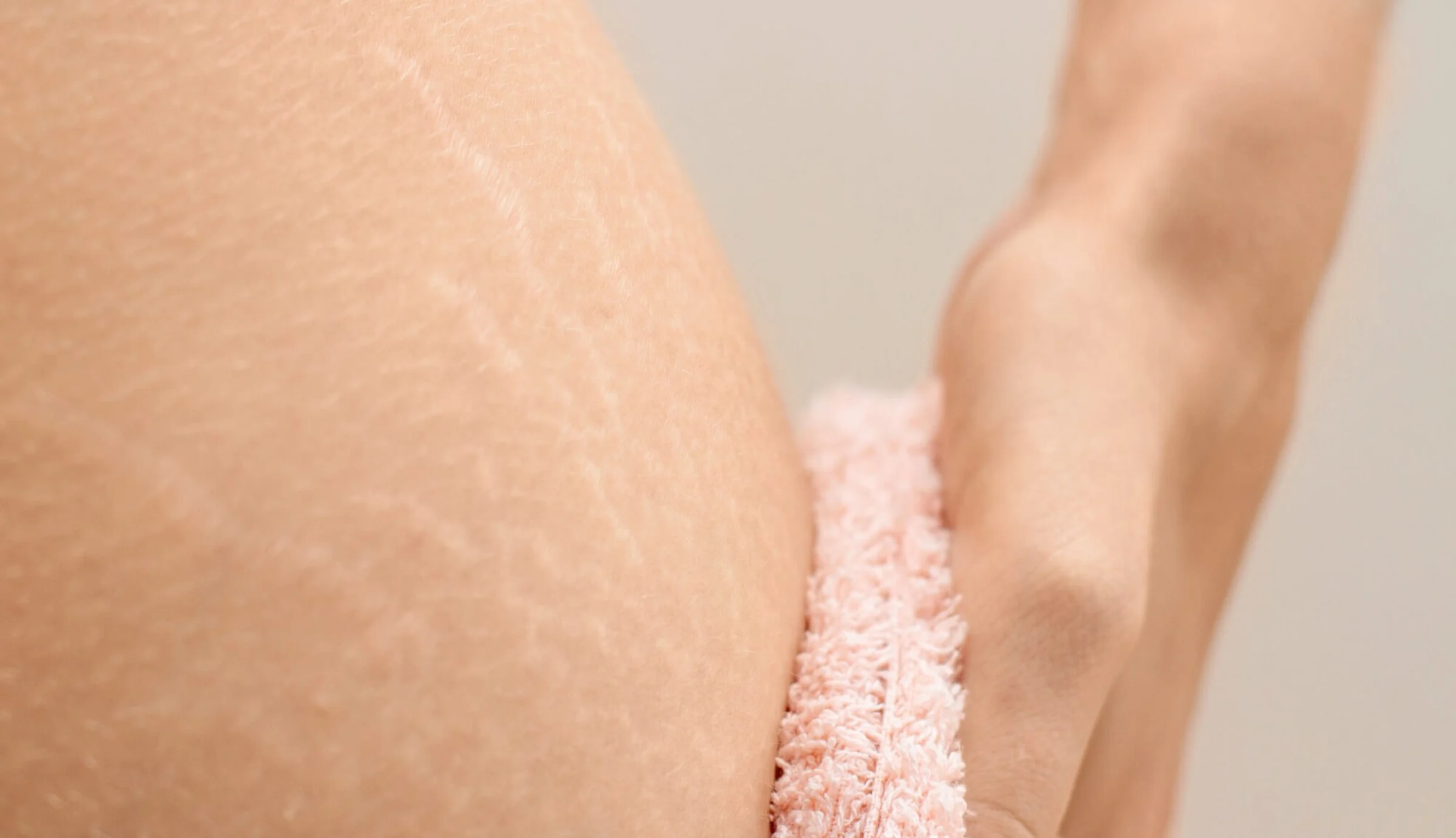
During pregnancy, the abdomen grows rapidly within a short time. The connective tissue stretches to make room for the developing baby. In the final weeks of pregnancy, the skin reaches the limit of its capacity, elastic fibres tear deep in the skin, and thin scars form in the shape of stretch marks.
Apart from natural growth, hormonal changes and genetic predisposition also play a role. Some women notice fine lines as early as the first trimester – this is how stretch marks begin, almost imperceptibly, before they become permanently established in the skin. The abdomen is the most affected area.
Stretch mark treatment
When the skin does not fully return to its original state after giving birth, self-image can suffer. Many women dream of getting back their shape and the firmness of their skin, out of a deep wish to feel comfortable in their own skin again.
At the Dermacare clinic in Petah Tikva, we offer professional support for exactly this problem. With advanced methods, stubborn stretch marks can be visibly softened – gently, effectively and without surgery. Depending on the condition of the skin and the depth of the marks, we use two proven methods to treat stretch marks.
Radiofrequency microneedling
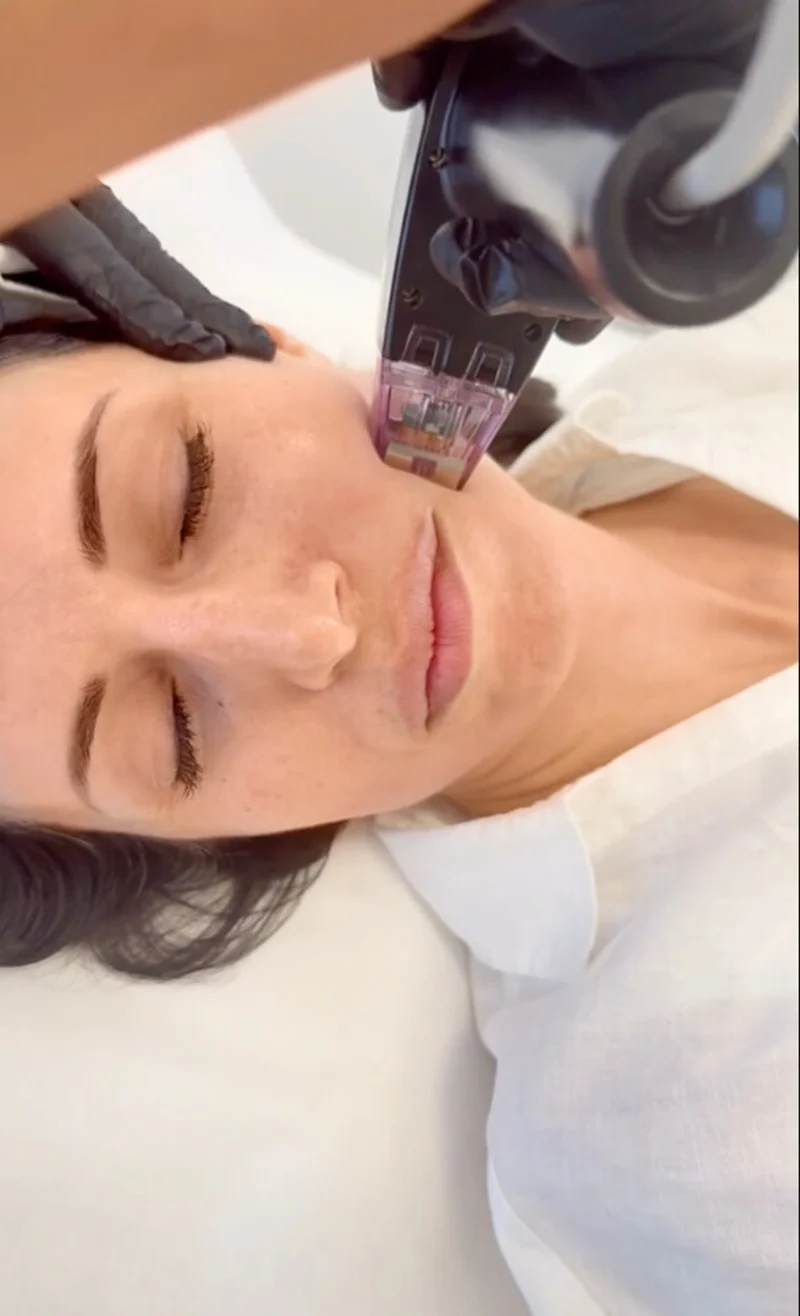
Radiofrequency microneedling, such as Morpheus8 or the RF MAX, combines fine micro-needles with targeted heat. The heat stimulates collagen production, strengthens the structure of the skin and smooths it. New, reddish stretch marks on the abdomen respond well to this method. The needles create a controlled stimulus that cushions the small tears in the skin from within. With each treatment the skin looks smoother, firmer and more even, without a long healing or recovery time.
Fractional CO2 laser
For prominent or older marks, fractional CO2 laser treatment delivers impressive results. The laser treats scars and deeper stretch marks with great precision, stimulates skin renewal and leads to smoother, more even-looking skin.
The laser lightens and smooths stretch marks and gives the skin a smooth, firm appearance. After laser treatment there is a short recovery time, but it is particularly effective in treating stretch marks and deep scars compared with other methods.
Whether you have new stretch marks or long-standing skin changes, our team of expert practitioners and doctors at the Dermacare clinic will assess the affected areas, the depth of the marks and the condition and type of your skin, and build a tailored treatment plan for you.
Book a personal consultation now by phone on 03-6127888 or by email at info@dermacare.co.il and discover how, step by step, you can get back smooth, youthful, radiant skin.
Frequently asked questions
Radiofrequency microneedling is a versatile treatment that can be used to treat a wide range of skin problems, including:
- Wrinkles
- Loose skin
- Scars (including acne scars and surgical scars)
- Stretch marks
- Reducing the appearance of pores
- Pigmentation problems
- Even fat accumulation (such as a bothersome double chin)
In radiofrequency microneedling treatment, the micro-needles penetrate the skin and deliver pulses of heat. This heat encourages skin renewal and effectively treats wrinkles, scars and skin laxity. At Dermacare, the Morpheus 8 device is used, known for the impressive results it delivers.
Radiofrequency microneedling at Dermacare is an innovative skin treatment that combines micro-needles with radiofrequency energy. This method stimulates the skin to produce collagen and elastin, leading to firmer, smoother skin.
After the treatment, mild redness, swelling or a feeling of warmth may appear, usually disappearing within 12 to 48 hours. In rare cases, skin irritation or small bruises may appear. It is important to care for the skin after the treatment and protect it from direct sun exposure.