In brief
- A radiofrequency facial treatment heats the dermis in a controlled way and stimulates the production of new collagen and elastin, without surgery.
- External RF is gentle and requires no recovery, while RF microneedling such as Morpheus8 is stronger and suits moderate laxity, wrinkles and acne scars.
- The recommended protocol is a series of 3-4 treatments spaced 4-6 weeks apart.
- An initial improvement may be visible immediately, and the final result develops over 3-6 months.
- The best results are seen in patients aged 35 to 60 with mild to moderate laxity.
If you have been looking for an effective way to tighten facial skin, soften fine lines and improve skin texture, but without surgery or a long recovery period, a radiofrequency facial treatment is one of the most advanced and proven options available today. It is a treatment based on controlled heat energy that encourages the body to produce new, healthier collagen and elastin, resulting in firm, fresh and natural-looking skin.
Before we dive into the details, here is a quick summary of what you need to know about the treatment:
Radiofrequency facial treatment at a glance
The table summarises the most important points to give you a quick overview of the treatment.
| Feature | Description |
|---|---|
| Main goal | Tightening lax skin, reducing fine lines, improving skin texture, defining the jawline |
| How it works | Controlled heating of the dermis to stimulate the production of new collagen and elastin |
| Level of invasiveness | Non-invasive (external) or minimally invasive (RF microneedling) |
| Treatment areas | Face, jawline, double chin, neck, eye area, forehead |
| Pain level | A deep warming sensation, usually tolerable. Local anaesthetic is used for RF microneedling |
| Recovery time | Usually none. After RF microneedling there may be redness and mild swelling for 1-3 days |
| Recommended protocol | A series of 3-4 treatments, spaced 4-6 weeks apart |
| Results | An initial improvement may be visible immediately, but the final result develops over 3-6 months |
As you can see, this is a gradual biological process aimed at improving skin quality from the ground up, not at creating a dramatic change overnight. Now let's understand how it all happens.
What is radiofrequency (RF) treatment and how does it tighten the skin?
Radiofrequency facial treatment, also known as RF treatment (short for Radiofrequency), is a general name for a family of technologies that use radiofrequency energy to heat the deeper layers of the skin, known as the "dermis", in a precise and controlled way.
To understand how it works, imagine for a moment that the collagen and elastin network in your skin is a system of internal scaffolding. This scaffolding is what keeps the skin taut, supple and firm. Over the years, because of age, sun damage and environmental factors, this scaffolding weakens, wears down and loosens. The result? Sagging skin, fine lines and a generally less vibrant appearance.
This is where radiofrequency comes in. The device sends energy that passes through the upper layer of the skin (the epidermis) without damaging it and focuses directly on the dermis – where the skin's collagen "factories" are located.
The dual action that turns back the clock
This controlled heating triggers two main processes that complement each other:
-
Immediate contraction of existing fibres: The heat causes the loose collagen and elastin fibres to contract immediately. This provides an initial tightening effect, and sometimes the skin can feel slightly more "lifted" by the end of the very first treatment.
-
Production of new collagen (Neocollagenesis): This is the most significant part in the long term. The gentle heating creates a controlled, invisible "injury" in the deeper cells. This "injury" signals the body to start a natural healing process. The body responds by recruiting fibroblasts – our own private "collagen factories" – and prompting them to produce new, stronger and healthier collagen and elastin fibres.
The goal is not a quick fix, but to "reboot" the skin's natural renewal mechanisms. This is a biological process that harnesses the body's healing abilities to achieve a gradual improvement in skin texture and firmness, leading to a completely fresh and natural look.
It is important to understand that the result is not as dramatic and immediate as with a facelift; instead it builds up gradually over several weeks and months. Building new collagen takes time, and the full improvement becomes apparent gradually. This makes the treatment ideal for anyone seeking a significant yet natural-looking improvement, without the drastic changes or recovery time involved in a surgical procedure.
In our experience at Dermacare, this is an excellent solution for mild to moderate skin laxity, especially in areas such as the cheeks, jawline, around the mouth and the neck.
How does radiofrequency actually work on the skin?
To understand how radiofrequency treatment manages to tighten and renew the skin, we need to look for a moment at what happens beneath the surface. Our skin consists of two main layers: the epidermis (the outer layer) and the dermis (the deeper, supporting layer). Within the dermis there is a dense network of collagen and elastin fibres – the internal "scaffolding" that keeps the skin strong, supple and taut. Over the years this scaffolding weakens, leading to lax skin and fine lines.
The precise heating that "wakes up" the skin
Unlike laser treatments that work mainly on the outer layer, radiofrequency waves pass through the epidermis and direct their energy straight to the deep dermis. The energy creates controlled, precise heating of the tissue to a temperature of about 40-42 degrees Celsius. This temperature is high enough to trigger a healing response, but without creating a real wound.
In effect, we "trick" the body into thinking there is a small, controlled injury. In response, it mobilises its healing and repair forces and starts working at full capacity precisely in the treated area.
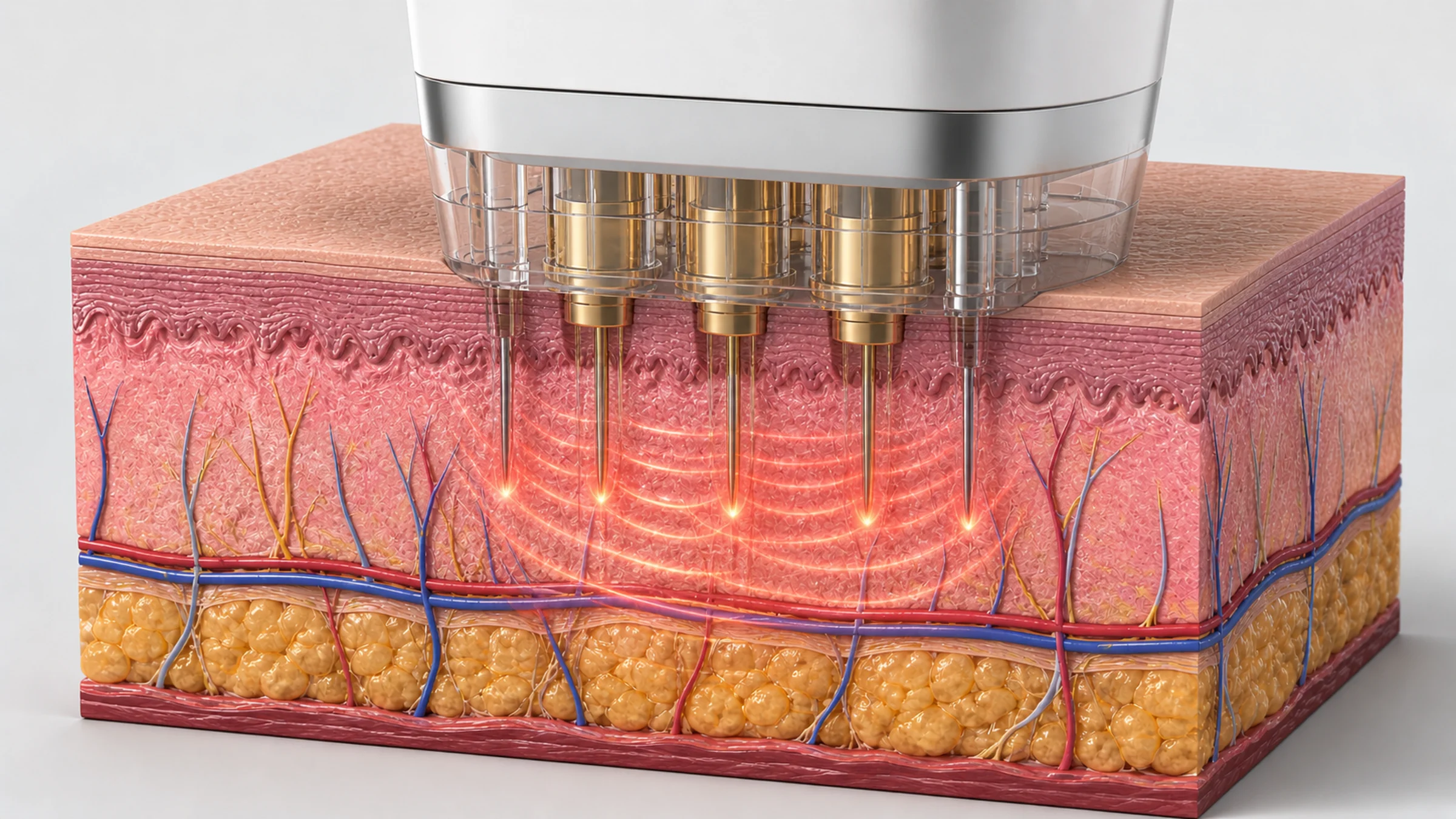
This repair process works in two stages:
-
Immediate contraction of existing collagen: The heat causes the loose collagen fibres to contract, creating an initial tightening effect.
-
Production of new collagen (Neocollagenesis): This is the key stage for long-term results. The heat signals special cells in the dermis called fibroblasts (the body's "collagen production factories") to start producing new, strong and well-organised collagen and elastin fibres.
Control and precision – the key to the best result
Not all radiofrequency devices are created equal. The ability to control the intensity of the heating and the depth it reaches is critical to the success and safety of the treatment. At the Dermacare clinic, we work with advanced radiofrequency technology that delivers controlled, precise energy to the relevant skin layers, with the treatment intensity personally adjusted to the condition of the skin and the area being treated.
The significant advantage is the combination of high treatment efficacy, precise control of the parameters, and an energy distribution that allows more targeted and safer work to achieve an even, natural result. You can read more about our advanced RF-MAX technology and understand how it works to restore firmness to the skin.
It is important to stress that building new collagen is not an overnight "miracle" but a biological process that takes time. The final, full result of the treatment builds up gradually over 3 to 6 months after completing the course of treatments.
Radiofrequency for the face: external or RF microneedling? A guide to the differences
When it comes to radiofrequency facial treatment, there are two main approaches worth knowing: external treatment and treatment using micro-needles (RF microneedling). Each suits different goals, and understanding the differences is the key to choosing the right treatment for you.
External radiofrequency (Non-invasive RF)
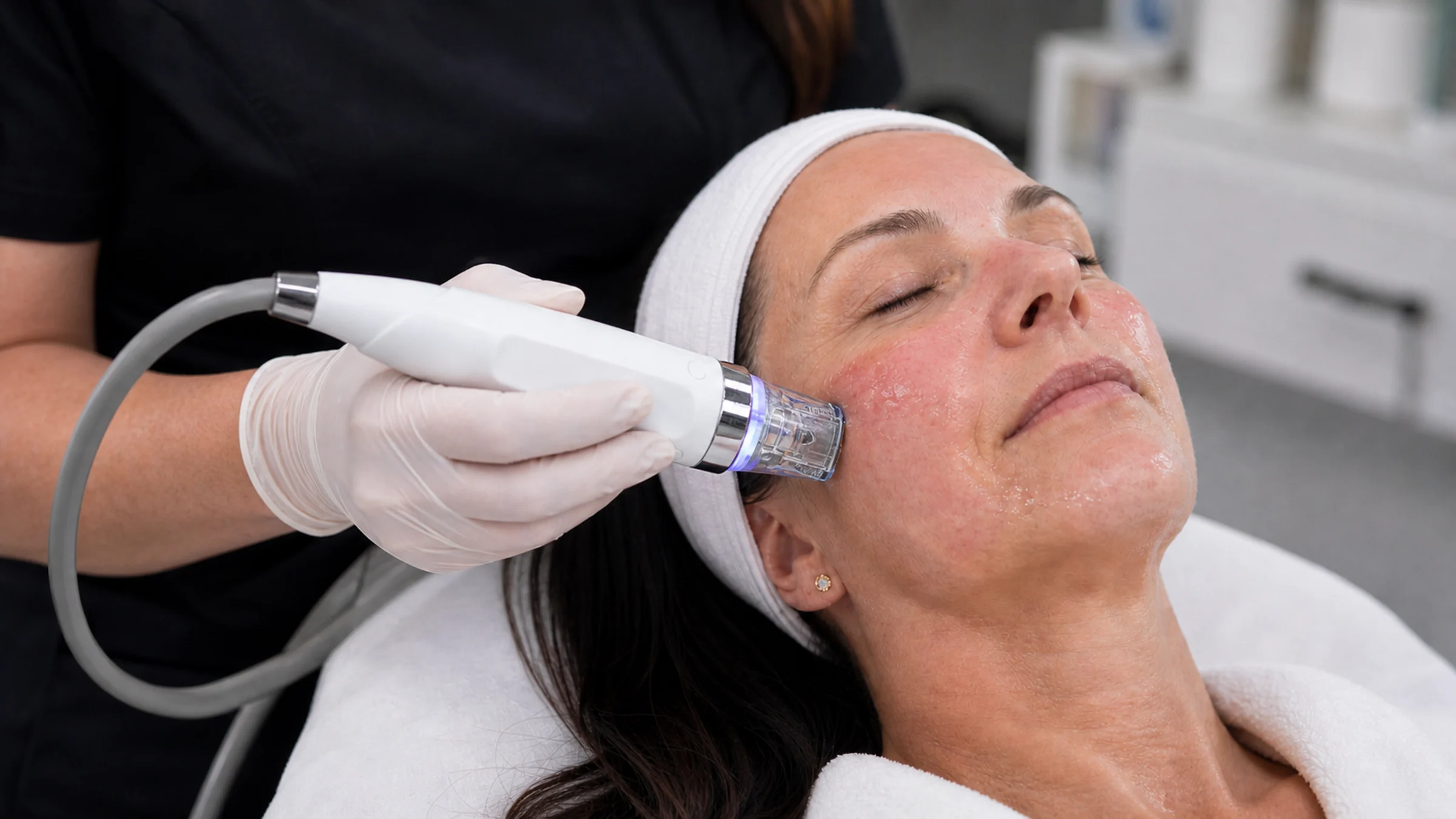
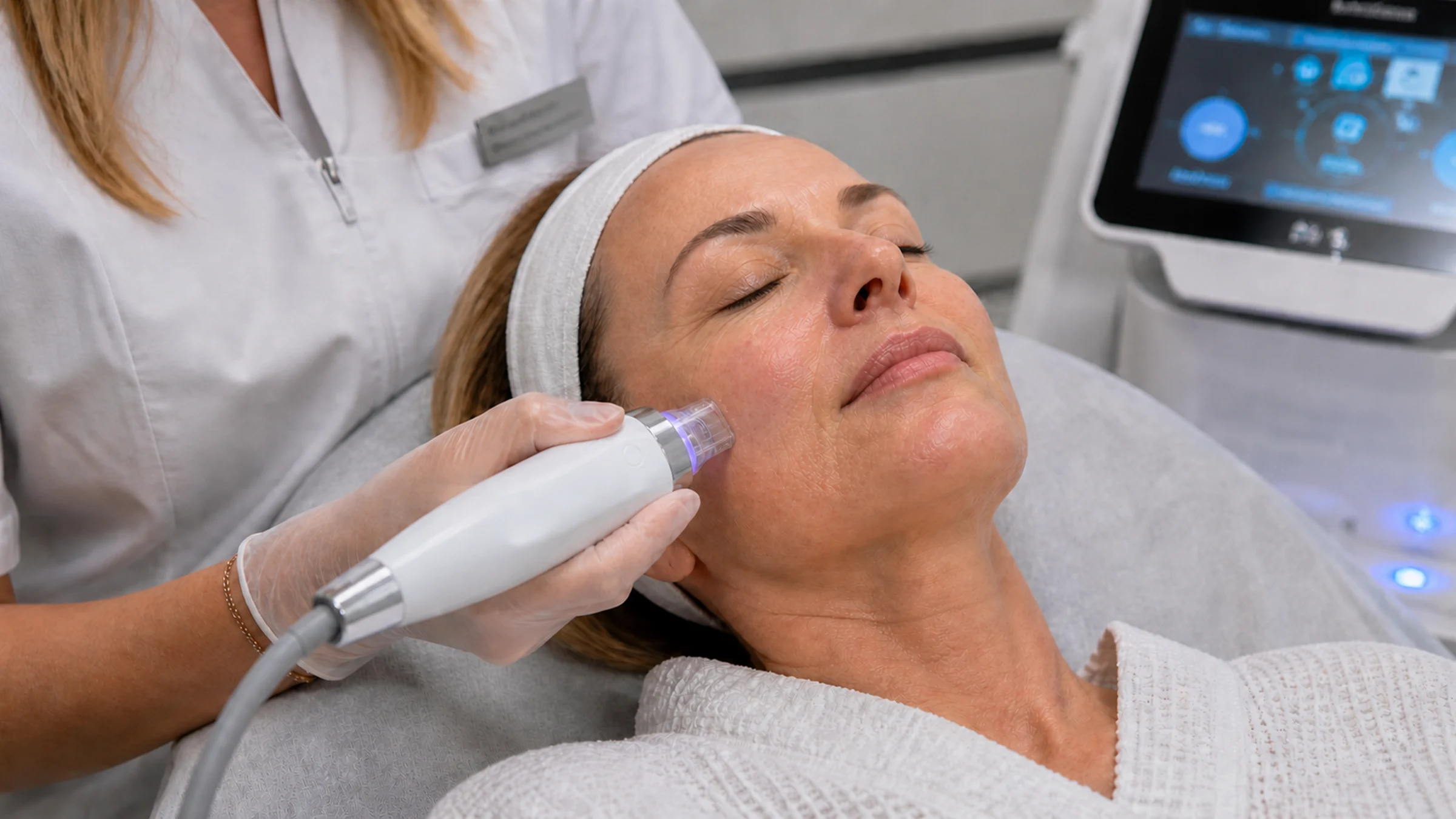
This is the classic and gentler approach. With this method, a special handpiece glides over the surface of the skin and delivers radiofrequency energy to the deeper skin layers. In this case, the heating takes place from the outside in. The treatment feels like a warm, pleasant massage, and its great advantage is that there is no recovery time at all.
This method is ideal mainly for:
-
Initial tightening and prevention of future laxity.
-
Treating mild to moderate skin laxity.
-
Maintaining results from more intensive treatments.
-
Anyone looking for an effective treatment without downtime.
You can think of external RF as a regular, moderate workout for the skin. It maintains tone, encourages collagen production and slows down the ageing process. It is an excellent maintenance solution.
Radiofrequency microneedling (RF Microneedling)
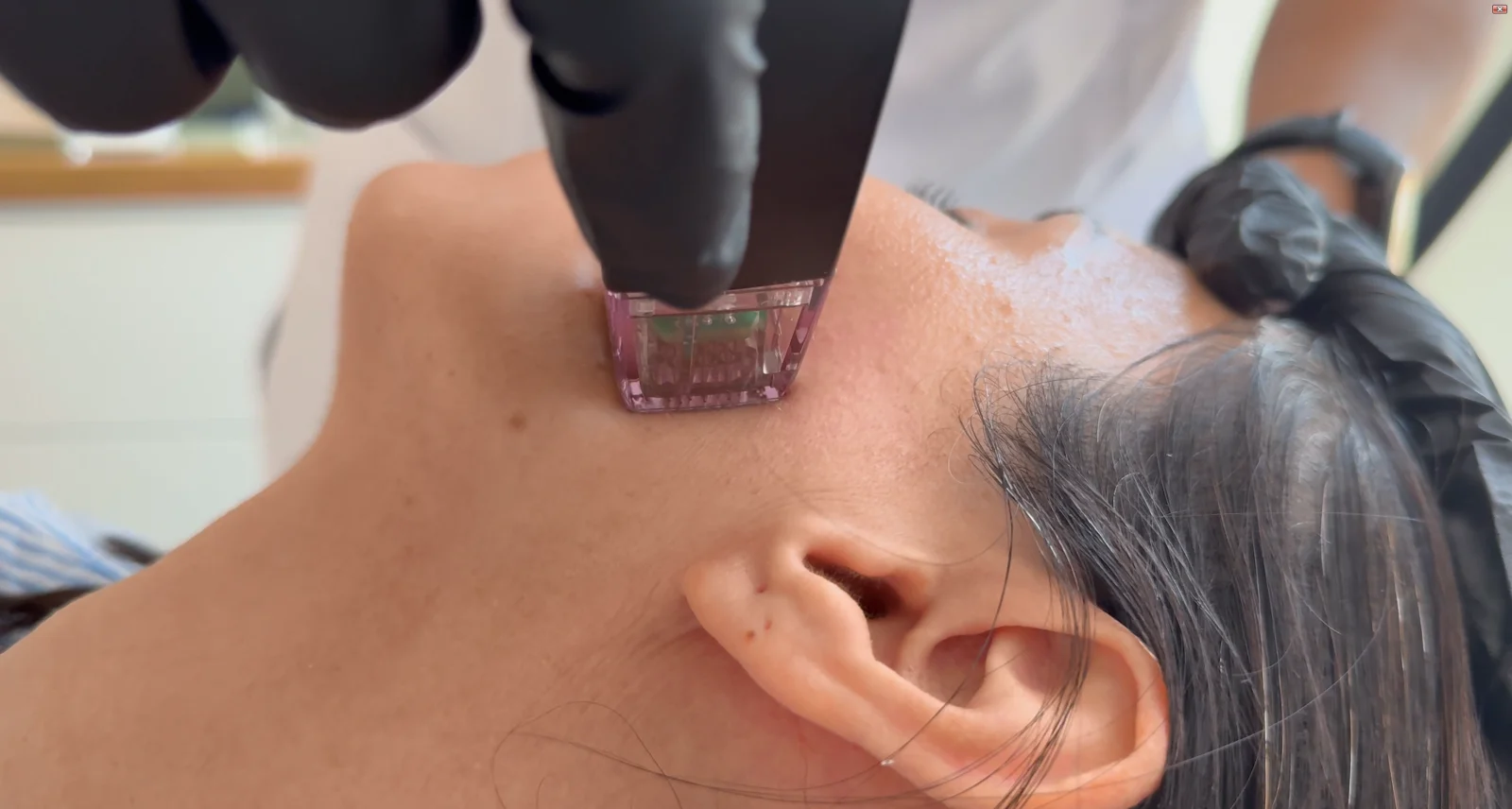
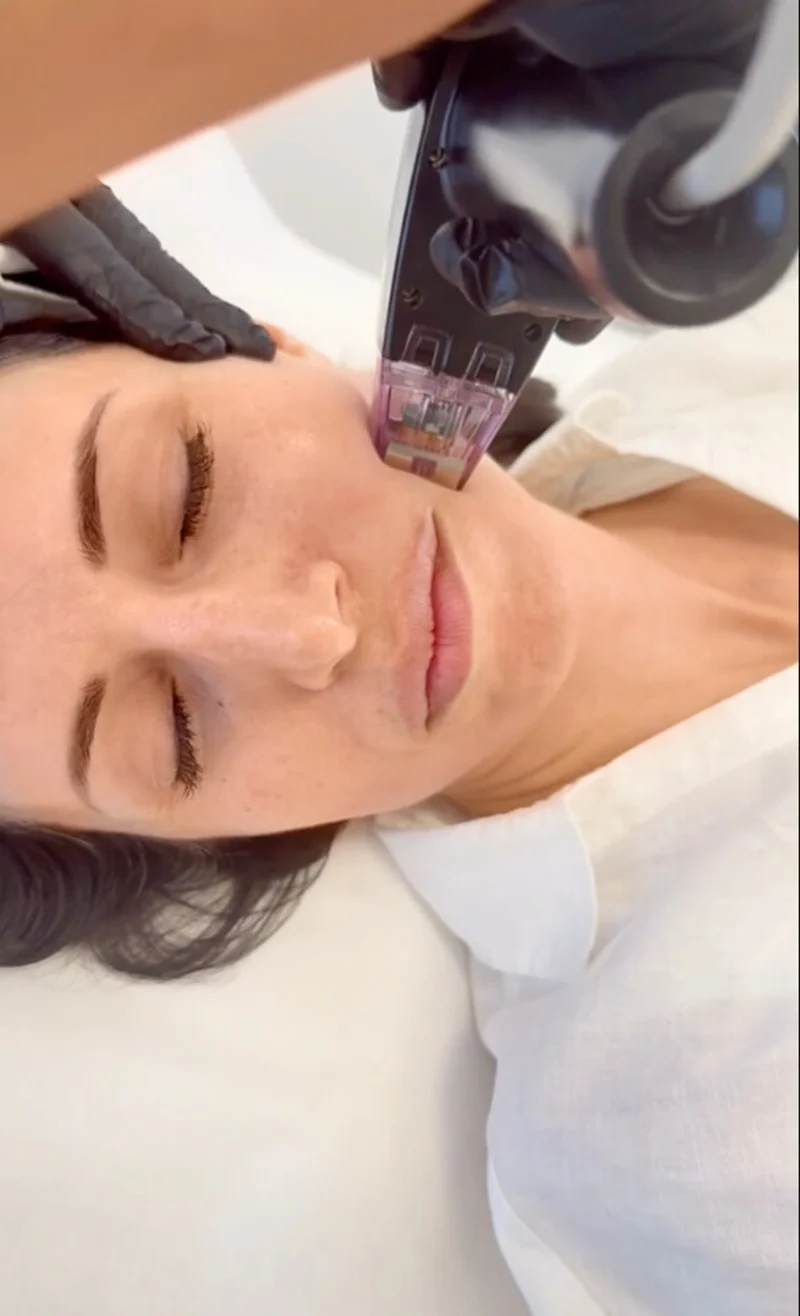
This is a more advanced and powerful technology that produces a dual effect in a single treatment. Leading devices in the field, such as Morpheus8, use a handpiece with a tip containing dozens of tiny gold-plated needles.
The needles penetrate to a controlled depth within the dermis and only then release the radiofrequency energy. The heat is generated directly at the heart of the tissue that needs renewal. The dual action – mechanical stimulation from the needles and thermal stimulation from the RF – creates a much more intensive healing response and collagen production. The treatment is performed after applying a strong anaesthetic cream, and recovery involves redness and mild swelling for one to three days.
This method is the right choice for treating:
-
Moderate to significant skin laxity.
-
Wrinkles and fine lines, including deeper ones.
-
Dramatic improvement in skin texture.
-
Post-acne scars.
-
Defining the jawline and reducing the appearance of a "double chin".
Radiofrequency microneedling is now considered one of the most effective tools in medical aesthetics. If you would like to learn more, you can read about the powerful combination of microneedling and radiofrequency.
Comparing external radiofrequency and RF microneedling
To sum up, we have gathered the main differences in a table.
| Feature | External radiofrequency (RF) | RF microneedling (e.g. Morpheus8) |
|---|---|---|
| Method of action | External heating of the dermis using a handpiece on the skin's surface. | Insertion of tiny needles and release of energy directly within the dermis. |
| Treatment intensity | Moderate and gentle. | Intensive, targeted and powerful. |
| Main goals | Mild laxity, initial tightening, prevention and maintenance. | Moderate laxity, wrinkles, acne scars, improving skin texture. |
| Recovery time | None or minimal (a few hours of mild redness). | 1-3 days of redness, swelling and a slightly rough feeling. |
| Need for anaesthesia | Usually not needed. | A local anaesthetic cream must be used. |
| Expected results | Gradual, subtle improvement. | Significant, noticeable improvement in skin firmness and texture. |
In summary, if you are at the start of the journey and mainly want to prevent and preserve what you have, external RF is an excellent option. If you are looking for visible results in treating laxity, wrinkles or scars – RF microneedling is the way to go.
Radiofrequency for the face: who is it suitable for, and who should wait?
One of the most important steps is to understand whether radiofrequency facial treatment is right for you. Proper suitability is the key to success, and at Dermacare it is our responsibility to make sure the treatment is not only effective but also safe. The aim is to set realistic expectations, based on a precise assessment of the skin's condition.
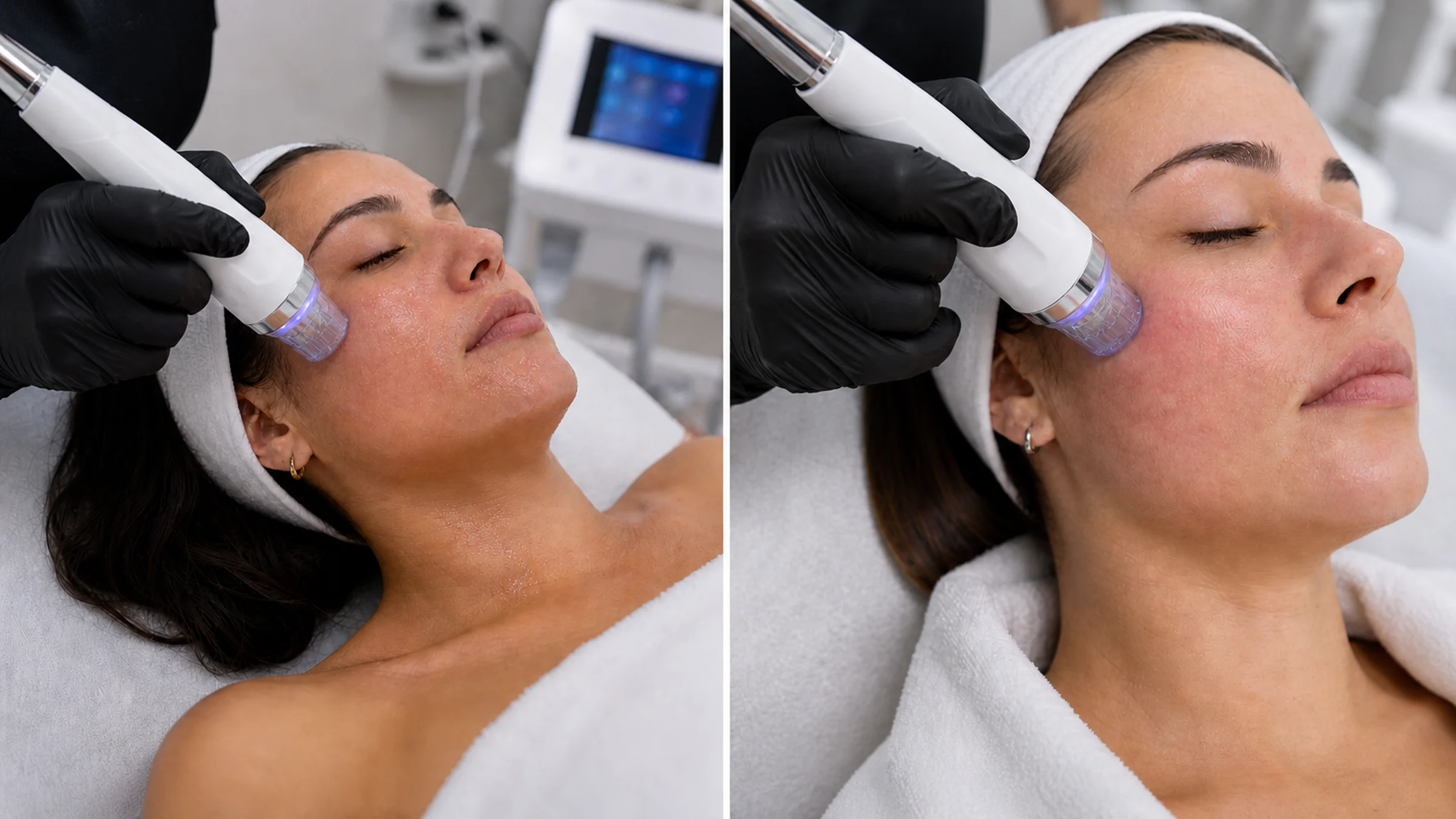
The treatment is an excellent solution for men and women who are starting to notice the first signs of ageing, when the skin begins to lose firmness but before the laxity becomes too significant.
The ideal candidates for treatment
The condition of the skin matters more than chronological age. The ideal candidate for treatment is someone who meets these criteria:
-
Mild to moderate skin laxity: If you are starting to see slight sagging of the skin on the cheeks, jawline or neck – this is the stage at which the treatment is most effective.
-
Age range: We see the best results in patients aged 35 to 60. In this range, the skin still has a good ability to produce new collagen.
-
Realistic expectations: It is important to come with a clear understanding – radiofrequency treatment is designed for gradual improvement, not a dramatic change as with surgery. The goal is to look like a fresher, firmer and more natural version of yourself.
-
An alternative to surgery: This is an excellent solution for anyone who is not interested in, or not yet ready for, a facelift.
To better understand which anti-aging treatment is right for me, it is worth reviewing all the options according to the skin's condition and your personal goals.
When the treatment is not recommended (contraindications)
Your safety comes first. That is why there are certain medical conditions in which we will not perform the treatment:
The final decision on suitability for treatment is made only at a consultation and professional assessment at the clinic. Only after we have assessed the skin and understood the medical history can we build a safe and effective treatment plan.
These are the main conditions in which radiofrequency treatment is not recommended:
-
Pregnancy and breastfeeding: There are not enough studies proving the safety of the treatment during these periods.
-
Pacemaker or defibrillator: Radiofrequency energy may interfere with the function of implanted devices.
-
Large metal implants in the treatment area: Dental implants are usually not a problem, but other cases will be assessed individually.
-
Active skin disease: The treatment must not be performed on skin with an infection, inflammation, active herpes or severe cystic acne.
-
A history of keloid scars: The treatment may trigger the formation of excess scar tissue.
-
Certain autoimmune diseases: Especially diseases that affect the skin, such as lupus or scleroderma.
-
Use of certain medications: Medications that increase sensitivity to light (such as Roaccutane) or blood thinners require consultation and special adjustments.
The consultation at Dermacare is a critical step. Our team will thoroughly assess your skin to make sure radiofrequency is the right solution, and will tailor the exact technology and protocol to achieve the best result.
What happens during the treatment and what is recovery like?
One of the first questions we hear at Dermacare is "So what does it feel like and what happens afterwards?". It is important to us that you come to your treatment feeling calm and knowing exactly what to expect.
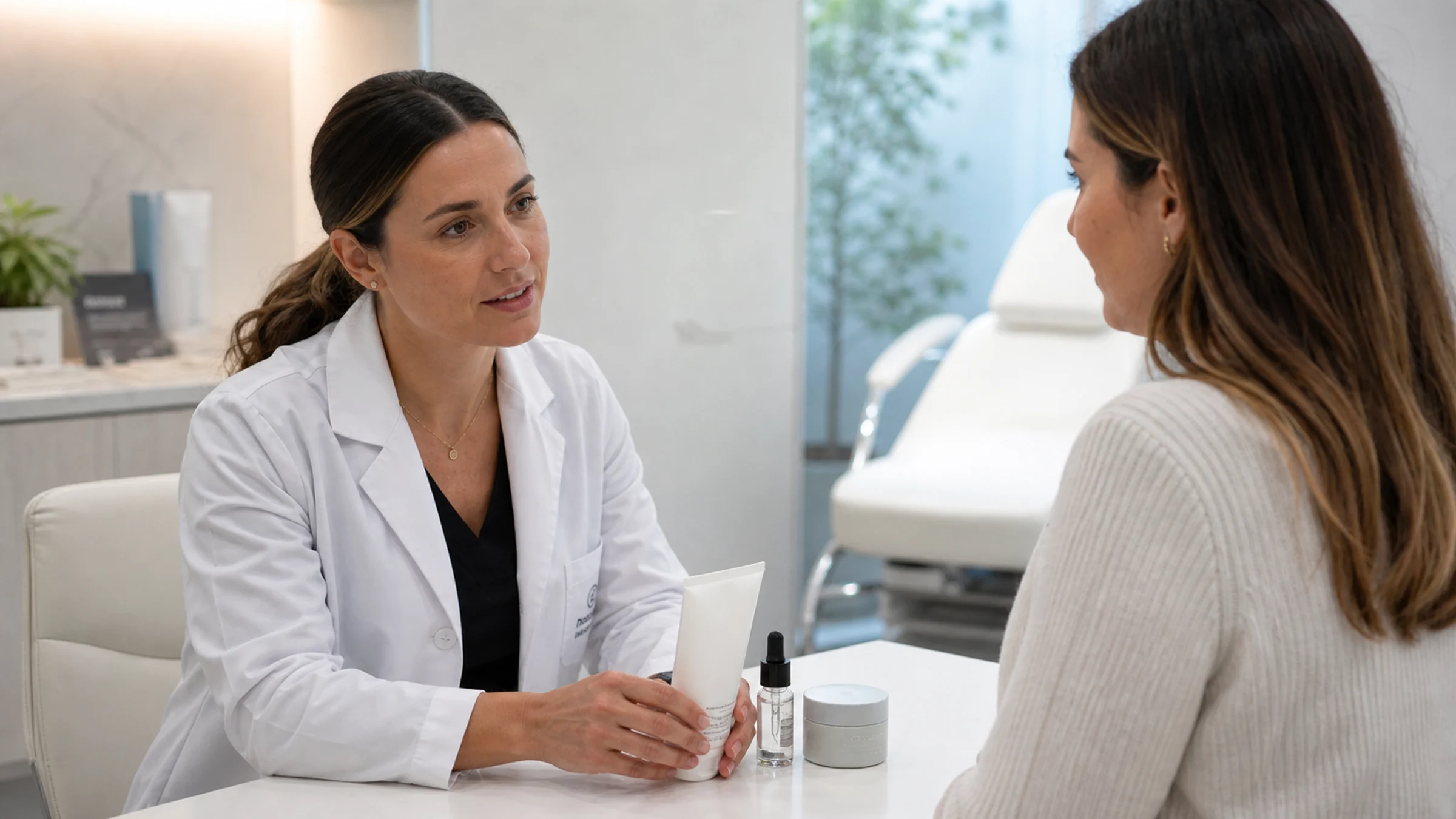
The treatment protocol – how many treatments are needed?
To achieve the best result, we recommend a course of treatments. In most cases, this is a series of 3-4 treatments, spaced 4-6 weeks apart. This break is critical and allows the skin to complete the internal healing and collagen-building process between sessions. The exact protocol is determined after an assessment at the clinic, according to the skin's age, the degree of laxity and the treatment goal. Later on, we may recommend maintenance treatments to preserve the result.
What happens on the day of treatment
Each treatment at the clinic lasts between 30 and 60 minutes, depending on the area treated and the technology.
-
Cleansing and disinfection: We start with thorough cleansing and disinfection of the treatment area.
-
Preparing the skin: A strong anaesthetic cream is applied about 30-45 minutes before the start of the treatment, for maximum comfort.
-
The treatment: The practitioner moves the device's handpiece over the predetermined areas, adjusting the intensity and depth to the condition of the skin. You will feel a focused warming sensation, as well as slight pressure or small prickles. Our team is trained to regulate the intensity for a tolerable experience.
-
Finishing and soothing: At the end of the process, we cleanse the skin and apply a rich, moisturising soothing cream.
The recovery process and important instructions
The recovery time is one of the great advantages of radiofrequency facial treatment.
-
After external RF treatment: You can return to your routine immediately. There may be mild redness that fades within hours.
-
After RF microneedling: Expect redness and mild swelling lasting about 24 to 48 hours. In the following days, the skin may feel dry or rough – this is a natural part of the healing process. All effects pass within a few days.
Following the aftercare instructions is an integral part of the treatment's success. Sticking to the rules ensures a quick recovery and leads to the best results.
Our instructions at Dermacare are clear:
-
Avoid direct sun exposure completely in the week following the treatment.
-
Use sunscreen with SPF 50 or higher every day. This is the most important instruction.
-
Avoid make-up for the first 24 hours, especially after RF microneedling.
-
Keep the skin well moisturised with soothing and restorative products recommended at the clinic.
-
Avoid using active ingredients (such as retinol or peeling acids) for about a week, as instructed by the team.
-
Maintain good hygiene and avoid rubbing the treated area.
At the end of the treatment you will receive a clear instruction sheet, and our team is available for any questions.
What are the realistic results and how can you maintain them?
One of the most important conversations we have at Dermacare is about managing expectations. It is important to us that you get a true picture of what can be achieved with a radiofrequency facial and how to maintain the result.
The results are not immediate. Unlike injections, this is a biological process. We stimulate the skin to renew itself from within, and this process takes time.
When do you see results from radiofrequency treatment?
The improvement in the skin comes in stages:
-
Initial effect (after the first treatment): Sometimes, immediately after the first treatment, the skin feels slightly more "lifted" and taut due to the contraction of existing collagen fibres. This is a good start, but not the final result.
-
Development of the result (after several treatments): The real change usually starts to appear 4 to 6 weeks after the second or third treatment, once the body has already begun producing new collagen.
-
The final result (3-6 months after completing the course): The collagen-building process peaks about three to six months after completing the course of treatments. That is when we see the full effect.
In our clinical experience, patients who complete a full course and follow the instructions report a gradual, natural improvement: the skin feels firmer, its texture is smoother and more even, fine lines soften and the jawline becomes subtly more defined. The goal is to restore a healthy, vibrant and more youthful look to the skin.
How to maintain the results over time
Achieved the result you wanted? Excellent. Now the task is to maintain it. The results can last a long time, but the ageing process continues. That is why maintaining the results requires a smart skincare routine.
To maintain the results, we recommend daily sun protection with sunscreen, regular use of moisturiser and skincare products suited to your skin type, avoiding unnecessary sun exposure in the days after the treatment, and keeping to a consistent skincare routine. In addition, it is important to avoid aggressive treatments or active ingredients according to the team's instructions, and to come in for maintenance treatments as needed.
In addition, complementary treatments such as biostimulators can support and enhance the results. You can read more about how biostimulators stimulate collagen production and understand how they work together with radiofrequency.
Summary and your next step towards firmer skin
We have covered everything you need to know about radiofrequency facial treatment, from the science behind the technology to the realistic results. RF treatment is one of the smartest and safest solutions available today for tightening the skin, with natural-looking results and minimal recovery time. However, the success of the treatment depends entirely on a correct assessment and professional delivery.
Now that you understand the principles, the path to fresher, firmer and healthier skin begins with a consultation. This is the stage at which we can examine your skin in depth and tailor the exact protocol that will bring you the best result.
Want to find out exactly what suits you? The Dermacare team will be happy to assess your skin, the suitable type of treatment and realistic expectations – professionally, personally and precisely. The Dermacare clinic is located in Petah Tikva and offers a wide range of advanced aesthetic treatments.
To book a personal consultation, click here
Read more about radiofrequency microneedling at the Dermacare clinic in Petah Tikva.
Frequently asked questions
The answer depends on the technology. With external RF treatment, the sensation is one of deep, pleasant warmth, and usually there is no pain. With RF microneedling treatment (such as Morpheus8), it is more intense. We always use a strong anaesthetic cream before the treatment to prevent discomfort. During the treatment, most patients describe a sensation of tingling, pressure and localised heat. The sensation is tolerable, and our team is skilled at regulating the intensity of the device for maximum comfort.
The final price depends on several factors, so there is no single answer. It is affected by the type of technology, the size of the treated area and the number of treatments required (usually a course of 3-4 treatments). At Dermacare, we believe in full transparency. A precise, personalised quote is given only after a professional assessment appointment at the clinic.
Absolutely, and in many cases it is even recommended for the best result. Radiofrequency works in excellent synergy with other treatments. For example, RF treatments for tightening can be combined with dermal filler injections to restore volume, or with Botox to smooth expression lines. A combined treatment plan is built by our medical team, with careful planning of the order of the treatments and the intervals between them.
This is an excellent question, because both technologies are effective but are intended for different purposes. A laser uses light energy that acts mainly on the outer layer of the skin (the epidermis) and is an excellent solution for treating pigmentation and improving the overall surface of the skin. Radiofrequency (RF), by contrast, uses electrical energy that penetrates deeper into the dermis layer and heats it to stimulate collagen production. Therefore, radiofrequency is the right choice for skin tightening and treating laxity, while a laser excels at improving surface imperfections. Sometimes the perfect solution is a combination of both.