In brief
- You can tattoo over a scar only after it has fully healed and the skin has stabilised, usually 12 to 18 months, and sometimes longer.
- With keloid or hypertrophic scars the risk of worsening is high, and tattooing over a keloid scar is a dangerous move.
- A scar that is ready is one that is not red or purple, has no itching or sensitivity, and is flat and stable.
- A tattoo over a scar blurs and camouflages it but does not erase it, and scar tissue may absorb colour unevenly and need a touch-up.
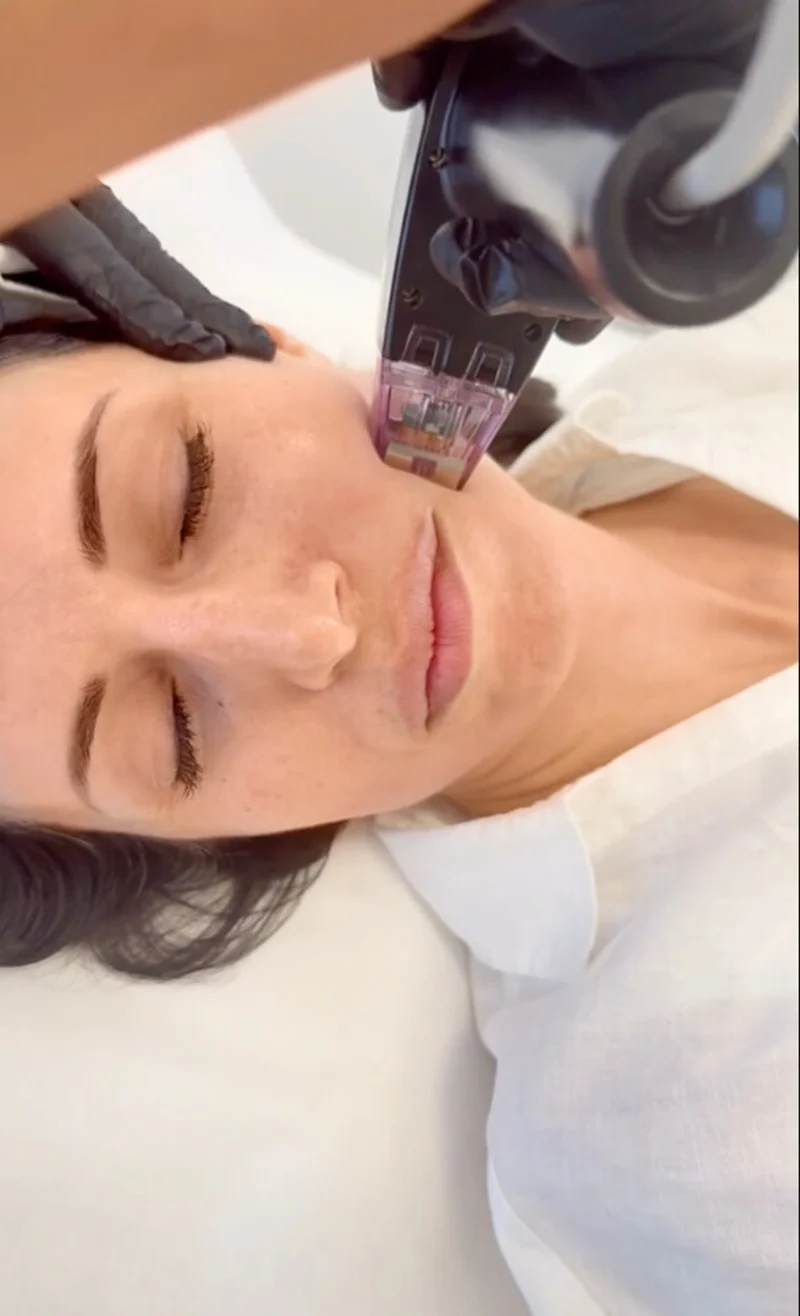
- Preparatory treatments such as radiofrequency (RF) microneedling, CO2 laser or a chemical peel can improve the texture of the scar before tattooing.
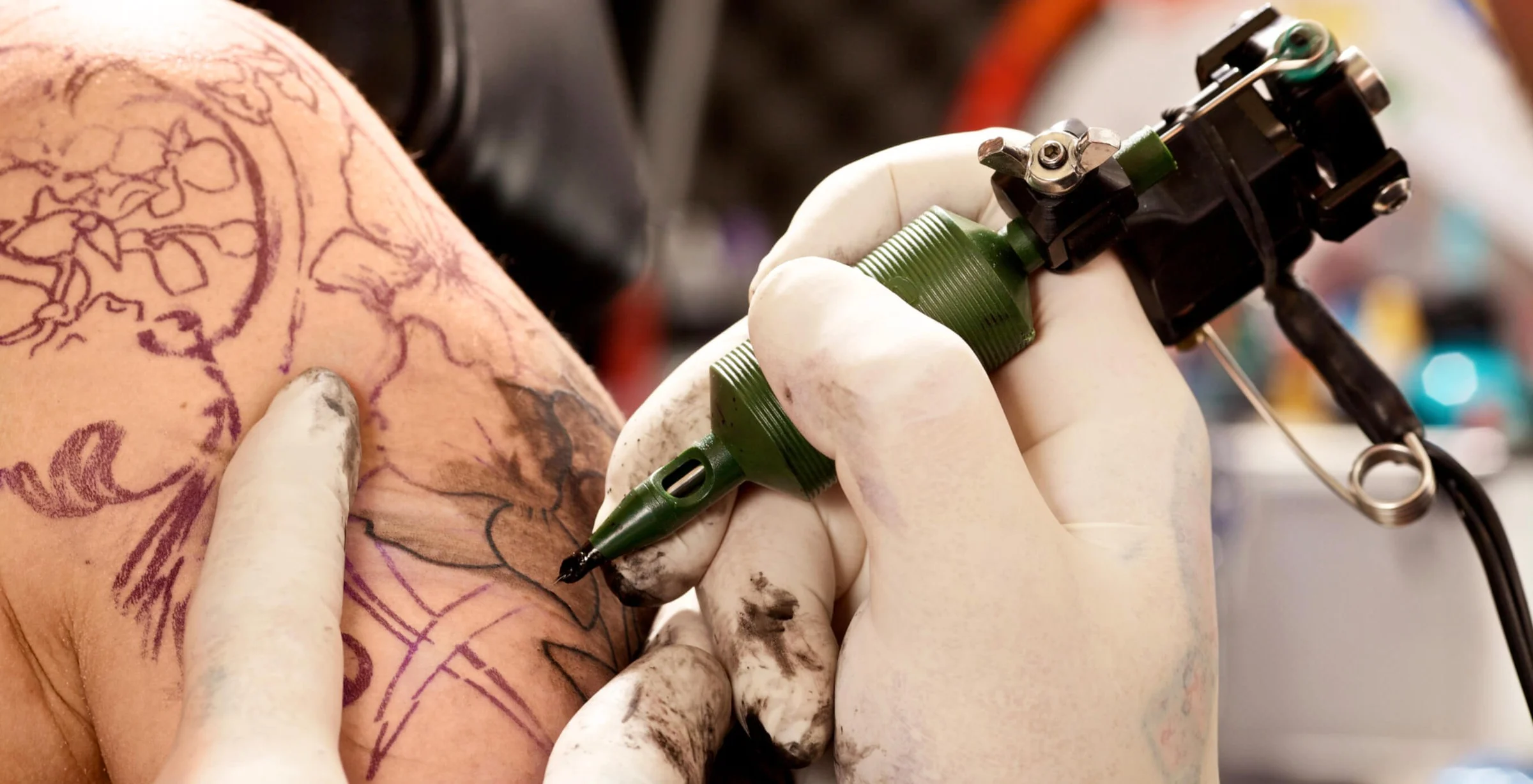
In most cases it is possible to tattoo over a scar, but only after the scar has fully healed and the skin in the area has stabilised – usually 12 to 18 months after healing, and sometimes even longer depending on the type and depth of the scar. With keloid or hypertrophic scars, the risk that the tattoo will make the scar worse rises significantly, and in many cases it is better to avoid it. At Dermacare clinic we offer a suitability assessment and preparation of the scar for tattooing with treatments such as radiofrequency (RF) microneedling, which improve the texture of the skin and prepare it in the best possible way.
Can you tattoo over scars?
In principle, yes. Most scars can be covered with a tattoo, provided they have fully healed. However, tattooing over scar tissue is fundamentally different from tattooing healthy skin. Scar tissue is made up of collagen fibres with a different structure, and it may absorb colour unevenly. The final result depends on three main factors: the type of scar, its age and its location on the body.
When can you tattoo over a scar?
A scar is considered stable when the healing process has finished and it is no longer actively changing – the colour is no longer red or purple but pale or skin-toned, there is no more itching or sensitivity, and there is no change in thickness. Many clinical sources, including a StatPearls review published through the National Library of Medicine (NCBI) and a review in PMC on post-surgical scar management, state that the healing process of a scar usually takes 12-18 months.
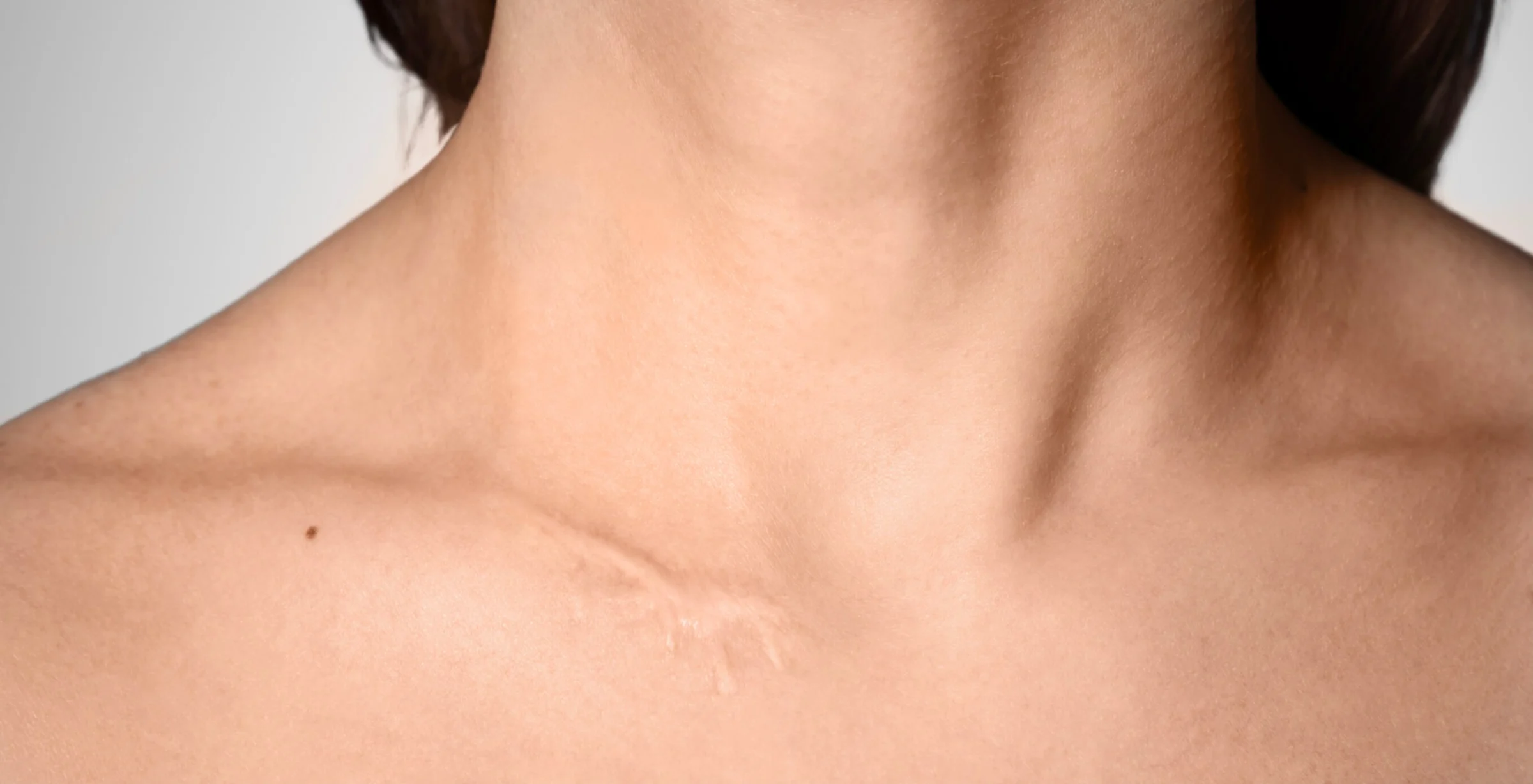
The UK's National Health Service (NHS) states that scars may continue to change for up to two years and even longer. In some scars, especially after extensive burns, the healing process can continue beyond two years and sometimes for several more years. A tattoo over a scar that has not yet stabilised can distort the result and even make the scar worse. If you are not sure whether your scar is ready, it is advisable to get an assessment from a dermatologist.
Types of scars – what is suitable for tattooing and what is less so
Not every scar reacts to a tattoo needle in the same way. These are the five main types:
Surgical or flat scar
Characteristics: flat, pale tissue, usually a straight, thin line. Common after a caesarean section, abdominal surgery, stitched cuts and more.
Tattooing challenge: colour uptake is usually reasonable, but slight differences in texture may develop between the tattooed area and the surrounding skin.
Before the tattoo: wait 12-18 months after surgery, make sure the scar is flat and pale and consult an experienced tattoo artist.
Atrophic scar – acne scars and stretch marks
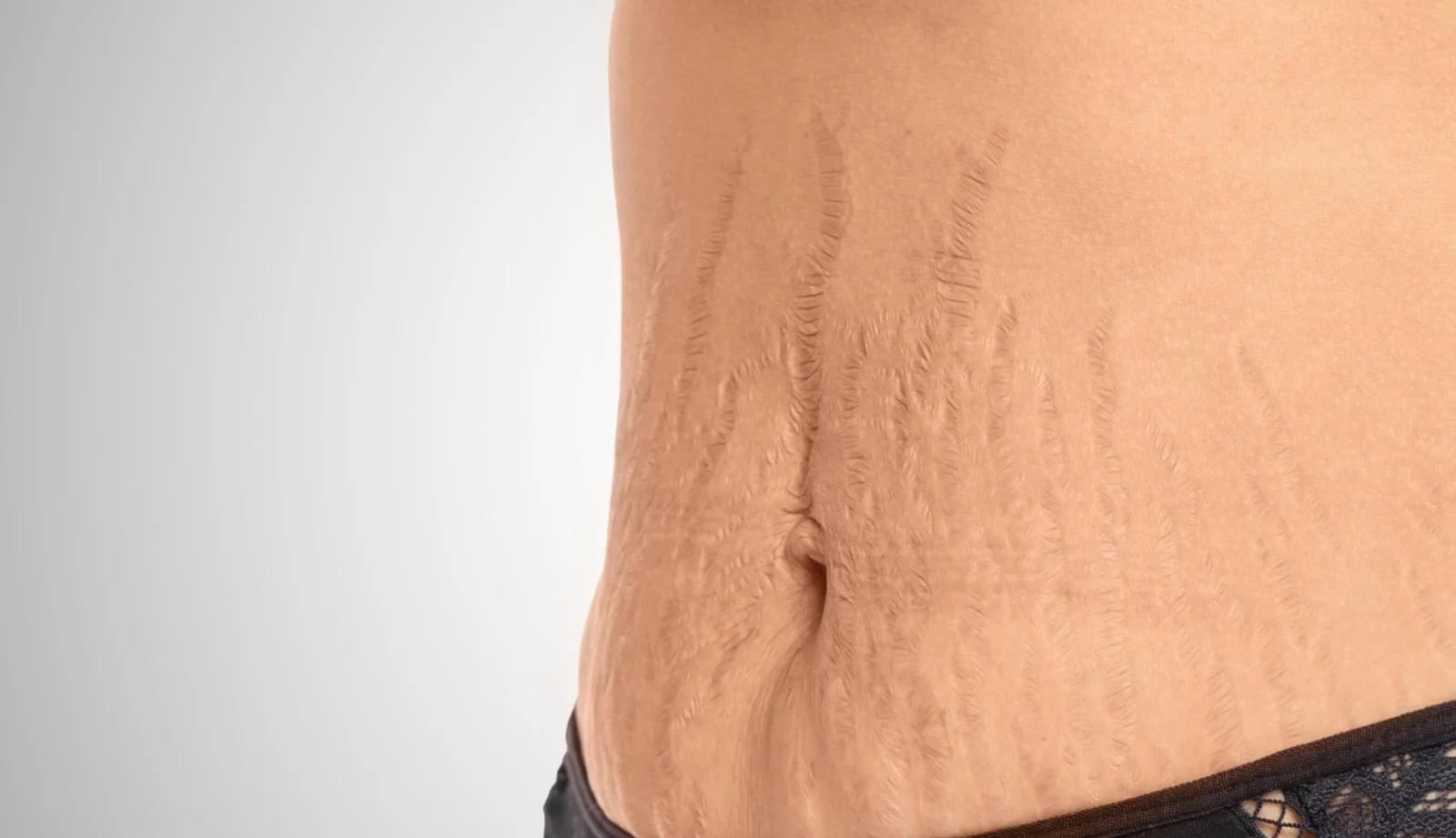
Characteristics: depressions or pale streaks in the skin. Acne scars create small "pits" in the skin, and stretch marks usually create thin atrophic streaks.
Tattooing challenge: the skin is thinner and tends to absorb colour unevenly. Increased risk of Blowout (ink spreading outside the lines). Designs with fine details may look blurred.
Before the tattoo: it is highly recommended to treat acne scars or stretch marks with microneedling or CO2 laser to improve the texture of the skin before tattooing.
Hypertrophic (raised) scar
Characteristics: a thick, raised scar, red or pink, but remaining within the boundaries of the original wound.
Tattooing challenge: it is difficult to insert colour evenly into thick tissue. There may be noticeable differences in texture in the final result.
Before the tattoo: medical advice is recommended. Preparatory treatment such as steroid injections or radiofrequency (RF) microneedling may improve the condition of the scar.
Keloid scar or a tendency to keloids
Characteristics: a raised, thick scar, sometimes red or dark, that grows beyond the boundaries of the original wound. It may continue to grow for months and even years after the injury.
Warning: tattooing over a keloid scar is a dangerous move. The trauma of the tattoo needle can reactivate the scarring process and cause the scar to grow even larger. The British Association of Dermatologists (BAD) recommends that people prone to keloid scars avoid causing further trauma to the skin, such as tattoos, piercings and unnecessary surgery. The AAD also recommends forgoing tattoos if you are prone to keloids, or at least doing a test on a small area and monitoring the reaction.
Before the tattoo: you must consult a dermatologist. If there is a family history of keloids, even without an existing keloid scar – caution is needed.
Burn scars
Characteristics: an irregular surface texture, thin and sensitive skin, a different shade from the surrounding skin.
Tattooing challenge: among the most complex scars to tattoo. The damaged skin may not absorb colour at all in certain areas.
Before the tattoo: medical advice is essential. Preparatory treatment of the scar with CO2 laser or microneedling can improve the texture of the skin.
Checklist: how do you know the scar is ready for a tattoo?
Before going to a tattoo artist, check the following signs:
- The scar is no longer red, pink or purple – but pale or skin-coloured
- There is no more itching, pain or sensitivity in the scar area
- The scar has not changed in colour, size or texture for at least several months
- At least 12-18 months have passed since the injury or surgery
- The scar is flat and stable (no active raised areas or redness)
If one or more of these signs is not met – the scar is probably not ready yet, and it is advisable to wait.
When should you not tattoo over a scar?
There are situations in which it is better to avoid tattooing over a scar:
- When there is an active keloid scar or a known family tendency to keloids – the risk of worsening is very high
- When the scar is still fresh and has not finished the healing process
- If there is active inflammation, infection or a skin condition (eczema, psoriasis) in the area
- If you are taking medication such as isotretinoin (Roaccutane) or have stopped it only recently – the skin may be more sensitive. Recommendations vary according to the type of procedure and the condition of the skin, so it is best to consult a dermatologist before tattooing
- When the scar is located in an area with a lot of movement, such as the elbow or ankle, where the skin stretches significantly
Whenever in doubt, seek medical advice before making a decision.
Tattoo design to cover a scar – what works?
Covering a scar with a tattoo requires different design thinking from a regular tattoo. Designs with organic shapes, colour gradients and dynamic patterns are more suitable than precise geometric designs or fine lines. Experienced tattoo artists know how to work with the scar and not against it. Sometimes the right approach is to incorporate the scar as part of the design – for example with lines or shading that flow around it – instead of tattooing directly over it. The tattoo must be larger than the scar area in order to blur its edges effectively.
How do you choose a tattoo artist for work on a scar?
Tattooing over a scar is not a standard task, so it is important to choose a tattoo artist who specialises in working on scar tissue. Before you start tattooing, check the following:
- Proven experience with scars – ask to see previous work specifically on scars, not just regular tattoos
- A varied portfolio – check whether there are examples of different types of scars (surgical, stretch marks, burns)
- Sterilisation and disposable needles – make sure the studio works to strict hygiene standards, especially when working on vulnerable skin
- Willingness to do a "test spot" – a professional tattoo artist will agree to test a small spot before a full tattoo over the scar
- Adapting the design to the scar – a good tattoo artist will talk to you about the scar's limitations and adapt the design accordingly, and will not
- promise a perfect result in every situation
Does a tattoo make a scar disappear completely? Realistic expectations
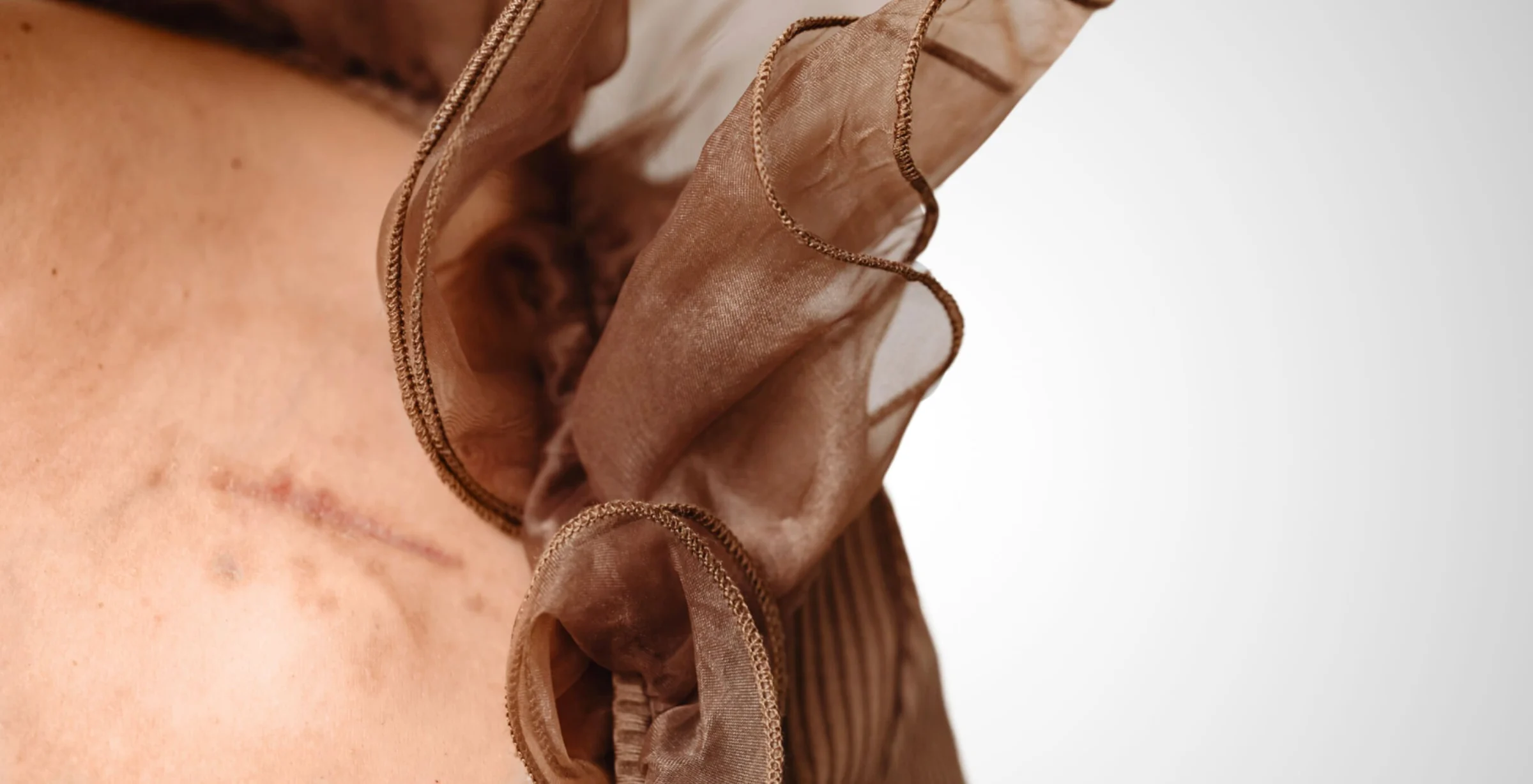
It is important to understand in advance: a tattoo over a scar is blurring and camouflage, not "erasure". Even a successful tattoo will not make the skin as smooth as it was before the injury. The texture of the scar remains under the tattoo, and on close inspection it may still be possible to notice differences in texture. A tailored design and an experienced tattoo artist can significantly divert attention from the scar, but "complete disappearance" is an expectation that will usually not be met.
In addition, scar tissue may not hold colour as intensely as normal skin, so a touch-up may be needed a few weeks after healing. Setting realistic expectations in advance, in an open conversation with the tattoo artist, is an essential part of the process.
Does tattooing over scars hurt?
The sensation while tattooing over scar tissue varies greatly from person to person and from scar to scar. Contrary to popular belief, there is no guarantee that it will be less painful. In areas where the scar has damaged nerve endings there may be reduced sensation – and then the tattoo will be felt less. But in many cases, scar tissue is more sensitive than normal skin, especially in deep or keloid scars or those that have caused nerve damage. The result can be stronger pain, tingling or unexpected "electric" sensitivity.
Risks and side effects
Tattooing over scars carries unique risks that are important to know in advance:
- Uneven colour absorption – scar tissue is harder and denser than normal skin, and the colour may spread irregularly. A touch-up may be needed after healing
- Blowout – the ink "spills" under the skin and creates a smudged look around the lines, mainly in thin atrophic tissue
- Worsening of the scar – especially in keloid scars, the trauma of the needle can reactivate the scarring process and cause the scar to grow
- Longer healing – healing may take longer than with normal skin, so it is important to follow hygiene rules and the tattoo artist's instructions and to get checked if there are signs of infection
Medical tattooing – what is the difference?
Medical tattooing (Paramedical Tattoo) is a special type of tattoo performed for reconstructive purposes. Unlike an artistic tattoo that covers the scar with a decorative design, medical tattooing aims to restore a natural, even appearance to the skin. Common uses include reconstructing the areola after a mastectomy, blurring large surgical scars and covering areas with different pigmentation. Medical tattooing requires specific training in matching shades to the skin colour.
Preparing the scar for a tattoo – preparatory treatments
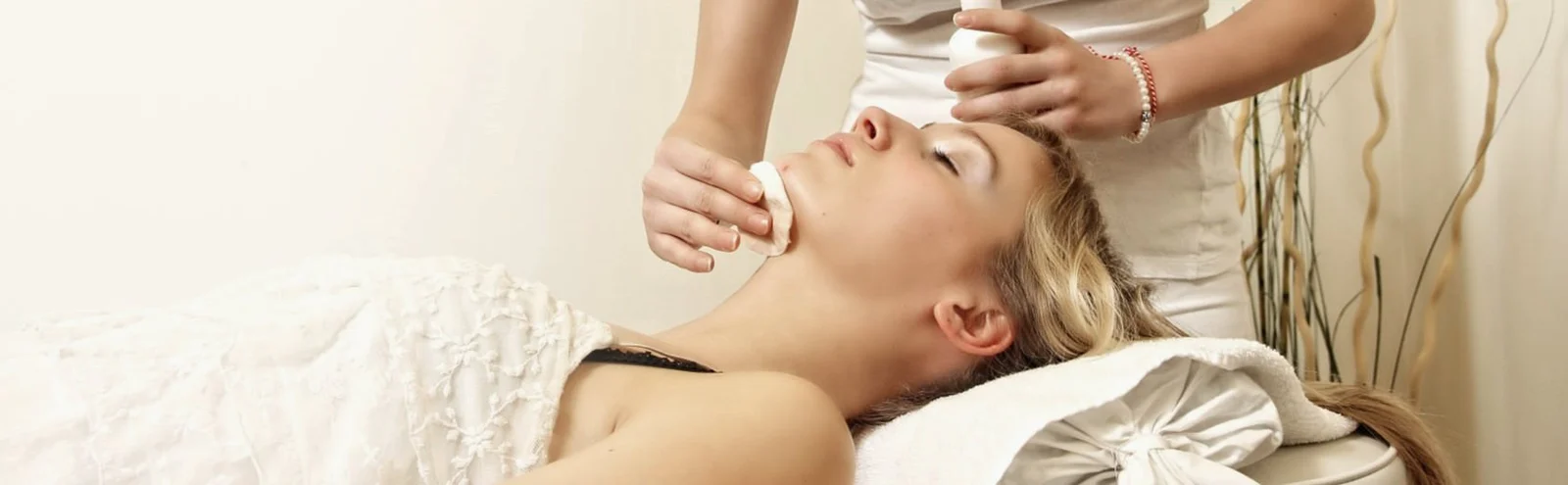
A scar is not always ready "as is" for a tattoo. Preparatory treatment can significantly improve the texture of the skin and thereby also improve the results of the tattoo:
Microneedling combined with radiofrequency – combines microneedles with radiofrequency energy to stimulate collagen production and smooth the texture of the scar. Particularly beneficial for atrophic scars and stretch marks.
Laser treatments – fractional CO2 laser creates micro-channels in the skin that stimulate natural renewal. Suitable for hypertrophic scars and old burn scars.
Chemical peel – for superficial scars, an acid peel and a TCA (trichloroacetic acid) peel can smooth the surface and improve the evenness of the skin tone.
Any preparatory treatment should be completed several months before the planned tattoo, to allow the skin to heal completely from the treatment.
Sun and scars – why is protection important before and after the tattoo?
A scar is more sensitive to UV radiation than normal skin. Prolonged exposure to direct sunlight can cause pigmentation changes, darken or lighten the scar, and slow the healing process. The NHS recommends protecting scars from the sun for at least a year by covering them with clothing or using SPF 30+ sunscreen. After tattooing over a scar, protection is even more important – UV radiation can fade the colours and impair the healing of the tattoo. Take care to protect yourself from the sun at every stage.
Care and follow-up after tattooing over a scar
Follow the tattoo artist's instructions. In most cases: gentle cleansing twice a day with a mild soap and lukewarm water, patting dry and applying a thin layer of a gentle, fragrance-free moisturiser several times a day. Avoid direct sun exposure and swimming until fully healed. Once the skin has closed and healed, apply SPF 30 sunscreen whenever you are exposed to the sun. Avoid hot baths and intensive activity in the first two weeks. The healing time of a tattoo over a scar may be longer than with normal skin, so it is important to follow hygiene rules and get checked if signs of infection appear: spreading redness, swelling, local heat or discharge.
Summary
A tattoo over a scar can be a meaningful way to turn a troubling body mark into a personal work of art. Success depends on patience, choosing an experienced tattoo artist and a professional assessment of the scar. If you are considering covering a scar with a tattoo or would prefer to improve the texture of the skin first, our professional team at Dermacare clinic in Petah Tikva will be happy to help with a personal assessment and a tailored treatment plan.
Contact us: 03-6127888 | info@dermacare.co.il | Book an appointment online
By: Eduard Yusupov, owner of the Dermacare clinic chain in Austria and Israel since 2010. An expert in aesthetic skin treatments and tattoo removal.
Read more about laser tattoo removal at Dermacare clinic in Petah Tikva.
Frequently asked questions
Yes, flat surgical scars are among the most suitable for covering with a tattoo. The condition: that the scar has healed completely, usually 12-18 months after the surgery. If the scar is still pink or sensitive, it is better to wait. It is recommended to turn to a tattoo artist with experience working on scar tissue.
The accepted rule is to wait between 12 and 18 months from the moment the wound has closed completely. With large, deep or burn scars, the wait may be longer – sometimes two years and even beyond. A sign that the scar is ready for a tattoo: it has become white or skin-coloured, flat, free of itching and without active changes.
Yes, especially with keloid scars or scars that have not yet healed. The tattoo needle causes micro-trauma that may reactivate a scarring process. Therefore it is important that the scar has healed and is completely stable before tattooing. People with a tendency towards keloid scarring should consult a dermatologist before any decision.
The risk is significant. The BAD recommends that people who are prone to keloids avoid skin trauma such as tattoos. The trauma from the tattoo needles may cause the scar to grow even beyond the boundaries of the tattoo. If you still want to try, it is essential to start with a small test patch and monitor it for several months.
No. Scar tissue is harder and has a different structure from normal skin, so the colour is absorbed unevenly. There may be areas where the colour is strong and areas where it fades or is missing. Sometimes a touch-up treatment is needed a few weeks after healing to complete the result.
Yes, and this is one of the main risks. Scar tissue absorbs colour unpredictably, so there may be differences in tone or texture within the tattoo. Designs with soft shading and colour gradients cope with this better than designs with fine lines and high precision.
The scar is pale and not red, there is no itching or pain, there has been no change in size or texture for several months, and the skin in the area is stable. As a rule, you should wait at least 12-18 months from full healing. If in doubt, a dermatologist can carry out an assessment.
Mild redness and itching in the first days are normal. If they persist beyond a week, intensify, or are accompanied by swelling, fever, discharge or thickening of the skin – see a dermatologist. It may be an infection, an allergic reaction or the beginning of problematic scarring.
Scars are more sensitive to UV radiation than normal skin. Sun exposure may cause hyperpigmentation (darkening of the scar), slow healing and harm the quality of the tattoo. Apply sunscreen of SPF 30 or higher to the scar with every exposure, both before the tattoo and after it.
Yes. An artistic tattoo covers the scar with a decorative design. A medical (paramedical) tattoo aims to restore a natural appearance to the skin – for example, recreating an even skin tone over a scar, or creating an areola after a mastectomy. Both require a tattoo artist experienced with scar tissue, but the design approach is completely different.