In brief
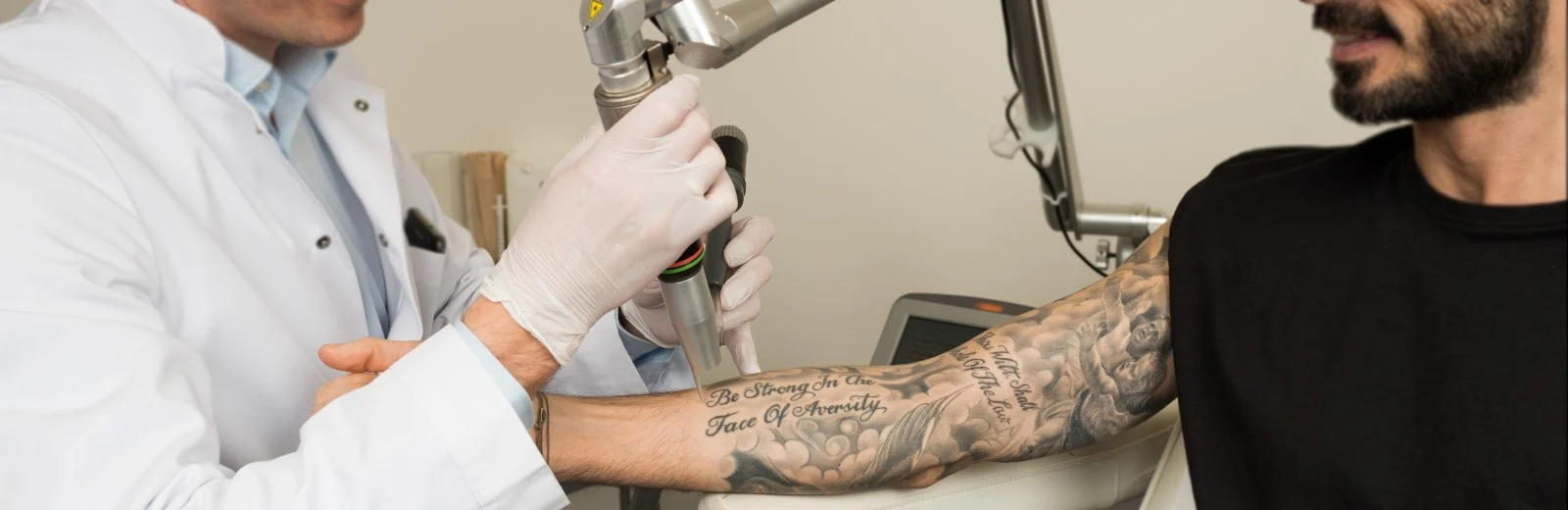
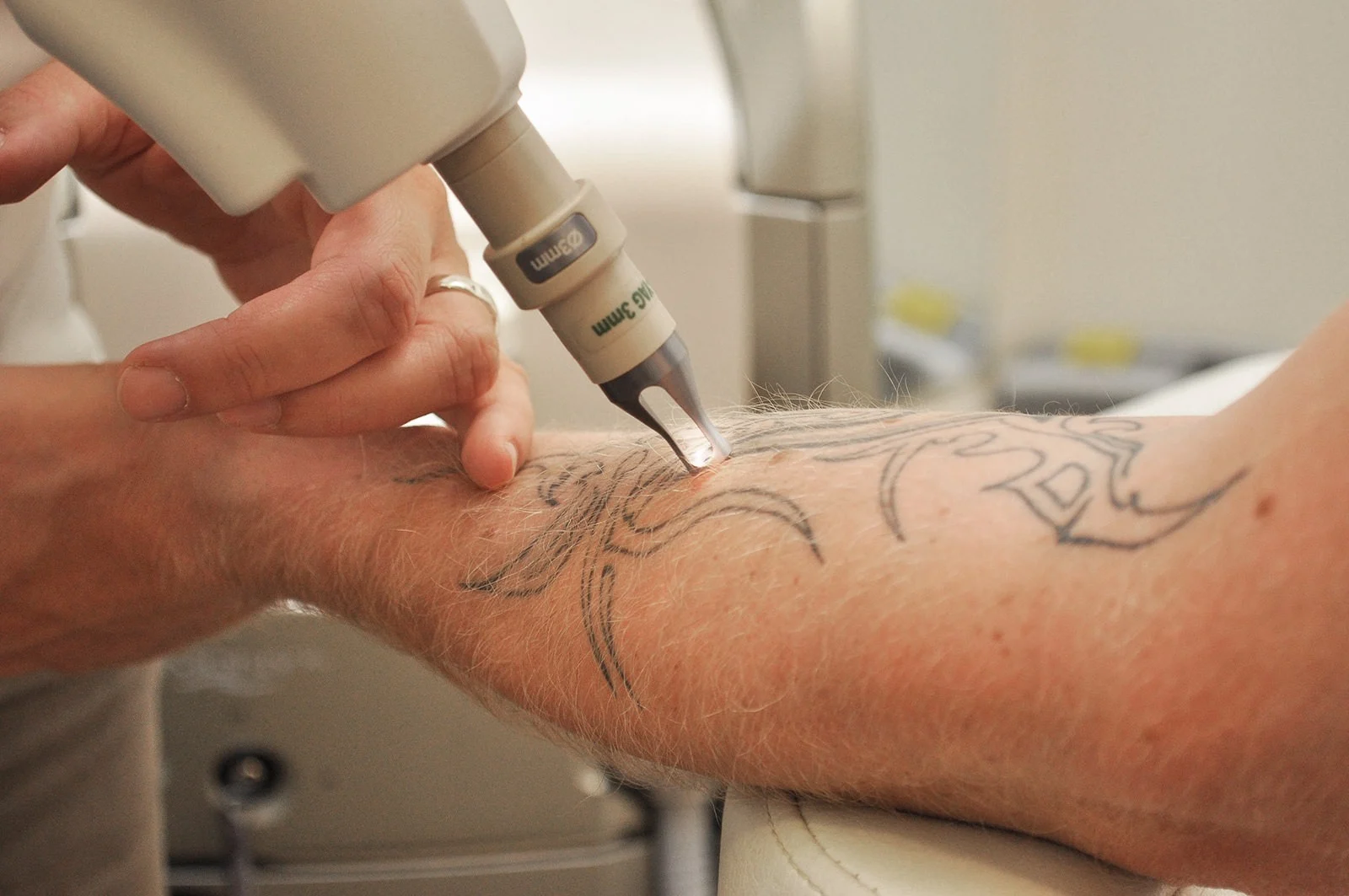
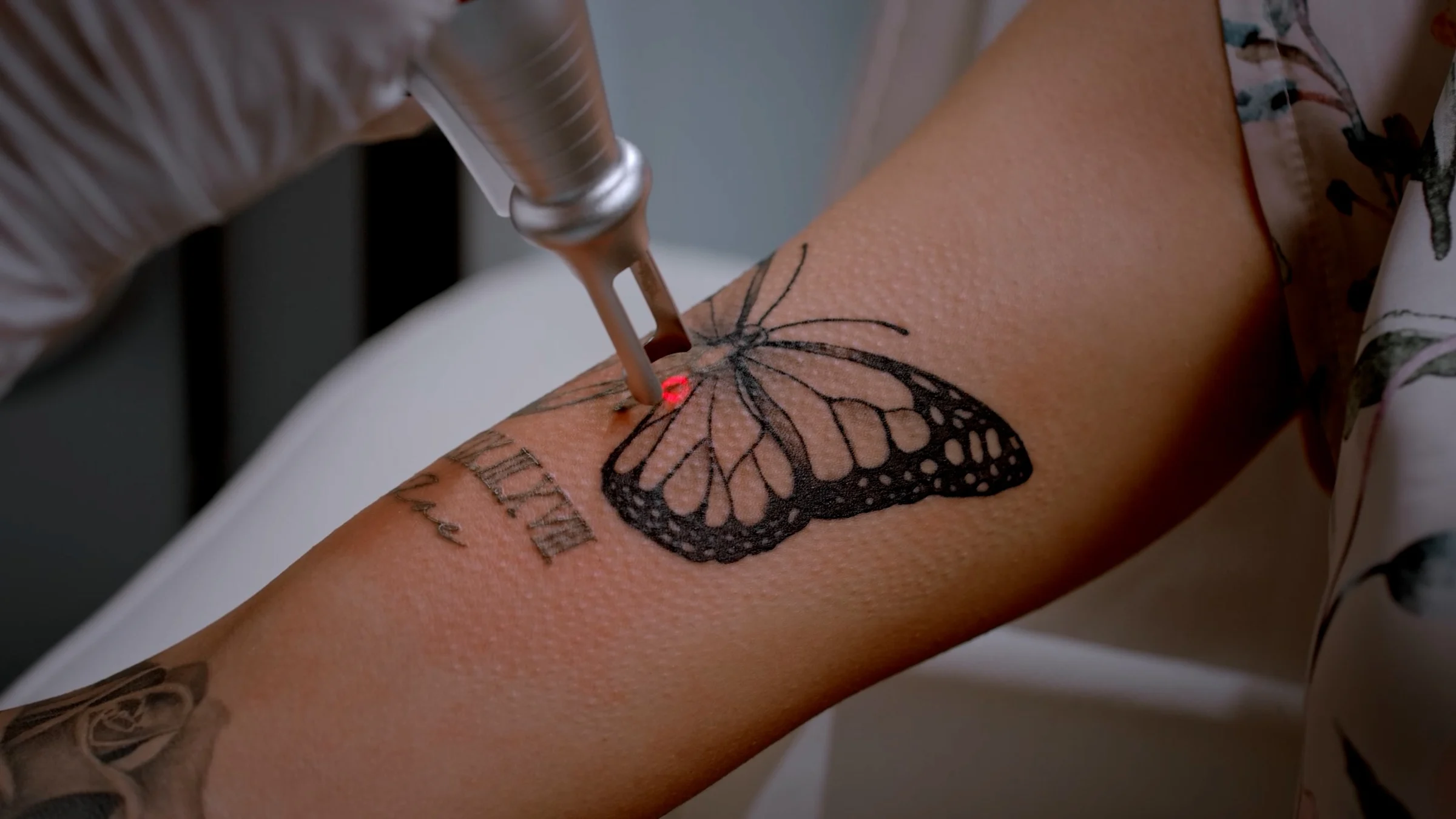
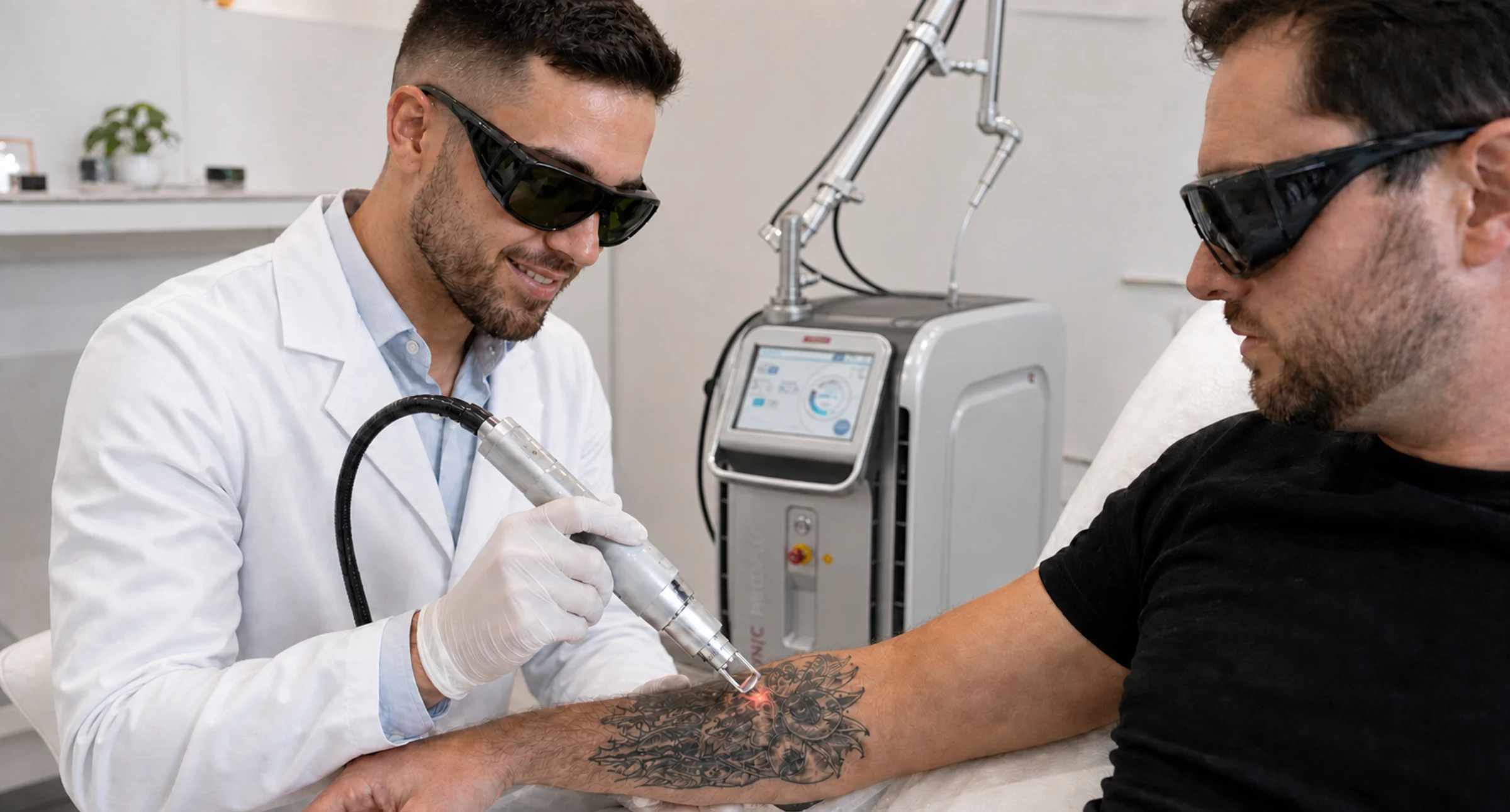
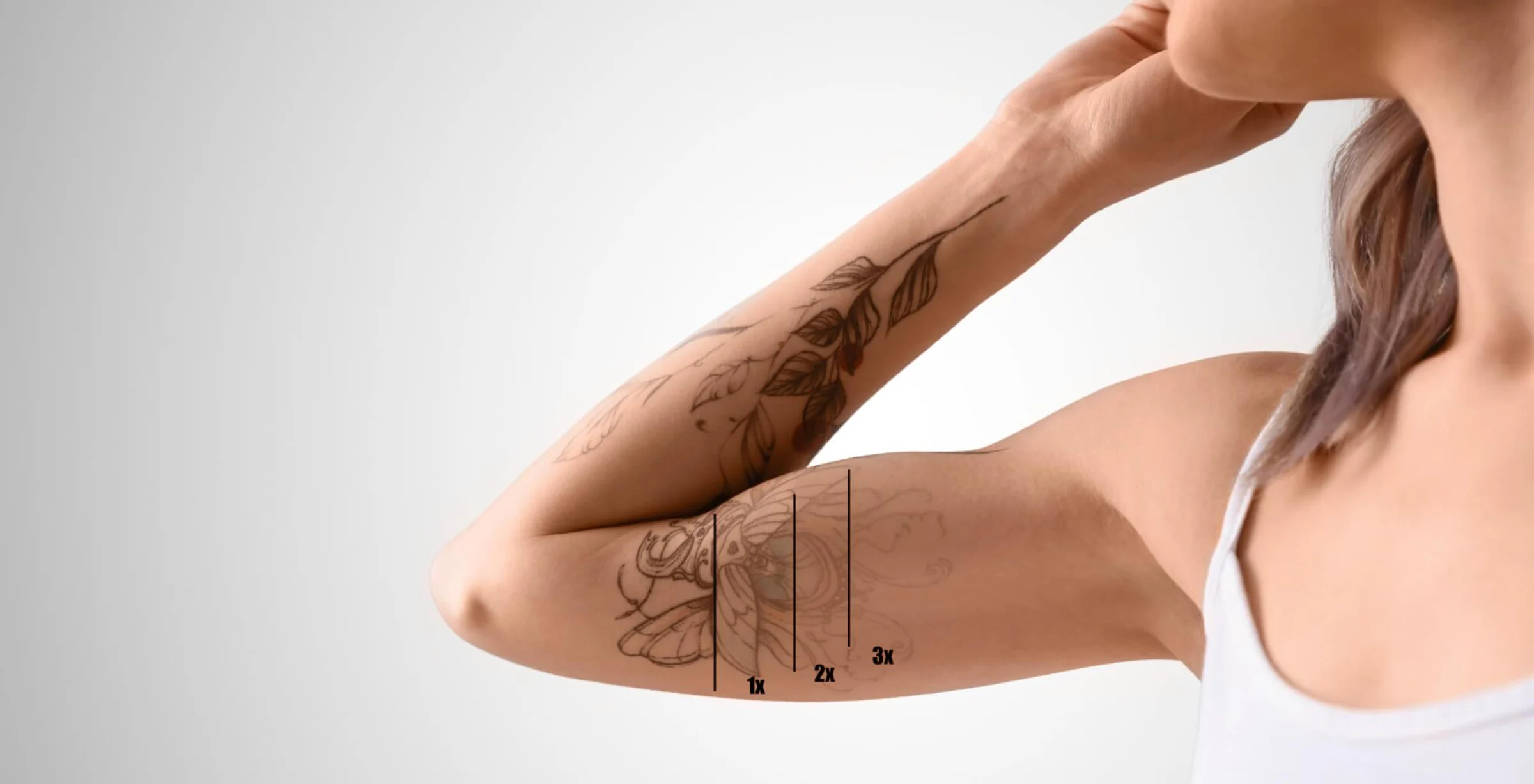
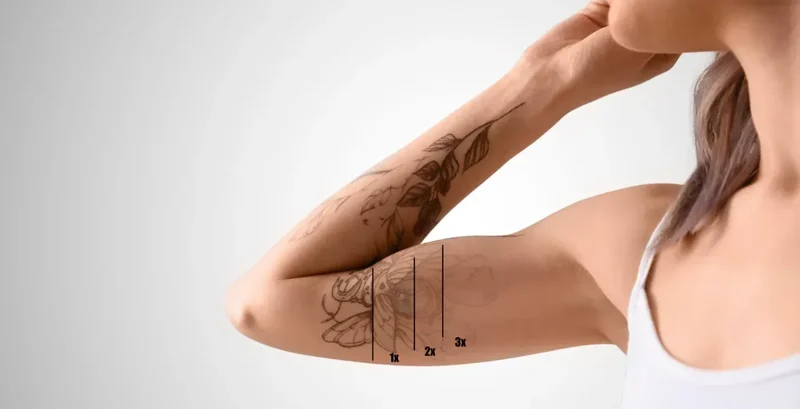
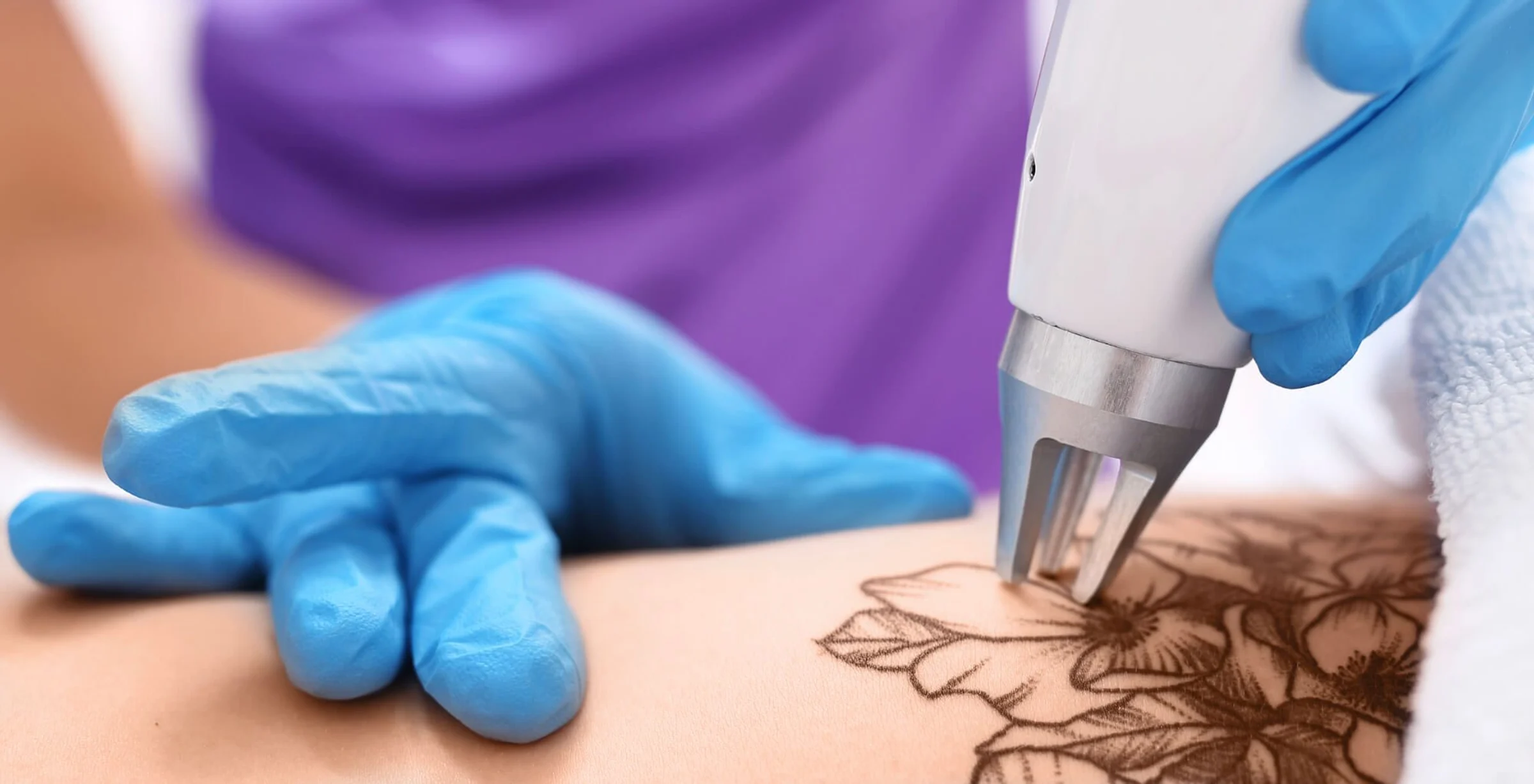
- Pico laser is considered the advanced method for tattoo removal; it breaks the pigment down into particles that the body clears through the lymphatic system.
- Dark tattoos respond faster, while light colours such as yellow and green require dedicated parameters and more treatments.
- On average, 6 to 12 treatments are needed, with an interval of 6-8 weeks and sometimes 8-12 weeks between them.
- Creams and home treatments do not reach the depth of the skin and may cause irritation, allergies or burns.
- After the treatment, avoid the sun for at least 4 weeks, use SPF 50 and see a doctor if the redness worsens after 48 hours.
In brief: Tattoo removal methods include pico laser, surgical removal, dermabrasion and chemical methods. The choice depends on the size of the tattoo, the range of colours, the depth of the ink, the skin type and the practitioner's experience. According to the FDA, laser tattoo removal is the most common method used by healthcare professionals, because it breaks down the pigment in a targeted way – with a negligible risk of scarring when the protocol is adapted to the skin type, the practitioner is professional and highly experienced in the field, and the patient follows the aftercare instructions. Various creams and chemical substances are sold to the public and marketed as "tattoo removers" – beware of them, as they do not reach the depth of the skin and cannot break down tattoo ink, and may even cause irritation or burns to the skin.
Key points
- Pico laser is considered the most advanced option for tattoo removal available today
- Dark or black tattoos respond faster: light colours such as yellow require dedicated parameters
- The average number of treatments required for removal ranges from 6 to 12, depending on the type of tattoo
- Creams and home treatments are ineffective and may damage the skin
- Proper care after removal, including sun protection, avoiding prolonged time in the sun (or covering the tattoo), and caring for the skin with a suitable ointment, is critical to preventing complications
Why do people choose to remove a tattoo?
Tattoos stay with people for years, but sometimes reality changes. The tattoo fades, the lines blur, the motif no longer suits your lifestyle, or it reminds you of a period you would rather leave behind. Sometimes the decision is driven by a wish for a more professional appearance, a personal change, or simply the desire to turn over a new leaf. Whatever the reason, today's technology makes it possible to remove tattoos more safely and effectively than ever before.
An overview of tattoo removal methods
Not all tattoo removal methods are equal in terms of effectiveness, safety and the number of treatments required. It is important to understand that not every method suits every type of tattoo: a small black tattoo responds completely differently from a large coloured tattoo, and a tattoo with deep ink requires a different approach from a tattoo with superficial lines. The following comparison is intended to help you understand which method may be more suitable in each case, rather than to lay down a single verdict for everyone.
Pico laser – today's advanced technology for laser tattoo removal
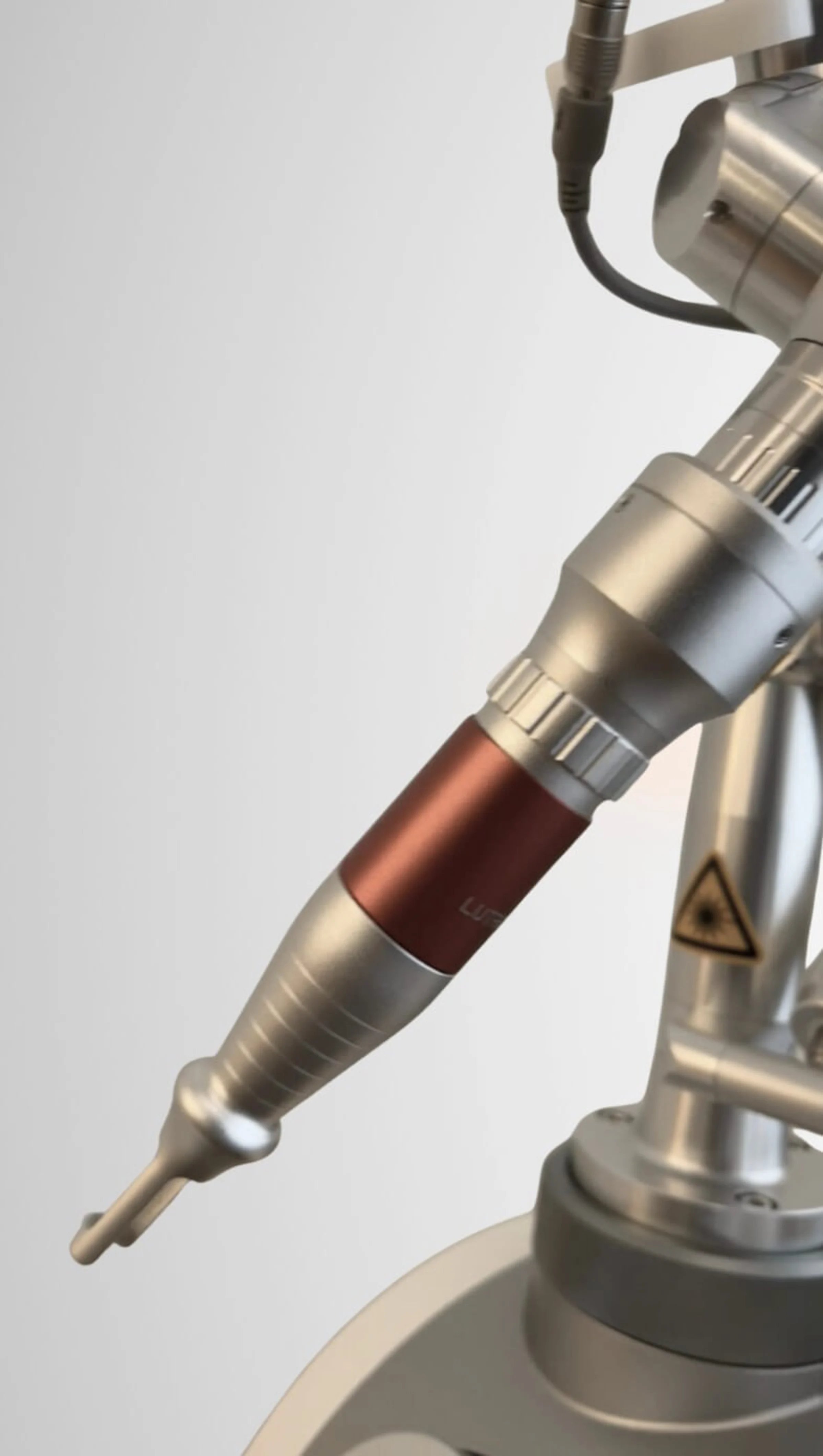
Unlike older laser technologies, pico laser works with extremely short pulses that allow the tattoo pigment to be broken down effectively into smaller particles. The body clears these particles naturally through the lymphatic system. According to the American Academy of Dermatology, laser tattoo removal is the most common and widely accepted method today, because it allows the tattoo pigment to be broken down while protecting the surrounding skin.
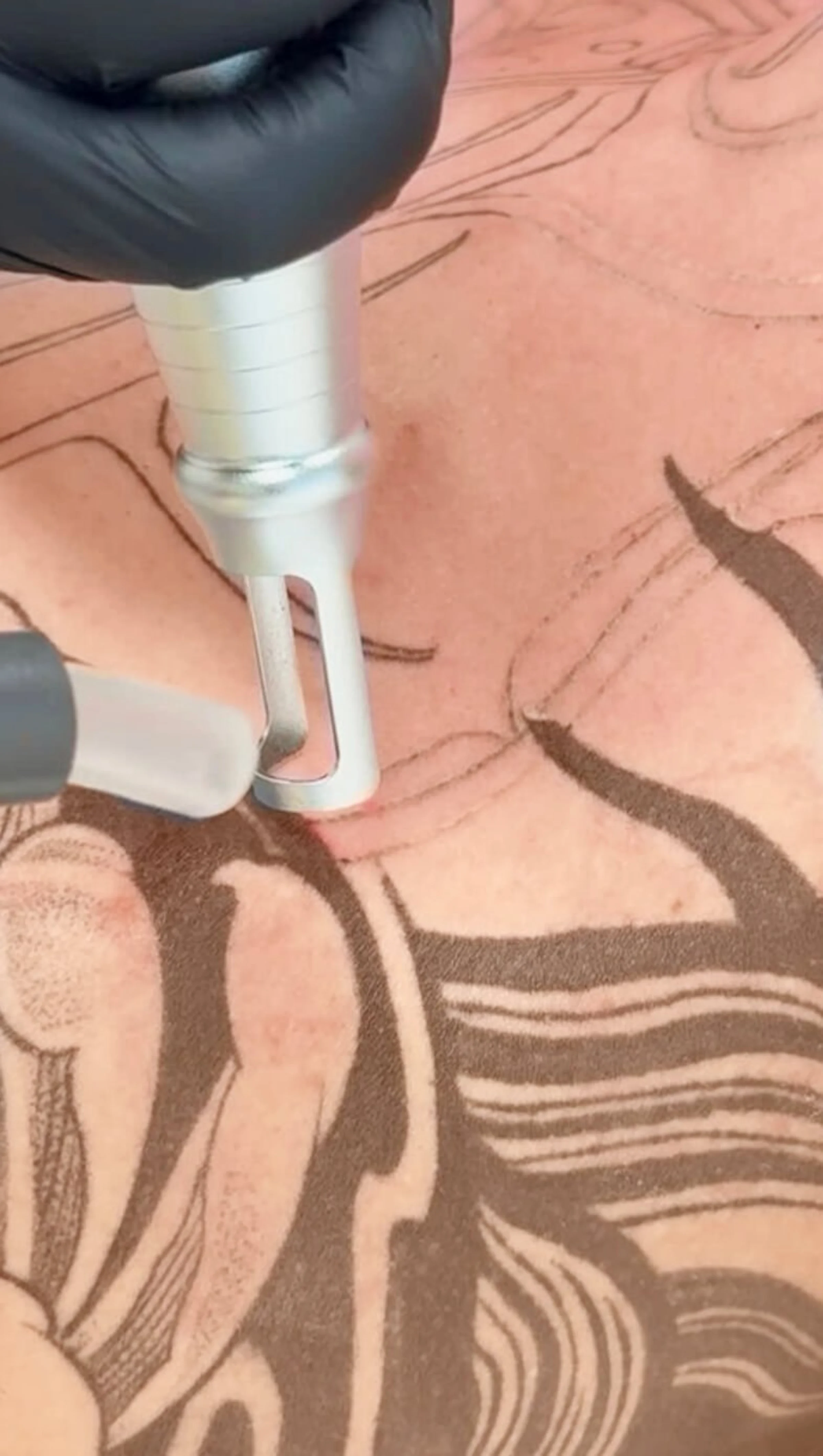
Coloured tattoos – why are they more complex? Coloured tattoos are more challenging to remove for a simple reason: each colour shade absorbs different wavelengths of light. Black tattoos tend to respond better to removal, because black ink absorbs laser energy more efficiently and across a wider range of wavelengths. Other colours (such as green or yellow) absorb light more selectively and are therefore sometimes harder to break down. Different colours require dedicated parameter settings, as well as more treatments. The response depends on the specific ink composition, its depth and the skin type.
Complete disappearance cannot be guaranteed for every coloured tattoo. The aim of the initial assessment of the tattoo is to determine realistically whether the goal is complete removal or lightening in preparation for a cover-up – and to plan the series and set expectations accordingly. For more details: coloured tattoo removal with pico laser at Dermacare
Surgical removal – for very specific cases
For very small tattoos that do not respond sufficiently to laser treatments, surgical removal can be considered in certain cases. In this procedure, the doctor removes the area of skin containing the tattoo and then closes the site with stitches. The method removes the tattoo in a single treatment, but leaves a surgical scar and is limited to small tattoos only. According to the Mayo Clinic, this method is used only in exceptional cases where laser is not possible. The treatment itself is performed under local anaesthetic and takes about an hour.
Dermabrasion and chemical methods – not recommended
In dermabrasion, the tattooed area is sanded down to the deep layers of the skin, and in chemical methods, acids are introduced into the skin to break down the ink. Both methods are outdated and not recommended because of the high risk of scarring, infection and unpredictable pigmentation changes.
Creams and home treatments – not effective
No cream penetrates to the depth of the dermis layer where the ink is deposited. The Mayo Clinic makes it clear that home products are ineffective and may cause irritation, allergies and damage to the skin.
How do you choose the right removal method?
The decision on the removal method is not generic – it depends directly on the characteristics of the specific tattoo. A black or dark tattoo is usually the technically simpler case. Dark pigments absorb laser light highly efficiently, and the response is usually good from the very first treatments. A coloured tattoo requires technology capable of handling a range of shades. Pico laser is considered one of the most effective approaches. It is important to know in advance that the series of treatments may be longer than for classic black tattoos. A very small tattoo that does not respond to laser treatments may be a candidate for surgical consideration, although the remaining scar is an additional factor that must be taken into account.
How many treatments are needed to remove a tattoo?
The number of treatments required depends on several factors and there is no single answer. Usually there is a wait of 6-8 weeks between treatments (and sometimes 8-12 weeks, as needed and at the practitioner's discretion), depending on the skin type and the healing response.
| Factor | Effect on the number of treatments |
|---|---|
| Size of the tattoo | The larger the tattoo, the more treatments are needed, because the body has to clear more ink. |
| Colours | Black pigment responds faster. Other colours such as green and yellow usually require additional treatments. |
| Ink depth | The deeper the ink has been placed, the more treatments are usually required. |
| Type of tattoo (amateur / professional / cover-up) | Amateur tattoos are usually more superficial and respond relatively quickly. Professional tattoos and cover-ups can be deeper and denser, and therefore usually require more treatments. |
| Skin type | Fair skin allows a higher treatment intensity. Dark skin requires more conservative settings. |
| Location on the body | Areas with good blood flow, such as the back, respond faster than the shins, for example. |
| Age of the tattoo | An old tattoo that has partially faded may respond faster. A fresh tattoo usually requires more treatments. |
What can you expect from the tattoo removal process?
Most patients want to know not only which method suits them, but also what the process actually looks like – from the assessment stage, through the treatment itself, to healing between sessions. Understanding the stages in advance helps set realistic expectations and prepare properly for a series of treatments.
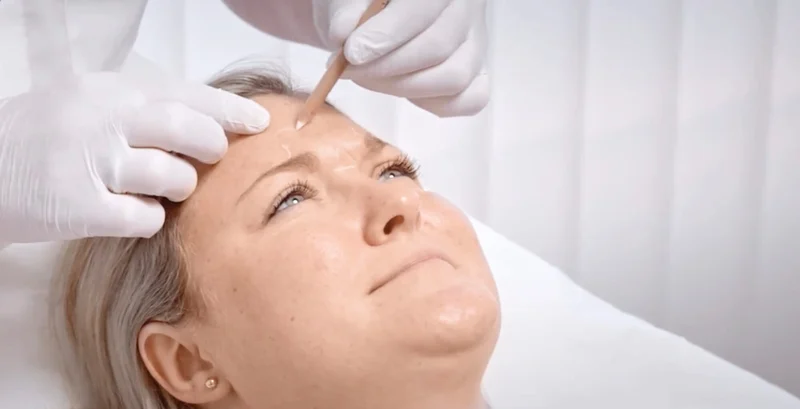
- Assessment and evaluation of the tattoo: The practitioner examines the tattoo and assesses its size, colours, estimated ink depth and the skin type. On this basis, a realistic estimate of the number of treatments required is presented.
- Suitability check: The relevant medical history is reviewed, including any tendency to scarring, medications the patient is taking, direct sun exposure and the general condition of the skin in the treatment area.
- Preparation before treatment: It is recommended to avoid prolonged direct sun exposure and tanning for four weeks before and after the treatment. It is also recommended to stop using creams containing active ingredients such as retinol or acids on the area in the days before the treatment.
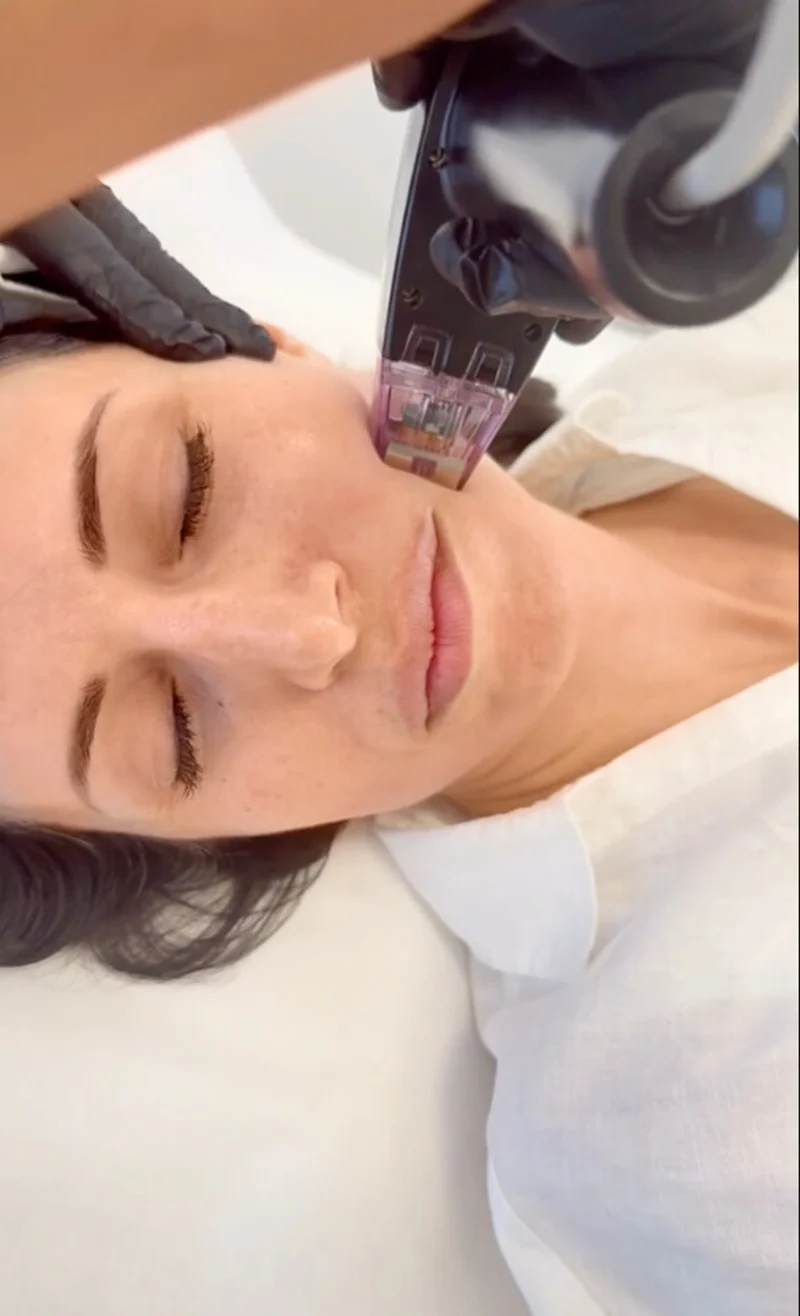
- The treatment itself: An anaesthetic cream can be applied to the area about one to two hours before the treatment begins. The length of the session depends on the size of the tattoo and the area of the body – the removal treatment can last anywhere from a few seconds to half an hour. Most patients describe a sensation similar to getting the tattoo. Sometimes a brief superficial "whitening" is seen during or immediately after the treatment, which passes quickly – an expected reaction known as the "frosting effect" that is nothing to be alarmed about.
- Common reactions within 24 to 72 hours: Redness and mild swelling are normal reactions that pass within 24-48 hours. An inexperienced practitioner and the use of old technologies or incorrect intensities sometimes lead to skin damage such as blisters. If a large, painful blister appears, or there is concern about infection, contact the practitioner or a doctor.
- Intervals between treatments: Usually you need to wait 6-8 weeks between one treatment and the next (and sometimes, at the practitioner's discretion, 8-12 weeks), depending on the skin type and the healing response. The body needs time to clear the broken-down pigments, and shortening the interval impairs the effectiveness and safety of the treatment.
How long does a session last and when will you see a change?
The length of the session itself varies according to the size, colours and location of the tattoo – small tattoos may be finished within a few seconds, while larger tattoos may require 15-30 minutes. As a rule, there is no immediate result to expect: the fading gradually becomes visible from session to session, after the body clears the pigments. The pace of fading depends on the ink colour, its depth, the skin type and the patient's metabolic rate. Therefore there is no single timeline that applies to everyone. It is important to start the series of treatments with realistic expectations and to give the process the time it needs.
Proper care after laser tattoo removal
What to avoid in the first 48 hours after treatment
- Direct friction on the treated area
- Applying creams containing active ingredients (acids, retinol, fragrances)
- Strong heat: very hot water, long baths
- Scratching the area
- Strenuous sport that causes heavy sweating in the area
- Swimming pools, the sea or jacuzzis
- Saunas and steam
- Shaving or waxing the treatment area
Depending on the practitioner's instructions and the local reaction, some of the restrictions may vary from patient to patient and with the complexity of the tattoo.
Sun exposure after tattoo removal
- Avoid direct sun exposure and tanning – both before and after the treatment – for at least 4 weeks.
- Cover the treated area with clothing or another covering, or apply sunscreen of at least SPF 50 every time you go out in the sun.
- If there is an active tan in the treatment area, it is recommended to postpone the treatment until the skin returns to its natural tone – prolonged direct sun exposure can cause pigmentation changes and impair the result.
Aftercare instructions may vary according to the intensity of the treatment, the skin type and the local reaction after the session. You should therefore follow the practitioner's instructions after each treatment and not rely solely on general guidelines.
Possible side effects and when to see a doctor
When laser tattoo removal is performed by a qualified practitioner and adapted to the skin type and tattoo colours, the chance of side effects and burns is negligible. However, there are mild side effects that are considered a normal part of the process: Normal side effects:
- Redness and mild swelling for the first 24-48 hours after the treatment, and sometimes warmth is felt in the tattoo area; in this case it is advisable to cool the area slightly.
Side effects caused by old equipment or an unprofessional practitioner:
- Blisters, pigmentation changes (usually temporary, but sometimes lasting up to several months), burns, a high chance of scarring and increased sensitivity in the area for several days.
When to see a doctor – 4 clear triggers:
- Redness that gets worse instead of better after 48 hours
- Discharge, an unusual smell or local heat in the treatment area
- Unusual pain
- General deterioration, or a reaction that seems unusual compared with the explanation given before the treatment
Who is the treatment suitable for?
There are situations in which it is better to postpone treatment until the skin has stabilised – for example, when there is a fresh tan, irritation or inflammation in the tattoo area, an open wound, or a flare-up of a local skin condition. The aim of postponing is to reduce the risk of pigmentation changes, blisters or slow healing. The decision is made after a short examination and assessment of the skin's condition. Laser tattoo removal is usually suitable for anyone who wishes to remove a tattoo completely or as preparation for a cover-up. You should consult a practitioner before starting treatment in the following cases:
- Pregnancy and breastfeeding
- A known tendency to keloid scarring
- Very dark skin, which requires specific settings and an experienced practitioner
- Use of photosensitising or anticoagulant medications
- Active skin conditions in the treatment area
An initial consultation before treatment is an essential step for assessing personal suitability and setting realistic expectations.
Summary
Tattoo removal is a process that requires personal adjustment, patience and the right choice of treatment method. The differences between a black tattoo and a coloured one, between superficial and deep ink, and between different skin types directly affect the number of treatments and the pace of fading. A professional assessment before starting the series is the right way to choose a suitable method and reduce unnecessary risks.
Want to understand what to expect in your case?
At the Dermacare clinic you will receive a personal, professional assessment of your tattoo, including choice of method, an estimate of the number of treatments and a clear explanation of the process and healing. Contact us: 03-6127888 | info@dermacare.co.il | Book an appointment online This article was written by: Eduard Yusupov | Founder and owner, Dermacare clinic network in Austria and Israel | Specialist in tattoo removal and aesthetic treatments since 2010 Last updated: April 2026 The information in this article is general and does not constitute personal medical advice. For an accurate assessment of your tattoo and a personalised treatment plan, consult a specialist.
Frequently asked questions
The price depends on the size of the tattoo, the number of colours, the number of treatments required and the complexity of the tattoo. There is therefore no single fixed price, and an accurate price is given only after the tattoo has been assessed. You can get an initial estimate at a consultation, or read more about tattoo removal prices.
The cost of removing a small tattoo depends on the colours of the tattoo, its depth and the number of treatments that will be required. A small black tattoo will usually require fewer treatments, so its total cost will be lower. The right way to get an accurate quote is after an examination and assessment at the consultation.
On average, about 6 to 12 treatments are needed, but the range is wide. A small black tattoo may disappear in about 6-8 treatments, while a large coloured tattoo may require 12 treatments or more. There is usually a wait of 6-8 weeks between sessions (and sometimes, at the practitioner's discretion, 8-12 weeks), depending on the healing response.
The level of pain varies between people and between areas. Most patients describe a sensation similar to short rubber-band snaps or to the feeling of getting the tattoo. To minimise discomfort, a numbing cream can be applied about 1 to 2 hours before the treatment.
An ointment containing panthenol or aloe vera is usually recommended. Avoid creams with fragrances, acids (AHA/BHA) or other active ingredients until fully healed. The practitioner can recommend the appropriate ointment according to how your skin responds.
In most cases a coloured tattoo can be removed completely, although coloured tattoos usually require more treatments. Complete disappearance of every shade cannot be guaranteed to the same extent. Realistic expectations are set at the personal assessment.
Prolonged direct sun exposure for about four weeks before and after the treatment may cause temporary or lasting pigmentation changes and harm the final result. It is usually recommended to postpone treatment if the skin is tanned. Between treatments, protect the area with covering clothing or SPF 50 sunscreen.